Yellow or yellow-green, foamy vomit often contains bile, particularly when a dog’s stomach is empty. That may happen after a minor stomach upset or a long gap between meals—but the color does not tell you whether the problem is harmless. Vomiting yellow bile can also occur with pancreatitis, an intestinal blockage, poisoning, or liver and gallbladder disease.
Use your dog’s overall condition, the number of vomiting episodes, and any other symptoms to decide what to do next.
When yellow vomit is an emergency
Go to an emergency veterinarian now if your dog has yellow vomit and any of the following:
- Repeated vomiting or inability to keep down even small amounts of water.
- Repeated retching that produces little or nothing.
- A swollen, tight, or painful abdomen.
- Severe weakness, collapse, staggering, confusion, or difficulty waking.
- Pale, white, gray, or bluish gums.
- Trouble breathing, seizures, or signs of shock.
- Blood in the vomit, vomit that resembles coffee grounds, bloody diarrhea, or black, tarry stool.
- Possible ingestion of a toy, bone, medication, chemical, toxic plant, or other poisonous substance.
- Vomiting after heat exposure, especially with heavy panting, weakness, poor coordination, or collapse.
Nonproductive retching with a distended abdomen is especially urgent. This combination can indicate gastric dilatation-volvulus (GDV, or bloat), which requires immediate treatment. Do not wait to see whether more bile appears. Cornell’s guidance on GDV describes this as a life-threatening emergency.
Do these 3 things before closing this tab:
1Scan for outdated or missing drivers - takes under a minute2Clear out junk files and repair common Windows errors3Fix the driver behind crashes, sound loss and screen glitches#1 Best Overall
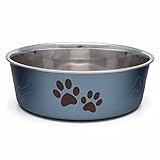
- STAINLESS STEEL & DURABLE - This Bella Bowl (27 oz, 6.75" x 2") features a stainless steel design with a poly-resin exterior great for dog food mat, which makes them dish washer safe and easy to keep clean and hygienic. Perfect cat food bowl or dog water bowl for home & travel.
- REMOVEABLE RUBBER BASE - This feature prevents and ensures no spill water bowl for dogs. It’s perfect for puppy food and makes an excellent addition to your dog feeding station. Watch the bowl stand steady on your pet food mat, making it a great complement to your dog mat and other dog stuff.
- PATENTED AWARD-WINNING DESIGN – Bella Bowls are renowned for being the bestselling bowls in the pet industry. The Bella Bowl Stainless Steel Bowls come in a variety of sizes, making this versatile dog food bowl perfect for all pets—from puppy bowls and small bowls to dog bowls large breed and everything in between! These bowls are also ideal for use as a cat water bowl, with smaller sizes being highly recommended for cat bowls for indoor cats.
- REAL STEEL STYLISH & COLORFUL DOG FEEDER – Available in a wide range of vibrant colors, this dog bowl seamlessly complements any pet supplies collection or dog accessories and makes a fantastic addition to your home’s décor. The Bella Bowls come in beautiful hues like blueberry and artichoke, making them a perfect fit for your dog bowl mat or cat food mat.
- VETERINARIAN RECOMMENDED – This stainless steel dog bowl and stainless steel cat bowls have all the benefits of stainless steel making them hygienic and clean. Bella bowls are truly a must-have for any cat feeding station and essential addition to your dog supplies.
Puppies, elderly dogs, pregnant dogs, and dogs with diabetes, kidney disease, liver disease, or another significant condition should be assessed promptly if vomiting is repeated. They can become dangerously dehydrated or unwell faster than a healthy adult dog.
When to call your regular veterinarian
Contact your veterinarian promptly—even if your dog does not need an emergency clinic—if:
- Vomiting continues for more than 24 hours.
- Your dog vomits more than once or twice in a day.
- There is lethargy, reduced appetite, diarrhea, fever, abdominal pain, dehydration, weakness, weight loss, or unusual thirst or urination.
- Yellow vomit becomes a recurring pattern, such as once a week or repeatedly in the early morning.
- The whites of the eyes, gums, or skin look yellow.
Yellow coloring in the vomit is not the same as yellowing of the dog. Yellow eyes, gums, or skin indicate jaundice and may point to a liver, gallbladder, bile-duct, or red-blood-cell problem.
What to do after one mild episode
Home monitoring may be reasonable when an otherwise healthy adult dog vomits once, remains alert and comfortable, has normally colored gums, and has no known access to toxins or foreign objects.
What’s actually slowing this PC down?
Pick the symptom - the matching free tool is one click away.
- Remove food briefly. Do not immediately offer a normal-sized meal. Monitor your dog closely instead.
- Offer water carefully. Give small, frequent amounts rather than allowing your dog to gulp a large bowlful. Do not force water, and do not withhold it for a prolonged period without veterinary instructions. A dog that cannot retain small amounts needs veterinary care and may require injectable or intravenous fluids.
- Restart food only after vomiting has stopped. Offer a small portion of an easily digested food or a veterinary gastrointestinal diet, following your veterinarian’s preferred instructions.
- Increase portions gradually. If your dog stays comfortable and does not vomit again, slowly return to the normal diet instead of giving one large meal.
- Stop home treatment if the problem returns. Contact a veterinarian if vomiting happens again or if any warning sign develops.
Veterinary recommendations differ on the exact length of a food break and how much water to offer. The safest plan depends on the dog’s age, hydration, medical history, and suspected cause. Your veterinarian’s individualized instructions take priority over a fixed fasting schedule.
Rank #2

- Stainless Steel Pet Bowl: Made for daily food or water use with a simple, practical design
- Silicone Nonslip Bottom: Helps reduce sliding and noise on smooth feeding surfaces
- Wide, Stable Shape: Designed to sit steadily during everyday meals
- Easy to Clean: Smooth stainless steel surface rinses clean and is dishwasher safe
- Stackable Design: Bowls can be stacked for compact storage when not in use
What yellow bile can mean
Bile is produced by the liver and normally enters the small intestine. When intestinal contents move back into an empty stomach, bile can irritate the stomach lining and be expelled as yellow or yellow-green fluid. A small amount of foamy, foodless vomit after a long interval without eating can fit this pattern.
But the same appearance can occur with very different conditions:
| Possible cause | Clues that may occur |
|---|---|
| Dietary indiscretion or gastroenteritis | Recent access to garbage, spoiled food, a sudden diet change, vomiting, or diarrhea. |
| Foreign object or intestinal obstruction | Repeated vomiting, abdominal pain, reduced stool, restlessness, or known access to toys, bones, fabric, or other objects. |
| Pancreatitis | Vomiting, loss of appetite, abdominal pain, weakness, or a hunched posture. |
| Liver, gallbladder, or bile-duct disease | Vomiting, poor appetite, abdominal discomfort, jaundice, or changes in thirst and urination. |
| Kidney disease or another systemic illness, including Addison’s disease | Vomiting accompanied by lethargy, weight loss, dehydration, or increased thirst and urination. |
| Medication, toxin, parasite, or infection | Timing after a new medicine or exposure, diarrhea, neurological signs, or worsening illness. |
| Chronic inflammatory gastrointestinal disease | Recurrent or ongoing vomiting, sometimes with appetite, stool, or weight changes. |
| Bilious vomiting syndrome | Recurring small-volume yellow vomit—often early in the morning—with otherwise normal appetite, energy, weight, and examination findings. |
Because yellow bile is a description rather than a diagnosis, a veterinarian may recommend blood and urine tests, fecal testing, and abdominal imaging. Radiographs are particularly important when a swallowed object is possible; they can identify some potentially life-threatening obstructions.
Could it be bilious vomiting syndrome?
A recurring pattern of small amounts of yellow or yellow-green, foodless vomit in an otherwise healthy dog is sometimes called bilious vomiting syndrome. It commonly occurs early in the morning or after a long period without food.
This is a diagnosis of exclusion. Other causes of recurrent vomiting should be considered first. In a retrospective study of 20 dogs initially diagnosed with bilious vomiting syndrome, some improved with feeding changes or medication, but several did not; three were later found to have another condition, including gastric adenocarcinoma, dietary indiscretion, or hepatopathy. The study is reported in PubMed’s Bilious Vomiting Syndrome in Dogs.
Rank #3

- 【Safe Material】 The feeders and water feeders are made of food grade materials, using PP+PET, which are pet friendly, safe and harmless, and do not contain BPA
- 【 Large Capacity 】 Both the feeder and water dispenser have a capacity of 3.3L, which is large enough for small pets to use for 6 days and large pets for 2 days. You only need to regularly add food and water instead of constantly feeding your pets, which can save you energy and time
- 【 Easy to Use 】 Both the feeder and water dispenser are powered by gravity. No need for electricity. Installation and use are very simple, without the need for complex setup and assembly. Simply assemble the product and regularly add food and water to use it
- 【Easy to clean】The installation and disassembly of the feeder and water dispenser are very simple, and the cleaning process is very simple. Just disassemble the product, clean it with clean water, and then assemble it back to complete the cleaning
- 【No Mess】The water feeder adopts a siphon design, which can keep the water level line in the bowl at the appropriate height. When the water in the bowl decreases, the water in the bucket will automatically fill the bowl by gravity and will not overflow to the ground. You only need to regularly add water to the bucket, which is simple and convenient
A veterinarian may suggest dividing the daily food into smaller, more frequent meals or providing a small meal later in the evening. Do not use this strategy to postpone an examination if the vomiting is frequent, worsening, or accompanied by pain, poor appetite, weight loss, diarrhea, or low energy.
Do not give home remedies without veterinary advice
- Do not give human anti-nausea, antacid, pain, or diarrhea medicine unless a veterinarian has prescribed it for this dog and explained the dose.
- Do not force food or water.
- Do not give salt, mustard, milk, oil, syrup of ipecac, or other internet remedies.
- Do not induce vomiting simply because your dog is already vomiting.
- Do not use hydrogen peroxide unless a veterinarian or veterinary poison-control professional specifically directs you to do so.
Inducing vomiting at home can cause aspiration, injury to the esophagus or stomach, or additional damage from a corrosive or sharp substance. The ASPCA says hydrogen peroxide may sometimes be used in dogs only under professional guidance.
If poisoning is possible
Move your dog away from the suspected substance, keep the packaging or take a photograph, and call a veterinarian or poison-control service immediately—even if your dog currently seems normal. Some toxins have delayed effects.
In the United States, you can contact:
- ASPCA Animal Poison Control Center: (888) 426-4435
- Pet Poison Helpline: (855) 764-7661. Its website states that an $89 incident fee applies.
Have your dog’s age, weight, medical history, suspected substance, estimated amount, time of exposure, and current symptoms ready. Go directly to an emergency clinic if your dog is unconscious, having trouble breathing, seizing, or bleeding heavily.
What to record for the veterinarian
Useful details can help the veterinarian distinguish a short-lived stomach upset from a more serious problem. Record:
Rank #4

- 【Designed Specifically for Cats】This elevated cat bowl set features a 5.7-inch wide stand and 1.2-inch shallow stainless steel bowls, thoughtfully designed to suit the needs of indoor cats. The shallow, whisker-friendly shape helps reduce whisker fatigue, allowing your cat to eat more comfortably and calmly. Perfect for both kittens and adult cats, this set ensures a relaxed and enjoyable mealtime experience at every life stage.
- 【Stable and Non-Slip Design】Our raised cat food bowls feature a non-slip base to prevent tipping and sliding during mealtime. The sturdy structure keeps the bowls in place, helping even energetic cats enjoy a calm, mess-free feeding experience.
- 【Splash-Proof and Whisker-Friendly】Designed with a shallow, wide opening and splash-guard edge, these bowls prevent food or water spills while keeping your cat’s whiskers stress-free. No more messes around the feeding area, keep the room or carpet clean and hygienic!
- 【Stylish and Easy to Clean】Made from durable stainless steel and paired with a modern stand, this cat bowl set looks great in any home. Both bowls are dishwasher safe and easily removable, making daily cleanup quick and convenient for cat owners.
- 【Support You Can Trust】We’re committed to providing a smooth and enjoyable shopping experience. If you encounter any issues with our product, simply reach out to our friendly customer service team—we’re here to help and will respond promptly. Buy with confidence, we've got you covered! Patent application in progress.
- How many times your dog vomited and over what period.
- Whether the material was yellow, green, foamy, food-containing, bloody, or coffee-ground-like.
- Whether the episode followed eating, drinking, exercise, medication, or a long gap between meals.
- Appetite, water intake, urination, stool, diarrhea, energy, and signs of pain.
- Access to garbage, bones, toys, medications, plants, chemicals, human food, or other foreign material.
- Your dog’s age, weight, breed, medical conditions, and current medicines.
A photograph of the vomit can be useful. A sealed sample may also help if your veterinarian asks for one.
The Tool Desk
Outbyte Driver Updater FREEScan for outdated or missing drivers - takes under a minuteDriver Scan →Outbyte PC Repair FREERepair Windows errors before they cause bigger problemsFix Now →Vomiting or regurgitation?
Vomiting usually involves nausea, drooling, retching, and visible abdominal contractions. Regurgitation is more passive: food or liquid may come up without warning or force, often looking undigested. The distinction matters because regurgitation can indicate a problem with the esophagus rather than the stomach or intestines. Tell your veterinarian what happened immediately before the material came up.
Independent reader supportYour contribution helps us test, update, and keep practical guides available for everyone.Common mistakes about yellow vomit
“My dog is only hungry.”
An empty stomach can contribute to intermittent early-morning bile vomiting, but hunger does not explain every episode. Yellow vomit can also accompany obstruction, pancreatitis, poisoning, and liver or gallbladder disease.
“Yellow vomit is harmless.”
Color alone cannot establish severity. Your dog’s behavior, hydration, gum color, pain level, vomiting frequency, age, medical history, and exposure risk are more useful indicators.
“Chicken and rice will fix it.”
Small amounts of easily digested food may be appropriate after vomiting stops, but they will not treat an obstruction, pancreatitis, poisoning, or organ disease. Homemade chicken and rice is not a complete long-term diet unless formulated by a veterinary nutritionist. A veterinarian-recommended gastrointestinal diet is generally a better option when one is needed.
Best Value

- ATTENTION: Please check the size chart before oder, make sure the stand height will fit your dog well. We suggest to measure dog height from foot to the middle line of the body, and data needs to meet a certain height of the stand approximately, puppy's whole body height under 15inch won't fit after setting the stand up.
- FOR SENIOR DOGS: Effectively protects the spine and neck, avoiding appetite problems caused by prolonged uncomfortable posture. An adjustable dog bowl stand for dogs that tend to vomit when eating, have limited mobility, and suffer from arthritis.
- ADJUSTABLE HEIGHT RAISED DOG BOWLS: Our raised dog bowls for large sized dog can be adjusted to four different heights 3.15'' 9.09'' 10.63'' 12.20'' 13.78'', suit for all breeds and ages. Designed for large dogs, the maximum adjustable height is approximately 1.58 inch higher to fit large dogs needs.
- DUAL STAINLESS STEEL DOG BOWLS: Comes with two dog bowls for water or food, 7.87x 2.56 inch, meet the feeding needs of most dogs for a day. Easy to detach and clean, dish-washable. The oil in dog food can be cleaned more easily to avoid problems such as black chin.
- ANTI-SLIP QUIET DURABLE: The non-slip pads and the silent strip on the elevated dog bowl stand, prevents it from being accidentally knocked over by your dog, but also ensures that the bowl and stand stay stable even during vigorous eating. Avoid daily hassle of cleaning up the floor after your dog's meal!
“I should remove all water.”
Prolonged water deprivation can worsen dehydration. Offer small amounts cautiously for a mild, isolated episode, and seek veterinary care if your dog cannot keep them down.
FAQ
Is yellow vomit always bile?
Yellow or yellow-green, foamy vomit commonly contains bile, but its appearance cannot confirm the cause. Similar vomit can occur with stomach irritation, obstruction, pancreatitis, poisoning, and liver or gallbladder disease.
Should I feed my dog after it vomits yellow bile?
Do not immediately offer a full meal. For a healthy adult dog that vomited once and is otherwise normal, offer water in small amounts and reintroduce a small portion of easily digested food only after vomiting has stopped. Follow your veterinarian’s instructions, especially for puppies, older dogs, or dogs with medical conditions.
How many times can a dog vomit before seeing a vet?
Repeated vomiting, more than once or twice in a day, inability to retain water, or vomiting with lethargy, pain, diarrhea, blood, weakness, or dehydration warrants veterinary contact. Repeated retching with a swollen abdomen is an emergency.
Quick wins for a faster PC:
Scan for outdated or missing drivers - takes under a minuteDriver Scan →Repair Windows errors before they cause bigger problemsFix Now →Why does my dog vomit yellow bile in the morning?
A long interval without food can contribute to bilious vomiting syndrome, which may cause recurring small amounts of yellow, foodless vomit early in the morning. This diagnosis should be made by a veterinarian after other causes of recurrent vomiting have been considered.
Can I give hydrogen peroxide to make my dog vomit?
Not unless a veterinarian or veterinary poison-control professional specifically tells you to. Hydrogen peroxide and other home methods can cause aspiration or injury, and they may be dangerous after some toxins or swallowed objects.
The Bottom Line
One isolated episode of yellow vomit in an alert, comfortable adult dog may settle with careful monitoring. Offer water in small amounts, delay a full meal, and restart food gradually once vomiting stops. But repeated vomiting, inability to keep water down, abdominal swelling or pain, blood, weakness, jaundice, or possible toxin or foreign-object ingestion requires veterinary help. Yellow bile is a symptom—not a diagnosis.
Quick Recap
Product prices and availability are accurate as of the date/time indicated and are subject to change. Any price and availability information displayed on Amazon at the time of purchase will apply.