Free tools Windows power users keep installed
One-click scans. No signup required.
Clear, white, yellowish, or slimy material coating your dog’s stool is usually mucus from the colon. A noticeable increase often means the large intestine is irritated or inflamed, a problem commonly called colitis. Mucus alone does not identify the cause; watch for changes in stool frequency, blood, vomiting, pain, or other signs of illness.
The colon naturally produces mucus to lubricate stool. With large-bowel irritation, mucus may appear with frequent attempts to defecate, urgency, straining, and loose or semi-formed stool.
What mucus in dog poop can indicate
Typical signs of large-bowel irritation include:
- Frequent attempts to poop
- Small amounts of stool each time
- Urgency or accidents indoors
- Straining during or after defecation
- Loose or semi-formed stool
- Mucus coating the stool
- Small amounts of bright-red blood, often near the end of defecation
Vomiting can occur, although it is seen in fewer than one-third of dogs with colitis, according to VCA Animal Hospitals.
Common causes of mucus in dog poop
1. Stress colitis
Stress is one of the leading causes of sudden large-bowel diarrhea in dogs. Boarding, travel, grooming, a veterinary visit, moving, or a change in routine can trigger mucus-covered loose stool.
What’s actually slowing this PC down?
Pick the symptom - the matching free tool is one click away.
#1 Best Overall

- Something Yummy for a Happy Tummy! - Probiotic Bites are functional soft chew dog supplements that support gut flora and immune support for your canine companion.
- Featuring Our Gut First Blend - This blend of Bacillus coagulans, Bacillus subtilis, Saccharomyces boulardii supports gut health and immune system function for your doggy.
- For a Healthy Gut - Fido can continue to digest with more zest! Probiotic Bites help support gut flora and normal digestive function for small, medium, and large breeds – whether an adult or senior!
- Immune System Support - At a total of 3 billion CFU per chew, the probiotics in these Probiotic Bites provide paw-erful support for your dog's immunity.
- Good Gut Bacteria - These chewables include pawsome probiotic strains such as Lactobacillus acidophilus, L. plantarum, L. brevis, L. fermentum, and Lactococcus lactis.
Stress colitis often starts suddenly. A dog may remain fairly bright and interested in food while needing to defecate frequently and producing only small amounts of stool. If signs are severe, persist, or recur, contact your veterinarian rather than assuming stress is responsible.
2. Eating something inappropriate or changing food abruptly
Garbage, spoiled food, unfamiliar treats, plants, or other unsuitable items can irritate the digestive tract. An abrupt change from one dog food to another may also contribute to diarrhea and colitis.
Keep track of what your dog has eaten and any recent food or environment changes. This history can help your veterinarian assess a short-lived upset or recurring problem.
3. Intestinal parasites
Parasites can cause mucus, loose stool, diarrhea, and straining. Two important possibilities are Giardia and whipworms.
PC Slower Than It Used to Be?
A free scan shows the junk files, broken settings and background clutter dragging Windows down - then fixes them in one click.Free scan · Windows 10 & 11Crashes, No Sound, or Screen Glitches?
Random freezes, missing sound and display glitches usually trace back to one bad driver. Find and replace yours safely.Free scan · under a minute- Giardia: may cause sudden soft or watery stool containing mucus, sometimes with a foul odor. Dogs can pick it up from contaminated water, soil, feces, or surfaces.
- Whipworms: can cause intermittent soft stool or diarrhea with mucus or blood. A single fecal test may miss them because eggs are shed intermittently and adult worms take time to start producing eggs.
- Other parasites: organisms such as Cryptosporidium can also be associated with colitis.
A negative stool test does not always exclude Giardia or whipworms. Your veterinarian may recommend a different test or repeat testing. See Cornell University College of Veterinary Medicine’s Giardia guidance and its information on whipworms in dogs.
Rank #2

- DIGESTIVE ENZYMES FOR DOGS: These probiotic dog chews support dog digestive health with high-quality ingredients: Perfect for all breeds and sizes, our dog probiotics provide essential dog digestive support to keep your pup happy and healthy
- VERSATILE BENEFITS: These probiotics for dogs support dog digestive health, promote proper stool quality, and boost the immune system; With naturally occurring micro-organisms, our dog probiotic chews aid dog gut health for overall wellness
- GREAT TASTE: These probiotic chews for dogs support dog digestive health while delivering a flavor even picky eaters love; Packed with probiotics for dogs digestive health, they make the perfect dog probiotic chews for daily dog gut health support
- NO POWDER NEEDED: No more messy powders! Support dog gut health with our probiotic dog chews; These dog digestive supplements provide the benefits of probiotics for dogs digestive health in an easy, no mess chew—no scooping or mixing needed!
- POWERFUL BLEND: Our probiotic dog chews contain 1 billion CFUs of beneficial bacteria cultures; With prebiotic for dogs like inulin, these dog probiotics for digestive health support dog gut health, aiding dog digestive support and diarrhea relief
4. Bacterial or viral infection
Bacteria such as Salmonella, Clostridium, and E. coli can cause colitis and mucus-covered diarrhea. Viral illnesses can do the same. Parvovirus is a serious concern in susceptible dogs and can become life-threatening.
Infection is more concerning when mucus is accompanied by repeated vomiting, marked lethargy, loss of appetite, blood, or rapidly worsening diarrhea. Ask your veterinarian whether to keep a sick dog away from other dogs.
5. Food intolerance, food allergy, or dietary-responsive colitis
A reaction to a dietary protein can cause allergic colitis. Veterinarians may recommend a therapeutic elimination diet or another veterinary diet when diet-related disease is suspected. Follow the prescribed diet as directed and ask your veterinarian which treats or other foods are allowed.
The Tool Desk
Outbyte Driver Updater FREEScan for outdated or missing drivers - takes under a minuteDriver Scan →Outbyte PC Repair FREERepair Windows errors before they cause bigger problemsFix Now →6. Inflammatory bowel disease
Chronic or recurring mucus may be associated with inflammatory bowel disease (IBD). In dogs, IBD describes several disorders involving persistent intestinal inflammation without one clearly identified cause. Other possible signs include ongoing diarrhea, appetite changes, vomiting, and weight loss. Similar signs can have other causes, so veterinary evaluation is needed.
7. Trauma or irritation of the colon
Trauma, ingestion of irritating material, or other physical injury can inflame the colon and produce mucus. If you suspect your dog swallowed a foreign object, chemical, medication, or toxin, contact a veterinarian or emergency clinic immediately.
Rank #3
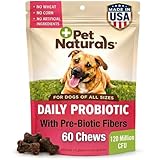
- Powerful Daily Gut Support: Pet Naturals Daily Probiotic for dogs guarantees 120 million CFU’s of beneficial probiotic bacteria and supports digestive regularity in dogs of all ages, sizes, and breeds.
- Everyday Wellness for Dogs: Probiotics are recommended for everyday gut health, as well as immune support during increased times of stress such as boarding, travel, and new changes to the environment.
- Soothe Digestive Upset: Probiotics like Bacillus coagulans and FOS prebiotic fiber help normalize digestive functions to reduce gassiness, diarrhea, and mild constipation. A healthy gut can also help to reduce bad breath.
- Great Value: Get your money’s worth! Our affordable probiotic supplement for dogs offers a 60-day supply for dogs up to 25 lbs, and a 30-day supply for dogs up to 50 lbs.
- Delicious Duck Flavor: Daily Probiotic comes in a tasty duck-flavored soft chew that even picky dogs will love. Made without soy, corn, or artificial flavors or colors.
8. Less common but more serious intestinal disease
Persistent or recurring signs may require investigation for intestinal tumors or polyps, cecal inversion, intussusception, or other structural disease. These are not the most likely explanations for one mild episode, but they may need to be ruled out when symptoms continue or recur.
When mucus in dog poop needs veterinary attention
Contact your veterinarian promptly if mucus occurs with:
Do these 3 things before closing this tab:
1Clear out junk files and repair common Windows errors2Scan for outdated or missing drivers - takes under a minute3Repair Windows errors before they cause bigger problems- Blood
- Repeated vomiting
- Lethargy or weakness
- Abdominal pain
- Loss of appetite
- Dehydration
- Multiple watery stools
- Weight loss
- Signs that are worsening or keep coming back
Puppies, older dogs, and dogs with other medical conditions can become seriously dehydrated more quickly, so use a lower threshold for calling. A mild episode in an otherwise comfortable dog may be monitored briefly, but seek advice if it persists or your dog appears ill.
Seek emergency care for these signs
Go to an emergency veterinarian for profuse or uncontrollable diarrhea, thick black stool, severe weakness, difficulty standing or walking, pale or bluish gums, collapse, severe or constant pain, suspected toxin ingestion, or a swollen abdomen with repeated unproductive retching.
How a veterinarian investigates mucus in stool
Your veterinarian will ask about the timing and appearance of the diarrhea, bowel-movement frequency, recent food or environment changes, exposure to other animals, vaccination and parasite-prevention status, and accompanying signs. Bring a fresh stool sample if possible.
Rank #4

- TOTAL GUT & BREATH SUPPORT - Advanced 5-in-1 formula combines 6 Billion CFU probiotics with digestive enzymes to balance gut flora. It effectively alleviates gas, bloating, and diarrhea while helping to freshen your dog's breath from the inside out. No more doggie breath!
- RELIEF FOR ITCHY SKIN & ALLERGIES - Boosted with Omega 3-6-9 and Pumpkin, these chews help soothe itchy skin, seasonal allergies, and yeast issues. The premium ingredients promote a shiny coat and reduce shedding, ensuring your dog looks as healthy as they feel
- PERFECT FOR PUPPIES & SENIORS - These chicken-flavored chews are designed for dogs of all sizes and ages. They are easy to digest and can be easily broken into smaller pieces for puppies or senior dogs with sensitive teeth. A treat-like taste that even picky eaters love!
- NO REFRIGERATION & SHELF STABLE - Our probiotics are shelf-stable and require no refrigeration, making them perfect for travel or easy storage in your pantry. Each bottle provides 120 chews—up to a 4-month supply—offering incredible value for your pet's daily wellness
- TRUSTED USA QUALITY & PURITY - Proudly made in the USA in a GMP-certified facility and 3rd-party tested. Free from corn, wheat, soy, and dairy. We use 85% real chicken for maximum flavor and safety
Possible tests include:
| Evaluation | What it may help assess |
|---|---|
| Physical and rectal examination | Hydration, abdominal pain, rectal disease, and overall condition |
| Fecal testing | Intestinal parasites |
| Giardia or infectious-disease testing | Specific organisms that may need targeted testing |
| Bloodwork | Dehydration, inflammation, infection, anemia, or problems outside the intestine |
| Rectal swab or bacterial testing | Selected cases where bacterial disease is suspected |
| X-rays or ultrasound | Foreign material, obstruction, structural disease, or other abdominal abnormalities |
| Endoscopy or biopsy | Chronic or recurring inflammation that needs further investigation |
Because Giardia cysts and whipworm eggs may be shed intermittently, one negative result may not rule out infection. Tell the veterinarian if the problem continues.
Quick wins for a faster PC:
Fix the driver behind crashes, sound loss and screen glitchesFind Drivers →Clear out junk files and repair common Windows errorsFree Scan →How mucus in dog poop is treated
Treatment depends on the cause and the dog’s condition. It may include:
- A veterinary gastrointestinal diet or controlled diet change
- Fluids for dehydration
- Parasite treatment when a parasite is suspected or confirmed
- Probiotics in selected cases
- Medication directed at the identified condition
- Anti-inflammatory or immunosuppressive treatment for some chronic inflammatory diseases
Antibiotics are not the standard treatment for every case of mucus or colitis. Treatment should target the underlying cause.
Do not give human anti-diarrheal medication unless your veterinarian specifically recommends it. Loperamide, for example, is contraindicated in infectious colitis and should not be used in dogs with the ABCB1 genetic polymorphism. Do not use leftover medication or try to suppress diarrhea if your dog may have swallowed a toxin or foreign object.
What to record before calling the vet
- Take a photo of the stool, including mucus and any blood.
- Note when the problem began and how often your dog has passed stool.
- Describe the stool: formed, soft, watery, black, or bright red.
- List recent food or environment changes and possible access to unsuitable items.
- Record vomiting, appetite, energy, pain, and possible weight loss.
- Note exposure to other animals and recent changes in routine.
- Collect a fresh stool sample if your clinic requests one.
Common misconceptions
“Mucus always means worms.”
No. Parasites are one possibility, but stress, dietary problems, infections, food-related disease, inflammatory bowel disease, and trauma can also irritate the colon.
Best Value

- 6-in-1 Comprehensive Health Benefits: Packed with probiotics, prebiotics, enzymes, and natural ingredients like pumpkin and papaya, our PENPENPET probiotic chew for dogs provide six essential benefits: enhanced digestion, immune support, nutrient absorption, better skin and coat health, reduced gas, and relief from sensitive stomach issues—all in one easy, effective treat.
- High Potency, Stable Formula: Our concentrated formula ensures maximum effectiveness with the perfect dosage of prebiotics and probiotics in every PENPEN Probiotic soft chew. Designed for daily use, this stable blend provides consistent support to keep your dog’s gut health on track.
- Premium Natural Ingredients for Gentle Care: Made with non-GMO, wheat-free, and soy-free ingredients, these probiotics for dogs are gentle enough for dogs with sensitive stomachs. Digestive boosters like chicory root, FOS, and pumpkin work together to regulate digestion and support overall gut health.
- Delicious and Easy-to-Feed Treats: No powders or pills—just a beef-flavored soft chew your dog will love! These dog probiotic chews make daily health care enjoyable for both pets and their owners, ensuring hassle-free feeding.
- Certified for Quality and Safety: Crafted in a GMP-compliant, FDA-registered facility, our dog probiotics meet the highest quality standards. Backed by science and trusted by pet parents, PENPEN ensures safe and reliable solutions for your furry companion’s health.
“Mucus is always an emergency.”
No. Mild soft stool without other signs of illness may be monitored briefly. Blood, severe or persistent diarrhea, pain, vomiting, weakness, dehydration, or other signs of illness warrant veterinary advice.
“A negative stool test rules out parasites.”
No. Intermittent shedding means Giardia or whipworms can be missed. Further testing may be appropriate if signs continue.
“Antibiotics treat all mucus in stool.”
No. Treatment should target the underlying cause. Diet management, parasite treatment, fluids, or other care may be more appropriate, depending on the diagnosis.
FAQ
Is mucus in dog poop always a sign of worms?
No. Mucus commonly reflects irritation or inflammation of the colon and may result from stress, a sudden food change, dietary indiscretion, infection, food-related disease, inflammatory bowel disease, or parasites.
Should I take my dog to the vet for mucus in its stool?
Contact your veterinarian if mucus persists, returns repeatedly, or occurs with blood, vomiting, lethargy, pain, poor appetite, multiple watery stools, weight loss, or dehydration. Seek emergency care for collapse, severe weakness, black stool, suspected poisoning, severe pain, or a swollen abdomen with unproductive retching.
Can a stool test miss Giardia or whipworms?
Yes. Giardia cysts and whipworm eggs may be shed intermittently. If signs continue, your veterinarian may recommend repeat or additional testing after an initial negative result.
Can I give my dog an over-the-counter anti-diarrheal?
Do not give one unless your veterinarian specifically recommends it. Loperamide can be inappropriate for infectious colitis and unsafe for dogs with the ABCB1 genetic polymorphism.
The Bottom Line
Mucus usually means the colon is irritated, not that your dog definitely has worms. A brief, mild episode may settle, but recurring mucus or mucus combined with blood, vomiting, pain, weakness, poor appetite, dehydration, or watery diarrhea needs veterinary advice. Save a fresh stool sample and record recent food or environment changes and other symptoms to help your veterinarian investigate the cause.
Quick Recap
Product prices and availability are accurate as of the date/time indicated and are subject to change. Any price and availability information displayed on Amazon at the time of purchase will apply.




