Yes, most healthy dogs can eat a small amount of plain cottage cheese occasionally—but only if they tolerate dairy and the food fits within their daily calorie allowance. Cottage cheese is not toxic to dogs, yet it still contains lactose, fat, calories, and sodium. It is also unsuitable for some dogs with allergies, digestive disease, pancreatitis, or a veterinarian-prescribed diet.
The safest approach is to choose plain cottage cheese, offer a tiny taste the first time, and watch for digestive or allergic reactions. Treats, toppers, table scraps, and other human foods should make up no more than 10% of your dog’s daily calories; the rest should come from a complete and balanced canine diet.
Is cottage cheese safe for dogs?
Plain cottage cheese can be a reasonable occasional treat for many otherwise healthy adult dogs. It is a dairy food rather than a complete dog food, so it should be used as a small topper or treat—not as a regular meal replacement.
Whether your dog handles it well depends on several factors:
Do these 3 things before closing this tab:
1Fix the driver behind crashes, sound loss and screen glitches2Clear out junk files and repair common Windows errors3Scan for outdated or missing drivers - takes under a minute#1 Best Overall

- ATTENTION: Please check the size chart before oder, make sure the stand height will fit your dog well. We suggest to measure dog height from foot to the middle line of the body, and data needs to meet a certain height of the stand approximately, puppy's whole body height under 15inch won't fit after setting the stand up.
- FOR SENIOR DOGS: Effectively protects the spine and neck, avoiding appetite problems caused by prolonged uncomfortable posture. An adjustable dog bowl stand for dogs that tend to vomit when eating, have limited mobility, and suffer from arthritis.
- ADJUSTABLE HEIGHT RAISED DOG BOWLS: Our raised dog bowls for large sized dog can be adjusted to four different heights 3.15'' 9.09'' 10.63'' 12.20'' 13.78'', suit for all breeds and ages. Designed for large dogs, the maximum adjustable height is approximately 1.58 inch higher to fit large dogs needs.
- DUAL STAINLESS STEEL DOG BOWLS: Comes with two dog bowls for water or food, 7.87x 2.56 inch, meet the feeding needs of most dogs for a day. Easy to detach and clean, dish-washable. The oil in dog food can be cleaned more easily to avoid problems such as black chin.
- ANTI-SLIP QUIET DURABLE: The non-slip pads and the silent strip on the elevated dog bowl stand, prevents it from being accidentally knocked over by your dog, but also ensures that the bowl and stand stay stable even during vigorous eating. Avoid daily hassle of cleaning up the floor after your dog's meal!
- How well your dog digests lactose
- The product’s fat, calorie, and sodium content
- Whether it contains unsafe flavorings or sweeteners
- Your dog’s weight and overall health
- Whether your dog eats a therapeutic or prescription diet
Some dogs tolerate cottage cheese better than milk, but cottage cheese is not lactose-free. Dogs vary widely in their ability to digest lactose, and a dog that has tolerated dairy before can still develop diarrhea after eating too much.
Which cottage cheese is best?
Choose a small- or moderate-fat product that is plain and unseasoned. Read both the ingredient list and the nutrition label rather than relying only on the front of the package.
| Look for | Why it matters |
|---|---|
| Plain cottage cheese | It avoids potentially harmful flavorings and unnecessary ingredients. |
| A lower-fat option, when appropriate | It may fit better for dogs prone to weight gain or those on a veterinarian-directed fat-restricted diet. |
| A product with a simple ingredient list | Fewer ingredients make it easier to identify what caused a reaction. |
Do not give cottage cheese containing onion, garlic, chives, leeks, or shallots. These allium ingredients can be toxic to dogs. Avoid products containing xylitol or another unsafe sweetener, as well as heavily salted, spiced, sauced, or flavored varieties.
“Low-fat” does not mean unlimited or automatically safe. A lower-fat product can still contribute significant calories, contain sodium, or cause problems for a dog that does not tolerate dairy.
Recommended Free Tools
How much cottage cheese can a dog eat?
There is no single spoonful that is safe for every dog. The right amount depends on the dog’s size, calorie needs, body condition, normal diet, activity level, and medical history. Cottage cheese brands also vary in calories and fat.
Rank #2

- Small pet-food dispenser for dog or cat; uses gravity to ensure a consistent supply of kibble
- 152fl.oz food capacity; transparent hopper allows for checking stored food levels at a glance
- Anti-skid rubber feet on durable plastic base help ensure secure placement
- Side cut-out handles along the base for convenient lifting; easy to clean design; hand wash only
- Removable lid and extra-wide mouth for effortless filling
For a first trial:
- Check the label for calories, fat, sodium, and added ingredients.
- Offer only a small taste—just enough to test tolerance.
- Do not introduce another new food at the same time.
- Monitor your dog for digestive or skin symptoms over the next day.
- If there is no reaction, keep future servings small and occasional.
Keep the veterinary “10% rule” in mind: all treats, toppers, table food, and other extras combined should provide no more than 10% of your dog’s daily calories. The remaining 90% should come from a complete and balanced diet. If your dog is overweight, has a low calorie allowance, or receives several treats each day, cottage cheese may not fit comfortably into that budget.
Do not use cottage cheese to replace a balanced dog-food meal. Even though it provides protein and other nutrients, it does not supply the full nutrient profile a dog needs for routine feeding.
Why can cottage cheese make some dogs sick?
Lactose intolerance
Lactase activity commonly declines after weaning. A dog that cannot digest lactose well may develop gas, loose stool, diarrhea, vomiting, or abdominal discomfort after eating dairy. The amount that causes symptoms differs from one dog to another.
Do not give dairy while your dog has diarrhea. Intestinal illness can temporarily make lactose intolerance worse, and cottage cheese may add to the irritation rather than help.
Too much fat or too many calories
A rich serving can cause stomach upset and can make weight control more difficult. Fat is especially important for dogs with a history of pancreatitis or dogs whose veterinarian has prescribed a low-fat diet. A lower-fat cottage cheese may be considered in some situations, but only within the dog’s complete calorie and fat limits.
Rank #3

- 【Safe Material】 The feeders and water feeders are made of food grade materials, using PP+PET, which are pet friendly, safe and harmless, and do not contain BPA
- 【 Large Capacity 】 Both the feeder and water dispenser have a capacity of 3.3L, which is large enough for small pets to use for 6 days and large pets for 2 days. You only need to regularly add food and water instead of constantly feeding your pets, which can save you energy and time
- 【 Easy to Use 】 Both the feeder and water dispenser are powered by gravity. No need for electricity. Installation and use are very simple, without the need for complex setup and assembly. Simply assemble the product and regularly add food and water to use it
- 【Easy to clean】The installation and disassembly of the feeder and water dispenser are very simple, and the cleaning process is very simple. Just disassemble the product, clean it with clean water, and then assemble it back to complete the cleaning
- 【No Mess】The water feeder adopts a siphon design, which can keep the water level line in the bowl at the appropriate height. When the water in the bowl decreases, the water in the bucket will automatically fill the bowl by gravity and will not overflow to the ground. You only need to regularly add water to the bucket, which is simple and convenient
Food allergy or adverse food reaction
Dairy can trigger an adverse food reaction in some dogs. A food allergy more often causes itching, recurrent ear or skin problems, or other skin disease than simple lactose intolerance does, although gastrointestinal signs can also occur.
If your dog is undergoing an elimination diet, do not add cottage cheese unless your veterinarian specifically approves it. Even a small amount can interfere with the trial and make the results difficult to interpret.
Can dogs eat cottage cheese for an upset stomach?
Cottage cheese is sometimes used as a lean protein in a short-term bland diet, and some dogs find it palatable. That does not make it a universal treatment for vomiting or diarrhea. It may worsen symptoms in a dog that is lactose-intolerant, sensitive to dairy, or already experiencing intestinal disease.
Homemade bland diets are also generally not complete and balanced for long-term feeding. A dog with ongoing vomiting, diarrhea, recurrent gastrointestinal problems, or suspected inflammatory bowel disease needs veterinary advice. Your veterinarian may recommend a balanced commercial gastrointestinal diet instead of a homemade mixture.
Do not use cottage cheese to mask or delay evaluation of warning signs such as blood in the stool, repeated vomiting, dehydration, significant lethargy, or abdominal pain.
Rank #4

- Cat Dog Automatic Feeder and Water Dispenser: automatic food feeder*1, pet water dispenser* 1. pet food feeder and waterer set suitable for small and medium dogs or cats
- Upgrading Materials of Pet Automatic Feeder: pet water dispenser made of safe, natural material. The bottom of the cat feeder has been upgraded with a movable stainless steel bowl to keep food fresher and easy to clean, not easily deformed, not rusty,sturdy and sanitary.
- Large Capacity:the automatic cat feeder can hold about 6 pound food and about 1 gallon water,can be used by small medium pets about 7-9 days, 3-5 days for large pets
- Gravity Feeder:This auto dispenser combo uses the power of gravity to slowly refills water or food to bottle by gravity.You can rest assured to go to vacation, work, party, don't worry that pets will be hungry
- Cat Feeder Novel Design: The water dispenser adopts spiral and spring valve design to ensure that it never leaks. With a transparent storage bottle, you can refill it in time when the food and water are used up
What about cottage cheese and pancreatitis?
Do not treat pancreatitis at home with cottage cheese. Dogs with pancreatitis generally need a veterinarian-directed, low-fat diet and careful monitoring. Merck Veterinary Manual describes a canine pancreatitis diet containing less than 20 grams of fat per 1,000 kilocalories; the appropriate target and food choice must be determined for the individual dog.
Crashes, No Sound, or Screen Glitches?
Random freezes, missing sound and display glitches usually trace back to one bad driver. Find and replace yours safely.Free scan · under a minuteWindows Errors? Fix Them Before They Spread
Repair common Windows errors and clear accumulated junk for a smoother, more stable PC - no reinstall needed.Free scan · no reinstallSome veterinary nutrition plans may use a low-fat cottage cheese as a topper or mixer for a particular dog. That is different from adding it without guidance. The serving must fit the dog’s calorie and fat limits, and toppers should not displace too much of the balanced therapeutic diet.
Which dogs should ask a veterinarian first?
Speak with your veterinarian before offering cottage cheese if your dog:
- Has pancreatitis or a previous episode of pancreatitis
- Has chronic vomiting, diarrhea, inflammatory bowel disease, or another gastrointestinal disorder
- Has a suspected food allergy or is on an elimination diet
- Is overweight or following a calorie-restricted plan
- Has kidney, heart, or another disease requiring dietary control
- Eats a prescription veterinary diet
- Is a puppy, pregnant, nursing, elderly, or medically fragile
Extra foods can interfere with the purpose of a therapeutic diet, even when the portion seems small. Ask the prescribing veterinarian before adding treats or toppers.
Independent reader supportYour contribution helps us test, update, and keep practical guides available for everyone.What to do if your dog reacts
Stop offering cottage cheese if your dog develops gas, loose stool, diarrhea, vomiting, abdominal discomfort, itching, or other unusual symptoms after eating it. A mild, short-lived digestive reaction after a small taste may resolve, but do not give more to “test” the food.
The Tool Desk
Outbyte Driver Updater FREEFix the driver behind crashes, sound loss and screen glitchesFind Drivers →Outbyte PC Repair FREERepair Windows errors before they cause bigger problemsFix Now →Best Value
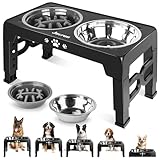
- Tips: Please check the size chart before ordering, and make sure the stand height will fit your dog well. We suggest to measure dog height from foot to the middle line of the body, and data needs to meet a certain height of the stand approximately, puppy's whole body height under 15inch won't fit after setting the stand up.
- Healthy Dining Experience: The dog feeding station provides your pet with a comfortable and healthy dining position that can help aid in their digestion. Eliminating the need to have them stoop over to eat helps reduce strain on their neck and back.
- 5 Heights Adjustable Stand: The dog bowl stand can be adjusted to 12 in, 10&11in, 9in, and 3.1in. The raised dog bowl can not only makes it easier and comfortable for dogs to access their food and water, but also prevents dust or floor debris from falling into the bowls, ensuring a clean and healthy dining experience.
- Fully Equipped & Dishwasher Safe: Comes with 1*stainless steel bowl and 1*slow feeder dog bowl. The size of the bowls is 7.8 inches inner diameter, perfect for dry kibble, wet food, treats, or water. The raised dog food bowls for medium large dogs are safe for easy cleaning, you can put the whole bowl in the dishwasher.
- Easy to Use Anti-slip Stand: Elevated pet bowls with antislip feet make it stable and prevent sliding, offering protection for your floors. Noise-free rubber rim for your dog to enjoy quiet dining. Fold and store the legs with a simple push of a button after use. If one of the brackets keeps falling and it won't lock, please pull out the bracket and let the buckle return.
Contact a veterinarian promptly for severe or persistent vomiting or diarrhea, bloody stool, dehydration, marked lethargy, obvious abdominal pain, or difficulty breathing. Call immediately if the cottage cheese contained a potentially toxic ingredient such as onion, garlic, or xylitol.
Safer ways to offer it
If your veterinarian agrees that cottage cheese is suitable, use it sparingly:
- Serve it plain, without seasoning, sauce, fruit syrup, or sweetener.
- Measure the portion instead of letting your dog eat from the container.
- Count it as part of the day’s treat allowance.
- Use it as an occasional training reward or small topper, not a meal.
- Introduce it when your dog is healthy, not during active diarrhea or vomiting.
There is no nutritional reason to force cottage cheese into your dog’s diet. If your dog does not tolerate it, a regular complete-and-balanced diet and veterinarian-approved treats are better choices.
FAQ
Can puppies eat cottage cheese?
A healthy puppy may tolerate a tiny amount, but puppies have specific nutritional needs and should receive a complete and balanced growth diet. Ask your veterinarian first, especially if the puppy has digestive symptoms or is on a special diet.
What’s actually slowing this PC down?
Pick the symptom - the matching free tool is one click away.
Is cottage cheese better than milk for dogs?
Some dogs tolerate cottage cheese better than milk, but it still contains lactose and can cause gas, diarrhea, vomiting, or discomfort. It is not automatically safe for lactose-sensitive dogs.
Can cottage cheese stop a dog’s diarrhea?
No. Cottage cheese is not a cure for diarrhea and may worsen symptoms in some dogs. Persistent diarrhea, blood in the stool, vomiting, dehydration, or lethargy requires veterinary advice.
Can dogs with pancreatitis eat cottage cheese?
Only if the veterinarian managing the dog’s pancreatitis approves it and it fits the prescribed calorie and fat limits. Do not use cottage cheese as a do-it-yourself pancreatitis treatment.
The Bottom Line
Most healthy dogs can have a small taste of plain cottage cheese occasionally, provided they tolerate dairy and the calories fit their diet. Choose an unseasoned product, avoid toxic additives, and follow the 10% limit for all extras combined. Skip it—or ask your veterinarian first—if your dog has digestive disease, pancreatitis, food allergies, weight problems, or a prescription diet.
Quick Recap
Product prices and availability are accurate as of the date/time indicated and are subject to change. Any price and availability information displayed on Amazon at the time of purchase will apply.




