Recommended Free Tools
Persian cat breed information and characteristics point to a gentle, affectionate indoor companion with a long, dense coat and short, broad face. Persian cats can suit calm homes, but they are high maintenance: daily combing, regular facial care, measured feeding, breeder health screening, and awareness of breathing and inherited kidney concerns are essential.
The Persian’s appeal is straightforward: a distinctive round face, luxurious coat, and usually placid household temperament. The responsibility is equally clear. A Persian is not simply a decorative, low-activity cat; the coat can mat, the facial structure can affect eyes and airways, and the breed deserves deliberate health and grooming care.
Key takeaways
- Persian cats are generally gentle, quiet, affectionate companion cats that often suit calm indoor households.
- A Persian’s long coat requires daily combing with a metal comb because tangles can become painful mats.
- Daily or regular facial cleaning is normal Persian-cat care, but redness, pain, swelling, squinting, odor, or persistent discharge requires veterinary attention.
- Persians are brachycephalic cats, so labored breathing, overheating, exercise intolerance, or abnormal respiratory noise should be taken seriously.
- Polycystic kidney disease is an inherited condition especially associated with Persian cats, making breeder health documentation and veterinary screening important.
- Measured portions, body-condition monitoring, fresh water, and an appropriate veterinary-guided diet matter because Persians can gain excess weight.
What are Persian cats like?
Persian cats are long-haired, short-legged, round-headed cats known for a calm, affectionate temperament and a demanding grooming routine. The breed may be an excellent house cat for someone who wants a quiet companion and can provide daily coat and facial care, but it is not a low-maintenance breed.
Breed descriptions from The International Cat Association and The Cat Fanciers’ Association emphasize a gentle, placid, adaptable personality. Persians often enjoy lounging near their families and may be playful without being highly intense. These are tendencies rather than guarantees: an individual Persian’s behavior also depends on socialization, health, age, activity level, and experience with handling.
Outdated Drivers Are Slowing You Down
One free scan finds every outdated or missing driver and matches the right update for your exact hardware.Free scan · exact hardware matchPC Slower Than It Used to Be?
A free scan shows the junk files, broken settings and background clutter dragging Windows down - then fixes them in one click.Free scan · Windows 10 & 11#1 Best Overall
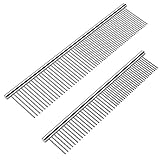
- ✅ FUNCTION -This dematting tool for dogs can removes tangles, mats, loose hair, besides, it’s perfect to promote blood circulation and massage skin.
- ✅ PREMIUM MATERIAL - Made of high quality stainless steel, this comb is durable, corrosion resistant and will not fade, good for avoiding static electricity.
- ✅ COMFORTABLE & SAFE - Rounded pin ends are gentle to the skin. This comb grooms and massages for a healthy coat, prevent snagging and pet injury.
- ✅ WHAT YOU GET- 2 Pack combs for removes both small & large areas tangles, knots. Large comb size: 7.4 x 1.65 IN, small comb size: 6.3 x 1.2 IN.
- ✅ RISK-FREE LIFETIME GUARANTEE - We firmly stand by the lasting quality of our pet grooming tool. If for any reason you're not 100% happy with it, reach out to us to receive a refund or replacement.
What does a Persian cat look like?
A Persian has a stocky or cobby body, short heavily boned legs, a short tail, a broad round head, large round eyes, small round-tipped ears, and a short, broad nose. The long, thick coat gives the breed much of its apparent size and distinctive silhouette. The breed organizations describe roundness in the head, eyes, muzzle, body, and ear placement as central features.
Persian coats come in many colors and patterns, but coat length and density are the practical features owners notice most. Long hair can tangle close to the skin, collect debris, and form mats when routine care is missed.
A show-ring preference for a short face should not be treated as a reason to seek exaggerated facial features. The CFA standard says the nostrils should be sufficiently open to allow breathing without restriction, while veterinary sources identify the Persian as a brachycephalic breed with potential airway concerns. A responsible breeder should prioritize functional breathing and overall health, not appearance alone.
Are Persian cats good house cats?
Persian cats are often good house cats for calm households that can commit to grooming, facial care, weight management, and veterinary follow-up. Persians generally prefer a predictable environment and may fit well with families, children, or other pets when introductions are gradual and the particular cat is comfortable with those interactions.
A Persian is a poor fit for someone seeking a wash-and-wear coat, a highly athletic companion, or a cat that can be left without regular handling and observation. Before adoption or purchase, evaluate the individual cat’s breathing, eye condition, coat condition, socialization, activity level, and response to being touched around the face, feet, and body.
Are Persian cats high maintenance?
Yes. Persian cats are high maintenance mainly because their long coat needs daily attention and their eyes and facial folds need regular observation and gentle cleaning. The International Cat Association states, “The Persian coat requires daily attention.” The Cat Fanciers’ Association similarly warns that owning a Persian requires “a serious commitment to regular grooming, and also to regular vacuuming!”
No authoritative source in the reviewed material establishes a universal number of grooming minutes per day. Grooming time varies with coat texture, length, shedding, matting, the cat’s tolerance, and the owner’s technique, so a precise daily time promise would be misleading.
Rank #2

- ROUND & GENTLE COMB TEETH: Unlike dematting combs with sharp teeth, this dog grooming comb features round teeth that break up tangles +effectively remove loose hair, dander & dirt trapped beneath fur.
- ERGONOMIC NO-SLIP HANDLE: Finished with a rubbery grip, our grooming comb is safer & easier to use than most groom tools. The non-slip coating prevents slippery accidents to keep you & your pet safe.
- IMPROVES OVERALL PET HEALTH: Designed to gently massage your pet's coat, the anti-scratch teeth on our dog & cat comb naturally support the health of your furry best friend by boosting circulation.
- COMB COMES WITH FREE EBOOK: DIY pet grooming can be a bit tricky if tools are not used correctly, which is why every SP pet hair comb includes a download of our helpful instructional guide.
- RISK-FREE LIFETIME GUARANTEE: We firmly stand by the lasting quality of our pet grooming tool. If for any reason you're not 100% happy with it, reach out to us to receive a refund or replacement.
How often should you brush a Persian cat?
You should comb a Persian cat every day. TICA recommends daily combing with a metal comb to prevent tangles from developing into mats, and CFA recommends a steel or Teflon-coated comb with long, coarse, and fine teeth for keeping the coat free of tangles.
Free tools Windows power users keep installed
One-click scans. No signup required.
A stainless-steel cat comb with longer teeth and a finer section is a practical starting category. Choose a tool that can reach through the coat without scraping the skin, has a comfortable grip, is easy to clean, and is tolerated by the individual cat. Coat density and texture determine whether a particular comb is suitable; no single comb replaces patient technique or professional help when severe mats are present.
Work in small sections and comb gently down to the skin. Do not yank through a mat. Mats pull on the skin and may be painful to remove. If a mat is tight, extensive, or close to the skin, ask a veterinarian or experienced professional groomer for help rather than cutting blindly with scissors.
| Care task | Practical frequency | Why it matters | When to seek help |
|---|---|---|---|
| Coat combing | Daily | Prevents tangles, removes loose hair, and helps identify mats early. | Mats are tight, widespread, painful, or cannot be safely removed. |
| Face and eye-area cleaning | Regularly; often daily observation and wiping | Removes tear residue, dust, and irritants from the large eyes and flat face. | Discharge persists or comes with redness, swelling, squinting, odor, or pain. |
| Bathing | According to coat and individual needs; monthly bathing is described as typical by VCA | Keeps a dense long coat clean and supports manageable grooming. | The cat becomes distressed, the coat remains greasy or matted, or drying is difficult. |
| Nail trimming | About every two to three weeks for adults; kittens may need more frequent trims | Reduces overgrown nails and helps maintain comfortable handling. | A nail is split, bleeding, embedded, or the cat cannot be safely restrained. |
| Tooth brushing | Regularly, using a veterinarian-approved technique and product | Supports oral care as part of routine preventive health. | The gums bleed, the mouth is painful, or brushing reveals dental disease. |
How should you bathe and dry a Persian cat?
Bathing frequency depends on the individual coat and cat, but bathing is part of many Persian grooming routines and VCA describes monthly bathing as typical. TICA recommends establishing the routine early, then combing the coat smooth while gently blow-drying after towel drying.
Use a calm, consistent process and avoid leaving the dense coat damp. Wet undercoat can remain hidden beneath the top layer, so drying and brushing must be thorough. The correct frequency is a range rather than a rigid rule: a clean, well-maintained coat may need a different schedule from a cat that soils easily, produces oily coat residue, or develops mats.
How do you clean a Persian cat’s eyes and face?
Clean the eye and facial area gently with a soft, damp cloth when tear residue or debris collects. TICA notes that Persian eyes can attract dust and irritants and that the flat face needs careful cleaning; CFA also recommends cleaning possible tear staining with a soft, damp cloth.
Use a separate clean area of the cloth for each eye, avoid rubbing the eyeball, and never use human eye drops or other human eye products unless a veterinarian specifically directs you to do so. Tear staining can be cosmetic, but discharge with irritation or pain can indicate a medical problem.
Rank #3

- PREMIUM MATERIAL: This metal comb is made of high-quality stainless steel coated with zinc carefully, durable and corrosion-resistant, won’t rust after washing, withstands wear and tear in long term use. Perfect for straightening out the knotted tangles hair, as well as finishing and fluffing without causing any harm.
- COMFORTABLE & SAFE: Each comb tooth is finely polished, can be used to retouch and massage by penetrating DEEP into the coat without scratching your pets’ skin. It is seamless & smooth so that it won't snag hair, glide through the coat like butter, could effectively remove loose hair, dander & dirt trapped beneath fur and curly hair.
- UNIQUE 2-IN-1 DESIGN: Every dog comb has 2 different teeth densities, the wide teeth can be used to comb knotted fur or open the tangled hair, the dense teeth is suitable for comb the soft fur nearby eyes, ears and fine hair of the legs. Also good for avoiding static electricity when being used.
- MULTIFUNCTIONAL & SAFE: Our anti-scratch round teeth would also support the pet health by boosting blood circulation and massaging skins. The comb's coarse and fine teeth work together to remove thick or dead fur and leave your pet's coat soft, sleek, and shining no matter long haired or short haired dogs or cats with thin and thick coats or sensitive skin.
- BUY with CONFIDENCE: The cat comb is compact and portable, fitting conveniently in a handbag, preventing snagging and pet injury. We offer you No questions asked 90-DAY REFUND and 24*7 hours 100% SATISFACTION GUARANTEE. We take care of all quality-related issues with a replacement or refund. If you have any problems with the product, please contact us.
Contact a veterinarian for persistent discharge, redness, squinting, swelling, odor, obvious pain, or a sudden change in the eye. More cleaning is not a substitute for diagnosis.
Do Persian cats have breathing problems?
Persian cats can have breathing problems because their short-snouted, brachycephalic anatomy may include narrower nostrils, an elongated soft palate, and a narrower trachea. These features can contribute to brachycephalic airway syndrome, but not every Persian has clinically significant airway disease.
Quick wins for a faster PC:
Fix the driver behind crashes, sound loss and screen glitchesFind Drivers →Clear out junk files and repair common Windows errorsFree Scan →VCA’s Persian breed profile and its explanations of brachycephalic airway syndrome in cats and short-snout anatomy support taking respiratory signs seriously. Labored breathing, marked exercise intolerance, overheating, open-mouth breathing, collapse, or persistent abnormal respiratory noise warrants prompt veterinary advice; severe breathing distress is an emergency.
When choosing a kitten or adult, listen to the cat at rest and after normal movement, ask about previous respiratory episodes, and prioritize a breeder who discusses functional health rather than promising that a very flat face is harmless.
What health problems do Persian cats have?
Persian cats may face inherited, anatomical, eye, dental, skin, and weight-related concerns. A breed label does not diagnose an individual cat, but prospective owners should understand the issues and ask for health records before committing.
Polycystic kidney disease
Polycystic kidney disease, or PKD, is an inherited disorder associated especially with Persian cats. Cornell University’s Feline Health Center explains that fluid-filled cysts develop in kidney tissue and says cats considered possible carriers, particularly Persian cats, should undergo testing for the responsible gene.
Ask a breeder what genetic testing has been completed, request documentation rather than a verbal assurance, and discuss an appropriate screening and monitoring plan with your veterinarian. Genetic testing and veterinary evaluation answer different questions: testing can address inherited risk, while veterinary care evaluates the individual cat’s current health.
Rank #4

- PREMIUM MATERIAL: The dog comb is made of premium stainless steel, this curry comb teeth is smooth and durable, corrosion resistant and will not fade, also benefit for avoiding static electricity when used.
- DETAILED DESIGN: These metal comb have two different densities of wire teeth. Wide teeth can be used for combing knotted fur, while close teeth are ideal for brushing soft hair around the eyes, ears and fine hair on the legs. Please comb the fur lightly.
- Lightweight strap: metal comb for dogs easy to carry and practical. It easily slips into a handbag and comes in handy when you need it, keeping your dog hair smooth and smooth on the go. Suitable for all short- and long-haired dogs, cats, rabbits, etc.
- Note: Please do not use this dog combs for grooming matting on wet animals as it may damage the skin if there is no hair pad. Dog combs are very effective on dry fur.
- Purchase Guarantee: If you have any questions, please contact us and we will handle it properly. Order now and rest assured that the product will meet your expectations and are guaranteed. If not, we can help you. Most likely, you will never need to lend a helping hand.
Brachycephalic airway concerns
Short facial anatomy can affect airflow and heat tolerance. Watch for noisy or effortful breathing, poor tolerance for activity, overheating, or recovery that seems abnormal for the cat. A Persian that appears comfortable is not automatically free of airway risk, and a Persian with signs should be assessed by a veterinarian.
Eye and facial problems
Large eyes and facial structure make tear residue and eye-area irritation recurring ownership concerns. Routine wiping is appropriate for ordinary buildup, but redness, swelling, squinting, pain, odor, or unusual discharge requires medical assessment. Never assume every stained face is merely cosmetic.
Excess weight
Persians can be prone to obesity, particularly when activity is limited. TICA recommends a high-quality diet, portion awareness, and fresh water, while VCA recommends measuring food and controlling caloric intake. Check body condition with a veterinarian rather than relying only on the cat’s fluffy appearance, which can conceal weight gain.
What should a Persian cat eat?
A Persian cat should receive a complete diet selected for the individual cat’s age, body condition, medical history, and veterinary needs. Measured portions and controlled calorie intake are more defensible than assuming every Persian needs a special breed-specific food.
Brachycephalic cats may find some kibble shapes easier to pick up, but VCA’s nutrition guidance says published clinical trials have not demonstrated significant health benefits of breed-specific diets over other foods. Food choice should therefore be based on nutritional adequacy and the individual cat’s condition, not marketing alone.
Keep fresh, clean water available at all times. TICA notes that some Persians may do better with a water fountain, but a fountain is an optional household aid, not a treatment or universal requirement.
Independent reader supportYour contribution helps us test, update, and keep practical guides available for everyone.How long do Persian cats live?
Published Persian-cat lifespan estimates vary substantially by source, so no single range should be presented as definitive. TICA’s current Persian breed page lists 8–11 years, while VCA’s current Persian profile lists 15–20 years. Those conflicting estimates may reflect differences in source methods, populations, definitions, and individual health; genetics, preventive veterinary care, environment, and disease also affect longevity.
The Tool Desk
Outbyte PC Repair FREEClear out junk files and repair common Windows errorsFree Scan →Outbyte Driver Updater FREEScan for outdated or missing drivers - takes under a minuteDriver Scan →Best Value

- Effective detangling and dematting – Designed to work through knots, mats, and loose hair, helping keep coats smooth, clean, and well maintained.
- Stainless steel teeth for durability – Built with strong stainless steel to glide through coats while maintaining long-lasting performance.
- Compact size for better control – 7.5-inch design offers increased precision, making it ideal for detailed grooming and smaller areas.
- Comfortable and easy to use – Lightweight, balanced design provides a secure grip for better handling during grooming sessions.
- Safe for dogs, cats, and pets – Rounded teeth help reduce discomfort while grooming, making it suitable for a variety of coat types.
Prospective owners should use lifespan figures as broad context rather than a promise. Preventive examinations, weight control, dental care, responsible breeding, prompt attention to breathing or eye changes, and appropriate monitoring for inherited disease are more useful planning considerations than choosing a cat based on a quoted average.
What should you ask a Persian cat breeder?
Ask for health documentation and observe the cat’s function, not just its appearance. Useful questions include:
- Has the cat or its parents been tested for the PKD-associated gene, and can the breeder provide the results?
- Do the parents breathe comfortably at rest and during ordinary activity?
- Has any cat in the line required treatment for airway, eye, kidney, or other inherited problems?
- How is the kitten socialized to combing, bathing, nail handling, tooth care, and face cleaning?
- What diet, portion size, vaccination, deworming, and veterinary records accompany the kitten?
- Will the breeder explain the contract, return policy, and ongoing health support?
Walk away from a seller who treats severe breathing noise as normal, refuses health documentation, or presents an exaggerated facial structure as more important than comfortable breathing and general health.
Is a Persian cat right for you?
A Persian cat may be right for you if you want a calm indoor companion, enjoy hands-on care, can comb the coat daily, will clean and monitor the face, can manage food portions, and can budget for veterinary care. The breed may not suit you if you need a low-maintenance cat, travel frequently without arranging reliable care, or cannot commit to monitoring inherited and brachycephalic health concerns.
Do these 3 things before closing this tab:
1Clear out junk files and repair common Windows errors2Fix the driver behind crashes, sound loss and screen glitches3Repair Windows errors before they cause bigger problems| Persian-cat characteristic | Best fit | Potential difficulty |
|---|---|---|
| Generally gentle and quiet | Calm homes and owners seeking a close companion | Individual cats vary; breed temperament is not a guarantee. |
| Long, dense coat | Owners willing to comb daily and establish grooming routines early | Tangles and mats can become uncomfortable or painful. |
| Short, broad face | Owners prepared for regular facial care and respiratory awareness | Brachycephalic anatomy may contribute to airway and heat-tolerance problems. |
| Potential inherited health concerns | Owners who will request breeder records and maintain veterinary follow-up | PKD risk and other health issues can create emotional and financial demands. |
| Often less intensely active | Indoor households that provide calm interaction and appropriate play | Lower activity can make portion control and weight monitoring important. |
Frequently Asked Questions
Are Persian cats high maintenance?
Yes. Persian cats need daily coat combing, regular facial and eye-area cleaning, nail care, and ongoing monitoring for mats, weight gain, eye problems, and breathing difficulty. The exact grooming time varies by coat and individual cat; no reliable universal minutes-per-day figure is established.
How often should I brush a Persian cat?
You should comb a Persian cat every day with a metal or stainless-steel comb. Longer, coarser teeth can help reach the dense coat, while finer teeth help finish the grooming; never pull forcefully through a mat.
Do Persian cats have breathing problems?
Persian cats can have breathing problems because their short-snouted anatomy may narrow the nostrils, affect the soft palate, or narrow the trachea. Not every Persian is clinically affected, but labored breathing, overheating, exercise intolerance, or abnormal respiratory noise warrants veterinary attention.
What health problems are Persian cats prone to?
Polycystic kidney disease is an inherited disorder especially associated with Persian cats. Cornell’s Feline Health Center recommends testing possible carriers, so prospective owners should ask breeders for documented genetic-health results and discuss veterinary screening.
What’s actually slowing this PC down?
Pick the symptom - the matching free tool is one click away.
The Bottom Line
Persian cats are affectionate, calm companions, but their beauty comes with a real care obligation. Daily combing, regular facial cleaning, measured feeding, responsible breeder screening, and prompt veterinary attention to breathing, eye, or kidney concerns are part of responsible Persian ownership.
Quick Recap
Product prices and availability are accurate as of the date/time indicated and are subject to change. Any price and availability information displayed on Amazon at the time of purchase will apply.




