Do these 3 things before closing this tab:
1Fix the driver behind crashes, sound loss and screen glitches2Clear out junk files and repair common Windows errors3Scan for outdated or missing drivers - takes under a minuteCuterabra in cats usually means Cuterebra infestation: a North American botfly larva, also called a warble, lodged in or migrating through a cat’s tissues. A skin warble often looks like a lump with a breathing pore and needs veterinary removal; breathing, eye, or neurological signs require urgent care.
“Cuterabra” is not the established veterinary spelling. The correct term is Cuterebra, the genus of North American rabbit and rodent botflies. Cats are accidental hosts, commonly exposed while hunting or investigating rodent and rabbit habitat.
Key takeaways
- Cuterebra larvae are accidental parasites of cats, usually acquired when cats investigate or hunt near rodent or rabbit burrows.
- A typical skin warble is a lump or cyst with a central breathing pore, commonly on the face, neck, or trunk.
- Never squeeze, puncture, crush, or casually pull out a suspected botfly; veterinary removal aims to extract the larva intact.
- Breathing difficulty, seizures, sudden blindness, severe lethargy, or abnormal behavior require urgent veterinary assessment because larvae can migrate into the respiratory tract, eye, brain, or spinal cord.
- No product is labeled specifically to control Cuterebra, so ordinary flea or tick treatment should not be presented as guaranteed botfly prevention.
What is Cuterabra in Cats—and is that the correct spelling?
“Cuterabra in cats” is almost certainly a misspelling of Cuterebra in cats. Cuterebra is the scientific name for the North American rabbit or rodent botfly, and the larva is commonly called a botfly, warble, or Cuterebra larva. VCA Animal Hospitals describes the condition as a botfly or warble infestation in cats and states: “Cuterebra is the scientific name of the North American rabbit or rodent botfly.” VCA’s veterinary guidance on Cuterebra in cats was updated May 27, 2025.
Cats are accidental hosts rather than the parasite’s normal reservoir hosts. The larva generally enters through a natural opening such as the mouth or nose while a cat encounters contaminated vegetation or investigates a rodent or rabbit burrow; according to the Companion Animal Parasite Council, infection does not occur through penetration of intact skin.
Free tools Windows power users keep installed
One-click scans. No signup required.
#1 Best Overall

- 1. BE PREPARED FOR ANY PET EMERGENCY – Vet-approved dog & cat first aid kit with pet-safe medical supplies, perfect for home, car, and outdoor adventures. Designed for fast, effective emergency care.
- 2. MORE THAN JUST BANDAGES – Includes vet-wrap, tick remover, first aid pads, saline wash, styptic pencil, slip leash & thermal blanket—real pet essentials, not just human first aid items.
- 3. BUILT FOR TRAVEL & ADVENTURE – Water resistant, hard-sided case protects supplies in your car, backpack, or RV. Ideal for hiking, road trips, camping, and disaster preparedness.
- 4. STEP-BY-STEP PET FIRST AID GUIDE – Easy-to-follow vet-reviewed manual for treating wounds, bites, bleeding, and emergencies—so you’ll always know what to do.
- 5. PET-SAFE & NON-TOXIC MATERIALS – Every item is vet-reviewed and made with pet-safe, non-toxic materials. Trusted by pet sitters, trainers, groomers, and adventurers—your pet deserves the best care!
What does a Cuterebra warble look like on a cat?
A typical skin infestation appears as a soft, well-defined swelling or cyst beneath the skin with a small central breathing pore. The pore may release clear or slightly serous fluid. Hair around the lesion can become wet or matted because the cat grooms, scratches, or irritates the area.
Common locations include the face, neck, and trunk. A warble can resemble an abscess, cyst, infected bite, or embedded foreign body, especially when purulent material is present. A visible hole or lump does not prove that the lesion is Cuterebra, so a veterinarian should make the diagnosis and determine whether the larva is still present.
| Larval stage | Approximate size | What the measurement means |
|---|---|---|
| First stage | 1–1.5 mm | Very small and generally not a useful home-identification feature |
| Second stage | 5–15 mm | Increasingly developed larva within the affected tissues |
| Third stage | 3–4.5 cm | Fully developed larva; size varies and does not replace veterinary diagnosis |
These size ranges come from the Merck Veterinary Manual’s Cuterebra reference. Do not probe a pore or enlarge a hole to identify what is inside.
How does a cat get a botfly?
Cats usually acquire Cuterebra larvae while hunting, exploring, or passing through areas used by rabbits or rodents. Adult flies lay eggs around rodent and rabbit nests, burrows, runways, vegetation, stones, and other nearby surfaces. The eggs hatch when they detect heat from a nearby host, allowing larvae to enter through a natural opening.
Crashes, No Sound, or Screen Glitches?
Random freezes, missing sound and display glitches usually trace back to one bad driver. Find and replace yours safely.Free scan · under a minuteWindows Errors? Fix Them Before They Spread
Repair common Windows errors and clear accumulated junk for a smoother, more stable PC - no reinstall needed.Free scan · no reinstallOutdoor and free-roaming cats therefore have more exposure opportunities than strictly indoor cats. An indoor cat can still be exposed if it escapes, catches prey, or encounters contaminated vegetation or an insect brought indoors, but the dossier does not establish a specific indoor-cat prevalence.
Rank #2

- ENSURE PET SAFETY ON THE GO with our dog travel accessories, dog must haves in pet travel. Our comprehensive pet first aid kit for dogs is your companion for worry-free journeys.
- VET ENDORSED: Our Dog & Cat first aid kit, vet-reviewed for precision, is expertly crafted in a medical facility, providing superior quality emergency dog essentials for peace of mind.
- PET EMERGENCY ESSENTIALS: In addition to comprehensive pet first aid supplies, we include dog muzzle, tick kit, emergency flashlight, and a handy mini first aid kit pouch.
- Pet Care Guide: A comprehensive first aid manual with essential instructions for treating everything from snake bites to minor injuries, making it dog must haves for your pet’s hiking and camping gear
- GEAR UP FOR OUTDOOR FUN! This first aid kit is your first line of defense during activities like hiking, jogging, or camping, designed for dog camping gear and hunting dog adventures.
According to the Merck Veterinary Manual (2025), an adult female can lay 5–15 eggs per site and more than 2,000 eggs during her lifetime. According to the Companion Animal Parasite Council, Cuterebra prevalence can reach 30% to 70% in some rodent and rabbit populations, while prevalence is much lower in dogs and cats in the same area. The 30%–70% figure applies to rodents and rabbits, not to domestic cats.
Development from infection to a fully formed third-stage larva takes approximately 3–6 weeks in cats and dogs, according to the Companion Animal Parasite Council. Warmer climates may have fly activity throughout the year; colder regions commonly see more cases during summer and early fall.
Is Cuterebra in cats an emergency?
A small, uncomplicated skin warble is not automatically life-threatening, but it still needs veterinary care. Breathing difficulty, seizures, sudden blindness, severe lethargy, collapse, marked depression, head pressing, circling, head tilt, abnormal mentation, or sudden behavior changes should be treated as urgent signs.
| Presentation | Typical signs | Diagnostic complexity | Urgency and likely management |
|---|---|---|---|
| Skin lesion | Lump or cyst, central breathing pore, discharge, matted hair | Often recognizable on physical examination, but other lumps can look similar | Arrange veterinary care for careful intact extraction and wound care |
| Eye involvement | Eye pain, swelling, visual change, or sudden blindness | Requires examination of the eye and surrounding tissues | Urgent assessment; specialized removal or treatment may be needed |
| Respiratory involvement | Sneezing, nasal discharge, facial swelling, or difficult breathing | May require airway examination and additional testing | Urgent assessment, especially for breathing difficulty |
| Neurological involvement | Seizures, circling, head tilt, head pressing, abnormal mentation, or severe depression | Complex; advanced imaging such as CT or MRI may be required | Emergency veterinary assessment because disease can progress rapidly |
Young larvae can migrate through deeper tissues into the respiratory tract, eye, brain, or spinal cord. The Companion Animal Parasite Council notes that neurological disease is reported more often in cats than dogs and can progress rapidly. Respiratory signs may precede neurological signs by one to two weeks; in some cases, respiratory signs occur four to ten weeks before neurological disease.
A cat with a breathing pore and otherwise normal behavior needs prompt veterinary attention, not panic. A cat struggling to breathe, seizing, suddenly blind, unusually depressed, or behaving abnormally should not wait for a routine appointment.
Rank #3

- COMPLETE DOG FIRST AID KIT CREATED BY VETERINARIANS - Crafted with the expertise of veterinarians, this kit contains premium dog health supplies that are recommended for both everyday injuries and emergency situations. Featuring dog wound care and cat wound care products such as antiseptic wipes, bandages, emergency blanket, and burn pump spray, it helps you handle cuts, scrapes, or sudden symptoms. Ensure your dog gets the best care, backed by expert knowledge for rapid treatment.
- ENSURE PET SAFETY ON THE GO - Make sure your dogs and cat is always safe and prepared for any situation with this essential dog emergency kit. Whether you're heading to the park, going camping, or traveling, this kit includes sterile pads, bandage scissors, tweezers, wound seal, stomach relief, aspirin, eye drops, gauze rolls, prep pads, syringe, and more to manage injuries. This is designed to support your cat health supplies and well-being in any emergency. A must-have for any dog travel bag.
- DURABLE, WEATHER-RESISTANT BAG FOR ALL CONDITIONS - This bag is built to withstand the elements, making it the perfect solution for all your puppy essentials and dog accessories. This keeps your dog supplies organized, such as liquid bandage, burn cream, eye flush, and more easily accessible. Since you’re holding dog essentials, this bag ensures you’re prepared for any situation. Ideal for new pet owners, it also holds new puppy essentials and a pet first aid kit for peace of mind.
- STEP-BY-STEP PET FIRST AID GUIDE INCLUDED - Stay calm and make informed decisions with the included mini first aid guide. This step-by-step guide teaches you how to manage your dog’s health in case of an emergency, providing instructions for using the kit. With directions on how to apply dog bandages for wounds or use the dog thermometer, you’ll be able to treat your pet until you can get professional care. If you're dealing with serious issues, this guide ensures you're always ready to help.
- CONVENIENT FOR ANY SITUATION - Designed for ultimate portability, this kit is ideal for dog travel or storing in your car. The large, dog travel bag makes it easy to store in your vehicle, home, or even carry with you on walks or hikes. With easy-to-find compartments, each essential is neatly organized and ready to use when you need it most. From treating wounds to providing emergency care, this cat first aid kit ensures your pet’s safety is never compromised, no matter where life takes you.
How is Cuterebra diagnosed in cats?
A visible bot inside a characteristic subcutaneous cyst can make a skin infestation clinically distinctive, but a photograph or lump alone cannot confirm the diagnosis. A veterinarian may examine the lesion, airway, eye, or other affected tissue and decide whether sedation, examination under anesthesia, CT, MRI, or another test is necessary.
The diagnostic divide is important: a visible skin lesion is often easier to recognize, while respiratory, ocular, and neurological cases can involve hidden migration and require specialized examination or imaging. Other conditions—including abscesses, foreign bodies, cysts, wounds, and tumors—can produce swelling or discharge that looks similar.
Quick wins for a faster PC:
Fix the driver behind crashes, sound loss and screen glitchesFind Drivers →Repair Windows errors before they cause bigger problemsFix Now →Can I remove a botfly from my cat myself?
No. Do not attempt casual home extraction. Do not squeeze, puncture, crush, probe, or pull at a suspected warble. Squeezing can rupture the larva, and the resulting material may trigger a chronic foreign-body reaction or secondary infection. The Companion Animal Parasite Council likewise advises that bots should not be crushed or punctured.
Contact a veterinary clinic and prevent the cat from licking or scratching the area while arranging care. If the lesion is near the eye, nose, mouth, throat, or airway—or if the cat has neurological or breathing signs—tell the clinic when you call so the urgency is clear. You can talk with a veterinarian about a suspected Cuterebra lesion, but telehealth cannot replace an examination when a larva must be removed or migration is suspected.
Do not use petroleum jelly to force the larva out, household antiseptics, ivermectin, antibiotics, insecticides, flea medication, grooming tools, or forceps as substitutes for veterinary judgment. The CAPC states that no products are labeled for control of Cuterebra species.
Rank #4

- Comprehensive Emergency Protection: RHINO RESCUE pet first aid kit provides comprehensive emergency preparation for your pet, containing gauze, self adhesive bandage, pet emergency tourniquet, ice pack, emergency blanket and other key first aid supplies to ensure effective initial treatment for your pet in emergency situations
- Supports Daily Care Needs: Equipped with a thermometer, toothbrush, feeding kit, poop bags with dispenser, muzzle, pill bag, water bowl, and disposable foot booties, this emergency bag can assist with daily pet care and feeding medications, helping you meet your pet's health needs
- First Aid Guide: The first aid manual is included to offer guidance for handling common pet emergencies, including heat stroke, trauma and bites. This manual provides helpful tips and steps to support you in staying calm and effectively responding to urgent situations
- Durable Materials Kit: The pet medical kit is made of abrasion-resistant fabric and two-way zippers design, which ensures that the gears remain dry and tidy in outdoor conditions. The interior features transparent dividers, making it easy to quickly access items in emergencies
- Compact & Portable: The entire pet kit measures 8.5 inches x 6.5 inches x 4.3 inches and weighs only 1.7 pounds. This hiking medical kit is designed to be portable, easy to go out, travel or camp, and convenient to provide your pet with basic first aid support wherever you go
How do veterinarians treat Cuterebra in cats?
For a subcutaneous bot, treatment is careful manual or surgical extraction with the goal of removing the larva intact. As the Merck Veterinary Manual states, “Treatment is manual extraction of the parasitic bot.”
After removal, the veterinarian may flush and clean the cavity, debride damaged tissue, allow the wound to heal, or close it when appropriate. Antibiotics, antihistamines, corticosteroids, pain control, surgery, or other supportive treatment depend on the wound, inflammation, infection risk, larval location, and the cat’s overall condition.
Larvae located in the mouth, nasal passages, larynx, eye, brain, or spinal cord require specialized management. Prognosis is generally favorable for many uncomplicated skin cases after careful removal, but deeper migration can cause serious disease and warrants a more guarded assessment.
Independent reader supportYour contribution helps us test, update, and keep practical guides available for everyone.How can Cuterebra be prevented?
The most dependable prevention strategy is reducing contact with places where rodent and rabbit botflies lay eggs. Keep cats indoors or supervise outdoor access when feasible, limit access to rodent and rabbit burrows, discourage hunting, and inspect outdoor or hunting cats regularly for new lumps, matted hair, discharge, or breathing pores.
- Reduce hunting and prevent access to rabbit and rodent burrows.
- Check the face, neck, and trunk after outdoor activity.
- Seek veterinary advice for any new swelling, pore, discharge, breathing change, or neurological sign.
- Do not assume a routine flea or tick product prevents Cuterebra.
The CAPC discusses reported or possible protective effects of some products, but it explicitly states that no products are labeled for Cuterebra control. A flea or tick preventive may be appropriate for other parasites under veterinary guidance, but that is not the same as an approved or guaranteed botfly-prevention claim.
Best Value
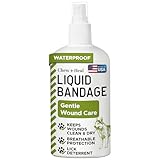
- Protective Barrier: Our pet liquid bandage for dogs creates a breathable shield over cuts, scrapes, and hot spots. The aloe-enriched formula soothes irritated skin while keeping wounds clean and protected
- Easy Spray Application: This dog wound care spray simplifies treatment even on anxious pets. The animal wound spray dries in 30 to 60 seconds, forming a durable seal wound spray that stays in place during activity
- Versatile Wound Solution: Perfect for broken nails, paw injuries, and open wound bandage for dogs, our spray bandage can be applied over traditional wraps, stitches, belly rash, and sensitive areas to promote healing
- Waterproof & Long-Lasting: This liquid bandage waterproof formula keeps injuries dry even during play or bathing, maintaining a secure coverage in wet conditions
- Safe & Lick-Friendly: Our gentle formula helps discourage excessive licking while remaining safe if your pet does lick the treated area, supporting the body's natural healing process without interfering with normal pet behaviors
Can a botfly kill a cat?
A localized skin warble is often treatable, but Cuterebra migration into the airway, eye, brain, or spinal cord can produce life-threatening or permanently damaging disease. The risk cannot be judged reliably from the size of a lump alone; breathing difficulty, seizures, sudden blindness, collapse, or severe neurological change require emergency veterinary assessment.
What should you do if you find a hole or lump on your cat?
- Do not squeeze or puncture it. Avoid trying to remove anything protruding from the opening.
- Observe the cat’s overall condition. Note breathing, vision, balance, alertness, appetite, and any seizures or unusual behavior.
- Call a veterinarian. Describe the location, appearance, discharge, and when the lesion was first noticed.
- Use urgent or emergency care for red flags. Breathing difficulty, seizures, sudden blindness, collapse, severe lethargy, or abnormal mentation should not wait.
- Follow the clinic’s transport instructions. Keep the cat calm and contained, and do not apply unapproved medication or insecticide.
For general planning rather than treatment of an active lesion, pet owners may separately research pet insurance options; coverage, exclusions, eligibility, and reimbursement vary by provider and policy and were not established for this condition. Insurance is not a reason to delay urgent care.
Frequently Asked Questions
What does a Cuterebra warble look like on a cat?
Cuterebra in cats usually causes a localized skin lump or cyst with a central breathing pore, often on the face, neck, or trunk. The condition can be more serious if larvae migrate into the eye, airway, brain, or spinal cord.
Can I remove a botfly from my cat myself?
Do not remove a botfly from a cat yourself. Squeezing, puncturing, crushing, or pulling can rupture the larva and cause a foreign-body reaction or secondary infection; a veterinarian should remove the larva intact.
Recommended Free Tools
Is Cuterebra in cats an emergency?
Cuterebra is an emergency when a cat has breathing difficulty, seizures, sudden blindness, collapse, severe lethargy, head pressing, circling, head tilt, or other sudden neurological changes. A simple skin warble still needs veterinary care but is not automatically life-threatening.
How did my indoor or outdoor cat get a warble?
Cats usually get Cuterebra larvae when they hunt, investigate, or pass near rodent or rabbit burrows and contaminated vegetation. Strictly indoor cats have fewer exposure opportunities, although exposure can occur if an indoor cat escapes or encounters contaminated material.
The Bottom Line
Bottom line: Cuterebra in cats usually appears as a warble—a lump with a breathing pore—after exposure to rodent or rabbit habitat. Do not remove it at home. Arrange veterinary extraction, and seek emergency care immediately for breathing problems, seizures, sudden blindness, collapse, or other neurological changes.
Quick Recap
Product prices and availability are accurate as of the date/time indicated and are subject to change. Any price and availability information displayed on Amazon at the time of purchase will apply.
The Tool Desk
Outbyte PC Repair FREEClear out junk files and repair common Windows errorsFree Scan →Outbyte Driver Updater FREEFix the driver behind crashes, sound loss and screen glitchesFind Drivers →



