Exotic Shorthair cat breed information and characteristics are defined by a Persian-type appearance, short dense plush coat, affectionate temperament, and playful curiosity. The breed is easier to groom than a Persian but not maintenance-free: owners must provide regular combing, eye-area care, weight control, and responsible attention to PKD and brachycephalic health risks.
The Exotic Shorthair is often called a short-haired Persian, although the breed’s coat is dense and stands away from the body rather than lying sleekly against it. The result is a round-faced companion with a softer grooming burden than a long-coated Persian, but with many of the same structural and health considerations.
Key takeaways
- Exotic Shorthairs have the Persian’s round head, large eyes, short face, and cobby body, but a short, dense, plush coat.
- Weekly brushing or combing is a sensible baseline, with more grooming during seasonal shedding and regular attention to the eye area.
- Persian ancestry means responsible owners should take PKD screening, facial structure, breathing comfort, heat tolerance, and weight management seriously.
- Exotic Shorthairs are usually affectionate, quiet, curious, and playful, but individual temperament and careful introductions determine how they fit with children or other pets.
- Published size and lifespan figures vary by source: GCCF lists approximately 7–14 pounds and 12–15 years, while PetMD lists approximately 10–12 pounds, 10–12 inches at the shoulder, and 8–15 years.
What is an Exotic Shorthair cat?
An Exotic Shorthair cat is a short-coated member of the Persian Breed Group with a round head, large round eyes, short broad face, compact muscular body, and affectionate but playful temperament. The breed provides much of the Persian’s appearance with a shorter coat, although regular grooming and Persian-line health considerations still apply.
The International Cat Association’s official breed profile describes the Exotic Shorthair as part of the Persian Breed Group alongside the Persian and Himalayan. The defining distinction is the coat: an Exotic has short, dense, plush hair rather than the Persian’s long, flowing coat.
Quick wins for a faster PC:
Fix the driver behind crashes, sound loss and screen glitchesFind Drivers →Repair Windows errors before they cause bigger problemsFix Now →#1 Best Overall
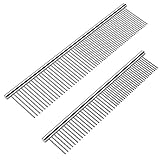
- ✅ FUNCTION -This dematting tool for dogs can removes tangles, mats, loose hair, besides, it’s perfect to promote blood circulation and massage skin.
- ✅ PREMIUM MATERIAL - Made of high quality stainless steel, this comb is durable, corrosion resistant and will not fade, good for avoiding static electricity.
- ✅ COMFORTABLE & SAFE - Rounded pin ends are gentle to the skin. This comb grooms and massages for a healthy coat, prevent snagging and pet injury.
- ✅ WHAT YOU GET- 2 Pack combs for removes both small & large areas tangles, knots. Large comb size: 7.4 x 1.65 IN, small comb size: 6.3 x 1.2 IN.
- ✅ RISK-FREE LIFETIME GUARANTEE - We firmly stand by the lasting quality of our pet grooming tool. If for any reason you're not 100% happy with it, reach out to us to receive a refund or replacement.
The breed originated in the United States during the 1950s, when Persian breeders crossed Persians with American Shorthairs. Other shorthaired lines contributed during the early development period, but later breeding focused primarily on returning to Persian type. The Cat Fanciers’ Association established the breed in 1966, and TICA states that the breed received championship recognition in June 1979.
“The gentle Exotic Shorthair is a Persian in its pajamas.” — The International Cat Association, official Exotic Shorthair breed profile.
What does an Exotic Shorthair look like?
An ideal Exotic Shorthair is heavily boned, well balanced, and built from soft, rounded lines. The breed standard emphasizes the head especially strongly: CFA’s current standard summary assigns 30 points to the head, including eye size and shape and ear shape and placement.
| Feature | Typical Exotic Shorthair characteristic |
|---|---|
| Head | Broad and round, with full cheeks, a full muzzle, strong chin, and short broad nose with a defined stop or break. |
| Eyes | Large, round, and widely set; color depends partly on the coat’s color or pattern division. |
| Ears | Small ears that fit into the rounded outline of the head. |
| Body | Medium to large, muscular, heavily boned, and cobby rather than long and fine. |
| Legs and paws | Short, strong legs and rounded paws. |
| Tail | Short and thick, ending in a rounded tip. |
| Coat | Short, dense, soft, and plush; the coat stands away from the body more than a sleek, close-lying shorthaired coat. |
Exotic Shorthair colors and patterns include solids, tabbies, tortoiseshells, bicolors, smokes, shaded and tipped varieties, and colorpoints. Eye color is associated in part with the relevant color or pattern division. Breed-standard priorities also include body type, coat, balance, refinement, color, and eye color; CFA assigns 20 points each to body type and color, 10 to coat, 10 to eye color, and 5 each to balance and refinement.
What’s actually slowing this PC down?
Pick the symptom - the matching free tool is one click away.
Are Exotic Shorthair cats good pets?
Exotic Shorthairs are generally good pets for people who want a social, gentle companion that can relax with the household but still enjoys play and investigation. TICA describes the breed as affectionate and people-oriented: many follow family members from room to room and settle nearby or on a lap when their person is resting.
The breed is commonly described as quiet, curious, playful, and adaptable. American Shorthair ancestry contributed to a livelier, more inquisitive side than the stereotype of an entirely sedate Persian, while Persian ancestry contributes the calm, companionable character.
Exotic Shorthairs often live successfully with children and other pets when introductions are gradual, supervision is appropriate, and the children or animals involved are respectful. Breed tendencies do not guarantee an individual cat’s behavior. A kitten’s socialization, early environment, past experiences, and personality matter just as much.
Rank #2

- ROUND & GENTLE COMB TEETH: Unlike dematting combs with sharp teeth, this dog grooming comb features round teeth that break up tangles +effectively remove loose hair, dander & dirt trapped beneath fur.
- ERGONOMIC NO-SLIP HANDLE: Finished with a rubbery grip, our grooming comb is safer & easier to use than most groom tools. The non-slip coating prevents slippery accidents to keep you & your pet safe.
- IMPROVES OVERALL PET HEALTH: Designed to gently massage your pet's coat, the anti-scratch teeth on our dog & cat comb naturally support the health of your furry best friend by boosting circulation.
- COMB COMES WITH FREE EBOOK: DIY pet grooming can be a bit tricky if tools are not used correctly, which is why every SP pet hair comb includes a download of our helpful instructional guide.
- RISK-FREE LIFETIME GUARANTEE: We firmly stand by the lasting quality of our pet grooming tool. If for any reason you're not 100% happy with it, reach out to us to receive a refund or replacement.
| An Exotic Shorthair may suit you if you want… | The breed may be a poor fit if you want… |
|---|---|
| A calm but not completely inactive companion | A highly athletic, endurance-oriented cat |
| A social lap cat with a playful side | A cat that is comfortable being isolated for long periods |
| Persian-like looks with a shorter coat | A completely independent, zero-maintenance pet |
| A family cat whose handling needs can be respected | A pet for children who cannot reliably handle animals gently |
Are Exotic Shorthairs high maintenance?
Exotic Shorthairs are lower-maintenance than Persians in coat care, but they are not maintenance-free. The coat is shorter yet unusually dense and plush, so loose hair, undercoat, tangles, eye-area moisture, body weight, and facial structure still require routine attention.
TICA recommends simple combing to remove dead hair and notes that the eyes may need wiping because their large surface can become irritated by dust. PetMD recommends weekly brushing, with more frequent brushing potentially needed during spring shedding. GCCF likewise recommends regular grooming, particularly during spring and summer moulting, when old undercoat can mat or knot.
What grooming routine does an Exotic Shorthair need?
- Comb or brush at least weekly. Increase the frequency if the cat sheds heavily or the dense coat begins to tangle.
- Check friction-prone areas. Examine behind the ears, beneath the legs, around the ruff, and along the belly for knots.
- Clean the eye area when needed. Use a clean, damp, lint-free cloth and wipe gently rather than scrubbing the skin.
- Consider occasional bathing only when useful. GCCF notes that bathing may benefit some cats, but the need depends on the individual coat and hygiene.
- Do not treat symptoms as grooming problems. Persistent discharge, redness, odor, squinting, pain, or discomfort warrants veterinary advice.
For routine coat care, a cat grooming comb or a suitable soft brush can help remove loose hair from the dense coat. Choose a tool your individual cat tolerates; no particular brand or tool is medically required, and a grooming comb should not be confused with a de-matting tool. Do not cut out severe mats without appropriate guidance.
A clean, damp, lint-free cloth is a reasonable first choice for occasional eye-area hygiene. Eye-cleaning cloths or wipes are optional supplies, not treatment for eye disease. Pain, redness, squinting, or abnormal discharge should be assessed by a veterinarian.
Do Exotic Shorthairs have health problems?
Exotic Shorthairs can be healthy cats, but the breed’s Persian ancestry and short-faced conformation create health issues that responsible owners and breeders should understand. No source in this review provides a universally reliable breed-wide disease rate, so a disease percentage should not be assumed.
Crashes, No Sound, or Screen Glitches?
Random freezes, missing sound and display glitches usually trace back to one bad driver. Find and replace yours safely.Free scan · under a minuteWindows Errors? Fix Them Before They Spread
Repair common Windows errors and clear accumulated junk for a smoother, more stable PC - no reinstall needed.Free scan · no reinstall“The Exotic is a healthy breed, but it has to be remembered that they are bred from Persians and, therefore, have been affected by PKD.” — The Governing Council of the Cat Fancy, official breed profile.
What is PKD in Exotic Shorthairs?
Polycystic kidney disease, or PKD, is an inherited condition in which cysts develop in the kidneys and can impair kidney function. VCA’s veterinary reference on feline PKD identifies Persian-derived breeds, including Exotic Shorthairs, among the breeds commonly affected by inherited PKD.
Rank #3
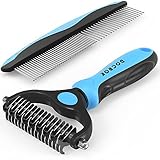
- 【Easy Dematting and Deshedding Tools】: Our Grooming brush and comb combo help effortlessly dematting and reduces shedding. A must have dog brush for shedding, pet supplies, cat supplies, dog supplies metal comb for dogs shedding.
- 【Safe Design】: Soft and protective edge brush and comb creating a comfortable feeling while detangling matted hair and deshedding without hurting your pet. Perfect metal comb for dogs, dematting comb for cats, undercoat rake for dogs double coat.
- 【2-in-1 Rake】: Our undercoat rake is perfect for medium and long-haired dogs and cats and other double coat pets. Wide side for easy dematting, dense side for deshedding. Well made deshedding tool, grooming brush and deshedder brush for dogs.
- 【2-in-1 Comb】: Wide sided for comb knot, smoothing and modeling your pet's hair, dense side for removal of loosen hair, you can use it on the legs, head or tail of your pets where the brush can’t. Perfect metal comb for dogs, dematting comb for cats deshedding tool for dogs.
- 【Sturdy and Comfortable Design】: Premium Stainless steel metal teeth and compact design make our product sturdy and durable. High-quality & lightweight TPR handle make your grooming effortlessly. High-quality undercoat rake for dogs double coat, metal comb for dogs, dematting comb for cats, dog comb for matted hair.
GCCF says breeding Exotics should be DNA tested for PKD and that buyers should obtain clear test certificates for a kitten’s parents. A breeder’s documentation should identify the tested cats and the result; a general verbal assurance is not an adequate substitute for records.
Do Exotic Shorthairs have breathing problems?
Exotic Shorthairs have brachycephalic, or relatively broad and short-skull, anatomy. Short-faced structure can be associated with narrowed nostrils, an elongated soft palate, or an unusually small trachea, which may limit exercise and heat tolerance. Not every Exotic Shorthair develops clinically significant breathing disease, but extreme facial structure can reduce comfort and welfare.
Recommended Free Tools
PetMD identifies open-mouth breathing as an emergency sign requiring immediate veterinary attention. Seek veterinary advice for persistent noisy breathing, poor exercise tolerance, overheating, fainting, or marked breathing effort; do not assume those signs are normal merely because the cat has a flat-looking face.
GCCF cautions that the breed’s short facial structure should not be taken to extremes. When evaluating a kitten, look for comfortably open nostrils, quiet breathing at rest, normal activity, and eyes that appear comfortable rather than choosing solely for the flattest face.
Why do Exotic Shorthairs have watery eyes?
Prominent eyes can water or become irritated, so some Exotic Shorthairs need regular gentle cleaning around the eyes. Watery staining alone does not establish a disease diagnosis, while redness, pain, squinting, sudden change, or abnormal discharge should prompt veterinary evaluation. TICA and PetMD both discuss eye-area hygiene and irritation in their breed-care guidance.
How does weight affect an Exotic Shorthair’s health?
Excess weight can increase breathing risk in a flat-faced cat. Portion-aware feeding, regular play, and monitoring body condition are therefore important; free-feeding should not be automatic. Calorie intake and meal frequency should be adjusted for the cat’s age, activity, body condition, and veterinarian’s advice.
PetMD also discusses congenital hydrocephalus as a rare possible concern in extremely brachycephalic kittens and describes signs that may appear early in life. Hydrocephalus is not a routine diagnosis for every Exotic Shorthair, but the possibility reinforces the importance of responsible breeding and prompt veterinary assessment of abnormal signs.
Rank #4

- 【3PCS Pet Grooming Kit】Dog Deshedding Brush that makes professional pet groomers recommend is made of premium stainless steel metal and soft TPR rubber material, safe, comfortable and durable. Not only can it effectively de-fur and de-tangle, but also relieve your pet's skin problems and make your pet's coat shiny and healthy
- 【Undercoat Rake】Our undercoat rake is perfect for de-shedding and de-matting medium to long-haired pets. Featuring a double-sided design, the 9-tooth side can be used for stubborn mats, tangles and knots, while the 17-tooth side can be used to thin and remove loose hair from dogs and cats
- 【2-in-1 Comb】Wide side for knotting, smoothing and modeling, and a dense side for removing loose hair, you can use it to comb your pet's legs, head or tail where other brushes can't. The non-slip handle of the dog hair remover is ergonomic and reduces the burden on your hands when combing
- 【Flea Comb】Use this fine-toothed lice comb regularly to effectively remove small debris and dandruff, help keep away fleas and ticks, and maintain your pet’s coat tidy and healthy
- 【A Promise for You】Our dog supplies is designed to give you a practical and durable product, and is dedicated to bringing happiness to you and your furry friends. 2 Years Warranty, we mean it! If you have any problem, please feel free to contact us and we will surely make it right for you
What health tests should an Exotic Shorthair breeder provide?
A responsible Exotic Shorthair breeder should provide verifiable health information, especially PKD testing for breeding parents, and should explain any applicable PRA(pd) screening. Health testing does not guarantee that a kitten will never become ill, but it can reduce avoidable inherited-risk decisions and makes the breeder’s practices easier to evaluate.
- Registration and pedigree information.
- PKD test documentation for the kitten’s breeding parents.
- Information about PRA(pd) screening where applicable.
- Veterinary records, vaccination history, and identification details.
- Evidence that the breeder evaluates nostril openness, breathing, eye comfort, facial structure, and overall health rather than selecting extreme facial type only for appearance.
- A written contract and clear return policy.
- Details about socialization, how the kitten is raised, and the temperament observed by the breeder.
GCCF’s Exotic breeding policy is useful when assessing expectations around facial type and health. TICA offers a breeder-listing pathway, but directory inclusion is not proof of ethical breeding, appropriate living conditions, complete testing, or a satisfactory contract. Independently inspect records and ask direct questions.
What is the difference between an Exotic Shorthair and a Persian?
The main practical difference between an Exotic Shorthair and a Persian is coat length and grooming workload, not the overall look. Both breeds share a Persian-type round head, large eyes, short face, cobby body, and broadly calm, affectionate temperament.
Free tools Windows power users keep installed
One-click scans. No signup required.
| Comparison | Exotic Shorthair | Persian |
|---|---|---|
| Coat | Short, dense, and plush | Long and flowing |
| Coat workload | Regular brushing or combing; seasonal shedding can increase work | Generally more intensive grooming because long hair mats more readily |
| Body and face | Persian-type round head, eyes, cobby body, and short face | Similar Persian-type structure |
| Temperament | Typically gentle, quiet, affectionate, curious, and playful | Broadly calm and affectionate, with individual variation |
| Main care warning | Dense undercoat, eye hygiene, weight, breathing, and brachycephalic conformation | Long-coat maintenance plus related Persian-line health considerations |
The Cat Fanciers’ Association summarizes the appeal as: “The Exotic possesses every characteristic that makes a Persian so appealing—minus the longer-coat challenge!” The shorter coat makes care easier relative to a Persian, not effortless.
Independent reader supportYour contribution helps us test, update, and keep practical guides available for everyone.How big do Exotic Shorthairs get, and how long do they live?
Published Exotic Shorthair size and lifespan ranges differ by source and methodology, so the figures below are approximate descriptions rather than promises for an individual cat.
| Source and date | Published figures | How to interpret them |
|---|---|---|
| GCCF breed profile | Approximately 7–14 pounds; approximately 12–15 years | A general breed-profile range. |
| PetMD, February 6, 2024 | Approximately 10–12 pounds; 10–12 inches at the shoulder; approximately 8–15 years | A veterinary-reviewed general size and lifespan description. |
The differences do not establish that one source is universally correct. Sex, body frame, age, nutrition, health, and measurement method all affect an individual cat’s weight and size. Body condition and overall health matter more than matching a number exactly.
How much does an Exotic Shorthair kitten cost?
No reliable, current, universal Exotic Shorthair kitten price is provided in the sources reviewed for this article. Purchase costs vary by country, breeder, pedigree, registration, age, color or pattern, health testing, and whether the cat is being sold as a companion or for breeding, so a single price figure would be misleading.
The Tool Desk
Outbyte PC Repair FREERepair Windows errors before they cause bigger problemsFix Now →Outbyte Driver Updater FREEFix the driver behind crashes, sound loss and screen glitchesFind Drivers →Best Value

- GENTLE DETANGLING & MAT REMOVAL – Rounded stainless steel teeth glide smoothly through mats and tangles without pulling fur, ideal for long-haired breeds like Persians and Maine Coons. Safe for sensitive skin and daily grooming use.
- ANTI-STATIC & EASY TO CLEAN – Metal comb minimizes static electricity, keeping fur smooth and manageable. Simply rinse under water for quick cleaning, no residue or rust thanks to corrosion-resistant stainless steel construction.
- DURABLE & COMFORTABLE DESIGN – Lightweight yet sturdy 6-inch comb fits comfortably in hand. Polished rounded tips ensure a pleasant grooming experience for both pets and owners, reducing grooming stress.
- SUITABLE FOR MULTIPLE PET TYPES – Effective on long-haired cats, short-haired cats, dogs, rabbits, and small pets. An essential tool for pet owners seeking to manage shedding, prevent knots, and maintain a healthy coat.
- PROFESSIONAL GROOMING RESULTS AT HOME – Captures loose fur efficiently, reducing shedding around the house. Promotes healthier skin and coat by distributing natural oils and stimulating blood circulation during brushing.
When comparing offers, evaluate the total package rather than choosing the lowest advertised amount: ask for parent health-test records, veterinary care and vaccination details, identification, registration and pedigree information, socialization history, a written contract, and a return policy. Ongoing costs include routine veterinary care, food, grooming supplies, and possible treatment for illness or accidents. Pet insurance may be worth researching as a financial-planning option, but coverage for hereditary or pre-existing conditions varies and no particular provider has been verified here.
How should you decide whether an Exotic Shorthair is right for you?
An Exotic Shorthair is a strong match for a household that wants an affectionate indoor companion, can provide regular coat and eye-area care, and will monitor weight, heat tolerance, and breathing. The breed is a weaker match for someone seeking a no-grooming cat, a highly athletic cat, or a pet that can be left alone for long periods without companionship.
- Choose thoughtfully if you want Persian looks with less coat work. The coat is easier than a Persian’s long coat but still dense enough to require regular care.
- Plan for daily welfare, not just appearance. Comfortable breathing, open nostrils, eye comfort, healthy weight, and moderate activity are more important than an exaggeratedly flat face.
- Expect companionship. Many Exotics prefer staying near their people and may not thrive with prolonged isolation.
- Prepare for routine health oversight. Ask about PKD and applicable PRA(pd) screening, maintain veterinary care, and respond promptly to breathing or eye symptoms.
- Introduce family members carefully. Children and dogs should be calm and supervised, and the cat should have safe places to retreat.
Exotic Shorthair breed history and popularity
CFA established the Exotic Shorthair as a breed in 1966 after its development from Persian and shorthaired crosses in the United States. TICA records championship recognition beginning in June 1979. These dates describe formal breed recognition milestones, not the age of the breed’s underlying Persian ancestry.
GCCF reported 175 Exotic registrations in the United Kingdom in 2024, compared with 223 in 2023, in its 2023–2024 registered-cats statistics. Those figures are UK-specific registrations and should not be treated as worldwide popularity figures.
Do these 3 things before closing this tab:
1Clear out junk files and repair common Windows errors2Fix the driver behind crashes, sound loss and screen glitches3Repair Windows errors before they cause bigger problemsFrequently Asked Questions
Are Exotic Shorthair cats low maintenance?
Exotic Shorthairs are not maintenance-free. Most need at least weekly brushing or combing, more grooming during seasonal shedding, occasional eye-area cleaning, weight monitoring, and routine veterinary care.
Are Exotic Shorthairs good with children and dogs?
Yes, many Exotic Shorthairs can live well with children and dogs when introductions are gradual, interactions are supervised, and children and dogs handle the cat respectfully. Individual temperament varies.
What health tests should an Exotic Shorthair breeder provide?
Responsible breeders should provide PKD test documentation for breeding parents, information about applicable PRA(pd) screening, veterinary records, and evidence that they evaluate breathing, nostril openness, eye comfort, and facial structure rather than selecting extreme features alone.
Do Exotic Shorthairs have breathing problems?
Open-mouth breathing is an emergency sign in an Exotic Shorthair and requires immediate veterinary attention. Persistent noisy breathing, heat intolerance, poor exercise tolerance, or marked breathing effort also warrants prompt veterinary advice.
The Bottom Line
The Exotic Shorthair is a social, affectionate, round-faced companion that offers much of the Persian look with a shorter coat. The real tradeoff is manageable regular grooming plus attention to eye hygiene, body weight, heat and breathing tolerance, responsible facial conformation, and inherited PKD screening—not a maintenance-free pet.
Quick Recap
Product prices and availability are accurate as of the date/time indicated and are subject to change. Any price and availability information displayed on Amazon at the time of purchase will apply.




