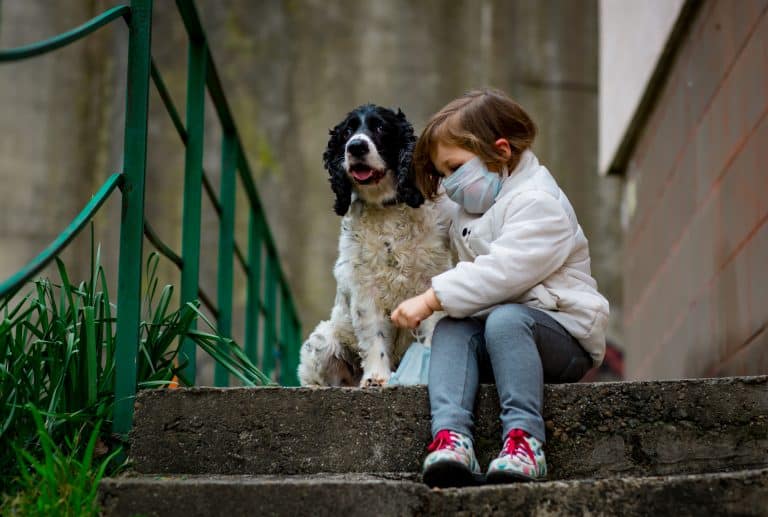
Dog behavior only makes sense in context. A wagging tail can signal excitement rather than friendliness, while barking, licking, chewing, or growling may reflect fear, play, pain, frustration, learning, or ordinary canine needs. Read the dog’s whole body, identify the trigger, and respond in a way that improves safety rather than punishing a warning.
How to read a dog’s behavior
Interpret posture, ears, eyes, mouth, tail, movement, the immediate trigger, the dog’s history, and whether signals are intensifying. One gesture is rarely decisive. Harmony Diers, a veterinary technician and project manager for the Dog Aging Project at Texas A&M University, said that understanding basic body language gives people insight into what dogs are experiencing.


Watch what happens immediately before and after a behavior. A dog that barks when a stranger approaches the house has a different problem from one that barks to start a game or obtain attention. Also note recovery: a dog that quickly relaxes after a stimulus differs from one that stays tense, hides, or continues scanning.
Body-language guide
| State | Common whole-body pattern | What to do |
|---|---|---|
| Relaxed or comfortable | Loose, wiggly posture; normally distributed weight; soft eyes; natural ears; relaxed mouth or easy panting; broad, free tail movement. A play bow often invites interaction. | Continue calmly and let the dog choose whether to engage. |
| Alert or aroused | Ears oriented toward a stimulus, focused eyes, closed mouth, tail extended or higher, and a ready stance. | Identify the trigger. Alertness is not automatically aggression; check whether the body remains loose or becomes stiff. |
| Worried, fearful, or appeasing | Low or tucked tail, ears back, crouching, weight shifted away, turning aside, avoidance, whale eye (white showing around the iris), lip licking, yawning, tight mouth, unexplained panting, paw lift, or a slow tight wag. | Stop pressing the dog, increase space, and avoid forced handling or eye contact. |
| Escalating and potentially dangerous | Stiff posture, hard focus, raised hackles, snarling, growling, snapping, or lunging. A high-arousal dog may still wag its tail. | Create distance, keep people and animals out of reach, and use professional help rather than testing the dog. |
Does a wagging tail mean a dog is happy?
No. Wagging shows emotional arousal, not a guaranteed positive emotion. Consider speed, width, height, stiffness, and the rest of the body. A broad, loose wag with a wiggly body commonly accompanies comfort. A high, stiff or narrow wag paired with hard eyes and a rigid posture can occur during conflict or threat. A low, tight wag may accompany worry or appeasement. Never approach an unfamiliar or tense dog solely because its tail is moving.
Free tools Windows power users keep installed
One-click scans. No signup required.
#1 Best Overall
Why dogs bark
Veterinary behavior guidance from UC Davis identifies several common functions:
- Fear or anxiety: the dog tries to increase distance from a person, dog, object, or sound.
- Territorial defense: barking occurs at a boundary such as a window, yard, car, or doorway.
- Learned attention seeking: barking has previously produced food, play, access, or human interaction.
- Social facilitation: one dog’s vocalization prompts another to join in.
- Play: the dog’s body stays loose and the bark occurs in an inviting interaction.
Record the trigger, distance, body posture, and what follows the bark. Manage the environment so the dog cannot rehearse the pattern, then reinforce a compatible alternative such as looking at you or settling quietly after a manageable trigger. Punishing barking without identifying its function can increase fear or suppress warning signals without changing the underlying emotion.
Why dogs whine
Whining may request attention or access, express anxiety or frustration, or signal pain and another unmet need. Context matters: a dog whining at a closed door differs from one whining while unable to settle, move, or be touched. Sudden, persistent, or nighttime whining—especially with limping, appetite changes, restlessness, or other behavior changes—warrants a veterinary examination. Avoid automatically rewarding demand whining; teach and reinforce a quiet, appropriate way to request what the dog needs.
Rank #2
- Used Book in Good Condition
Why dogs howl
Howling can be social communication, a response to sirens or other sounds, attention seeking, or distress when alone. Note the sound that precedes it, whether it happens only during separation, and whether pacing, destruction, escape attempts, or panic occur. A pattern linked to being alone may indicate separation-related distress and needs a gradual plan rather than punishment.
Windows Errors? Fix Them Before They Spread
Repair common Windows errors and clear accumulated junk for a smoother, more stable PC - no reinstall needed.Free scan · no reinstallCrashes, No Sound, or Screen Glitches?
Random freezes, missing sound and display glitches usually trace back to one bad driver. Find and replace yours safely.Free scan · under a minuteWhy dogs chew, steal, or dig
Chewing and stealing objects
Merck describes exploratory chewing and object stealing as normal behaviors that become problems when dogs lack suitable engagement, supervision, or access to safe items. Provide legal chew options, rotate enrichment, supervise access to tempting objects, and reinforce returning or choosing an approved item. Do not chase or forcibly grab a stolen object; trade for a high-value safe item to reduce conflict. Swallowing objects, repeated damage, or a sudden increase in chewing should prompt veterinary advice.
Digging
Dogs dig to explore, follow scents, cool themselves, play, or escape. Identify the location and trigger: digging along a fence differs from digging in a cool resting spot. Block unsafe areas, improve shade and exercise, and offer a designated digging area where the behavior can be rewarded. Escape digging requires immediate containment and supervision.
Rank #3

- training field calm aggressive behavior
Why dogs lick, yawn, or lick their lips
Ordinary grooming or food anticipation can cause licking. In a tense interaction, however, lip licking, yawning, and other displacement behaviors commonly signal stress or appeasement. Pause the interaction and give the dog room instead of insisting on a greeting or command. Repeated licking of one body area, hair loss, sores, or self-mutilation can reflect allergy, infection, parasites, neuropathy, autoimmune disease, or pain and requires veterinary investigation.
Why dogs mouth or play-bite
Mouthing is common in puppies and can occur during adult play, but an adult mouth can injure. End rough contact calmly, redirect to a toy or chew, and reward gentle interaction. Avoid games that encourage hands, clothing, or chasing skin. Bites that break skin, become harder or more frequent, occur outside play, or are accompanied by stiffness or guarding need immediate safety management and qualified behavior help.
Recommended Free Tools
What growling means
Growling is communication that a dog is uncomfortable, guarding something, fearful, or highly aroused. It is valuable warning information, not misbehavior to punish. Stop the interaction, increase distance, and prevent access to the trigger. Punishing the growl can remove the warning while leaving the underlying risk. Snapping, lunging, repeated incidents, or any bite calls for a veterinarian and a qualified behavior professional.
Independent reader supportYour contribution helps us test, update, and keep practical guides available for everyone.Resource guarding
Guarding may begin with a freeze, stiffening, hovering over an item, or a hard stare and progress to growling or biting. Do not forcibly take food, toys, resting places, or stolen objects. Keep children and other animals away during management, trade rather than grab, and obtain professional guidance when guarding is intense, spreading to more items, or escalating.
Separation-related destruction and disruption
Destruction, vocalizing, house-soiling, pacing, escape attempts, or panic that occur primarily when a dog is alone can indicate separation anxiety. The goal is a structured plan that keeps absences below the dog’s panic threshold while teaching calm independence. A veterinarian can assess medical contributors and discuss treatment; a qualified behavior professional can design and measure the gradual program. Punishment after returning home does not address the distress and can worsen future departures.
What to do when behavior worries you
- Stop and identify the immediate trigger. Note what happened just before the behavior.
- Read the whole body. Check posture, eyes, ears, mouth, tail, movement, and whether signals are escalating.
- Create space. Stop handling a fearful, stiff, or escalating dog; use doors, gates, leashes, or other barriers safely.
- Prevent rehearsal and hazards. Remove access to people, animals, escape routes, toxic items, and objects the dog may swallow.
- Reinforce a safe alternative. Reward orienting to the owner, moving away, trading an object, resting, or remaining quiet.
- Keep a brief log. Record trigger, behavior, body signals, duration, distance, consequences, and recovery time.
- Get the right help. Contact a veterinarian for sudden changes, pain signs, compulsions, self-injury, or possible illness; seek qualified behavior help for aggression, bites, severe fear, or persistent separation distress.
When behavior is a medical problem
Arrange veterinary care for abrupt changes in vocalizing, activity, appetite, sleep, house habits, handling tolerance, or self-care; unexplained panting or whining; repetitive behavior; self-injury; or any concern about pain. Medical conditions can alter behavior, and training alone cannot diagnose or treat them. Bring your behavior log and video recorded from a safe distance when possible.
Choosing behavior support
Evaluate help by the suspected function of the behavior, immediate safety risk, need for medical examination, use of reward-based methods, relevant qualifications, referral links to veterinary care, ability to work in the dog’s real environment, and how progress will be measured. A credible plan defines manageable steps and safety procedures rather than promising a guaranteed cure. For aggression or bite risk, ask your veterinarian about referral to a veterinary behaviorist or another appropriately qualified professional.
Quick Recap
Product prices and availability are accurate as of the date/time indicated and are subject to change. Any price and availability information displayed on Amazon at the time of purchase will apply.