Quick wins for a faster PC:
Scan for outdated or missing drivers - takes under a minuteDriver Scan →Repair Windows errors before they cause bigger problemsFix Now →Fix the driver behind crashes, sound loss and screen glitchesFind Drivers →Yes—freshwater gar flesh is edible, and alligator gar is described by Texas Parks and Wildlife as white, firm, and mild tasting. Whether a particular gar is a good meal depends on more than taste: never eat gar eggs, check the advisory for the waterbody where the fish was caught, and confirm local harvest rules before keeping one.
What does gar taste like?
Texas Parks and Wildlife describes alligator gar flesh as “white and firm with a mild taste,” comparable to the flesh of many sport fish people eat. That gives a useful sense of its texture and flavor without implying that every species tastes the same.

Enjoyment is subjective. Florida Fish and Wildlife says alligator gar is edible but “not highly desired by most people.” There is no established survey showing how many people like it, nor a controlled taste ranking across gar species.
Which freshwater gar are edible?
“Gar” refers to a family of seven species: alligator, Cuban, Florida, longnose, shortnose, spotted, and tropical gar, according to the California Department of Fish and Wildlife. The detailed eating-quality description available here applies to alligator gar; it should not be treated as a taste assessment of every species.
#1 Best Overall

- Live Fish: Ornamental aquatic specimen featuring compact build with distinctive brain-like pearl markings and vibrant red coloration throughout the body
- Breeding Quality Male: Suitable for breeding purposes with pearl-like markings extending across the head and strong genetic characteristics from stable lineage
- Distinctive Coloration: Features prominent red meat coloration and large pearl-like markings that create an eye-catching appearance in any aquarium setting
- Stable Lineage Selection: Carefully selected from established breeding lines known for distinctive coloration patterns and reliable adaptability in controlled aquatic environments
- Aquarium Hobbyist Specimen: Designed for experienced aquarium enthusiasts seeking ornamental fish with unique physical characteristics and proven environmental adaptability
Identify the fish before deciding whether to keep it. Species identification matters because rules can differ, and the eating information for alligator gar does not establish the quality or safety of every gar species.
Never eat gar eggs or roe
Gar eggs are toxic to humans and other mammals. The U.S. Fish and Wildlife Service warns, “Humans: don’t eat gar eggs. You’re going to get violently ill,” in its 2021 All About Alligator Gar feature. California and Florida wildlife agencies also describe gar eggs or roe as poisonous or toxic.
Rank #2

- Live Fish: Ornamental aquatic specimen featuring compact build with distinctive brain-like pearl markings and vibrant red coloration throughout the body
- Breeding Quality Male: Suitable for breeding purposes with pearl-like markings extending across the head and strong genetic characteristics from stable lineage
- Distinctive Coloration: Features prominent red meat coloration and large pearl-like markings that create an eye-catching appearance in any aquarium setting
- Stable Lineage Selection: Carefully selected from established breeding lines known for distinctive coloration patterns and reliable adaptability in controlled aquatic environments
- Aquarium Hobbyist Specimen: Designed for experienced aquarium enthusiasts seeking ornamental fish with unique physical characteristics and proven environmental adaptability
Discard roe rather than treating it as food, and keep it separate from edible fillets to avoid cross-contamination.
Check contamination advisories for the exact waterbody
Wild-caught fish can accumulate contaminants from the water where they live, so “gar is edible” does not mean every fish from every river or lake is safe to eat. Texas Parks and Wildlife explains that the Texas Department of State Health Services issues fish-consumption advisories and bans. A Texas DSHS assessment for the Trinity River reports that consuming fish, including alligator gar, containing multiple contaminants increases the likelihood of systemic health risks.
Rank #3

- Bright Cardinal Tetra Live Fish: Add vibrant blue and red color to your freshwater aquarium with Cardinal Tetras, a classic tropical schooling fish loved for planted and community tanks
- Peaceful Community Aquarium Fish: Cardinal Tetras are calm, active swimmers that pair well with other small peaceful species in properly maintained freshwater aquariums
- Compatible with Community Tanks: Suitable for peaceful freshwater setups with other small, non-aggressive fish such as rasboras, small tetras, corydoras, and other gentle tank mates
- Enhances Planted Aquariums: Cardinal Tetras stand out beautifully against green plants, driftwood, and dark substrate, making them a favorite for aquascaped tanks
- Arrival Care: Fish are carefully selected and packed for safe delivery. Acclimate slowly upon arrival and place into a stable, cycled freshwater aquarium
Before eating a catch, identify the specific river, lake, or other waterbody and check the current advisory from the relevant state health or wildlife agency. Follow any restrictions on whether to eat the fish, how often, and which people should avoid it. An advisory for one waterbody should not be assumed to apply—or not apply—to another.
Independent reader supportYour contribution helps us test, update, and keep practical guides available for everyone.Confirm the harvest and possession rules where you fish
Gar regulations vary by state, waterbody, and species. For example, Florida requires a special permit to take or possess alligator gar; Texas publishes species-specific management and regulation information. Neither example is a rule for other states.
Check the current regulations for your location before keeping a fish, including any permit, size or harvest limit, or release requirement. Start with the state wildlife agency and look for rules specific to the waterbody and gar species.
Quick Recap
Best Value
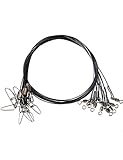
- Saltwater Fishing Leader Wire: Heavy duty fishing leader wire can support a lot of weights (up to 125lb tested), holding up bottom big fishes in deep sea, especially toothy fishes like pike, catfish, dogfish, trout, salmon etc.
- Good Steel Leader Wire: Withstand pulling force when fish been caught, resulting in fewer break-offs. Commonly use in saltwater and freshwater.
- Sturdy and Strong: Crafted by nylon-wrapped 7 strands steel wire braided, it features particularly bite resistance, stays well in heavy weeds, rocks and fish battles without being cut with any teeth.
- High Strength Swivel&Snap: Each fitted with a 0.83in flexible rolling swivel on one end, making greater presentations of the lure, while 1.2in snap clip on the opposite end that tightly holds your hook or lure and offers more convenience for lure changing.
- What You Get: 20Pcs saltwater fishing leader wire, lengths in 19.7in with 1mm diameter, all packed together with a twist tie.
Product prices and availability are accurate as of the date/time indicated and are subject to change. Any price and availability information displayed on Amazon at the time of purchase will apply.
Free tools Windows power users keep installed
One-click scans. No signup required.




