Do these 3 things before closing this tab:
1Fix the driver behind crashes, sound loss and screen glitches2Repair Windows errors before they cause bigger problems3Scan for outdated or missing drivers - takes under a minuteBetta fish should not be fed vegetables as a staple. Bettas are carnivores that naturally eat insects and insect larvae, and veterinary guidance says plants are not a food source for them. Use a balanced, betta-formulated pellet or flake as the daily diet. The sources reviewed do not establish any particular vegetable—including peas—as a proven safe treat or constipation remedy.
Why vegetables are not a betta food source
The University of Illinois College of Veterinary Medicine identifies bettas as carnivores. Krista Keller, a veterinarian and board-certified zoological medicine specialist, warns that claims that bettas can live by nibbling plant roots are false. Aquarium plants can provide places to hide and explore, but they do not supply the diet a betta needs.
This does not mean every plant-derived ingredient in a manufactured fish food is harmful. It means that offering pieces of vegetables as food has not been established as appropriate nutrition for bettas.
What to feed a betta instead
Everyday staple
Choose a balanced pellet or flake food formulated specifically for bettas. Follow the product label, observe how your individual fish eats, and avoid allowing food to remain in the tank.
#1 Best Overall

- BETTA FORMULATION: Nutritionally balanced diet is an ideal daily staple food for your Siamese fighting fish (betta splendens) and other top-water feeding tropical fish.
- FOR DAILY FEEDING: Premium diet high in protein and omega-3 fatty acids for energy and growth.
- COLOR ENHANCING: Includes natural color enhancers to promote the development of rich, beautiful coloration in your betta fish.
- FLOATING CRISPS: Blend of tiny, colorful floating crisps for top-water feeders.
- CLEAR WATER: Advanced clear water formula helps maintain water clarity.
Occasional high-protein treats
University of Illinois guidance names bloodworms and brine shrimp, offered live or freeze-dried, as high-protein treats. Treats should remain occasional and moderate rather than replacing the formulated staple.
| Food category | Role in the diet | What the cited guidance establishes |
|---|---|---|
| Betta-formulated pellets or flakes | Daily staple | Supported as balanced everyday food |
| Bloodworms or brine shrimp | Moderate treats | Recommended as high-protein treats, live or freeze-dried |
| Fresh vegetables | Not an established staple or treat | No named vegetable, portion, or preparation is validated in the cited sources |
Can bettas eat peas for constipation?
Peas are often suggested in general fish-care discussions, but the authoritative betta-care guidance reviewed here does not endorse peas as a constipation treatment. Do not assume advice intended for another fish species applies to bettas.
Rank #2
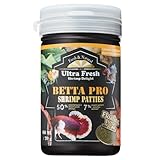
- High Palatability : Sword Prawn Flavor - A blend of wild sword prawns, akiami paste shrimp, vegetables and seaweed. A perfect 8:2 meat/vegetable protein ratio even the pickiest betta can’t resist
- Superior Quality Ingredient : All natural protein from fresh meat, vegetables and seaweed. No additives, no artificial flavors or coloring, no byproducts and other harmful ingredients. Made from carefully selected ingredients like Sword prawns, akiami paste shrimps organic spinach, fresh squid, fresh-pick garlic, natural spirulina and seaweed
- Healthy Growth Formula : Rich in calcium and vitamins. It's not only tasty but also keeps fishes healthy! Jam-packed with a variety of vitamins (A, C, D3, E, B1, B2, B6, B12) great for betta’s growth, keeping color vibrance and boost immunity
- Easy to Intake & Digest : 1.5mm Granule, the right granule size for adult betta fishes to consume, safer and easier to digest. *Feed 1-3 times per day, no more than your fish can consume within 3 minutes
- 3 Million CFUs/g Probiotics : 3 million CFUs/g probiotics are within the food to help dissolve fish excrements, residuals and keeps water clean. Probiotics also increase the feed conversion rate, improve betta’s immune system and gut health
If your betta is bloated, stops eating, appears constipated, or shows another unusual symptom, consult a qualified aquatic veterinarian. The available guidance does not provide a vegetable-based treatment protocol, so prescribing a pea or another vegetable could delay appropriate care.
How to feed without harming water quality
- Offer betta-formulated food. Start with the label’s directions and adjust to your fish’s response.
- Watch the feeding period. University of Illinois guidance suggests giving only what the fish can eat within 3 to 5 minutes.
- Remove leftovers. Uneaten food sinks and can worsen water quality.
- Keep treats limited. Bloodworms or brine shrimp can supplement the diet but should not displace the balanced staple.
- Monitor the fish and tank. Measure tank temperature as part of routine care and seek veterinary advice for persistent appetite or health changes.
How to choose a betta food
- Look for food explicitly formulated for bettas.
- Use the label’s feeding instructions and pellet-size guidance.
- Prefer a product described as a balanced staple rather than a treat-only food.
- Choose a package you can use while keeping portions small and leftovers out of the aquarium.
The cited sources do not establish a superior brand or an experimentally proven formula, so brand rankings would go beyond the available evidence.
Rank #3
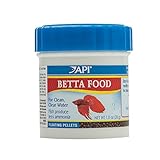
- Contains one (1) API BETTA FOOD Fish Food Pellet .78-Ounce Container
- Contains key nutrients that enhance the vibrant color and overall health of betta fish.
- Floating pellets are easily digested for maximum absorption.
- Bettas release up to 30% less toxic ammonia, resulting in cleaner, clearer water.
- Feed twice a day, only the amount your bettas will consume in two minutes.
What aquarium plants are—and are not—for
Live or artificial plants can enrich the environment by providing cover and opportunities for exploration. Their presence should not be interpreted as permission to feed the leaves, roots, or other parts to a betta. Keep the plant’s role environmental, and meet nutritional needs with appropriate fish food.
Independent reader supportYour contribution helps us test, update, and keep practical guides available for everyone.Bottom line for betta owners
Do not make vegetables part of a betta’s regular diet. Feed a balanced betta-formulated pellet or flake, use high-protein treats sparingly, remove uneaten food, and obtain aquatic-veterinary advice instead of trying peas or another vegetable for constipation or illness.
Quick Recap
Best Value

- Betta fish food that contains up to 40%, nutrient-rich Black Soldier Fly Larvae, the first ingredient
- High in multiple proteins like whole salmon – rich in Omega 3 and 6 for healthy skin, scales and fins
- Fortified with essential vitamins, amino acids and minerals for a balanced daily diet
- Slow sinking micro granule format (0.25-1.0mm) – all fish can feed at their preferred depth; feed as much as fish can eat in two minutes, two or three times daily
- Sustainably processed in small batches for quality control and maximum freshness
Rank #4

- Scientifically Developed Diet For All Types Of Bettas
- Optimally Balanced Nutrition Bettas Require
- Contains Ingredients Uniquely Beneficial To Bettas
- Color Enhancing Diet
- Perfectly Sized Pellet
Product prices and availability are accurate as of the date/time indicated and are subject to change. Any price and availability information displayed on Amazon at the time of purchase will apply.




