Recommended Free Tools
Frayed, discolored, or receding fins can signal a problem in a clownfish, but they do not prove the fish has fin rot or reveal its cause. Check the aquarium’s water quality and recent stressors, monitor the fish’s behavior and appetite, and contact an aquatic veterinarian if its condition is worsening or other illness signs appear. Avoid starting antibiotics or bath treatments on guesswork: the right approach depends on diagnosis and whether a treatment is safe for a marine aquarium.
What fin changes can tell you
Fin edges that look ragged, frayed, discolored, or as though they are receding deserve attention. Redness near the fin base may also be a warning sign. These appearances are not a diagnosis: damage can have more than one cause, and a visual description cannot confirm a bacterial infection or identify a pathogen. PetMD advises contacting a veterinarian for receding fin edges, with or without discoloration; Petco likewise lists fraying or disintegration and redness at the fin base as possible signs in its clownfish care sheet. PetMD’s fin-rot guidance and Petco’s clownfish care sheet are useful warning-sign references, not a way to diagnose an individual fish.
Look at the whole fish
Note whether the clownfish is eating and swimming normally, and whether the fin changes are progressing. Other warning signs include lethargy or abnormal swimming, reduced appetite lasting more than a day, rubbing against objects, rapid breathing, altered gill color, lumps, or white growths or spots. These signs warrant veterinary advice; none by itself proves fin rot. PetMD
Why clownfish fins may fray
Poor water quality and other stressful conditions can predispose aquarium fish to bacterial outbreaks. Merck lists organic loading, handling or transport, marked temperature changes, low oxygen, and other stressors among relevant factors. Injury and other diseases can also be considerations, so do not assume that every ragged fin is bacterial fin rot. Confirming a bacterial cause involves isolating an organism from infected tissue and identifying it, rather than relying on appearance alone. Merck Veterinary Manual: Bacterial Diseases of Fish
#1 Best Overall
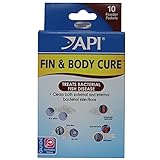
- Contains one (1) API FIN and BODY CURE Freshwater Fish Powder Medication 10-Count Box
- Treats body slime, eye cloud, fin and tail rot, open red sores, gill disease, and hemorrhagic septicemia
- Causes slight discoloration of water that can be fixed by adding activated charcoal
- Use only in freshwater aquariums
- Use daily for four days when symptoms of bacterial diseases appear
The available veterinary guidance does not establish one clownfish-specific cause or a universal medication course for fin damage. An aquatic veterinarian can assess whether infection, injury, parasites, or another problem is involved. Merck Veterinary Manual
Check the aquarium before choosing treatment
Water assessment is a practical first step because environmental problems can affect fish health. Use a test kit labeled for saltwater that covers relevant parameters, including ammonia, nitrite, nitrate, pH, and specific gravity. Merck’s saltwater and brackish maintenance guidance also includes total alkalinity among routine checks. A marine aquarium water test kit can help identify a water-quality issue; it cannot diagnose fin rot. Merck Veterinary Manual: Environmental Diseases of Aquarium Fish and Merck Veterinary Manual: Aquarium Fish Maintenance
Rank #2
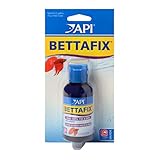
- Contains one (1) API BETTAFIX Antibacterial & Antifungal Betta Fish Infection and Fungus Remedy 1.7-Ounce Bottle
- Heals bacterial infections, repairing damaged fins, ulcers, and open wounds and promotes regrowth of fins
- Treats newly introduced fish to reduce risk of disease outbreak and heal wounds and tissue damage
- Contains healing melaleuca, a variety of tea tree
- Use daily for a week when treating infections and for three days as a preventive when adding new fish
- Test ammonia, nitrite, nitrate, and pH; check specific gravity with a method suitable for marine water.
- Compare readings with the needs and established conditions of your aquarium, and note any recent maintenance, transport, handling, temperature change, or other disruption.
- If ammonia or nitrite is detectable, monitor more frequently and address the cause. Base water changes and other corrections on measured readings and the system’s water chemistry rather than making a large, abrupt change without considering its effects. Merck Veterinary Manual
How to respond safely
Correct identified husbandry problems
Address any water-quality or environmental issue indicated by the tests, and avoid adding new stressors while you monitor the fish. Merck describes ornamental-fish care as environmental management followed by targeted treatment for a specific pathogen when indicated. Merck Veterinary Manual: Aquarium Fish Management
Get veterinary guidance when symptoms progress
Contact an aquatic veterinarian if the fin damage is worsening, the fish has additional illness signs, or you are unsure what the readings mean. A veterinarian can assess the fish and advise whether further diagnostic testing or treatment is appropriate. Do not wait for a particular fin appearance to become definitive: appearance alone cannot establish the cause. PetMD and Merck Veterinary Manual
PC Slower Than It Used to Be?
A free scan shows the junk files, broken settings and background clutter dragging Windows down - then fixes them in one click.Free scan · Windows 10 & 11Crashes, No Sound, or Screen Glitches?
Random freezes, missing sound and display glitches usually trace back to one bad driver. Find and replace yours safely.Free scan · under a minuteRank #3

- For use in freshwater or marine aquaria.
- Easily absorbed through both skin and gills; ingestion not required.
- Does not adversely affect the filter bed and is easily removed with carbon.
- Safely and effectively treats several fungal, and bacterial fish diseases (dropsy, popeye, fin/tail rot, septicemia).
- When used in a medicated food mix, it is excellent for treating bacterial infections in tanks that contain invertebrates.
Do not medicate by guesswork
Merck strongly discourages prophylactic medication without diagnostic testing because unnecessary treatment can contribute to resistance and other complications. It also cautions that bath delivery of antimicrobials may have uncertain efficacy and can harm nitrifying bacteria in the biofilter. One specific limitation: oxytetracycline in a bath is chelated by hard water and ineffective in marine systems. Those cautions do not identify a safe substitute or a suitable regimen for an individual clownfish; ask a veterinarian before using medication, especially in a marine aquarium. Merck Veterinary Manual
Read product claims as claims, not proof
API markets Marine Melafix for saltwater fish and lists fin and tail rot among the symptoms it claims to treat. That manufacturer product page is not an efficacy study, so it does not establish that the product is effective or appropriate for your clownfish. API Marine Melafix product information
Rank #4
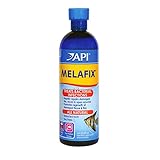
- Contains one (1) API MELAFIX Freshwater Fish Bacterial Infection Remedy 16-Ounce Bottle
- Heals bacterial infections and repairs damaged fins, ulcers and open wounds
- Contains natural, botanical tea tree extract to quickly and rapidly help fish
- Helps treat newly-introduced fish to reduce risk of disease outbreak in freshwater aquariums
- Use daily for a week when treating infections and for 3 days as a preventive when adding new fish
When to seek help promptly
Arrange veterinary advice when fin damage is progressing or appears alongside changes in appetite, swimming, breathing, gill color, or general activity. PetMD specifically identifies receding fin edges and several of these other changes as reasons to contact a veterinarian. Provide the aquarium test results and describe when the changes began, what has changed in the system, and any treatment already used. PetMD
Quick Recap
Best Value
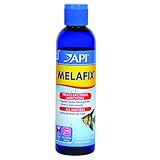
- Contains one (1) API MELAFIX Freshwater Fish Bacterial Infection Remedy 4-Ounce Bottle
- Heals bacterial infections and repairs damaged fins, ulcers and open wounds
- Contains natural, botanical tea tree extract to quickly and rapidly help fish
- Helps treat newly-introduced fish to reduce risk of disease outbreak in freshwater aquariums
- Use daily for a week when treating infections and for 3 days as a preventive when adding new fish
Product prices and availability are accurate as of the date/time indicated and are subject to change. Any price and availability information displayed on Amazon at the time of purchase will apply.
Do these 3 things before closing this tab:
1Repair Windows errors before they cause bigger problems2Scan for outdated or missing drivers - takes under a minute3Clear out junk files and repair common Windows errors



