Free tools Windows power users keep installed
One-click scans. No signup required.
The Chow Chow is a compact, powerful dog known for its lion-like ruff, blue-black tongue, dignified manner and independent personality. It can be a devoted companion for an owner prepared for a reserved temperament, patient positive training, regular double-coat grooming and careful heat management. Breed descriptions are tendencies, not guarantees: an individual Chow’s behavior also reflects socialization, health, environment and genetics.
Chow Chow at a glance
| Characteristic | What the sources establish |
|---|---|
| Build | Compact, muscular and deep-chested, with a stiff-legged gait. |
| Height | Up to about 20 inches at the shoulder, according to the American Kennel Club (AKC). |
| Weight | Generally 45–70 pounds, according to the Chow Chow Club, Inc.; individual size varies. |
| Coat | Profuse double coat in rough or smooth varieties. |
| Recognized colors | Red, black, blue, cinnamon and cream. |
| Typical activity level | Moderate; daily walks and moderate play are recommended. |
| Common social impression | Loyal to its people and often reserved or aloof with strangers. |
The AKC describes the Chow Chow as an all-purpose dog of ancient China. The AKC breed standard lists historical work that included hunting, herding, pulling and protecting the home. More detailed chronology is not established by the sources here.
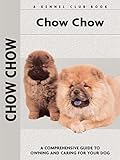


What does a Chow Chow look like?
Chows have a broad, distinctive head with deep-set almond-shaped eyes and a ruff around the head and shoulders that gives a mane-like appearance. Their blue-black tongue is a hallmark of the breed. The coat may be rough, with a prominent outer coat and dense undercoat, or smooth, with a shorter, harder outer layer; both varieties still require substantial care.
The breed’s serious expression is not proof of aggression. The Chow Chow Club cautions that a scowl can be misleading because outward appearance says little by itself about an individual dog’s temperament or personality.
Recommended Free Tools
#1 Best Overall
Chow Chow temperament and social behavior
Independent and loyal
Chow Chows are commonly characterized as dignified, serious-minded and independent. They may form strong attachments to their household while showing less enthusiasm for unfamiliar people than highly social breeds. Independence can mean they do not respond well to repetitive or coercive handling, so owners need realistic expectations and consistency.
Strangers, dogs and visitors
Many Chows are reserved with strangers and may not be outgoing with unfamiliar dogs. That tendency is not a guarantee of hostility, nor does breed alone determine whether a particular dog will live successfully with children or other animals. Evaluate the individual dog, introduce people and animals carefully, supervise interactions and provide a way for the dog to retreat.
Rank #2
Socialization and training
The AKC recommends early socialization, puppy training classes and patient, positive reinforcement. Begin with controlled exposure to people, handling, surfaces, sounds and appropriate dogs during the puppy’s developmental period, then continue reinforcing calm behavior. Harsh corrections can damage trust and are specifically discouraged in favor of clear, reward-based training.
How much grooming does a Chow Chow need?
Grooming is a continuing responsibility, not an occasional cosmetic task. The AKC recommends thorough brushing at least twice a week, working through the undercoat, plus a bath about once a month. A slicker brush or undercoat rake can help separate dense coat safely when used correctly.
A workable routine
- Brush methodically to the skin at least twice weekly, checking behind the ears, under the legs, around the neck and at the tail.
- Inspect the puppy coat and head furnishings frequently; these areas can mat when care is missed.
- Check eyes and ears during grooming and keep nails trimmed.
- Bathe approximately monthly, or as advised for the dog’s condition, and dry the coat thoroughly with cool air.
- Use a professional groomer when mats, coat density or handling needs exceed your experience; avoid shaving a double coat without veterinary or grooming advice.
Regular grooming also gives you a chance to notice skin irritation, parasites, painful areas or changes that warrant veterinary attention.
Exercise, heat and everyday care
Daily activity
Chows generally need moderate exercise rather than endurance work. Plan daily walks and moderate play, with low-impact activities that respect the dog’s structure and fitness. Minimal rough or high-impact play is preferable, especially for growing puppies or dogs with orthopedic concerns.
Hot-weather precautions
The breed does not tolerate high heat or humidity well. Walk during cooler parts of the day, provide shade and water, and stop activity if the dog shows distress. Never leave a Chow in a parked vehicle. Seek urgent veterinary help for signs of heat illness such as heavy, persistent panting, weakness, confusion, vomiting or collapse.
Food and weight
Feed a complete, balanced commercial diet appropriate to the dog’s life stage, and monitor body condition rather than relying only on a measuring cup. The AKC advises limiting table scraps, cooked bones and high-fat foods. Watch the skin for irritation or other possible allergy signs, and ask a veterinarian about diet, weight or recurring skin problems. A low-grain diet is not established here as a breed requirement.
Health considerations and breeder screening
The AKC identifies several health topics in the breed, including eyelid entropion, hip dysplasia, elbow dysplasia, allergies and thyroid-function concerns. These are risks to discuss, not predictions that an individual Chow will develop a condition.
Recommended evaluations
The national parent-club recommendations listed by the AKC include:
- Patella evaluation
- Hip evaluation
- Elbow evaluation
- Ophthalmologist examination
- Thyroid evaluation
Ask a breeder for the dog’s actual test results and the identity of the examining organizations, then review them with your veterinarian. Screening can identify concerns and inform breeding decisions, but it cannot eliminate every inherited or acquired problem. Arrange routine veterinary examinations and obtain prompt advice for eye changes, lameness, skin disease, weight changes or other symptoms.
No reliable lifespan figure or attributable prevalence statistic is established by the sources used here, so those numbers should not be treated as known breed facts.
The Tool Desk
Outbyte Driver Updater FREEFix the driver behind crashes, sound loss and screen glitchesFind Drivers →Outbyte PC Repair FREERepair Windows errors before they cause bigger problemsFix Now →Is a Chow Chow right for your lifestyle?
A Chow may fit an owner who can provide:
- Comfort with a self-directed dog that may be reserved around unfamiliar people.
- Time and budget for twice-weekly brushing, regular bathing and possible professional grooming.
- Positive, consistent training rather than force-based methods.
- Daily moderate exercise and a reliable plan for hot or humid weather.
- Careful supervision around children, visitors and other animals, based on the individual dog’s behavior.
- Willingness to investigate health-screening records and maintain ongoing veterinary care.
The breed may be a poor match if you want an immediately sociable dog, dislike coat maintenance, use harsh training methods or cannot control the dog’s exercise environment during heat. Meet adult Chows as well as puppies, ask how they behave with handling and visitors, and assess the particular dog instead of deciding from appearance or breed reputation alone.
Quick Recap
Sources
- American Kennel Club: Chow Chow Dog Breed Information
- Chow Chow Club, Inc.: A Chow Chow’s Physical Description
- American Kennel Club: Official Standard of the Chow Chow
- American Kennel Club: Is the Chow Chow the Right Breed for Your Lifestyle?
Product prices and availability are accurate as of the date/time indicated and are subject to change. Any price and availability information displayed on Amazon at the time of purchase will apply.




