Suspected parvo is a veterinary emergency. Canine parvovirus (CPV) can move from early lethargy and poor appetite to severe vomiting, bloody diarrhea, dehydration, and shock—especially in puppies and unvaccinated dogs. Isolate the dog from other dogs, call a veterinary clinic before arriving, and arrange prompt assessment rather than trying to treat the illness at home.
Why parvo is so dangerous
CPV is highly contagious. A dog becomes infected by ingesting virus in feces or on contaminated surfaces, bowls, bedding, equipment, shoes, clothing, hands, or other objects. Infected dogs can shed virus before obvious illness and after signs improve, and the virus can persist in the environment under suitable conditions.
The virus injures the intestinal lining and can impair bone marrow and immune defenses. Vomiting and diarrhea then cause rapid fluid, electrolyte, and metabolic losses, while intestinal damage increases the risk of secondary bacterial infection. A young dog can deteriorate quickly even if the first signs look like an ordinary stomach upset.
Signs of parvo in dogs
Early signs may be nonspecific, so do not wait for bloody diarrhea before seeking help.
Outdated Drivers Are Slowing You Down
One free scan finds every outdated or missing driver and matches the right update for your exact hardware.Free scan · exact hardware matchPC Slower Than It Used to Be?
A free scan shows the junk files, broken settings and background clutter dragging Windows down - then fixes them in one click.Free scan · Windows 10 & 11#1 Best Overall

- AFFORDABLE, PROVEN AND LOVED BY THOUSANDS – Get top-tier DNA testing with over 99% accuracy without the premium price. Our test is one of the most cost-effective on the market
- 𝗙𝗔𝗦𝗧 𝗥𝗘𝗦𝗨𝗟𝗧𝗦 𝗜𝗡 𝗝𝗨𝗦𝗧 2-3 𝗪𝗘𝗘𝗞𝗦 – Receive a complete full breed analysis within 2-3 weeks of submitting the sample. Access your results online, including a downloadable DNA certificate that highlights your dog’s unique breed composition
- 𝗖𝗢𝗠𝗣𝗥𝗘𝗛𝗘𝗡𝗦𝗜𝗩𝗘 𝗕𝗥𝗘𝗘𝗗 & 𝗛𝗘𝗔𝗟𝗧𝗛 𝗜𝗡𝗦𝗜𝗚𝗛𝗧𝗦 – Identify over 350 breeds with advanced genetic testing. The detailed report covers breed-specific health risks, behaviour traits, and essential care tips to help you give your dog the best care possible
- UNIQUE 𝗣𝗘𝗥𝗦𝗢𝗡𝗔𝗟𝗜𝗧𝗬 & 𝗕𝗢𝗡𝗗𝗜𝗡𝗚 𝗧𝗜𝗣𝗦 – Learn more about your dog’s personality traits based on its breed makeup. Get expert advice on training, behaviour tendencies, and tips to strengthen your bond with your furry companion
- 𝗢𝗩𝗘𝗥 𝟵𝟵% 𝗔𝗖𝗖𝗨𝗥𝗔𝗧𝗘 – DNA My Dog uses cutting-edge technology to deliver highly accurate breed identification with 99%+ accuracy. Trusted by pet owners and rescue organizations since 2008, the company offers excellent customer service for a seamless testing experience from start to finish
- Lethargy or unusual tiredness
- Reduced appetite or refusal to eat
- Vomiting
- Diarrhea that may be foul-smelling and contain blood or mucus
- Weakness, abdominal pain, fever, or dehydration
A puppy, unvaccinated dog, or recently exposed dog with vomiting or diarrhea needs prompt veterinary evaluation. Keep the dog away from other dogs while you obtain instructions. Tell the clinic that parvo is possible so staff can use infection-control procedures and prevent contact with other patients.
How veterinarians diagnose parvo
Diagnosis usually combines the exposure history, age and vaccination status, physical examination, and a fecal antigen test. A veterinarian may also use PCR or other tests when the initial result does not fit the clinical picture.
A negative fecal test does not always rule out early infection: antigen levels may be below the test’s detection limit at the beginning of disease. False-positive results can occur for about 4–10 days after a modified-live parvovirus vaccination. Your veterinarian interprets the result alongside the dog’s signs and may repeat or supplement testing.
Parvo treatment: what veterinary care involves
There is no owner-administered home cure described for parvo. Treatment is supportive and must be tailored to the dog’s condition.
Rank #2

- Fast and Higher Accurate Testing: This pet pregnancy test kit displays results in a short period of time with Higher accuracy
Fluids and electrolyte correction
Intravenous fluids are commonly used to replace losses and correct electrolyte and metabolic abnormalities. The team adjusts the rate and composition as the dog’s hydration, circulation, kidney function, and laboratory values change.
Control of vomiting and pain
Veterinarians use anti-nausea medication and pain relief when indicated. Controlling vomiting helps the dog tolerate nutritional support and reduces further fluid loss.
Nutrition and monitoring
Once vomiting is controlled, carefully managed nutrition supports intestinal recovery. Hospital staff monitor hydration, glucose, electrolytes, temperature, blood counts, pain, stool, and signs of complications.
Protection against secondary infection
Damage to the gut and immune system can allow bacteria to enter the bloodstream. Antimicrobials may be prescribed when the veterinarian considers them indicated; they do not kill the parvovirus itself.
Rank #3
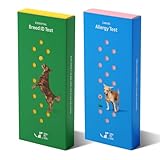
- 𝗗𝗨𝗔𝗟 𝗧𝗘𝗦𝗧𝗜𝗡𝗚 𝗞𝗜𝗧 – Combines a comprehensive canine allergy analysis with precise breed identification in one convenient bundle, giving you full insight into your dog’s health and heritage
- 𝗡𝗢𝗡-𝗜𝗡𝗩𝗔𝗦𝗜𝗩𝗘 𝗦𝗔𝗠𝗣𝗟𝗜𝗡𝗚 – Painless cheek swab collection ensures a stress-free experience for your pet—suitable for dogs of all sizes and ages
- 𝗙𝗔𝗦𝗧, 𝗔𝗖𝗧𝗜𝗢𝗡𝗔𝗕𝗟𝗘 𝗥𝗘𝗦𝗨𝗟𝗧𝗦 – Get online access to detailed reports with allergen insights in as little as 3 weeks and breed identification in 2 weeks, so you can act quickly
- 𝗣𝗘𝗥𝗦𝗢𝗡𝗔𝗟𝗜𝗭𝗘𝗗 𝗖𝗔𝗥𝗘 – Receive expert recommendations tailored to your dog’s specific sensitivities and breed traits to help enhance overall well-being
- 𝗧𝗥𝗨𝗦𝗧𝗘𝗗 𝗔𝗖𝗖𝗨𝗥𝗔𝗖𝗬 – Utilizing advanced DNA technology and proven biochemical analysis, our tests deliver highly reliable results, trusted by pet owners and veterinarians alike
Hospitalization or outpatient care?
Hospitalization is often preferred because a sick dog may need continuous observation, intravenous therapy, and rapid changes in treatment. If hospitalization is financially impossible, ask the veterinarian whether a published outpatient protocol is appropriate. Outpatient care is not a do-it-yourself alternative: it depends on prescribed medication, a rigorous schedule, reliable isolation, and frequent veterinary checks.
| Care setting | When it may be considered | What it requires |
|---|---|---|
| Veterinary hospital | Moderate to severe illness, dehydration, persistent vomiting, circulatory problems, or a need for intensive monitoring | IV access and fluids, medication, nutritional support, laboratory monitoring, and strict isolation |
| Veterinarian-supervised outpatient protocol | Selected stable cases after examination; suitability depends on illness severity and home circumstances | Exact medication instructions, ability to isolate the dog, close observation, and daily or otherwise scheduled veterinary reassessment |
Merck Veterinary Manual’s June 2025 review reports survival typically above 90% for dogs treated aggressively in hospital, approximately 80% success in reported outpatient protocols, and 70–90% survival with appropriate supportive care. These figures come from different treatment descriptions and are not a prediction for an individual dog. Age, size, hydration, disease severity, and how quickly treatment begins all affect outcome.
Monoclonal antibody therapy
A veterinarian-administered canine parvovirus monoclonal antibody is a newer option that may reduce clinical severity. Merck summarizes an experimental study in which no antibody-treated dogs died compared with 57% of saline-treated dogs. That was an experimental result, not a routine clinical survival guarantee; further clinical-case evidence is needed to define effectiveness and timing. The antibody does not replace fluids, monitoring, nutrition, or other supportive care.
Independent reader supportYour contribution helps us test, update, and keep practical guides available for everyone.How to prevent parvo in puppies and dogs
Follow a complete vaccination series
Vaccination is the central prevention measure. Veterinary schedules vary slightly, but the shared principle is a puppy series that continues through at least 14–16 weeks of age, followed by a later booster. One commonly described schedule gives doses at 6–8, 10–12, and 14–16 weeks, with a booster at one year and then at three-year intervals; another starts around 8 weeks and repeats doses every 2–4 weeks through 16–20 weeks. Follow your veterinarian’s schedule, because maternal antibodies and local risk can affect timing.
Free tools Windows power users keep installed
One-click scans. No signup required.
Rank #4

- SCREENS 270+ GENETIC HEALTH RISKS: Find out early if your dog has a genetic risk for conditions like MDR1 (a sensitivity to common medications), degenerative myelopathy (a spinal cord disease), dilated cardiomyopathy (a heart muscle disease), or progressive retinal atrophy (a vision-loss condition). 3 in 4 tested dogs discover a health risk — know their risks early so you and your vet can plan.
- MOST ACCURATE DOG DNA TEST AVAILABLE: Identifies 400+ breeds, types, and varieties, including village dogs, so mixed-breed and rescue dogs get a real answer. Stringent quality control ensures over 99% genotyping accuracy. Embark is a research partner of the Cornell University College of Veterinary Medicine, and the most often recommended dog DNA test.
- THE ONLY DOG DNA TEST WITH PERSONALIZED ALLERGY RISK SCORES: Get your dog's genetic risk across four allergy types: environmental, food, contact, and flea. It doesn't test for an active allergy, but it shows whether your dog is genetically predisposed, based on genetic data from more than 3 million dogs. Among dogs with a high allergy risk, up to 30% of dogs have more than one allergy type.
- KNOW WHAT TO EXPECT FROM 55 PHYSICAL TRAITS: See your dog's predicted adult size, coat type, shedding level, and grooming needs before they surprise you. Helpful for puppy and rescue owners deciding on food, grooming, crate size, and living space.
- BEHAVIOR INSIGHTS + TRAINING PLAN (IN-APP UPGRADE): Barking at the door or struggling when left alone? Upgrade in the Embark app to unlock 15 genetic behavior scores that show what your dog may be wired for, plus a personalized training plan built around those instincts
Limit high-risk exposure before protection is complete
Until the series is complete, avoid dog parks, pet stores, and other places where many dogs may have contaminated the environment. Do not allow a puppy to mix with dogs of unknown vaccination status. Ask your veterinarian for lower-risk socialization and exercise options.
Manage a contaminated household
Keep a suspected or confirmed dog separated from other dogs during illness. Cornell advises isolation during treatment and for up to two weeks after recovery; follow your veterinarian’s instructions for your household. Before bringing a susceptible puppy into a home or yard where parvo occurred, consult a veterinarian. Merck advises introducing only fully vaccinated puppies or adults into a contaminated setting.
Cleaning and disinfecting after parvo exposure
Cleaning reduces contamination but is not treatment for the infected dog. CPV resists many ordinary household cleaners, so use a deliberate sequence.
- Remove feces, vomit, food, bedding, and other organic material. Disinfectants work poorly when dirt and organic matter remain.
- Wash the cleaned, suitable surface as directed, then apply a product whose current label specifically states efficacy against parvovirus.
- Keep the surface visibly wet for the label’s full contact time. Cornell describes properly diluted bleach on suitable indoor surfaces with at least 10 minutes of contact time; concentration, ventilation, and material compatibility still depend on the product directions.
- Rinse or ventilate when the label requires it, allow the area to dry, and keep pets away for the stated safety period.
Merck lists dilute bleach, potassium peroxymonosulfate, and accelerated hydrogen peroxide among virucidal options. Quaternary ammonium disinfectants are unreliable against parvovirus. Never assume that an arbitrary multipurpose cleaner works. For a veterinary product, the defensible category is an accelerated hydrogen peroxide veterinary disinfectant only when the current label explicitly supports parvovirus efficacy.
What’s actually slowing this PC down?
Pick the symptom - the matching free tool is one click away.
Porous materials, soil, grass, and shaded outdoor areas are difficult to disinfect completely. Dispose of heavily contaminated items when appropriate, launder washable items according to both the fabric-care and disinfectant instructions, and ask your veterinarian how to manage outdoor spaces and other dogs.
Quick Recap
What to do if you suspect parvo
- Separate the dog from all other dogs and prevent shared use of bowls, bedding, toys, and outdoor areas.
- Call a veterinary clinic, describe the vomiting or diarrhea, age, vaccination history, and possible exposure, and ask how to enter without exposing other animals.
- Transport the dog as instructed; do not delay care while attempting home remedies or extensive cleaning.
- Follow the prescribed isolation, medication, feeding, recheck, and cleaning plan exactly.
Product prices and availability are accurate as of the date/time indicated and are subject to change. Any price and availability information displayed on Amazon at the time of purchase will apply.




