PC Slower Than It Used to Be?
A free scan shows the junk files, broken settings and background clutter dragging Windows down - then fixes them in one click.Free scan · Windows 10 & 11Outdated Drivers Are Slowing You Down
One free scan finds every outdated or missing driver and matches the right update for your exact hardware.Free scan · exact hardware matchTropical fish live in both freshwater and marine habitats—not in one single place. In the wild, you may find freshwater species in inland streams and reservoirs, while many tropical marine species live on coral reefs and nearby waters. If you mean where aquarium fish come from, that is a separate question about breeding and collection.
Where tropical fish live in the wild
“Tropical fish” describes fish from warm regions, not one habitat or a single group with one range. Some live in freshwater inland; others live in saltwater. A marine reef species cannot be assumed to occur in a nearby stream, and one species’ range does not stand for all tropical fish.



| Habitat | Where to look | What distinguishes it |
|---|---|---|
| Tropical freshwater | Inland streams and reservoirs, especially around vegetation, fallen trees, rocks and boulders | These are freshwater environments, not coral reefs. The Hawai‘i Department of Land and Natural Resources describes these features as shelter and habitat clues in its 2014 Keiki Angler guide. |
| Tropical marine | Coral reefs and surrounding clear waters | Marine species have their own geographic ranges; reef association does not mean every species occurs on every reef. See National Geographic’s blue tang range account. |
How to recognize promising fish habitat
Look for the basics: food, shelter and clean water. Hawai‘i DLNR’s guide says fish are usually found where they can feed, hide from larger fish and find clean water. In freshwater, vegetation, submerged trees, rocks and boulders can provide cover. At sea, reefs and other structures can offer shelter and feeding opportunities.
These are general habitat clues, not a guarantee that a particular species will be present. Water clarity, terrain and shelter can help narrow where to observe, but the fish’s species and geographic range matter too.
#1 Best Overall
Example: where blue tang live
The blue tang (Paracanthurus hepatus) is a marine reef fish. National Geographic describes it in clear water on and around coral reefs across the Pacific and Indian Oceans, from American Samoa to eastern Africa. This range is specific to blue tang; it should not be used as a map for tropical fish generally.
Common names can refer to different species. When you need a precise identification or range, use the scientific name alongside the common name.
Can tropical fish gather in particular places or seasons?
Yes. Some fish aggregate at specific locations and times, including spawning sites. NOAA explains that sonar mapping can help scientists identify the terrain fish use and potentially locate spawning areas; its sonar explainer describes mapping where fish congregate and what terrain they favor.
One specialized example is Caribbean snapper and grouper spawning aggregations, which NOAA notes are commonly timed to lunar cycles. This does not predict when or where every tropical fish species will gather. Specific viewing locations and dates depend on the species and destination.
Where aquarium tropical fish come from
Aquarium sourcing is about the trade supply chain, not where a fish can be observed in nature. Some traded species, including clownfish, are captive-bred; many marine aquarium species have historically been collected from reefs. Practices and origins vary, so ask a seller whether a fish is captive-bred or wild-caught and, for wild-caught fish, how it was collected.
National Geographic’s 2018 account of the saltwater aquarium trade describes collection and distribution through international supply chains and notes limits in trade tracking and documentation. Its 2014 article recommends starting with captive-bred animals such as clownfish. These reports describe parts of the trade; they do not establish that every collection operation is illegal or harmful.
Trade figures need their dates and scope attached. National Geographic reported in 2018 that about 10 million tropical fish were imported into the United States each year, citing Aquarium Trade Data, and that roughly 2,000 types of tropical fish were involved in the saltwater aquarium trade. A separate 2014 National Geographic report cited an estimate of about 1,800 tropical fish species in international trade. These are historical trade estimates, not a current count of wild tropical fish species or a present-day census.
Independent reader supportYour contribution helps us test, update, and keep practical guides available for everyone.Finding a place to observe tropical fish
Start by deciding whether you are looking for freshwater fish inland or marine fish on reefs, then narrow the search to species and geographic range. Habitat features such as vegetation, reef structure and clear water can help, but they do not replace local species information. Seasonal aggregations may matter for some species, but timing is not universal.
Best Value
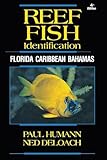
- ENHANCED IDENTIFICATION - Features crystal-clear, full-color photos and detailed descriptions of reef fish, making identification easy and accurate for divers of all levels.
- COMPREHENSIVE COVERAGE - Explore the diverse marine life of Florida, the Caribbean, and the Bahamas with 548 pages of expertly curated content, ensuring you don't miss a single species.
- EXPERT KNOWLEDGE - Authored by renowned marine biologists Paul Humann and Ned DeLoach, providing reliable and up-to-date information on reef fish behavior and habitats.
- DURABLE AND PRACTICAL - Crafted with a water-resistant plastic cover and a convenient 6" x 9" size, this guide is built to withstand the rigors of diving and easy to carry on any dive trip.
- VISUAL LEARNING - Benefit from stunning, full-color illustrations that bring each species to life, aiding in quick recognition and enhancing your understanding of marine ecosystems.
Access, safety and conservation rules vary by destination. Check current local guidance before entering a reef or attempting to touch, feed or collect fish. The sources cited here do not establish destination-specific access rules or viewing dates.
How many tropical fish species are there?
The cited sources do not establish a current authoritative global count of wild tropical fish species or a complete current database of their locations. National Geographic’s fish overview attributes an estimate of about 32,000 living fish species to its 2012 Animal Encyclopedia; that is a broad count of fish, not tropical fish alone.
Quick Recap
Product prices and availability are accurate as of the date/time indicated and are subject to change. Any price and availability information displayed on Amazon at the time of purchase will apply.




