The Tool Desk
Outbyte Driver Updater FREEFix the driver behind crashes, sound loss and screen glitchesFind Drivers →Outbyte PC Repair FREEClear out junk files and repair common Windows errorsFree Scan →Coral reefs support an exceptionally varied fish community. Familiar examples include clownfish, butterflyfish, parrotfish, surgeonfish, damselfish, snapper and grouper. These fish do not all live on every reef: species change with ocean region, water depth and habitat such as lagoons, reef crests and outer slopes.
Representative coral-reef fish
The following groups are common examples used to describe reef-fish communities. A group name does not mean every species in it has the same diet or behavior.
| Fish group | Typical reef connection | Ecological or human significance |
|---|---|---|
| Clownfish (anemonefish) | Small, colorful fish associated with coral-reef habitats and host anemones | Provide a familiar example of a small resident reef fish; species distributions differ by region |
| Parrotfish | Grazes seaweed and other growth on reef surfaces | Helps limit algae; bites coral material while feeding and contributes processed calcium-carbonate sediment as sand |
| Butterflyfish | Usually found around structured reefs; some species feed heavily on coral and other invertebrates | Shows that reef fish can have close, sometimes specialized feeding relationships with corals |
| Surgeonfish | Many species are associated with reef habitats and include important herbivores | Seaweed-eating species can help keep algae from overwhelming slower-growing corals |
| Damselfish | Small reef-associated fish occupying crevices and other sheltered areas | Diet and territorial behavior vary substantially among species |
| Snapper and grouper | Larger fish using reefs for food, shelter and, in some cases, nursery or spawning habitat | Important predators and commercially valuable fish in many reef regions |
What reef fish do in the ecosystem
Algae grazers
Parrotfish and some other herbivorous reef fish consume seaweeds. This grazing can keep algae from covering surfaces where corals grow. Parrotfish also scrape or bite small amounts of coral rock while feeding; their digestive processing and excretion help create fine carbonate sediment that becomes reef sand.
Coral and invertebrate feeders
Some butterflyfish rely strongly on live coral, while others eat different invertebrates or mixed foods. Their feeding is not equivalent to the algae-grazing performed by parrotfish, and it is inaccurate to describe every reef fish as beneficial or harmless to coral.
Free tools Windows power users keep installed
One-click scans. No signup required.
#1 Best Overall

- QUIET AQUARIUM FILTER: The Tetra Whisper IQ Power Filter with Stay Clean technology contains a sound shield for quiet filtration less than 40 dB.
- SELF PRIMING: Submerged motor starts up with no priming required.
- CAPACITY: The Tetra Whisper IQ 20 Power Filter works in filters up to 20 gallons (130 GPH).
- STAY CLEAN TECHNOLOGY: By maintaining healthy pH levels, creates easier maintenance for healthier fish.
- CARTRIDGE REFILLS: Change cartridges monthly; uses large-sized Tetra Whisper Bio-Bag Filter Cartridges (refills sold separately).
Predators, competitors and prey
Snappers and groupers illustrate larger reef-associated fish that consume other animals and use complex reef structure for shelter and hunting. Smaller fish can be predators of tiny invertebrates, competitors for food or territorial space, and prey for larger fish. The exact food web differs among reefs.
How diverse are coral-reef fish?
The Smithsonian National Museum of Natural History describes tropical coral reefs as supporting more than 4,000 fish species. That is a broad estimate for tropical reefs worldwide, not a census of one reef and not a claim that all of those species occur together.
Rank #2

- QUIET AQUARIUM FILTER: The Tetra Whisper IQ Power Filter with Stay Clean technology contains a sound shield for quiet filtration less than 40 dB.
- SELF PRIMING: Submerged motor starts up with no priming required.
- CAPACITY: The Tetra Whisper IQ 45 Power Filter works in tanks up to 45 gallons (215 GPH).
- STAY CLEAN TECHNOLOGY: By maintaining healthy pH levels, creates easier maintenance for healthier fish.
- CARTRIDGE REFILLS: Change cartridges monthly; uses large-sized Tetra Whisper Bio-Bag Filter Cartridges (refills sold separately).
There is no single worldwide roster of “coral-reef fish.” NOAA monitoring evaluates reef-related fish diversity, distribution, abundance and size across locations and habitats, because communities change from one place to another.
Why location and habitat change the answer
To identify the fish on a particular reef, consider:
Crashes, No Sound, or Screen Glitches?
Random freezes, missing sound and display glitches usually trace back to one bad driver. Find and replace yours safely.Free scan · under a minuteWindows Errors? Fix Them Before They Spread
Repair common Windows errors and clear accumulated junk for a smoother, more stable PC - no reinstall needed.Free scan · no reinstallRank #3
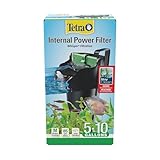
- INTERNAL POWER FILTER: Tetra Whisper Internal Power Filter for 5- to 10-gallon aquariums uses medium Whisper BioBag filter cartridges that are easy to change.
- QUIET 85 GPH MOTOR: The internal pump efficiently filters up to 85 gallons per hour.
- POWERFUL FILTRATION: Water flows through the cartridge floss, trapping debris and fish waste, while Ultra-activated carbon helps remove odor and discoloration.
- SPACE-SAVING DESIGN: Your aquarium can be 1” from the wall with the internal filter designed to clip directly on your aquarium wall and be hidden by décor.
- EASILY ADJUSTABLE: Adjustable clip allows for a variety of setups to easily adjust to high or low water levels.
- Geography: Ocean basin, island chain, coastline and local biogeography determine which species can reach and persist on the reef.
- Depth and zone: Shallow reef flats, crests, lagoons, channels and deeper slopes offer different light, shelter and food.
- Reef structure: A complex reef provides more hiding places and feeding surfaces than a smooth or heavily damaged one.
- Life stage: Juveniles may use nursery habitats, then move to different parts of the reef as adults.
- Human use: Reefs provide habitat, spawning grounds and nursery grounds for fish that support local fisheries and livelihoods.
Because regional species lists were not established here, the examples above should be treated as representative rather than exhaustive. A local museum, fisheries agency or reef-monitoring inventory is the appropriate source for a named reef’s complete list.
Are corals fish?
No. Corals are animals—colonies of tiny coral polyps—not fish. Reef fish live among, feed around or shelter in the three-dimensional structure built by corals and other reef organisms. When people say “coral-reef fish,” they mean fish associated with that habitat.
Rank #4

- Powerful Pump: 300 GPH water pump effectively filters 55-150 gallons; ideal for large aquariums, turtle tanks, and ponds.
- Enhanced Aeration: Equipped with an adjustable valve to increase oxygen levels, promoting healthier, more active fish and turtles.
- Double Deep Filtration: Dual-stage black biochemical sponge removes odors and impurities; keeps water clear and fresh.
- Dynamic Water Flow: Boosts wave size and surface movement; improves circulation for a healthier aquatic environment.
- Adjustable Body: The aquarium filter features a detachable design. For tanks under 15 inches tall, you can lay the filter flat or remove the lower half of the filter sponge for a better fit.
Why reef fish matter beyond the reef
Fish help maintain reef processes through grazing, predation, nutrient movement and serving as food for other animals. They also have direct value to people. NOAA Fisheries identifies snapper and grouper among commercially important fish that depend on reefs for food and shelter, while reef habitats more broadly support fisheries through feeding, spawning and nursery functions.
Scientists therefore track fish communities as indicators of reef condition. Changes in which species are present, how many there are and their size distribution can reveal shifts in habitat quality, fishing pressure or other environmental conditions.
Do these 3 things before closing this tab:
1Fix the driver behind crashes, sound loss and screen glitches2Repair Windows errors before they cause bigger problems3Scan for outdated or missing drivers - takes under a minuteQuick Recap
Best Value

- WITH ROTATING BIO-WHEEL: Patented Bio-Wheel technology provides excellent wet/dry biological filtration.
- MULTI-STAGE FILTRATION: Delivers mechanical, chemical and biological aquarium filtration to maintain a clean aquatic environment.
- MARINELAND FILTRATION PRODUCTS: Count on Marineland brand for the most reliable, technically advanced aquariums and accessories on the market.
- COMPATIBILITY: Use with Marineland Rite-Size Filter Cartridges (see individual filter for sizing recommendations).
- FIVE SIZES: Available in 75 GPH, 100 GPH, 150 GPH, 200 GPH and 350 GPH sizes.
How to interpret a fish list for a specific reef
- Confirm the reef’s region and country, since names and species ranges are geographically limited.
- Check whether the list covers a lagoon, crest, slope or the entire reef system.
- Separate resident reef fish from seasonal visitors and open-water species that occasionally pass nearby.
- Look at feeding roles as well as names: grazers, coral or invertebrate feeders, predators and omnivores.
- Use a current local survey or government inventory when identification or conservation decisions depend on species-level accuracy.
Product prices and availability are accurate as of the date/time indicated and are subject to change. Any price and availability information displayed on Amazon at the time of purchase will apply.




