Some fish can survive polluted water, but survival is limited and does not mean the fish is healthy or the water is safe. The outcome depends on the pollutant, concentration, exposure time, rate of change, oxygen level, species, life stage, mobility, and habitat. Fish may temporarily adjust their behavior or physiology, yet severe or prolonged exposure can impair growth, reproduction, disease resistance, behavior, and ultimately survival.
Can fish survive in polluted water?
“Polluted water” describes many different conditions rather than one exposure. Oxygen depletion, nutrient-driven algal blooms, metals, ammonia, persistent chemicals, sewage, oil, and storm-water runoff affect fish through different routes and at different doses. Fish may absorb contaminants from the water, sediment, or food. Some named contaminants—including mercury, PFAS, PCBs, and DDT—can accumulate in fish, but not every pollutant behaves this way.
| Stressor | How fish are exposed | Typical responses | When survival is threatened |
|---|---|---|---|
| Low dissolved oxygen | Oxygen-poor water caused by decomposition, nutrient pollution, or high-biomass blooms | Movement toward better-oxygenated water, less feeding, and less swimming | Severe hypoxia or anoxia can cause mortality |
| Harmful algal blooms | Oxygen depletion, altered water chemistry, or algal toxins | Stress from oxygen loss and, for some blooms, direct toxic effects | Conditions can become lethal and affect the wider food web |
| Metals and ammonia | Uptake from water or food | Limited biochemical handling, including enhanced excretion or metal binding | High or rapidly changing exposure can damage gills and other tissues |
| Persistent contaminants | Water, sediment, and contaminated prey | Sublethal changes in development, behavior, endocrine function, or disease resistance | Long-term effects can reduce reproduction, growth, or population stability |
| Sewage and runoff mixtures | Complex combinations of nutrients and chemical contaminants | Responses vary with the mixture, oxygen conditions, and duration | Combined stresses can overwhelm coping mechanisms |
A fish that remains alive may still have impaired growth, development, reproduction, immune function, or behavior. Individual survival therefore cannot be treated as proof that a population or ecosystem is unaffected.
How do fish adapt to polluted water?
Behavioral adjustment comes first
When oxygen falls, mobile fish may relocate to water with more oxygen, reduce feeding, or swim less. The U.S. Environmental Protection Agency summarizes this response as follows: “As oxygen levels decrease, these animals respond by changing their behavior to maintain their oxygen intake, such as moving to areas with greater oxygen levels, feeding less, and swimming less.” These actions can buy time, but only if suitable water is available and the fish can reach it.
#1 Best Overall

- Professional Quality Testing Kit: The AAwipes Aquarium test kit (50 strips) is developed by experts for fish enthusiasts. It offers 8-in-1 testing capabilities, made with high-quality fiber paper and non-bleeding colors. The kit measures key parameters like Free Chlorine, Nitrate, Nitrite, Hardness, Sodium Chloride, Total Alkalinity, pH and Ammonia nitrogen. By identifying potential issues, our fish tank testing kit helps prevent hidden water problems and ensures the safety and well-being of your fish.
- Versatile Use for Freshwater and Ponds: This aquarium water test kit is versatile and suitable for both freshwater and saltwater environments. It can be used in various aquariums, fish tanks, ponds, pools, and shrimp tanks, making it easy to monitor water quality and ensure your filter functions properly. Experts recommend testing your aquarium water at least twice a week to maintain optimal water quality.
- Fast and Accurate Results: Get accurate results in minutes with just 3 steps: 1) Dip the test strip into water for 2 seconds for pads 1-7; dip pad 8 (Ammonia nitrogen) separately for 5 seconds. 2) Remove the strip without shaking off excess water. Hold horizontally for 30 seconds for pads 1-7, wait 180 seconds to read Pad 8 (Ammonia nitrogen). 3) Compare the colors to the chart for up to 99% accuracy and take necessary action.
- Extended Shelf Life: The test strips are packaged in a well-sealed bottle to ensure they remain effective over time. This protects the strips from moisture and other environmental factors, ensuring you have reliable testing materials on hand when needed.
- Convenient Use: With this kit, you can test your aquarium water at home without the need to send samples to a lab, saving you both time and money. Enjoy peace of mind knowing your aquarium water is balanced and safe without the stress or extra expense.
Physiological acclimation can improve short-term tolerance
The FAO technical review describes responses that can increase use of respiratory surfaces and oxygen-carrying capacity. These are forms of acclimation: adjustments made by an individual during its lifetime. They do not make the fish immune to oxygen depletion or chemical toxicity.
Fish can also make limited biochemical adjustments to ammonia and metals such as zinc and copper, including increased excretion or metal-binding and handling processes. Damage to gill epithelium or other body surfaces can disrupt both respiration and osmoregulation, removing the very mechanisms the fish relies on to cope.
Rank #2

- 𝗛𝗼𝗺𝗲 𝗔𝗾𝘂𝗮𝗿𝗶𝘂𝗺 𝗪𝗮𝘁𝗲𝗿 𝗧𝗲𝘀𝘁 𝗞𝗶𝘁 - Ensure the health of your fish with aquarium water testing kit & ammonia test strips for fish tank. This complete freshwater & saltwater tank test kit provides a reliable water tester for ammonia, pH, iron, chlorine, total hardness (GH), carbonate, nitrate, nitrite, total alkalinity, copper, and temperature, allowing you to have a complete understanding of your aquarium water quality. Trusted by fish enthusiasts, it adapts to your needs, making it an essential tool for aquarium care.
- 𝗔𝗰𝗰𝘂𝗿𝗮𝘁𝗲 & 𝗙𝗮𝘀𝘁 𝗧𝗲𝘀𝘁𝗶𝗻𝗴 𝗥𝗲𝘀𝘂𝗹𝘁𝘀 - Our aquarium water test strips deliver reliable results. Each fish tank water testing kit comes with easy-to-read color charts. This fish tank test strips are highly sensitive, detecting low levels of impurities and foreign substances in aquarium water. Our aquarium water quality tester helps prevent any invisible water problems.
- 𝗜𝗻𝘀𝘁𝗮𝗻𝘁 𝗛𝗼𝗺𝗲 𝗧𝗲𝘀𝘁𝗶𝗻𝗴—𝗡𝗼 𝗧𝗿𝗶𝗽𝘀 𝘁𝗼 𝘁𝗵𝗲 𝗦𝘁𝗼𝗿𝗲 - Testing 11 key parameters in your aquarium is easier than ever with just one kit. Just dip the strip in water and use the provided color chart for instant, reliable results. Say goodbye to frequent trips to pet stores because now you have our home water test kit with the ability to monitor your aquarium's water quality in the comfort of your own home.
- 𝗧𝗲𝘀𝘁 𝗦𝗺𝗮𝗿𝘁𝗲𝗿 𝘄𝗶𝘁𝗵 𝗘𝘅𝘁𝗲𝗻𝗱𝗲𝗱 𝗦𝗵𝗲𝗹𝗳 𝗟𝗶𝗳𝗲 𝗦𝘁𝗿𝗶𝗽𝘀 - Our aquarium test kit contains 150 test strips for aquarium fish tank: 50 strips in a bottle and 100 in a separate bags to maintain freshness. Once opened, it's recommended to use the strips within 3 months for maximum accuracy of the fish water testing kit. These water testing strips allow regular water quality checks without using all water test strips at once.
- 𝗩𝗲𝗿𝘀𝗮t𝗶𝗹𝗲 𝗪𝗮𝘁𝗲𝗿 𝗧𝗲𝘀𝘁𝗶𝗻𝗴 𝗞𝗶𝘁 𝗳𝗼𝗿 𝗔𝗹𝗹 𝗔𝗾𝘂𝗮𝘁𝗶𝗰 𝗡𝗲𝗲𝗱𝘀 - Our Aquarium water quality test kit is designed to cater to a wide range of aquariums including saltwater aquariums, freshwater fish tanks, betta fish tank, and fish ponds. Our hard water test kit can be used to test the water quality effectively, which ensures that you can maintain optimal water conditions in different aquarium setups.
Acclimation is not the same as inherited adaptation
In everyday language, “adapt” can mean any coping response. In biology, inherited adaptation refers to population-level genetic change across generations. The available evidence supports individual physiological adjustment in particular conditions; it does not establish that all fish populations evolve broad pollution tolerance. Tolerance to one pollutant should not be assumed to transfer to another.
What does polluted water do to fish?
Acute exposure can kill; chronic exposure can quietly weaken fish
Very high concentrations, abrupt chemical changes, or oxygen-free water can produce rapid mortality. More often, fish experience sublethal exposure: they survive but grow more slowly, develop abnormally, reproduce less successfully, show altered behavior or endocrine function, or become more susceptible to disease. These effects may be difficult to connect to a particular individual exposure and even harder to translate into population or food-web consequences.
Recommended Free Tools
Rank #3

- Professional Quality Testing Kit: The AAwipes Aquarium test kit (25 strips) is developed by experts for fish enthusiasts. It offers 8-in-1 testing capabilities, made with high-quality fiber paper and non-bleeding colors. The kit measures key parameters like Free Chlorine, Nitrate, Nitrite, Hardness, Sodium Chloride, Total Alkalinity, pH and Ammonia nitrogen
- Versatile Use for Freshwater and Ponds: This aquarium water test kit is versatile and suitable for both freshwater and saltwater environments. It can be used in various aquariums, fish tanks, ponds, pools, and shrimp tanks, making it easy to monitor water quality and ensure your filter functions properly. Experts recommend testing your aquarium water at least twice a week to maintain optimal water quality
- Fast and Accurate Results: Get accurate results in minutes with just 3 steps: 1) Dip the test strip into water for 2 seconds for pads 1-7; dip pad 8 (Ammonia nitrogen) separately for 5 seconds. 2) Remove the strip without shaking off excess water. Hold horizontally for 30 seconds for pads 1-7, wait 180 seconds to read Pad 8 (Ammonia nitrogen). 3) Compare the colors to the chart for up to 99% accuracy and take necessary action
- Extended Shelf Life: The test strips are packaged in a well-sealed bottle to ensure they remain effective over time. This protects the strips from moisture and other environmental factors, ensuring you have reliable testing materials on hand when needed
- Convenient Use: With this kit, you can test your aquarium water at home without the need to send samples to a lab, saving you both time and money. Enjoy peace of mind knowing your aquarium water is balanced and safe without the stress or extra expense. By identifying potential issues, our fish tank testing kit helps prevent hidden water problems and ensures the safety and well-being of your fish
Low oxygen affects growth and feeding before it becomes fatal
A 2016 Oikos meta-analysis, reported in a NOAA Central Library record, found “consistent, significant negative effects on fish growth and consumption below 4.5 mg/L dissolved oxygen.” This is a finding about sublethal growth and consumption effects in the studies reviewed. It is not a universal death threshold, a safe-water guarantee, or a regulatory standard for every waterbody. Species, temperature, salinity, life stage, exposure duration, and the rate of oxygen decline all matter.
Life stage and species change the outcome
Eggs, larvae, juveniles, adults, bottom-dwelling species, and active swimmers can face different exposures and have different capacities to move or regulate respiration. A mobile fish may escape a depleted patch; a territorial, sedentary, or trapped fish may not. Rapid changes can be more dangerous than gradual changes because acclimation takes time.
Rank #4
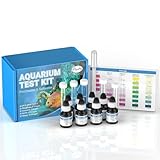
- 5-in-1 Master Test Kit: Monitor all 5 critical water parameters – pH, nitrite, nitrate, ammonia, and phosphate – in one comprehensive aquarium test kit. The rigorous analysis helps you maintain an ideal haven for your aquatic friends
- Freshwater & Saltwater Application: This aquarium water master test kit works perfectly for both freshwater and marine fish tanks. Precise color-matching charts are included – simply compare your water’s hue to the color swatches for instant results
- Enhanced Accuracy: Using professional liquid reagents, the aquarium water test kit delivers high accuracy that far exceeds traditional test strips. Get laboratory-quality results every time, safeguarding a stable and enjoyable fish tank environment
- Regular Testing: Complete with 265 measurements across all parameters – pH (100), nitrite (45), nitrate (50), ammonia (30), phosphate (40). This fish tank water testing kit supports months of consistent monitoring to keep your aquarium perfectly balanced
- Essential Fish Care: Your trusted solution to prevent fish loss from fatal ammonia, nitrite buildup, or pH imbalances! Proper water quality maintenance ensures your aquatic pets stay healthy and your plants thrive in optimal conditions
Chemicals can cause effects without obvious illness
The U.S. Geological Survey notes that aquatic contaminants can produce subtle sublethal effects, including changed behavior and endocrine function. A NOAA summary of laboratory work on developing zebrafish exposed to Aroclor 1254 reported decreased eye diameter and increased eye tremor and tremor-response behavior. That is a specific early-life-stage laboratory result involving one named contaminant; it should not be generalized to every pollutant or to wild fish.
Independent reader supportYour contribution helps us test, update, and keep practical guides available for everyone.Do fish change their behavior when water is polluted?
Yes, especially when pollution changes oxygen availability or irritates respiratory tissues. Responses can include:
Best Value

- Professional Quality Testing Kit: The AAwipes Aquarium test kit (100 strips) is developed by experts for fish enthusiasts. It offers 8-in-1 testing capabilities, made with high-quality fiber paper and non-bleeding colors. The kit measures key parameters like Free Chlorine, Nitrate, Nitrite, Hardness, Sodium Chloride, Total Alkalinity, pH and Ammonia nitrogen.
- Versatile Use for Freshwater and Ponds: This aquarium water test kit is versatile and suitable for both freshwater and saltwater environments. It can be used in various aquariums, fish tanks, ponds, pools, and shrimp tanks, making it easy to monitor water quality and ensure your filter functions properly. Experts recommend testing your aquarium water at least twice a week to maintain optimal water quality.
- Fast and Accurate Results: Get accurate results in minutes with just 3 steps: 1) Dip the test strip into water for 2 seconds for pads 1-7; dip pad 8 (Ammonia nitrogen) separately for 5 seconds. 2) Remove the strip without shaking off excess water. Hold horizontally for 30 seconds for pads 1-7, wait 180 seconds to read Pad 8 (Ammonia nitrogen). 3) Compare the colors to the chart for up to 99% accuracy and take necessary action.
- Extended Shelf Life: The test strips are packaged in a well-sealed bottle to ensure they remain effective over time. This protects the strips from moisture and other environmental factors, ensuring you have reliable testing materials on hand when needed.
- Convenient Use: With this kit, you can test your aquarium water at home without the need to send samples to a lab, saving you both time and money. Enjoy peace of mind knowing your aquarium water is balanced and safe without the stress or extra expense. By identifying potential issues, our fish tank testing kit helps prevent hidden water problems and ensures the safety and well-being of your fish.
- moving toward areas with greater dissolved oxygen;
- feeding less, which reduces energy intake and growth;
- swimming less to reduce oxygen demand;
- avoiding or leaving contaminated patches when mobility and habitat allow; and
- showing other changes in activity or behavior linked to chemical or endocrine disruption.
Behavior is an early warning, not a diagnosis. A fish may be inactive because of temperature, disease, handling, predation risk, or natural daily cycles. Conversely, a fish may look normal while carrying contaminants or experiencing impaired reproduction or development.
Why the same pollution affects fish differently
Assess a fish response using all of these dimensions rather than a single concentration or visual observation:
- Stressor: hypoxia, nutrients and algal blooms, metals, persistent chemicals, sewage, or a toxin.
- Exposure: concentration, duration, frequency, route through water, food, or sediment, and how quickly conditions changed.
- Fish characteristics: species, life stage, mobility, respiratory ability, and ecological niche.
- Outcome: behavior, growth, development, reproduction, disease susceptibility, tissue accumulation, or mortality.
- Evidence scale: a controlled laboratory response from an individual is not equivalent to demonstrated population decline or food-web change.
Can I tell if a fish or water is contaminated by looking at it?
No. The EPA states: “You cannot tell if a water body contains chemical pollutants by look or smell.” Discolored water, an odor, surface scum, visible algae, or dead fish can signal a problem, but none of these observations identifies every chemical contaminant or establishes that caught fish are safe to eat. Clear water can still contain dissolved or accumulated pollutants.
Laboratory analysis is the way to determine harmful chemical levels in fish tissue. EPA guidance notes that chemicals may be present in skin, fat, organs, or muscle, depending on the contaminant. For eating advice, use current local or state health and environmental advisories; do not rely on appearance, smell, or the fact that other fish survived.
How to evaluate a particular polluted waterbody
- Identify the suspected stressor. A low-oxygen event, algal bloom, metal release, sewage discharge, and persistent contaminant require different measurements and precautions.
- Check conditions over time. Dissolved oxygen, temperature, salinity, depth, and the rate of change can alter toxicity and fish tolerance. A single reading may miss nighttime oxygen lows or recurring contamination.
- Consider exposure routes. Fish may contact pollutants in water, ingest them in prey, or encounter contaminated sediment. A basic water test cannot establish the full contaminant profile or fish-tissue safety.
- Separate ecological survival from human safety. Fish remaining alive does not show that their tissues are safe to eat. Follow the most recent local advisory for the waterbody and species.
What is the practical bottom line?
Fish can cope with some polluted conditions for a time, mainly through behavior and limited physiological acclimation. Those responses have boundaries. Oxygen depletion can first reduce movement and feeding, while chemicals can produce hidden developmental, reproductive, endocrine, behavioral, or disease-related effects. Severe, prolonged, or rapidly changing exposure can exceed a fish’s capacity to adjust and cause death. Because contamination cannot be judged reliably by sight or smell, local advisories and laboratory evidence—not a fish’s appearance—should guide consumption decisions.
Quick Recap
Product prices and availability are accurate as of the date/time indicated and are subject to change. Any price and availability information displayed on Amazon at the time of purchase will apply.




