A preventive veterinary visit can be easier on pets when the team considers the whole experience—not just the vaccination or blood draw. Reducing sensory stress, providing secure footing, adapting handling to the individual animal, and communicating clearly with caregivers are practical ways to support a calmer appointment. These steps are supported by veterinary guidance; the branded Positive Preventive Veterinary Experience Protocol (PPVEP) is a developer-described framework, not a protocol established by controlled trials.
What is the Positive Preventive Veterinary Experience Protocol?
PPVEP is a multisensory framework described by veterinarian Larissa Meurer da Cunha Veiga for preventive appointments, including vaccinations and routine procedures such as blood collection. It brings together environmental adjustments, attention to physical comfort, pain-reduction techniques, sensory distraction, and positive reinforcement in a planned sequence. Its aim is to reduce fear and discomfort while supporting client trust and preventive-care follow-through.
Veiga’s 2026 article describes examples including soft calming music, a non-slip surface in place of a cold stainless-steel tabletop, and affection, praise, or rewards after a procedure. The rationale is that a series of more positive experiences may help a pet form better associations with future visits. These are elements of the developer’s framework, not proof that each element works for every patient. Veiga’s description of PPVEP
Why consider the whole appointment?
A pet’s experience begins before an examination: travel, waiting-room exposure, room setup, handling, and recovery can all affect how the appointment goes. For cats, stress associated with a clinic visit can contribute to distress, misleading clinical findings, difficulty with handling on later visits, prolonged recovery, and potential staff injury. The 2022 ISFM/AAFP Cat Friendly Veterinary Environment Guidelines recommend considering feline senses and behavior across clinic areas, reducing exposure to other cats and other species where feasible, and preparing caregivers.
#1 Best Overall
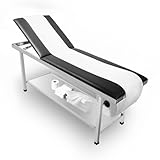
- Our product: This is a safe, comfortable, multifunctional medical bed, large examination table, and physical examination bed that meets the treatment and care needs of patients in different scenarios and improves the quality and efficiency of medical services. The high-strength steel frame can bear a load of 500 pounds. It is equipped with non-slip foot pads to prevent the bed from moving. The mattress is breathable and supportive
- Adjustable/comfortable: The steel medical examination table can adjust the back height according to needs, helping patients adjust their sitting posture to facilitate eating, reading and other activities. To optimize comfort, the steel medical exam table adds 2-inch-thick foam padding and rounded corners for safety.
- EASY INSTALLATION: The folding medical exam table installs and disassembles easily, allowing it to be easily placed anywhere, allowing you to quickly set up and start using the table without spending extensive installation time or complicated processes
- Easy to clean: The surface and frame of the examination table are easy to wipe. It is designed with hygiene in mind. The surface of the mattress is made of leather, which is easy to wipe and clean
- Application scenarios: The treatment table can be used as a veterinary examination table, clinical examination table, patient examination table, medical examination table, medical tattoo table, physical therapy exercise table, first aid examination sofa, adult changing table, medical table, beauty bed, massage table, Lying-down hydrotherapy table, physical therapy exercise table, etc
Preventive care is also more than a vaccine or a response to visible illness. Regular examinations create opportunities to assess wellness, educate caregivers, and identify problems early. The AAHA-AVMA preventive-healthcare guidelines recommend discussing future health-care recommendations and setting expectations for follow-up visits.
What can a veterinary team adjust?
Reduce avoidable sensory and environmental stress
- Where feasible, limit a pet’s exposure to unfamiliar animals using separation, barriers, or scheduling adaptations.
- Consider the clinic environment from the patient’s perspective, including waiting areas, examination rooms, and other spaces the pet may encounter.
- Prepare caregivers for what to expect so they can help the visit proceed smoothly.
The 2022 ISFM/AAFP environment guidelines note that some environmental changes can be inexpensive. The right adjustment depends on the clinic layout and the individual animal; a single room setup will not suit every patient.
Rank #2

- Product Introduction: This is a safe, comfortable, and versatile Medical Examinationbed, Large Exam Table, and Physical Examination Bed that can be used in different scenarios. The high-strength steel frame can bear a load of 440 pounds, the non-slip foot pads can prevent the bed from moving, and the mattress is breathable and supportive
- Adjustable/comfortable: The steel medical examination table can adjust the back height according to needs, helping patients adjust their sitting posture to facilitate eating, reading and other activities. To optimize comfort, the steel medical exam table adds 2-inch-thick foam padding and rounded corners for safety
- EASY INSTALLATION: The folding medical exam table installs and disassembles easily, allowing it to be easily placed anywhere, allowing you to quickly set up and start using the table without spending extensive installation time or complicated processes
- Easy to clean: The surface and frame of the examination table are easy to wipe. It is designed with hygiene in mind. The surface of the mattress is made of leather, which is easy to wipe and clean
- Application scenarios: The treatment table can be used as a veterinary examination table, clinical examination table, patient examination table, medical examination table, medical tattoo table, physical therapy exercise table, first aid examination sofa, adult changing table, medical table, beauty bed, massage table, Lying-down hydrotherapy table, physical therapy exercise table, etc
Provide secure footing and physical comfort
A slippery or cold examination surface can add discomfort to an already unfamiliar situation. The 2015 AAHA behavior-management guidelines recommend non-slip surfaces and identify nonskid mats or rubber shelf liners as options for horizontal surfaces. These can provide secure footing and warmth. A non-slip surface is a practical accommodation, not a substitute for assessing the patient’s comfort or response.
Match handling to the animal in front of you
Start with the least stressful, most humane handling approach and let the animal’s behavior guide how much restraint is needed and how long to continue. The 2022 AAFP/ISFM interaction guidelines emphasize reading a cat’s current emotional state and tailoring the approach to that individual; no single handling style is right for every cat.
What’s actually slowing this PC down?
Pick the symptom - the matching free tool is one click away.
Rank #3

- Durable & Stable: Built with a solid wood frame and corrosion-resistant surface varnish, this medical exam table supports up to 500 lbs, ensuring long-term durability and stable, reliable use for individuals of various body types
- Enhanced Comfort: Filled with a 3-inch high-resilience foam cushion, our medical examination bed evenly distributes pressure points, providing excellent support and comfort during exams. And the waterproof PU surface that's easy to clean and maintain
- 0°–40° Adjustable Backrest: Easily adapt to different exam needs! Featuring a convenient buckle adjustment system, this physical therapy examination table allows effortless backrest angle adjustment, improving both patient comfort and exam efficiency
- Thoughtful Designs: This examination treatment table features a spacious bottom storage shelf, providing organized storage space for medical tools, documents, and supplies. It also includes a paper roll holder for easy paper dispensing and replacement (Exam Paper Not Included)
- Easy Installation & Wide Application: Providing clear installation guidelines, our adjustable exam table is easy and quick to install. It is suitable for treatment clinics, hospitals, rehabilitation centers, massage therapy institutions and beauty studios
Pause or change course when a technique increases distress. A wrap, for example, should not be used if it makes the animal more stressed. The AAHA guidelines also recommend staff education in recognizing behavior and stress. As they put it, “For humane, low-stress exams, less is truly more.” 2022 AAFP/ISFM feline interaction guidelines · AAFP and ISFM feline-friendly handling guidelines
Use distraction or rewards selectively
Treats, toys, praise, affection, and other forms of positive attention can be considered when they suit the patient and the moment. Food-based approaches may be unsuitable for animals with food allergies or food-related aggression. A reward is an option, not a requirement; the team should consider the animal’s preference, safety, and response rather than pressing ahead with a distraction that is not helping.
Rank #4

- STURDY CONSTRUCTION: Solid wooden frame treatment table with a comfortable navy cushioned top, perfect for medical examinations and therapeutic treatments
- DIMENSIONS: Table measures 72.4 inches in length, 27 inches in width, and 30 inches in height, providing ample space for patients
- WEIGHT CAPACITY: Heavy-duty frame supports up to 450 pounds, ensuring stability and safety during examinations
- VERSATILE USE: Ideal for medical clinics, physical therapy offices, massage practices, and healthcare facilities
- COMFORTABLE PADDING: High-density foam for patient support
How can teams make vaccinations or blood collection less stressful?
Use the same patient-centered principles before, during, and after the procedure rather than relying on one technique. The following sequence is a practical way to apply the guidance; it is not a tested or validated PPVEP checklist.
- Prepare the visit. Ask the caregiver about the pet’s behavior and needs, and explain what to expect. Consider whether the appointment can reduce unnecessary exposure to other animals.
- Set up for comfort. Prepare a calm, workable space with secure footing. Consider the patient’s sensory environment and physical comfort before bringing the animal onto the examination surface.
- Observe before handling. Read the animal’s current behavior and begin with a low-stress approach. Adjust the pace and contact to the individual rather than assuming one handling method will fit all.
- Reassess during the procedure. Use only the restraint needed, and pause or change approach if distress increases. Use food, toys, or other distraction only when appropriate for that patient.
- End with clear communication. Explain relevant preventive-care recommendations and agree on follow-up expectations with the caregiver.
What can caregivers do before an appointment?
Caregivers can help by preparing for the visit and sharing useful information with the veterinary team. If a pet has food allergies, food-related aggression, or a known response to handling, tell the team so it can adapt its plan. Ask what to expect during the appointment and how follow-up will be handled. For cats, preparation for clinic visits is part of a broader feline-friendly approach; the AAFP and ISFM feline-friendly handling guidelines address handling as well as the experience around it.
Recommended Free Tools
What is known about PPVEP’s outcomes?
Veiga’s 2026 professional article reports that she observed improved client satisfaction and recurring appointments. It also says a clinic where she worked between 2024 and 2025 estimated that more than 1,500 patients had benefited from the approach. That figure is a clinic estimate reported by the protocol’s developer, not an independently audited count or a controlled outcome measure.
The available sources do not establish an independently published PPVEP-specific outcome study, a head-to-head comparison with other approaches, or a validated effect size. This does not show that the framework has no value: several broad principles it uses are supported by professional guidance. It does mean the protocol’s reported client-retention and satisfaction observations should not be treated as proof that PPVEP caused those outcomes.
Quick Recap
Product prices and availability are accurate as of the date/time indicated and are subject to change. Any price and availability information displayed on Amazon at the time of purchase will apply.




