Quick wins for a faster PC:
Clear out junk files and repair common Windows errorsFree Scan →Scan for outdated or missing drivers - takes under a minuteDriver Scan →Repair Windows errors before they cause bigger problemsFix Now →No fish reliably clears every kind of pond algae. The right choice depends on whether you have green water, floating filamentous mats or submerged plants, plus your climate, pond size, plants, predators and local stocking laws. Fish can also add nutrients, uproot plants and worsen algae. Identify the algae and correct nutrient problems first; add fish only when a species genuinely fits the pond.
Match the fish to the algae problem
Planktonic green water
Green water is caused by microscopic suspended algae. A fish that grazes algae attached to surfaces is not automatically useful against this problem. Reducing feed and fertilizer runoff, increasing plant uptake and maintaining filtration are more dependable first steps.
Filamentous mats
Stringy or cotton-like mats can be raked or netted from a small pond. Dispose of the material well away from the water; removing the biomass also removes nutrients that would otherwise decompose in the pond.
Submerged vascular plants
Some fish, especially grass carp, are better understood as plant-control fish. They are not a universal treatment for algae and can remove too much cover if overstocked.
#1 Best Overall
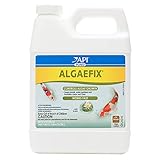
- API POND ALGAEFIX – Helps resolve algae problems and controls the formation of new algae; works fast without harm to fish, aquatic plants, surrounding wildlife, or pets when used as directed; includes 32 fl oz for treating up to 9,600 gallons
- Fast and Effective – Controls most types of algae, including green water (Chlorella), string and hair algae (Cladophora), blanket weed algae (Oedogonium) in ponds, koi ponds, and fountains
- Safety First – EPA-registered and copper-free formula is safe for fish and plants when used as directed and won't disrupt beneficial bacteria or accumulate in pond sediment
- How to Use – Ensure that the pond/fountain has vigorous aeration; mix thoroughly into the pond/fountain and disperse evenly; repeat every 3 days until algae is controlled, then dose weekly to keep ponds/fountains clear and reduce maintenance
- Why API Products? – For over 60 years, we've been a leader in the aquatics industry, developing and perfecting products and solutions for indoor aquariums and outdoor ponds. Today, our family of products includes treatments, testing, and nutrition.
11 fish considered for algae control
1. Triploid grass carp (white amur)
Grass carp usually prefer soft-stemmed vascular plants and eat a broad range of vegetation. Iowa State University Extension describes them as fish that “do eat everything,” and warns that overstocking can eliminate too much plant cover and contribute to algal blooms. They are therefore a poor first choice for a pond whose main problem is filamentous algae or green water.
Where they are legal, use only certified sterile triploid fish. Iowa State cites conservative Iowa Department of Natural Resources guidance of 1–2 fish per acre for private ponds; that figure is area-based guidance for Iowa, not a recipe for a small garden pond. Ask your state fisheries authority about permits, certification and escape rules before purchase.
2. Tilapia, including Mozambique tilapia
Tilapia can consume filamentous algae and small floating plants, but they are tropical fish. University of Illinois Extension (2020) states that they do not survive below 55°F, so outdoor ponds in cooler regions may require annual restocking. They can also add a substantial nutrient load if stocked heavily.
Rank #2
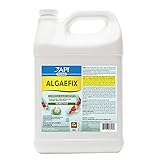
- API POND ALGAEFIX – Helps resolve algae problems and controls the formation of new algae; works fast without harm to fish, aquatic plants, surrounding wildlife, or pets when used as directed; includes one gallon for treating up to 38,400 gallons
- Fast and Effective – Controls most types of algae, including green water (Chlorella), string and hair algae (Cladophora), blanket weed algae (Oedogonium) in ponds, koi ponds, and fountains
- Safety First – EPA-registered and copper-free formula is safe for fish and plants when used as directed and won't disrupt beneficial bacteria or accumulate in pond sediment
- How to Use – Ensure that the pond/fountain has vigorous aeration; mix thoroughly into the pond/fountain and disperse evenly; repeat every 3 days until algae is controlled, then dose weekly to keep ponds/fountains clear and reduce maintenance
- Why API Products? – For over 60 years, we've been a leader in the aquatics industry, developing and perfecting products and solutions for indoor aquariums and outdoor ponds. Today, our family of products includes treatments, testing, and nutrition.
The University of Arkansas Cooperative Extension Service reported 200–400 tilapia per acre as an effective range under its 2011 conditions, with control developing over several months. That intensive, region-specific figure should not be transferred to a backyard pond without local aquaculture advice, legal review and a plan for seasonal temperatures.
What’s actually slowing this PC down?
Pick the symptom - the matching free tool is one click away.
3. Common plecostomus (pleco)
Plecos graze algae attached to surfaces. NOAA pond guidance notes that, where legal, adding a plecostomus can provide biological control for attached algae. Outdoor use is climate-dependent, and plecos add fish biomass and waste, so they can undermine water quality if the pond is small or heavily stocked. Check the exact species, winter temperatures, adult size, escape risk and local legality; never release one into natural waters.
4. Koi
Koi are ornamental fish, not dependable algae-control workers. Penn State Extension says koi and other carp are relatively ineffective for aquatic-plant and algae control and tend to create muddy-water problems. Their grazing and rooting can resuspend sediment, while feeding and waste add nutrients. Keep koi for their ornamental value and manage algae through pond design and nutrient control.
Rank #3

- API POND ALGAEFIX – Helps resolve algae problems and controls the formation of new algae; works fast without harm to fish, aquatic plants, surrounding wildlife, or pets when used as directed; includes 16 fl oz for treating up to 4,800 gallons
- Fast and Effective – Controls most types of algae, including green water (Chlorella), string and hair algae (Cladophora), blanket weed algae (Oedogonium) in ponds, koi ponds, and fountains
- Safety First – EPA-registered and copper-free formula is safe for fish and plants when used as directed and won't disrupt beneficial bacteria or accumulate in pond sediment
- How to Use – Ensure that the pond/fountain has vigorous aeration; mix thoroughly into the pond/fountain and disperse evenly; repeat every 3 days until algae is controlled, then dose weekly to keep ponds/fountains clear and reduce maintenance
- Why API Products? – For over 60 years, we've been a leader in the aquatics industry, developing and perfecting products and solutions for indoor aquariums and outdoor ponds. Today, our family of products includes treatments, testing, and nutrition.
5. Goldfish
Goldfish are hardy and consume naturally occurring foods in a balanced pond, but they do not reliably clear an algae bloom. Overfeeding, overstocking and uncontrolled breeding increase nutrient loading and can make algae worse. Stock conservatively and include filtration and plant capacity in the carrying-capacity calculation.
6. Mosquitofish
Mosquitofish appear on specialist lists of small algae-eating pond fish, but their usefulness and legal status are local questions. Choose only a species permitted in your area, confirm that it can overwinter, and prevent escape to connected streams or wetlands. If the pond can connect to natural waters, Virginia Cooperative Extension recommends native fish to reduce exotic-species risk.
Recommended Free Tools
7. Siamese algae eater
Siamese algae eaters are primarily warm-water aquarium fish. Do not assume they will survive an outdoor winter, tolerate a backyard pond’s predators or control suspended green water. Consider one only in a protected, warm climate after verifying the exact species and local rules.
Rank #4

- 99% Copper Sulfate Pentahydrate. To be used for large bodies of water, not small decorative ponds, water features, or pools.
- Controls most species of algae like filamentous, string algae and swimmers itch. Copper Sulfate should be used as a pond algae treatment on actively growing algae in water temperature above 60F.
- Most effective when cast out on top of thick floating algae mats. Be aware of how much vegetation you are treating at one time. Eliminating too much at once can deplete the oxygen levels too quickly for your fish.
- Granular Copper Sulfate, 5 lbs
- DO NOT use in bodies of water that include Koi, Goldfish, Trout, or Grass Carp. These types of fish are sensitive to copper sulfate products.
8. Otocinclus catfish
Otocinclus are small grazers listed by pond specialists, but they are best treated as warm-water, protected-pond fish. Their small size makes them vulnerable to predators and poor candidates for exposed ponds with cold winters. They are not a universal solution for a nutrient-driven algae bloom.
9. Loricariid algae-eating catfish
Several loricariid genera graze algae and biofilm. Exact species differ in adult size, temperature tolerance, behavior and legal status, so a generic “algae-eating catfish” label is not enough. Obtain the scientific name and confirm winter survival, bioload, escape risk and authorization with a local fisheries or extension office.
10. Native local pond fish
Native species selected with local fisheries guidance can reduce the risk of introducing exotic fish, especially where overflow or drainage could carry fish into natural waters. “Native” is not a guarantee of algae control: choose a species for the pond’s habitat and legal stocking list, not simply because it is available by mail order.
Best Value

- Fast Acting & Easy to Use -- InstaFix Algae Control helps you win the algae battle, offering fast-acting, easy-to-use algae control. Simply pour liquid treatment evenly around the pond's edge.
- EPA Registered Algaecide -- Control excessive algae blooms, green water, blanketweed, or string algae in your water garden or koi pond. Eliminate existing algae growth and control future algae growth.
- Controls String Algae & Algae Blooms -- Algae remover works best in water well aerated by an aerator, waterfall or fountain. Use InstaFix to treat existing algae growth or once a week for maintenance.
- Combats Green Water -- Eliminates planktonic algae that causes green water. Treatment is ideal for small outdoor ponds, water gardens, birdbaths, fountains, or other decorative water features.
- Safe for Fish and Plants -- When used as directed, treatment will not harm plants, fish, koi, goldfish, birds, livestock or wildlife. Do not use with snails, shrimp, clams, crustaceans or mollusks.
11. Region-specific warm-water algae grazers
Suppliers market additional warm-water species for algae grazing. Treat these as location-specific options, not universal recommendations. Confirm the pond’s minimum winter temperature, expected adult size and waste production, predator pressure, escape pathway and written authorization before stocking.
Independent reader supportYour contribution helps us test, update, and keep practical guides available for everyone.Comparison at a glance
| Fish | Most relevant target | Winter and climate concern | Main pond-management caution |
|---|---|---|---|
| Triploid grass carp | Submerged vascular plants | Region and permit dependent | Can strip vegetation; sterile triploids required where mandated |
| Tilapia | Filamentous algae and small floating plants | Cannot survive below 55°F; often seasonal | High stocking densities are region-specific; adds biomass |
| Plecostomus | Attached algae | Warm-water and species dependent | Legal status, adult size, waste and escape risk |
| Koi | No dependable algae target | Generally hardy, but climate does not make them algae controllers | Rooting and waste can create muddy, nutrient-rich water |
| Goldfish | Natural foods, not reliable bloom control | Usually hardy; local conditions still matter | Overfeeding and breeding increase nutrients |
| Mosquitofish | Limited grazing in suitable small-pond settings | Local climate and native status determine suitability | Escape and invasive-species rules |
| Siamese algae eater | Attached algae in warm systems | Outdoor winter survival is not assured | Predation and species identification |
| Otocinclus | Attached algae and biofilm | Warm, protected ponds only | Small size and low tolerance for exposed conditions |
| Loricariid catfish | Attached algae and biofilm | Species-specific | Adult size, temperature, legality and escape risk vary |
| Native local fish | Species-specific; not automatically algae control | Matched to local climate | Use fisheries guidance, especially near natural waters |
| Other warm-water grazers | Supplier-claimed, species-specific | Warm-climate requirement likely | Evidence and authorization are location-specific |
A whole-pond plan that works better than adding fish first
- Identify the growth. Decide whether the water is planktonic green, covered in filamentous mats or dominated by submerged vascular plants. The treatment target is different in each case.
- Cut nutrient inputs. Limit feeding, prevent fertilizer and soil runoff, remove decaying debris and avoid stocking more fish than the pond can support. Excess nutrients from feed, fish waste and runoff are central algae drivers.
- Increase nutrient uptake and filtration. Protect suitable aquatic plants and maintain mechanical and biological filtration. Clemson Extension recommends plant coverage and filtration as nutrient-management tools.
- Remove mats physically. Rake or net filamentous algae from small ponds and dispose of it away from the shoreline so nutrients do not return as it decomposes.
- Check stocking conditions before buying fish. Confirm minimum water temperature, pond area and depth, plant community, predator pressure, carrying capacity, sterile status where required and the risk of escape. Ask a local extension office or fisheries authority about permits and approved species.
- Use algaecides last. Follow the product label exactly. Copper compounds can harm fish and plants under some water conditions, so treatment without water-quality knowledge can create a second problem.
Questions to answer before stocking
- What algae or plants am I actually trying to control?
- Can the pond stay above the fish’s minimum temperature through winter?
- Will the fish’s adult biomass and waste exceed the pond’s filtration and plant capacity?
- Are koi, goldfish, wildlife and aquatic plants compatible with the proposed species?
- Can herons, raccoons or other predators remove the fish faster than they reproduce?
- Could overflow, flooding or drainage carry the fish into natural water?
- Does my jurisdiction require a permit, native species, certified triploids or seasonal removal?
Bottom line
For most garden ponds, algae control starts with fewer nutrients, adequate plants and filtration, and physical removal of filamentous mats. Tilapia can work in warm regions under tightly managed, legal conditions; triploid grass carp are primarily submerged-plant controllers; and plecos and small aquarium algae eaters are climate- and legality-dependent. No fish replaces whole-pond management, and adding fish without checking temperature, bioload and escape rules can make the algae problem worse.
Quick Recap
Product prices and availability are accurate as of the date/time indicated and are subject to change. Any price and availability information displayed on Amazon at the time of purchase will apply.




