What’s actually slowing this PC down?
Pick the symptom - the matching free tool is one click away.
Heat exhaustion in dogs can progress to heatstroke, a life-threatening emergency. If a dog is weak, confused, vomiting, struggling to breathe, collapsing, having seizures, or showing abnormal gums, move the dog to a cool place, begin cooling with cool water and airflow, and contact an emergency veterinarian immediately—even if the dog seems better.
Heat exhaustion is a useful plain-language description of early or developing heat-related illness, but owners should not try to diagnose the stage at home. Heatstroke can damage multiple organ systems and requires emergency veterinary care. Cooling should begin while help is being arranged, not after symptoms resolve or a thermometer confirms a particular temperature.
Key takeaways
- Heat exhaustion is an accessible description of developing heat-related illness, and the condition can progress to heatstroke, a life-threatening veterinary emergency.
- Heavy panting, excessive drooling, weakness, vomiting, confusion, breathing difficulty, seizures, collapse, or abnormal gum color require immediate action.
- Move an overheated dog to a cool environment, apply cool—not ice-cold—water, provide airflow, and contact an emergency veterinarian without waiting to see whether the dog improves.
- Brachycephalic, overweight, elderly, thick-coated, dark-coated, very large, and medically compromised dogs need extra precautions, but every dog can overheat.
- Shade, air conditioning, fresh water, cooler-time exercise, gradual acclimation, and avoiding parked cars matter more than cooling gear.
- A cooling vest, cooling mat, collapsible bowl, or pet thermometer can support preparation or comfort, but no product makes dangerous heat safe or treats heatstroke.
What does heat exhaustion mean in dogs?
Heat exhaustion in dogs is a practical description of early or developing heat-related illness, not a reliably diagnosed stage that owners can distinguish at home. Heat-related illness exists on a continuum: a dog may move from abnormal overheating to heatstroke, in which dangerously high body temperature is accompanied by neurologic or other systemic illness.
Merck Veterinary Manual emergency guidance, Cornell University College of Veterinary Medicine, and VCA Animal Hospitals all treat suspected heatstroke as an emergency. If a dog is showing more than ordinary post-exercise panting—or is weak, confused, vomiting, struggling to breathe, collapsing, or having seizures—treat the situation as an emergency rather than trying to identify the stage at home.
Do these 3 things before closing this tab:
1Clear out junk files and repair common Windows errors2Scan for outdated or missing drivers - takes under a minute3Repair Windows errors before they cause bigger problems#1 Best Overall
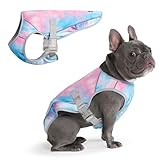
- Advanced Cooling Technology: The Chilltech cooling vest for dogs effectively reduces your pup’s body temperature through evaporative cooling. Just wet the vest, wring it out, and put it on - your dog will feel instant relief. The special fabric retains moisture to provide a long-lasting cooling effect, ideal for hot summer days and outdoor adventures.
- Enhanced Cooling Option: For an extra boost of cooling for dogs, dampen the vest and place it in the freezer before use. This makes it one of the most effective cooling items for dogs, perfect for extremely hot days and heatwaves - keeping your pup comfortable, cool, and protected.
- Safe and Durable Materials: Constructed with premium, lightweight materials, the Chilltech cooling dog vest is safe for your pet—free from harmful chemicals—and built to last. This dog cooling vest for summer offers excellent water absorption, breathability, and flexibility, ensuring all-day comfort during warm-weather adventures.
- User-Friendly Design and Protection: This vest top for dogs features convenient side-release buckles for easy on and off. Perfect for dog walking and dog hiking, it offers SPF 50 UV protection to help prevent sunburn and skin irritation. Reflective materials enhance visibility, keeping your pup safe during outdoor adventures.
- Long-Lasting Cooling Effect: This evaporative cooling vest provides up to 60 minutes of relief, depending on the weather and your dog’s activity level. Just re-wet to reactivate the cooling. It's the perfect cooling vest for dogs for hot weather and extended outdoor fun.
VCA Animal Hospitals states, Hyperthermia is an immediate medical emergency.
Cooling should begin while emergency veterinary care is being arranged, not after a thermometer confirms a particular temperature.
What causes heat exhaustion in dogs?
Heat exhaustion develops when a dog cannot release heat as quickly as the body is gaining it. Common triggers include hot or humid weather, strenuous exercise, poor ventilation, lack of shade or water, and confinement in a hot vehicle.
Dogs dissipate heat mainly through panting and have sweat glands primarily in their paw pads, so panting may no longer compensate as the environmental and exercise-related heat load rises. Cornell’s summer heat guidance identifies hot cars, hot and humid outdoor conditions without shade, and exercise in hot or humid conditions as common dangerous situations.
| Heat source | Why it can become dangerous | Safer choice |
|---|---|---|
| Hot or humid weather | Humidity can make panting less effective, while heat increases the dog’s overall heat load. | Use air conditioning or deep shade, provide fresh water, and limit outdoor activity. |
| Strenuous exercise | Running and intense play generate body heat faster than a dog may be able to release it. | Exercise during cooler parts of the day, take frequent rest and water breaks, and stop at the first sign of distress. |
| Poor ventilation | Still, enclosed air can trap heat around the dog and reduce cooling. | Use a properly cooled indoor space with effective airflow. |
| Parked vehicle | A vehicle can become dangerously hot very quickly, even when the outside temperature does not seem extreme. | Never leave a dog unattended in a parked car. |
How fast does a car get hot for a dog?
A parked car can become dangerously hot within minutes, and opening a window or parking in shade does not reliably make the vehicle safe. According to the Merck Veterinary Manual (2025), on an 85-degree day, the temperature inside a car can exceed 100 degrees in 10 minutes and exceed 120 degrees in 35 minutes.
Windows Errors? Fix Them Before They Spread
Repair common Windows errors and clear accumulated junk for a smoother, more stable PC - no reinstall needed.Free scan · no reinstallOutdated Drivers Are Slowing You Down
One free scan finds every outdated or missing driver and matches the right update for your exact hardware.Free scan · exact hardware matchThe practical rule is simple: do not leave a dog unattended in a parked vehicle, even if the windows are cracked, the vehicle is in shade, or the errand is expected to be brief. A car’s interior can heat faster than a person can safely respond to a dog in distress.
Rank #2

- Instant 3-Hour Heat Relief for Hot Days: Don't let scorching summer heat trap your dog indoors. Engineered with reusable tech ice packs, the SAVIOR COOL dog cooling vest provides 180+ minutes of continuous, deep cooling comfort-even in controlled 95°F extreme heat. Perfect for daily summer walks, beach trips, car rides, and backyard playtime, it allows your pup to romp freely, stay high-spirited, and beat the heat without heavy panting.
- No-Mess Dry-Touch Tech Helps Keep Fur Drier: Say goodbye to soggy, bacteria-prone soak-and-wear vests that ruin your dog's coat. Our advanced cooling dog harness features waterproof-lined, insulated pockets that contain moisture as the ice packs thaw. With 2 built-in cooling pockets and 4 reusable cold packs included for easy rotation, this low-mess design keeps your dog's fur dry, clean, and safe from hot-weather skin irritations.
- Anti-Chafe Fit for Medium & Large Dogs: The SAVIOR COOL cooling jacket for dogs features fully adjustable straps for a secure, rub-free fit. [Size M] fits neck 18-26" & chest 19.5-39"; [Size L] fits neck 19.5-39" & chest 25.5-47". Please measure your dog before ordering-this neck cut is tailored for larger breeds and may be too loose for French Bulldogs or Pugs.
- 2-in-1 Vest & Light Walking Harness: Engineered for relaxed summer outings, this cooling vest for dogs features an integrated D-ring designed strictly for gentle, no-pull walking when your dog is cooling down. It is not rated as a heavy-duty anti-pull harness. The visibility reflective trim wraps around the chest and back, ensuring maximum safety and peace of mind during late-night or early-morning summer walks.
- Rugged yet Lightweight Comfort for Daily Wear: Built for active dogs who love outdoor exploration, the outer layer is made of abrasion-resistant, quick-dry fabric that withstands rough play and scratches. The streamlined, breathable inner mesh allows maximum air circulation, reducing bulk and heat buildup so your large dog can run, jump, and explore with ease.
Which dogs are at higher risk?
Every dog can develop heat-related illness, but short-muzzled, overweight, elderly, thick-coated, dark-coated, very large, and medically compromised dogs have less margin for error. Higher risk does not mean that a dog outside these groups is safe: a fit, long-nosed dog can still overheat during hard exercise, high humidity, or vehicle confinement.
Extra caution is particularly important for brachycephalic breeds such as Pugs, Bulldogs, Boston Terriers, and Boxers, as well as dogs with heart or respiratory disease. The 2020 VetCompass analysis published in Scientific Reports also identified dogs weighing over 50 kg as a higher-risk group in its UK primary-care data.
| Risk factor | Examples | What to do differently |
|---|---|---|
| Short muzzle or airway difficulty | Pugs, Bulldogs, Boston Terriers, and Boxers | Choose more conservative activity limits and stop early for abnormal panting or distress. |
| Body condition or size | Overweight dogs and dogs weighing over 50 kg | Avoid strenuous heat exposure and ask a veterinarian about safe exercise and weight management. |
| Age or medical condition | Elderly dogs and dogs with heart or respiratory disease | Ask the dog’s veterinarian about heat and exercise limits rather than relying on another dog’s tolerance. |
| Coat or individual susceptibility | Thick-coated or dark-coated dogs | Use shade, cooling, supervision, and shorter outdoor sessions; monitor the individual dog closely. |
| No listed risk factor | Any otherwise healthy dog | Still avoid hot cars, strenuous activity in heat or humidity, and long periods without water or shade. |
What are the signs of heat exhaustion in dogs?
The first signs can look like ordinary post-exercise panting, but abnormal intensity, persistence, or accompanying weakness should be treated seriously. A dog with advanced signs may already have heatstroke, and a thermometer reading should never delay cooling or veterinary transport.
Recommended Free Tools
| Possible early warning signs | Advanced danger signs |
|---|---|
| Heavy, rapid, or abnormal panting | Difficulty breathing |
| Excessive drooling | Vomiting or bloody diarrhea |
| Seeking shade or refusing to continue | Confusion or disorientation |
| Reluctance to walk or play | Uncoordinated movement or staggering |
| Weakness or lethargy | Seizures |
| Restlessness or visible distress | Collapse or unconsciousness |
| Very red, pale, blue, or bruised-looking gums |
Merck’s emergency reference and VCA’s heatstroke guidance list breathing difficulty, gastrointestinal signs, neurologic changes, abnormal gum color, seizures, and collapse as serious warning signs. A dog does not need to display every sign before the situation is treated as an emergency.
How do I cool down an overheated dog?
Stop exercise, move the dog out of the heat, begin controlled cooling with cool water and airflow, and call an emergency veterinarian immediately. Home cooling is first aid while veterinary care is arranged; home cooling is not a substitute for examination or treatment.
Rank #3

- Keep your dog cool this summer with the Swamp Cooler Vest; It provides sun protection and evaporative cooling for hot weather activities such as hiking, walking, camping, and more
- We’ve updated the external air mesh for greater durability and water absorption; The new construction retains more water in high-exposure zones so they can play and explore more
- To activate, simply soak in water, wear and go; The outer layer reflects heat and facilitates evaporation while the updated middle layer absorbs more water to keep them cool longer
- Features an inner mesh lining keeps your pup dry and comfortable; The relaxed fit provides maximum shade with UPF 50+ to help protect them from the sun; Side-release buckles for easy on and off
- Wear on its own or layer over a harness with the integrated leash portal; Compatible with most harnesses, including Ruffwear’s Front Range, Hi & Light, and Web Master harnesses
- Stop activity and relocate the dog. Move the dog indoors, into air conditioning, or into deep shade. Keep the dog as calm and still as possible.
- Start controlled cooling. Use cool—not ice-cold—water over the head, stomach, armpits, and feet, then use a fan or air conditioning to support cooling. Avoid delaying this step while trying to determine whether the illness is “only” heat exhaustion.
- Contact an emergency veterinarian. Tell the clinic that the dog may have heatstroke and arrange immediate transport. Heatstroke requires veterinary assessment even if the dog appears to improve during cooling.
- Offer water only if the dog can drink safely. Once cooling has begun and the dog is alert enough to swallow normally, offer small amounts of water. Never force water into a confused, collapsed, or unconscious dog.
- Continue cooling and follow the clinic’s instructions during transport. Tell the veterinary team how long the dog was exposed to heat, what cooling was attempted, and whether the dog vomited, collapsed, had breathing trouble, or experienced seizures.
The VCA treatment guidance recommends cool water over key body areas followed by fan or air-conditioning support. Do not wait for a rectal temperature reading if obtaining one would delay cooling, a call to the emergency clinic, or transport.
Can I use ice water to cool a dog?
Avoid ice-water immersion and ice-cold water; use cool water and airflow while arranging emergency veterinary care. Very aggressive cooling can create additional problems, and the immediate priority is controlled cooling without delaying transport.
Veterinary references are not identical on every cooling tool. Merck describes cool water, ice packs, wet towels, and fans as possible measures, while VCA says ice packs and rubbing alcohol are no longer recommended and warns that covering a dog with wet cloths can interfere with evaporative or radiative cooling. The safest practical resolution is to use cool—not ice-cold—water and airflow, avoid rubbing alcohol and ice-water immersion, avoid wrapping the dog in wet material, and follow the emergency veterinarian’s instructions.
An owner should not spend valuable time resolving that disagreement before acting. Move the dog away from heat, start controlled cooling, call the emergency veterinarian, and transport the dog promptly.
What temperature is too hot for a dog?
There is no single outdoor temperature that is safe for every dog because humidity, sun, ventilation, exercise intensity, coat, body condition, airway function, age, and medical history all change the risk. A temperature that one dog tolerates during a brief shaded outing may be dangerous for another dog or during strenuous exercise.
Rank #4
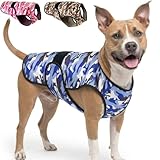
- Goldilocks Cooling Performance: Not too heavy, not too light; just right for summer comfort; dual-layer design made with true cooling microfiber, not mesh; outer layer evaporates while inner layer holds moisture for longer-lasting relief on hot days
- Soft and Durable: Premium quality microfiber feels soft against your dog’s skin and resists snagging better than single-layer alternatives; ideal for those seeking comfort and quality in a lightweight cooling vest
- Fast-Activating Cooling: No ice packs needed; just soak, wring out, and wear; vest activates instantly through evaporative cooling and can be rewetted throughout the day without refrigeration or inserts
- Adjustable and Harness-Friendly Fit: Secure Velcro chest straps ensure a snug, custom fit without restricting movement; can be worn under most walking harnesses and is available in six sizes from XS to XXL for small to large breeds
- Stylish Camo with UV Protection: Available in blue, pink, and green camo patterns; covers your dog’s back and chest for all-day sun protection with dense, tightly woven fabric to help block harmful UV rays
Do not use an ambient-temperature cutoff as permission to exercise a dog hard or leave a dog in a vehicle. High humidity, direct sun, poor airflow, and exertion can make conditions dangerous sooner, while brachycephalic, elderly, overweight, thick-coated, very large, or medically compromised dogs require a more conservative plan.
The Tool Desk
Outbyte PC Repair FREEClear out junk files and repair common Windows errorsFree Scan →Outbyte Driver Updater FREEScan for outdated or missing drivers - takes under a minuteDriver Scan →Watch the dog rather than relying only on a weather number. Heavy or abnormal panting, excessive drooling, reluctance to continue, weakness, distress, vomiting, confusion, breathing difficulty, abnormal gums, collapse, or seizures mean the dog needs immediate action. Hot pavement is another hazard: check walking surfaces before an outing because pavement can burn paw pads even when the air feels manageable.
What treatment does a veterinarian provide for heatstroke?
A veterinary team may provide controlled cooling, intravenous fluids, oxygen, mild sedation when indicated, and repeated temperature monitoring. Because heatstroke can injure several organ systems, the hospital may also monitor circulation, blood clotting, kidney function, neurologic status, gastrointestinal injury, and other complications.
VCA’s veterinary reference explains why apparent improvement is not a reliable all-clear. A dog can cool down while delayed complications remain possible, so suspected heatstroke warrants veterinary assessment even when panting decreases or the dog begins to act more normally.
Independent reader supportYour contribution helps us test, update, and keep practical guides available for everyone.Can a dog recover from heatstroke?
Yes, a dog can recover from heatstroke, but recovery depends on the severity and duration of overheating, the dog’s condition on arrival, and the complications that develop. Heatstroke can also be fatal, so rapid cooling and immediate veterinary care are more important than trying to predict the outcome at home.
Best Value

- 【Water-Activated Dog Cooling Vest】 Keep your dog comfortable on warm days with this water-activated dog cooling vest. Simply soak or spray the vest with water, wring out excess moisture, and put it on your dog to help provide refreshing cooling comfort during summer walks, hiking, camping, running, and outdoor play
- 【3-Layer Breathable Cooling Fabric】 This dog cooling jacket is made with a 3-layer fabric design: a breathable mesh outer layer, a water-absorbing middle layer, and a soft inner lining. The lightweight dog cooling coat helps retain moisture for evaporative cooling while allowing airflow for comfortable wear
- 【Flip-Up UV Neck Collar】 Designed with a foldable 4 cm neck collar, this summer dog vest offers extra neck coverage when flipped up and a relaxed fit when folded down. The UV neck collar helps reduce direct sun exposure around your dog’s neck during outdoor activities
- 【Adjustable Fit with Leash Opening】 The adjustable side buckle design makes this cooling vest for dogs easy to put on, take off, and secure for a snug fit. A convenient leash opening allows you to connect a leash easily, making it practical for daily walking, travel, park visits, and active outdoor use
- 【Reflective Trim for Better Visibility】 Built with reflective trim details, this breathable mesh dog vest helps improve visibility in low-light conditions. The lightweight structure, secure buckle, and comfortable fit make it a practical dog cooling vest for small, medium, and large dogs in hot weather
| Study and population | Reported result | How to interpret it |
|---|---|---|
| VetCompass/Scientific Reports study (2020); UK primary-care records from 2016 involving 905,543 dogs | 395 confirmed heat-related illness events; estimated incidence was 0.04% and event fatality was 14.18%. | This broader primary-care analysis describes occurrence and fatality in its defined population, not the prognosis of one individual dog. |
| Journal of Veterinary Internal Medicine retrospective study (2006); 54 dogs treated for heatstroke in a referral setting | Overall mortality was 50%. | This was a small, clinically severe referral population, so the figure should not be presented as the survival rate for every overheated dog. |
| Journal of Veterinary Internal Medicine study (2024); hospitalized dogs with naturally occurring heatstroke | Collapse before presentation, inability to ambulate, shock, and increased respiratory effort were associated with death. | These are hospital-case prognostic associations, not a home triage calculator or a reason to delay treatment. |
The figures differ because the studies used different populations, case definitions, years, and care settings. The useful conclusion is not one universal mortality percentage. The useful conclusion is that heatstroke can be fatal, early recognition matters, and prompt veterinary treatment gives the dog the best chance of recovery.
How can I prevent heat exhaustion in dogs?
Prevention depends on reducing heat exposure and exertion before a dog begins to show symptoms. The most important protections are a cool environment, shade, fresh water, sensible exercise timing, gradual acclimation, supervision, and never using a parked car as a temporary holding place.
- Use air conditioning during extreme heat. Keep the dog indoors or in a reliably cool environment when outdoor conditions are dangerous.
- Provide shade and fresh water outdoors. Shade should remain available throughout the dog’s time outside, and water should be clean and accessible.
- Choose cooler exercise periods. Schedule walks and play for cooler parts of the day rather than exercising hard during peak heat.
- Reduce intensity in heat and humidity. Avoid strenuous activity, build acclimation gradually, and stop for frequent rest and water breaks.
- Monitor high-risk dogs more conservatively. Ask a veterinarian about exercise limits if the dog has airway, heart, lung, weight, mobility, or age-related concerns.
- Check the pavement. Hot asphalt can burn paw pads even when the air temperature seems manageable.
- Never leave a dog unattended in a parked vehicle. Cracked windows and shade do not reliably prevent dangerous interior temperatures.
Cornell’s dog heat-safety recommendations emphasize shade, water, cooler exercise times, gradual acclimation, and avoiding hot cars. Those measures are more dependable than treating a cooling accessory as permission for longer or harder activity.
Do cooling vests and cooling mats help dogs?
Cooling gear can support comfort and prevention during appropriate, supervised activity, but cooling gear cannot make extreme heat or strenuous exercise safe and cannot treat heatstroke. A dog wearing a cooling product still needs shade, water, activity limits, supervision, and a plan for immediate veterinary care.
| Product or approach | Primary use and mechanism | Limits and failure modes |
|---|---|---|
| dog cooling vest | Portable comfort during suitable walks or outdoor activity; evaporative designs use water to support cooling around the torso. | Requires correct chest-girth fit and monitoring; it can dry out, may be less useful in humid air, and cannot treat heatstroke. |
| Dog cooling mat | Resting comfort at home or during travel; gel or pressure-activated designs provide a cooler resting surface. | The dog may chew it, it does not cool the whole environment, and it cannot replace shade, airflow, water, or veterinary care. |
| Collapsible dog water bowl | Portable access to water during walks, travel, and rest breaks. | A bowl is useful only when filled and carried with a water supply; drinking access does not make intense heat exposure safe. |
| Pet thermometer | May provide information for a veterinary team when it can be used safely. | Taking a temperature must not delay cooling, an emergency call, or transport, and a reading does not rule out serious illness. |
| Shade, air conditioning, and airflow | Core environmental protection that reduces heat exposure and supports cooling. | Shade alone may not be enough in extreme heat, and airflow is not a substitute for moving the dog indoors or obtaining veterinary care when symptoms appear. |
For a hot-weather kit, a dog cooling vest can be a reasonable comfort accessory when the vest fits the dog’s chest and the outing remains short, supervised, and appropriate for the weather. The American Kennel Club’s hot-weather guidance treats cooling vests as optional supplies rather than emergency treatment. Follow the manufacturer’s fit and use instructions, monitor the dog, and remove the vest or end the outing if the dog shows distress.
Cooling products should be treated as supplements to a prevention plan, not as a safety guarantee. If the dog is weak, confused, vomiting, struggling to breathe, collapsing, having seizures, or showing abnormal gums, skip product troubleshooting and begin emergency care.
The Bottom Line
Bottom line: Treat abnormal panting or any sign of weakness, confusion, vomiting, breathing difficulty, collapse, seizures, or abnormal gums as a possible heatstroke emergency. Move the dog to a cool place, use cool water and airflow, call an emergency veterinarian immediately, and transport the dog even if the dog appears to improve.
Quick Recap
Product prices and availability are accurate as of the date/time indicated and are subject to change. Any price and availability information displayed on Amazon at the time of purchase will apply.
Quick wins for a faster PC:
Clear out junk files and repair common Windows errorsFree Scan →Fix the driver behind crashes, sound loss and screen glitchesFind Drivers →



