Quick wins for a faster PC:
Scan for outdated or missing drivers - takes under a minuteDriver Scan →Repair Windows errors before they cause bigger problemsFix Now →Fix the driver behind crashes, sound loss and screen glitchesFind Drivers →The Coton de Tulear is a small, sociable companion dog from Madagascar with a typical published life expectancy of 15–19 years and a distinctive cotton-like coat. The breed can suit families and active households, but it is not low maintenance: regular brushing, daily interaction, enrichment, training, and responsible health screening are essential.
“Coton” comes from the French word for cotton, while “Tulear” refers to the Madagascan port associated with the breed. The Coton’s appeal lies in the combination of a small, adaptable body and a lively, people-oriented personality; the main ownership challenge is keeping the long coat free of hidden mats.

Key takeaways
- The Coton de Tulear is a small companion dog from Madagascar, named for the port of Tulear and the French word for cotton.
- AKC’s current breed profile lists typical adult ranges of 9–15 pounds, about 9–11 inches tall, and a life expectancy of 15–19 years.
- The long, cotton-like coat needs regular, thorough brushing to the skin; a full coat may require daily brushing to prevent mats.
- Cotons are generally sociable, playful, adaptable, and people-oriented, but individual temperament still depends on genetics, socialization, training, and environment.
- A Coton needs daily movement, interaction, training, and enrichment and may become destructive when bored.
- Prospective buyers should request documentation for patella, hip, cardiac, and ophthalmologist evaluations recommended by the national breed club.
What is a Coton de Tulear?
The Coton de Tulear is a small, sturdy companion dog from Madagascar, known for a soft, white, cotton-like coat and an affectionate, interactive personality. The breed’s primary historical role was companionship rather than herding, guarding, retrieving, or vermin control, which helps explain why many Cotons prefer to participate closely in household life.
The name combines Coton, the French word for cotton, with Tulear, the Madagascan port associated with the breed. The Coton is also known as the “Royal Dog of Madagascar.” Historical accounts connect the dogs with Malagasy and Merina nobles, although traditional origin stories should be treated as history and folklore rather than confirmed lineage evidence. The American Kennel Club’s breed-history account provides the relevant historical context.
Outdated Drivers Are Slowing You Down
One free scan finds every outdated or missing driver and matches the right update for your exact hardware.Free scan · exact hardware matchWindows Errors? Fix Them Before They Spread
Repair common Windows errors and clear accumulated junk for a smoother, more stable PC - no reinstall needed.Free scan · no reinstall#1 Best Overall
How big does a Coton de Tulear get?
According to the American Kennel Club’s current breed profile, male Cotons are typically listed at 10–11 inches and 9–15 pounds, while females are listed at 9–10 inches and 8–13 pounds; the same profile lists a typical life expectancy of 15–19 years. These are breed-guide ranges, not guarantees for an individual dog.
| Characteristic | Typical published range or description |
|---|---|
| Male height | 10–11 inches |
| Female height | 9–10 inches |
| Male weight | 9–15 pounds |
| Female weight | 8–13 pounds |
| Life expectancy | 15–19 years |
| Build | Small and sturdy; somewhat longer than tall |
Adult Cotons are characterized by a profuse, long, white, cotton-like coat, dark eyes, and an expressive face. Puppies may have color or markings around the head and ears that change as they mature, so puppy markings are not a definitive prediction of the adult coat. The breed standard describes natural presentation and penalizes grooming that artificially changes the dog’s appearance. See the AKC Coton de Tulear breed profile and the USACTC breed standard for the published appearance requirements.
Are Coton de Tulears good family dogs?
Coton de Tulears can be excellent family dogs for households that want a small, involved companion and can provide daily interaction, training, and coat care. The official USACTC standard calls the ideal Coton “happy,” “stable,” and “very sociable with humans and other dogs,” while also stating that temperament is one of the main characteristics of the breed. That description defines the breed ideal, not a promise about every individual dog.
Many Cotons enjoy lap time, games, walks, tricks, and being near their people. The breed is often adaptable, but adaptability does not mean that a Coton can be ignored or left without structure. Children should be taught respectful handling, and adults should supervise interactions, especially because a small dog can be injured by rough play. Introductions to other dogs, cats, visitors, and unfamiliar situations should be gradual and controlled.
Do these 3 things before closing this tab:
1Repair Windows errors before they cause bigger problems2Fix the driver behind crashes, sound loss and screen glitches3Clear out junk files and repair common Windows errors| Household factor | What a Coton may offer | What the owner must provide |
|---|---|---|
| People and visitors | Often sociable and attentive to people | Early socialization and calm-greeting training |
| Children | Playful companionship in a well-managed home | Supervision and teaching children gentle handling |
| Other dogs | Often willing to interact with dogs | Thoughtful introductions and continued social learning |
| Apartment or smaller home | Small size and adaptability can be practical | Daily walks, play, enrichment, and companionship |
| Busy household | May enjoy participating in household activities | A plan for grooming and periods of safe independence |
Is a Coton de Tulear high maintenance?
A Coton de Tulear is not a wash-and-go small dog. The coat is the breed’s main practical responsibility: long, fine hair can tangle close to the skin even when the surface looks brushed. Owners need a recurring routine for brushing, bathing, drying, ear handling, nail care, and coat inspection.
AKC grooming guidance recommends regular—and specifically daily for a full coat—brushing, with a brush or comb reaching gently all the way to the skin. Brushing only the top layer can leave hidden tangles underneath. Severe mats may require the coat to be shaved down, and matted hair can irritate the skin and contribute to infection.
Rank #2

- ★ THE PERFECT HAIR REMOVING DOG BRUSH - Tuff Pupper's line of brushes for dogs that shed gently removes loose hair, and eliminates tangles, dander and trapped dirt. Works great on all pets, all sizes and hair types!
- ★ SAFE & GENTLE SHED BRUSH FOR CATS - Our cat shed brush long hair cats love, are designed with safety and comfort in mind. No scratch, "Comfort End Bristles" ensure you and your pet a safe, comfortable grooming session with safe rounded pins.
- ★ DETANGLING CAT BRUSH w/ ERGONOMIC COMFORT-GRIP ANTI-SLIP HANDLE - Our dog brush detangling tool provides a rubberized grip, allowing for a confident grip even with wet hands. Ergonomic design prevents hand and wrist strain for all day use for professional groomers.
- ★ A COMFORTABLE AND PLEASANT EXPERIENCE - All veterinarians recommend regular grooming to their pet owners. Regular use of Tuff Pupper's dog de shed pin brush provides your pet with a soft and shiny coat. Regular quality grooming time with your pet will ensure they learn grooming is a pleasant experience and will look forward to being combed!
- ★ WORLD CLASS CUSTOMER SERVICE & 100% SATISFACTION GUARANTEE — Because we’re animal lovers, TuffPupper has been voted time and time again as being #1 in customer satisfaction. If you have ANY issues with your pet brush we will replace it at no cost to you.
Coat condition, age, haircut, activity, and the individual dog’s hair texture affect the actual schedule. A short pet trim may reduce brushing time but does not eliminate routine maintenance. The USACTC recommends working in sections or layers, brushing from the skin outward, removing mats before bathing, and thoroughly rinsing and drying the coat. Its Coton grooming guidance also discusses spray-on coat detanglers and conditioners.
When choosing equipment, look for a gentle Coton de Tulear grooming brush or long-pin dog brush that allows you to work through the coat in small sections. A comb can help check whether the brush has reached the skin. No single brush is guaranteed to suit every Coton coat, so owners should use gentle handling and ask a professional groomer to demonstrate technique if mats are recurring.
How often should you brush a Coton de Tulear?
A full-coated Coton generally needs brushing very frequently, often daily, and every session should reach the skin rather than smooth only the visible surface. Shorter coats may need less time, but owners still need regular checks for tangles behind the ears, under the legs, around the collar, in the armpits, and near the tail.
- Work on a calm, dry coat in small sections.
- Separate the hair and brush from the skin outward.
- Use a suitable spray conditioner or detangler when appropriate to reduce breakage.
- Check each section with a comb instead of assuming a smooth surface is tangle-free.
- Stop and get grooming help when a mat is tight against the skin; pulling hard can hurt the dog.
Puppies should learn that brushing, bathing, drying, nail care, and handling of the ears and feet are safe routines. Merck recommends positive exposure to grooming and other ordinary experiences during the puppy socialization period. Short sessions paired with rewards are more useful than forcing a frightened puppy through a long grooming session.
Do Coton de Tulears shed, and are they hypoallergenic?
Coton de Tulears may shed less visibly than dogs with heavily shedding coats, but no Coton is guaranteed to be hypoallergenic. Dog allergies can involve dander, saliva, and individual exposure responses, so a person with allergies should spend time with adult Cotons before choosing the breed and should discuss symptoms with a medical professional.
“Low visible shedding” also does not mean “low maintenance.” Hair that is not shed onto the floor can remain in the coat and form mats unless brushing reaches the skin. The AKC breed profile describes the coat and shedding characteristics but does not establish that every allergy sufferer will tolerate the breed.
Recommended Free Tools
Rank #3
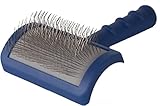
- TOUGH ON TANGLES - The Show Tech Tuffer Than Tangles Slicker Brush is designed with long, soft pins to gently remove tangles and mats from your pet's fur.
- EFFECTIVE GROOMING - This brush is perfect for grooming doodles, poodles, and other breeds of dogs with curly or wavy coats. It can also be used on cats!
- COMFORTABLE & PLEASANT - The ergonomic handle allows you to comfortably groom your pet without straining your wrist or arm. Your pet will enjoy the gentle brushing experience!
- DURABLE & LONG-LASTING - Made from high-quality materials, this brush is built to last and withstand frequent use.
- EASY TO CLEAN & MAINTAIN - The slicker brush features allows easy removal of loose hair from the pins after each use.
How much exercise does a Coton de Tulear need?
A Coton de Tulear needs daily movement plus interaction and problem-solving opportunities, although the breed is not necessarily a demanding running or working dog. Comfortable walks, backyard play, short training sessions, retrieving, and interesting toys can support physical and mental health. The routine should be adjusted for age, health, weather, and the individual dog.
Small size is not the same as zero exercise. AKC describes the Coton as fairly active with moderate exercise needs and warns that “A bored and unhappy Coton can become destructive.” Enrichment is therefore part of ordinary care, not merely an optional extra.
| Need | Practical examples | What to watch for |
|---|---|---|
| Physical movement | Daily walks and supervised play | Adjust intensity for age, health, heat, and fatigue |
| Training | Name games, recall, loose-leash walking, obedience, tricks | Keep sessions short, lively, and reward-based |
| Scent and problem-solving | Hide-and-seek, scent searches, food-dispensing toys | Prevent frustration and supervise toys |
| Social contact | Calm family participation and controlled introductions | Provide rest as well as stimulation |
Merck’s veterinary behavior guidance recommends constructive activities such as walking, retrieving, hide-and-seek, reward-based training, and food-dispensing or chew toys. A small-dog food puzzle can be useful enrichment, but it is not a treatment for separation anxiety and should be selected and supervised for the individual dog.
Are Coton de Tulears easy to train?
Coton de Tulears are generally bright and responsive, especially when training is lively, entertaining, consistent, and reward-based. AKC notes that the breed responds poorly to negative training practices and may enjoy activities such as obedience and agility. A Coton’s people-oriented nature can support training, but motivation and progress vary among individuals.
What’s actually slowing this PC down?
Pick the symptom - the matching free tool is one click away.
Early socialization should include controlled, rewarding exposure to people, dogs, grooming, car rides, traffic sounds, novel surfaces, and ordinary household experiences. Merck recommends avoiding overwhelming or frightening exposure and pairing new experiences with rewards. A useful puppy plan includes:
- name recognition and recall games;
- loose-leash walking and calm greetings;
- handling of feet, ears, mouth, and coat;
- gradual grooming-table or mat training;
- safe, brief alone-time practice;
- controlled puppy socialization; and
- household rules taught through reinforcement and management.
Training should also address barking or territorial alerting early. The breed can be alert and naturally territorial, so socialization and reinforcement of quiet, calm behavior matter even in a friendly dog.
Rank #4
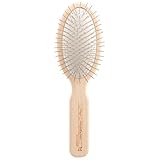
- DOG PIN BRUSH – meet the brush that started it all. Chris Christensen Original Series Pin Brushes offer quality and durability, all in an affordable, universal premium pin brush. Rounded pins glide through the coat easily and comfortably. Available in a variety of shapes and pin lengths, there is a Chris Christensen Original Pin Brush that is a perfect match for your dog’s coat.
- DURABLE OVAL BODY – the Original Oval Pin Brush is 8.5” in length, comfortable to hold, and made from a lightweight, durable Beechwood. The oval shaped head is effective at covering large areas of the body, making daily brushing a breeze. The firm, flexible cushion provides movement through the coat, even those with a dense or mixed coat type. This brush is suitable for all breeds and mixes that require regular brushing.
- ROUNDED POLISHED PINS – each pin in an Original Series brush is round ground and polished. The pins will not scratch or irritate skin, and they will not pull and tug at the coat making it the ideal brush for every dog, but especially for dogs with sensitivity issues or who hate being brushed. Choose the pin length based on your dog’s coat. For hair 1.5” or shorter, select 20mm pins; for hair 2” - 5” in length, select the 27mm; and for coats with longer hair, select the 35mm pins.
- LITTLE WONDER SIZE – for ringside touch-ups or face and feet, select the mini version of the Original Series Oval Pin Brush. Its smaller size - 5.75” in length with 20mm pins - has the exact features of the regular sized brush – round polished pins and a Beechwood body and handle. Ideal for travelling, on-the-go, and use at shows. Fits inside pockets and purses.
- HANDMADE IN GERMANY – Chris Christensen Original Series Brushes are handmade in Germany with unsurpassed quality and workmanship. Each brush is meticulously inspected from the stainless-steel pins to the ergonomic Beechwood handle. Each pin brush includes one air vent hole in the cushion for flexibility. It will withstand years of use, even with daily brushing, and is backed with a 6-month warranty against manufacturer defects.
Do Coton de Tulears get separation anxiety?
Coton de Tulears can be very attached to their people, but following family members or preferring company does not by itself prove separation anxiety. Clinically significant separation distress is associated with signs such as distress vocalization, destructive behavior, pacing, house soiling, salivation, restlessness, or an inability to settle when alone.
Merck explains the distinction in its guidance on behavior problems in dogs. Owners can support independence by introducing comfortable, gradual periods alone, providing a safe resting area, using appropriate food puzzles or chews, and keeping routines predictable. The owner should not punish destruction or vocalization after the fact.
Free tools Windows power users keep installed
One-click scans. No signup required.
If distress is persistent, severe, or associated with injury, house-soiling, or panic, consult a veterinarian or qualified veterinary behavior professional. Simply increasing the length of absences can worsen the problem when the dog is already over threshold.
Independent reader supportYour contribution helps us test, update, and keep practical guides available for everyone.What health tests should a Coton breeder have?
A prospective Coton buyer should ask to see documentation for patella evaluation, hip evaluation, cardiac examination, and ophthalmologist evaluation for both the sire and dam, because these are the screening areas identified in the national breed club’s health recommendations.
The Coton de Tulear Health Statement from the USACTC and AKC, dated July 1, 2021, describes the parent club’s recommended evaluations and its partnership with OFA and CHIC. The same health guidance notes that occasional eye problems and hip dysplasia can occur, that small breeds can experience luxating patellas, and that spinal disc disease has been reported.
| Evaluation to ask about | Why it belongs in the conversation | What the buyer should request |
|---|---|---|
| Patella evaluation | Small breeds can experience luxating patellas | Actual documentation identifying the tested dog and result |
| Hip evaluation | Hip dysplasia is among the issues identified in breed guidance | Recorded evaluation and an explanation of the result |
| Cardiac examination | Recommended by the national breed club | Veterinary or screening documentation for each parent |
| Ophthalmologist evaluation | Eye problems are among the health concerns noted in the guidance | Specialist eye-examination documentation |
A clearance is evidence about a particular tested dog and specified conditions; it is not a guarantee that a puppy will never become ill. Buyers should also ask about family health history, temperament, socialization, veterinary records, contracts, and how the breeder responds when health or temperament concerns arise. A breeder who will not provide understandable documentation deserves additional scrutiny.
Best Value

- BRING BACK THEIR NATURAL RADIANCE With the use of pearlescent brighteners, Healthy Breeds Bright Whitening Shampoo produces a glowing sheen on any light-colored coat.
- SHAMPOO + CONDITIONER Our pH balanced, tearless formula contains moisturizers (essential fatty-acids & colloidal oatmeal) that leave hair smooth, manageable and shiny.
- NO HARSH CHEMICALS Healthy Breeds offers a high-quality, professional grade whitening shampoo that adds luster bleach or peroxide. It is also soap-free and pH balanced for your pet.
- MADE IN THE USA! Buy with confidence! All Healthy Breeds products are made in federally regulated manufacturing facilities. Excellent customer service and return policy. 100% satisfaction guaranteed
- Healthy Breeds offers an assortment of dog products including health care, grooming, dental care and treats for over 200 breeds! Make sure to search for your breed! Click the Healthy Breeds hyperlink above to see our Amazon storefront
Who should get a Coton de Tulear?
A Coton de Tulear may be a good match for someone who wants a small, cheerful, interactive companion and is prepared to make grooming, training, companionship, and enrichment part of daily life. The breed can adapt to different lifestyles, but every lifestyle still needs a plan for exercise, social contact, coat maintenance, supervision, and alone-time training.
| A Coton may fit if you… | A Coton may not fit if you… |
|---|---|
| Want a people-oriented companion | Want a dog that is content without regular interaction |
| Can brush and inspect a long coat consistently | Want a truly low-maintenance coat |
| Enjoy short training games and daily walks | Assume a small dog needs no exercise or enrichment |
| Can teach calm independence | Have long, abrupt absences with no transition plan |
| Will verify health and temperament information | Would choose a breeder without reviewing documentation |
What is the final verdict on the Coton de Tulear?
The Coton de Tulear is best suited to an owner who values a sociable, playful, adaptable small companion and accepts the recurring work that comes with the breed’s distinctive coat. The central trade-off is simple: the Coton offers an engaging household personality, but responsible ownership requires thorough grooming, daily interaction and enrichment, positive training, gradual independence practice, and careful breeder health screening.
Frequently Asked Questions
Are Coton de Tulears hypoallergenic?
No. Coton de Tulears should not be described as hypoallergenic. Individual allergy responses vary, and dander, saliva, and exposure can still trigger symptoms even if the coat sheds less visibly than some other coats.
How often should you brush a Coton de Tulear?
A full-coated Coton de Tulear generally needs very frequent brushing, often daily, with the brush reaching gently to the skin. Owners should also inspect hidden areas for mats and maintain bathing, drying, nail, ear, and handling routines.
Are Coton de Tulears good family dogs?
Coton de Tulears can be good family dogs when children are taught respectful handling and adults supervise interactions. The breed is often sociable and playful, but individual temperament depends on genetics, socialization, training, and environment.
What health tests should a Coton de Tulear breeder have?
A buyer should ask for documentation of patella, hip, cardiac, and ophthalmologist evaluations for the sire and dam. Health clearances provide evidence about tested dogs and specified conditions but cannot guarantee that a puppy will never develop illness.
The Bottom Line
Bottom line: The Coton de Tulear is a cheerful, people-oriented small dog rather than a low-maintenance accessory. Choose the breed if you can consistently maintain the cotton-like coat, provide daily companionship and enrichment, and verify the parents’ recommended health evaluations.
Quick Recap
Product prices and availability are accurate as of the date/time indicated and are subject to change. Any price and availability information displayed on Amazon at the time of purchase will apply.
The Tool Desk
Outbyte Driver Updater FREEScan for outdated or missing drivers - takes under a minuteDriver Scan →Outbyte PC Repair FREERepair Windows errors before they cause bigger problemsFix Now →



