What’s actually slowing this PC down?
Pick the symptom - the matching free tool is one click away.
Yes—some animals that people find adorable can cause fatal injuries. But “could kill” describes possible severity, not your odds of meeting one. Risk depends on the species, habitat, distance, human behavior, and access to treatment. This is an illustrative list, not a deadliness ranking; “cute” is a subjective popular impression, not a biological category.
The safest rule is simple: enjoy wildlife from a distance. As the CDC puts it, “Wildlife may look cute or seem friendly, but they should always be enjoyed from a distance.”



15 animals whose appearance is a poor safety signal
-
Blue-ringed octopus
These small Australian and Indo-Pacific octopuses may show brilliant blue rings when threatened. A bite can deliver tetrodotoxin, causing paralysis and death without treatment. Never handle one, even in a shallow tide pool.
-
Cone snail
Beautiful shells can conceal a live cone snail. Its dart-like tooth can penetrate a wetsuit, and venom may cause paralysis, coma, and death. Do not pick up attractive shells in tropical Indo-Pacific waters.
Special offer. See more information about Outbyte and uninstall instructions. Please review EULA and Privacy policy. -
Lionfish
Ornate fins hide defensive spines. A sting can cause intense pain and systemic symptoms; severe injuries need medical assessment. Keep hands away from live lionfish and never corner one.
-
Stonefish
Stonefish resemble lumps of rock and can be stepped on in shallow water. Their dorsal spines inject venom, producing extreme pain and potentially life-threatening illness. Wear appropriate protective footwear where local authorities advise it.
-
Scorpionfish
Camouflaged scorpionfish use venomous spines defensively. Touching or stepping on one can cause serious envenomation, especially when the species is difficult to identify.
Rank #2
-
Venomous snakes
Many snakes use venom to immobilize prey. A bite is not automatically fatal, and danger varies greatly by species and location, but delayed treatment can be deadly. Do not handle snakes; move away slowly and seek urgent medical care after a suspected bite.
Windows Errors? Fix Them Before They Spread
Repair common Windows errors and clear accumulated junk for a smoother, more stable PC - no reinstall needed.Free scan · no reinstallOutdated Drivers Are Slowing You Down
One free scan finds every outdated or missing driver and matches the right update for your exact hardware.Free scan · exact hardware matchSpecial offer. See more information about Outbyte and uninstall instructions. Please review EULA and Privacy policy. -
Southern cassowary
This large rainforest bird has powerful, clawed feet and can behave unpredictably. Queensland authorities advise staying away, never feeding cassowaries, avoiding chicks, and backing away slowly if one approaches.
-
Saltwater crocodile
Saltwater crocodiles are among the few animals that may regard humans as prey. Queensland’s incident register records fatal and non-fatal attacks, including entries from 2024 through 2026; those records describe regional events, not a worldwide rate. Obey every local crocodile-warning sign and keep out of designated danger areas.
-
Dingo
Dingoes can look like friendly dogs, but feeding or otherwise habituating them to people increases the chance of dangerous behavior. Keep food secured, never feed a dingo, and do not encourage close contact.
-
Hippopotamus
A hippo’s rounded body and expressive face can look harmless, yet its size, powerful jaws, and territorial behavior make close approaches dangerous. Stay out of the water and away from calves and adults on land; follow guide instructions in parks and reserves.
Special offer. See more information about Outbyte and uninstall instructions. Please review EULA and Privacy policy. -
Moose
Moose often appear gentle, but they can charge when startled, defending calves, or during the rut. Give a moose a wide escape route, never feed it, and retreat if it lowers its head or raises its hackles.
-
Kangaroo
Kangaroos can injure people with powerful kicks, claws, and boxing strikes, particularly when cornered or fed. Watch from a distance and never approach a wild animal for a photograph.
-
Bear
Bear cubs look appealing, but an adult nearby may defend them. Bears can also be attracted to food and lose their wariness around people. Store food securely, follow local bear-country rules, and never approach a cub.
-
Big cats
Lions, tigers, leopards, and similar cats may look soft and playful when young, but they remain powerful predators. Do not enter enclosures, approach cubs, or assume a habituated animal is safe.
Recommended: Fix Windows Errors and Clear Junk Files in Minutes - Free Scan →Recommended: Update Every Outdated Driver on Your PC in One Scan - Free →Special offer. See more information about Outbyte and uninstall instructions. Please review EULA and Privacy policy.Best Value
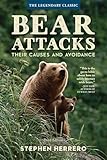
 Bear Aware: The Quick Reference Bear Country Survival Guide (Falcon Guides)
- BEAR AWARE HIKING 4TH
-
Poison dart frog
Bright colors can signal toxic skin secretions in some poison dart frogs. Risk depends on the species and exposure route, and captive-bred animals may differ from wild individuals. Do not touch wild frogs or transfer material from their skin to your eyes, mouth, or broken skin.
Why these hazards are not one ranking
The animals above pose different kinds of danger:
| Hazard mechanism | Examples | Typical exposure pathway | What changes the outcome |
|---|---|---|---|
| Venom or toxin | Blue-ringed octopus, cone snail, lionfish, stonefish, scorpionfish, venomous snakes | Handling, stepping on, or being stung or bitten | Species, dose, body site, time to antivenom or supportive care |
| Defensive injury | Cassowary, moose, kangaroo, bear | Approaching young, feeding, cornering, or surprising an animal | Distance, escape routes, terrain, and injury severity |
| Predatory or territorial attack | Saltwater crocodile, dingo, hippo, big cats | Entering habitat, swimming, feeding, or habituation | Animal behavior, barriers, supervision, and rapid rescue |
Equal inclusion in a list does not mean equal encounter odds or equal probability of death. A rare but severe exposure can belong here without being a common everyday threat.
What to do after a bite, sting, or scratch
- Get away from the animal. Do not attempt to catch or kill it.
- Call local emergency services for breathing trouble, paralysis, collapse, severe bleeding, rapidly worsening pain, or any suspected venomous bite or sting.
- Wash bites and scratches immediately with warm, soapy water. Ask a healthcare professional whether rabies vaccination is needed after a mammal bite.
- Follow species-specific medical advice. Do not cut around fang marks, suck out venom, apply herbal or topical remedies, or use a tourniquet that stops blood flow; these measures are not recommended.
- Tell clinicians where and when the exposure occurred and, only if it can be done safely, describe the animal’s appearance.
How to avoid an encounter
- Keep wildlife wild: do not feed, touch, chase, or pose beside animals.
- Stay on marked paths and obey beach, park, and crocodile-warning signs.
- Give animals extra space around nests, dens, calves, chicks, and food.
- Use a local wildlife authority’s guidance because species, seasons, and rules differ by region.
The Bottom Line
Looks are not a safety system. Keep your distance, never feed or handle wildlife, and treat any potentially venomous bite, sting, or serious injury as a medical emergency.
Quick Recap
Product prices and availability are accurate as of the date/time indicated and are subject to change. Any price and availability information displayed on Amazon at the time of purchase will apply.
The Tool Desk
Outbyte PC Repair FREERepair Windows errors before they cause bigger problemsFix Now →Outbyte Driver Updater FREEScan for outdated or missing drivers - takes under a minuteDriver Scan →