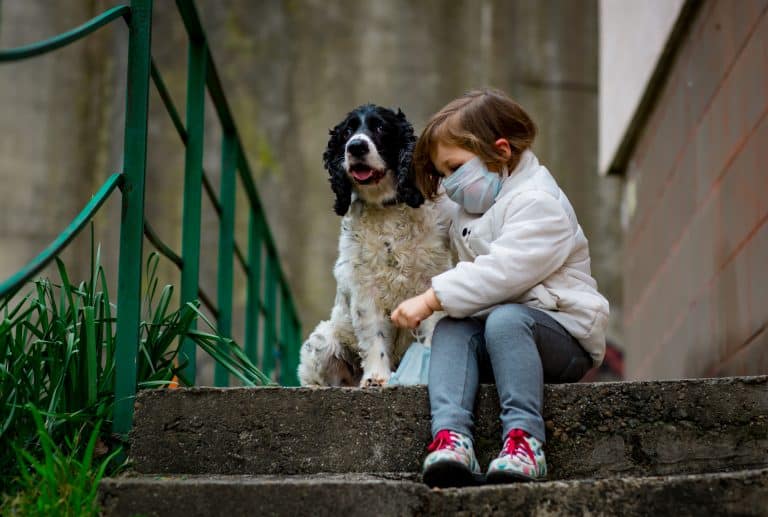
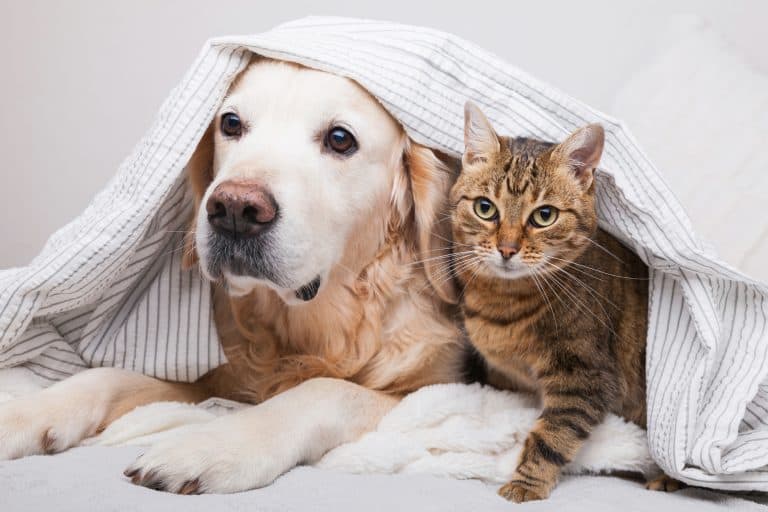
Some breeds are widely described as people-oriented, affectionate, and easygoing. Labrador Retrievers, Golden Retrievers, Cavaliers, Beagles, Poodles, Boxers, Irish Setters, Bichon Frises, Cotons de Tulear, Havanese, Boston Terriers, and Newfoundlands all fit that profile. But no breed guarantees that an individual dog will love every person: temperament, socialization, health, training, and experience all matter.
What makes a dog breed friendly?
Here, “friendly” means a general tendency toward sociability, affection, and comfort around people—not a promise that every dog will welcome every stranger. Breed descriptions and standards point to common tendencies, not fixed personalities. There is no authoritative statistic ranking the friendliest breeds, so the 12 below are a practical selection supported by American Kennel Club breed descriptions and temperament guidance, not a numbered ranking.


When choosing a companion, weigh sociability alongside size, daily activity, grooming, and the time you can devote to training. A friendly dog can still be energetic, strong, vocal, or demanding to maintain.
12 dog breeds known for friendly temperaments
1. Labrador Retriever
The American Kennel Club describes Labs as “friendly, outgoing, and high-spirited companions” with affection to spare for a family seeking a medium-to-large dog. Their people-oriented nature is a good fit for active households, but their energy and size call for regular activity and consistent training.
Crashes, No Sound, or Screen Glitches?
Random freezes, missing sound and display glitches usually trace back to one bad driver. Find and replace yours safely.Free scan · under a minutePC Slower Than It Used to Be?
A free scan shows the junk files, broken settings and background clutter dragging Windows down - then fixes them in one click.Free scan · Windows 10 & 11#1 Best Overall
2. Golden Retriever
The Golden Retriever is an exuberant Scottish gundog and a popular companion. Goldens are a natural choice for people seeking an affectionate, sociable dog, but their sporting background means they need daily exercise and engagement. Their longer coat also requires regular care.
3. Cavalier King Charles Spaniel
The Cavalier is a natural companion with a sweet, affectionate disposition. The AKC notes the breed’s suitability for families and households with children. Its small size can make daily handling and transport easier than with a large breed, though individual dogs still need gentle introductions and supervision around children.
4. Beagle
Beagles are known for joyful personalities and strong curiosity. Their sociability can make them appealing companions, while that curiosity and their sporting instincts make walks, sniffing opportunities, and mental activity important parts of daily life.
5. Poodle
Poodles are highly intelligent and outgoing, and the breed standard describes them as very active as well as intelligent. That combination can support training, but it also means they benefit from regular activity and mental challenges. Their coat needs ongoing grooming, with the amount of care depending on the clip and coat length.
Recommended Free Tools
6. Boxer
Boxers love being with people, thrive on companionship, and are described by the AKC as patient with children. Those are breed-level traits, not a guarantee for every dog or every child-and-dog interaction. Boxers are large, energetic dogs, so plan for activity, training, and close supervision with children.
7. Irish Setter
Irish Setters are an energetic, people-oriented sporting option included in the AKC’s friendly-breed guidance. They suit homes prepared to provide regular exercise and engagement; friendliness does not make an active sporting dog a low-maintenance choice.
Rank #3
8. Bichon Frise
The AKC temperament guide describes the Bichon Frise as gentle-mannered, sensitive, playful, and affectionate, with a cheerful attitude as a hallmark of the breed. This small companion may suit people looking for an affectionate dog in a compact size, but its coat requires regular grooming.
9. Coton de Tulear
The AKC temperament guide calls the Coton de Tulear “happy, stable, sociable with humans and dogs, adaptable.” These qualities support its reputation as a companionable small dog. Its individual comfort around people and other dogs still depends on experience and socialization.
Quick wins for a faster PC:
Clear out junk files and repair common Windows errorsFree Scan →Scan for outdated or missing drivers - takes under a minuteDriver Scan →Repair Windows errors before they cause bigger problemsFix Now →10. Havanese
Havanese are cheerful little dogs and companion animals. Their small size and people-focused role appeal to households seeking a close companion, while their coat calls for regular grooming and their social needs mean they should not be treated as a decorative, hands-off pet.
Rank #4
11. Boston Terrier
The Boston Terrier temperament guide describes the breed as friendly, lively, and very intelligent, with an excellent disposition. It is a small, spirited companion; prospective owners should consider the dog’s need for activity, training, and social contact rather than assuming a small dog is automatically low-effort.
12. Newfoundland
The AKC describes the Newfoundland as a sweet-tempered companion with a reputation for patience and watchfulness around children. This is a giant breed, so space, transport, physical management, and substantial coat care are important practical considerations alongside its gentle reputation.
Independent reader supportYour contribution helps us test, update, and keep practical guides available for everyone.How to choose the right friendly dog for your home
Match the dog’s size to your living situation
Cavaliers, Bichons, Havanese, and Boston Terriers are small breeds; Labs, Goldens, Boxers, and Newfoundlands are much larger. Size affects more than floor space: consider stairs, vehicle access, handling, equipment, and whether everyone in the home can safely manage the dog.
Plan for daily exercise and mental activity
Labs, Goldens, Poodles, Beagles, Boxers, and Irish Setters are among the active dogs on this list. They need daily opportunities to move and engage their minds. A sociable temperament does not replace exercise, training, or enrichment, and an under-stimulated dog may be harder to live with.
Be realistic about coat care
Poodles, Bichons, and Havanese need regular coat maintenance; Goldens and Newfoundlands also call for substantial grooming attention. Before choosing, consider the time and ongoing care you can provide for the particular coat and haircut.
Think about children and visitors individually
Boxers are described as patient with children, and Newfoundlands have a reputation for being patient and watchful around them. These reputations do not replace supervision, teaching children to handle dogs respectfully, or assessing an individual dog’s comfort. A dog that is friendly with familiar family members may still need careful introductions to visitors.
Prioritize socialization and humane training
Early, positive exposure to people, places, and everyday situations helps a dog learn what to expect. Use humane, reward-based training and let the dog approach at a comfortable pace. Avoid forcing interactions: friendliness is not the same as wanting to be touched by everyone, and a dog’s behavior can also be affected by health and past experiences.
Are any breeds friendly with everyone?
No breed can reliably be said to love every person it meets. The breeds here have descriptions supporting a sociable or affectionate profile, but individual temperament varies. Look at the dog in front of you: ask about its history, observe how it responds in ordinary situations, and choose a match for your household’s activity level, grooming capacity, and experience.
Quick Recap
Product prices and availability are accurate as of the date/time indicated and are subject to change. Any price and availability information displayed on Amazon at the time of purchase will apply.