Fish can contain heavy metals because these elements occur naturally and can also enter—or become more available in—aquatic environments through human activity. The contaminant most central to fish-consumption advice is methylmercury, which fish absorb mainly from their food. It can accumulate over time and become more concentrated higher in the food web, so large, long-lived predatory fish often contain more than smaller fish. Levels still vary widely by species, habitat, diet, age, size, and location.
Why are metals found in fish?
Mercury, arsenic, cadmium, and lead are naturally occurring elements. Mining, manufacturing, combustion, runoff, and other human activities can release them or change how mobile and biologically available they are in water and sediment.
Mercury can be transformed by microorganisms into methylmercury. This form can move from plankton and other small organisms into the fish that eat them. Fish-consumption charts from the U.S. Food and Drug Administration (FDA) and Environmental Protection Agency (EPA) focus primarily on methylmercury, not on every contaminant that might occur in seafood. Polychlorinated biphenyls (PCBs) and other chemicals may require separate, local warnings.
How does a fish accumulate heavy metals?
Uptake through food
Fish absorb methylmercury predominantly by eating contaminated prey. Because methylmercury binds strongly to tissues and is eliminated relatively slowly, exposure can build when uptake exceeds excretion. This process is called bioaccumulation.
The Tool Desk
Outbyte PC Repair FREEClear out junk files and repair common Windows errorsFree Scan →Outbyte Driver Updater FREEFix the driver behind crashes, sound loss and screen glitchesFind Drivers →#1 Best Overall

- Professional Quality Testing Kit: The AAwipes Aquarium test kit (50 strips) is developed by experts for fish enthusiasts. It offers 8-in-1 testing capabilities, made with high-quality fiber paper and non-bleeding colors. The kit measures key parameters like Free Chlorine, Nitrate, Nitrite, Hardness, Sodium Chloride, Total Alkalinity, pH and Ammonia nitrogen. By identifying potential issues, our fish tank testing kit helps prevent hidden water problems and ensures the safety and well-being of your fish.
- Versatile Use for Freshwater and Ponds: This aquarium water test kit is versatile and suitable for both freshwater and saltwater environments. It can be used in various aquariums, fish tanks, ponds, pools, and shrimp tanks, making it easy to monitor water quality and ensure your filter functions properly. Experts recommend testing your aquarium water at least twice a week to maintain optimal water quality.
- Fast and Accurate Results: Get accurate results in minutes with just 3 steps: 1) Dip the test strip into water for 2 seconds for pads 1-7; dip pad 8 (Ammonia nitrogen) separately for 5 seconds. 2) Remove the strip without shaking off excess water. Hold horizontally for 30 seconds for pads 1-7, wait 180 seconds to read Pad 8 (Ammonia nitrogen). 3) Compare the colors to the chart for up to 99% accuracy and take necessary action.
- Extended Shelf Life: The test strips are packaged in a well-sealed bottle to ensure they remain effective over time. This protects the strips from moisture and other environmental factors, ensuring you have reliable testing materials on hand when needed.
- Convenient Use: With this kit, you can test your aquarium water at home without the need to send samples to a lab, saving you both time and money. Enjoy peace of mind knowing your aquarium water is balanced and safe without the stress or extra expense.
Magnification through the food web
A small fish may eat many contaminated organisms. A larger fish then eats numerous smaller fish, taking in the methylmercury stored in their tissues. Concentrations can therefore increase at successive food-web levels, a process known as biomagnification.
Why predators often have higher levels
Large, older fish that eat other fish have had more time and more opportunities to accumulate methylmercury. This is a tendency, not a rule: habitat, feeding behavior, growth rate, migration, and local pollution can produce different levels among fish of the same broad type.
Do all fish contain the same amount?
No. Nearly all fish contain at least trace methylmercury, but “trace” does not mean every species creates the same exposure or health risk. The relevant differences include:
Rank #2

- Contains one (1) API FRESHWATER MASTER TEST KIT 800-Test Freshwater Aquarium Water Master Test Kit, including 7 bottles of testing solutions, 1 color card and 4 tubes with cap
- Helps monitor water quality and prevent invisible water problems that can be harmful to fish and cause fish loss
- Accurately monitors 5 most vital water parameters levels in freshwater aquariums: pH, high range pH, ammonia, nitrite, nitrate
- Designed for use in freshwater aquariums only
- Use for weekly monitoring and when water or fish problems appear
- Species and feeding position: predators that consume other fish often accumulate more.
- Size and age: a large, long-lived individual may have had longer exposure.
- Habitat: water chemistry and sediment conditions affect how mercury is converted and taken up.
- Location: contamination can differ sharply between rivers, lakes, coastal areas, and regions.
- Life cycle and ecology: migration, diet changes, and growth influence concentrations.
Appearance, smell, or taste cannot reliably reveal whether a fish contains harmful contaminant levels. For fish caught by anglers, the applicable waterbody advisory is more useful than judging the individual fish.
Recommended Free Tools
Which factors matter when choosing fish?
| Comparison | What generally raises concern | How to use the information |
|---|---|---|
| Species or type | Large, predatory species are often higher in methylmercury than small, short-lived species. | Use the current FDA/EPA species chart for store-bought fish. |
| Size, age, and lifespan | Older, larger individuals may have accumulated more over time. | Follow local rules for size limits and meal frequency when fishing. |
| Catch location | A polluted or otherwise affected waterbody can have elevated levels even for species usually considered lower in mercury. | Check the current state, tribal, territorial, or local advisory for that specific waterbody. |
These patterns do not justify assuming that every large fish is unsafe or that every farmed fish is safer. Concentrations depend on the particular species, production or habitat conditions, and individual fish.
Should people stop eating fish?
For most people, the evidence-based approach is selection and variety, not blanket avoidance. Fish provide protein and other nutrients, and FDA/EPA advice recommends choosing species lower in mercury. The guidance is especially important for people who are pregnant or might become pregnant, people who are breastfeeding, and children, because developing nervous systems are a key concern in methylmercury exposure.
Rank #3

- 𝗛𝗼𝗺𝗲 𝗔𝗾𝘂𝗮𝗿𝗶𝘂𝗺 𝗪𝗮𝘁𝗲𝗿 𝗧𝗲𝘀𝘁 𝗞𝗶𝘁 - Ensure the health of your fish with aquarium water testing kit & ammonia test strips for fish tank. This complete freshwater & saltwater tank test kit provides a reliable water tester for ammonia, pH, iron, chlorine, total hardness (GH), carbonate, nitrate, nitrite, total alkalinity, copper, and temperature, allowing you to have a complete understanding of your aquarium water quality. Trusted by fish enthusiasts, it adapts to your needs, making it an essential tool for aquarium care.
- 𝗔𝗰𝗰𝘂𝗿𝗮𝘁𝗲 & 𝗙𝗮𝘀𝘁 𝗧𝗲𝘀𝘁𝗶𝗻𝗴 𝗥𝗲𝘀𝘂𝗹𝘁𝘀 - Our aquarium water test strips deliver reliable results. Each fish tank water testing kit comes with easy-to-read color charts. This fish tank test strips are highly sensitive, detecting low levels of impurities and foreign substances in aquarium water. Our aquarium water quality tester helps prevent any invisible water problems.
- 𝗜𝗻𝘀𝘁𝗮𝗻𝘁 𝗛𝗼𝗺𝗲 𝗧𝗲𝘀𝘁𝗶𝗻𝗴—𝗡𝗼 𝗧𝗿𝗶𝗽𝘀 𝘁𝗼 𝘁𝗵𝗲 𝗦𝘁𝗼𝗿𝗲 - Testing 11 key parameters in your aquarium is easier than ever with just one kit. Just dip the strip in water and use the provided color chart for instant, reliable results. Say goodbye to frequent trips to pet stores because now you have our home water test kit with the ability to monitor your aquarium's water quality in the comfort of your own home.
- 𝗧𝗲𝘀𝘁 𝗦𝗺𝗮𝗿𝘁𝗲𝗿 𝘄𝗶𝘁𝗵 𝗘𝘅𝘁𝗲𝗻𝗱𝗲𝗱 𝗦𝗵𝗲𝗹𝗳 𝗟𝗶𝗳𝗲 𝗦𝘁𝗿𝗶𝗽𝘀 - Our aquarium test kit contains 150 test strips for aquarium fish tank: 50 strips in a bottle and 100 in a separate bags to maintain freshness. Once opened, it's recommended to use the strips within 3 months for maximum accuracy of the fish water testing kit. These water testing strips allow regular water quality checks without using all water test strips at once.
- 𝗩𝗲𝗿𝘀𝗮t𝗶𝗹𝗲 𝗪𝗮𝘁𝗲𝗿 𝗧𝗲𝘀𝘁𝗶𝗻𝗴 𝗞𝗶𝘁 𝗳𝗼𝗿 𝗔𝗹𝗹 𝗔𝗾𝘂𝗮𝘁𝗶𝗰 𝗡𝗲𝗲𝗱𝘀 - Our Aquarium water quality test kit is designed to cater to a wide range of aquariums including saltwater aquariums, freshwater fish tanks, betta fish tank, and fish ponds. Our hard water test kit can be used to test the water quality effectively, which ensures that you can maintain optimal water conditions in different aquarium setups.
U.S. FDA/EPA serving guidance
On the current FDA/EPA consumer advice, people who are or might become pregnant or are breastfeeding should choose:
- 2–3 servings per week from the “Best Choices” category, with a serving defined as 4 ounces.
- 1 serving per week from the “Good Choices” category, with no other fish that week under that chart guidance.
The chart lists species individually; use it rather than assuming that an entire broad group has one contaminant level. Canned light tuna is listed as a lower-mercury “Best Choice,” while other tuna types have different classifications.
The FDA/EPA FAQ reports average consumption of 4.2 ounces per week for pregnant people and 7 ounces per week for breastfeeding people, compared with the cited recommended range of 8–12 ounces. Those are figures reported by the guidance, not a new survey estimate.
Rank #4
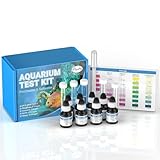
- 5-in-1 Master Test Kit: Monitor all 5 critical water parameters – pH, nitrite, nitrate, ammonia, and phosphate – in one comprehensive aquarium test kit. The rigorous analysis helps you maintain an ideal haven for your aquatic friends
- Freshwater & Saltwater Application: This aquarium water master test kit works perfectly for both freshwater and marine fish tanks. Precise color-matching charts are included – simply compare your water’s hue to the color swatches for instant results
- Enhanced Accuracy: Using professional liquid reagents, the aquarium water test kit delivers high accuracy that far exceeds traditional test strips. Get laboratory-quality results every time, safeguarding a stable and enjoyable fish tank environment
- Regular Testing: Complete with 265 measurements across all parameters – pH (100), nitrite (45), nitrate (50), ammonia (30), phosphate (40). This fish tank water testing kit supports months of consistent monitoring to keep your aquarium perfectly balanced
- Essential Fish Care: Your trusted solution to prevent fish loss from fatal ammonia, nitrite buildup, or pH imbalances! Proper water quality maintenance ensures your aquatic pets stay healthy and your plants thrive in optimal conditions
Can cleaning or cooking remove mercury?
No. Mercury is distributed through the fish’s tissue rather than sitting only on the surface. Cleaning, trimming, freezing, or cooking does not reduce the methylmercury already present. Preparation methods can affect other food-safety hazards, but they are not a mercury-removal method.
Independent reader supportYour contribution helps us test, update, and keep practical guides available for everyone.What should you do with locally caught fish?
Check the latest advisory for the exact lake, river, estuary, or coastal area where the fish was caught. Local agencies may set species-specific meal limits, recommend removing particular parts for contaminants other than mercury, or advise against eating fish from a waterbody altogether.
Do not rely on a home testing gadget to decide whether a fillet is safe. EPA explains that determining harmful contaminant concentrations requires laboratory analysis; posted advisories are the practical consumer tool. If no advisory is available, contact the relevant local or state health, fish-and-wildlife, or environmental agency before eating the catch.
Do these 3 things before closing this tab:
1Scan for outdated or missing drivers - takes under a minute2Repair Windows errors before they cause bigger problems3Fix the driver behind crashes, sound loss and screen glitchesBest Value

- Professional Quality Testing Kit: The AAwipes Aquarium test kit (25 strips) is developed by experts for fish enthusiasts. It offers 8-in-1 testing capabilities, made with high-quality fiber paper and non-bleeding colors. The kit measures key parameters like Free Chlorine, Nitrate, Nitrite, Hardness, Sodium Chloride, Total Alkalinity, pH and Ammonia nitrogen
- Versatile Use for Freshwater and Ponds: This aquarium water test kit is versatile and suitable for both freshwater and saltwater environments. It can be used in various aquariums, fish tanks, ponds, pools, and shrimp tanks, making it easy to monitor water quality and ensure your filter functions properly. Experts recommend testing your aquarium water at least twice a week to maintain optimal water quality
- Fast and Accurate Results: Get accurate results in minutes with just 3 steps: 1) Dip the test strip into water for 2 seconds for pads 1-7; dip pad 8 (Ammonia nitrogen) separately for 5 seconds. 2) Remove the strip without shaking off excess water. Hold horizontally for 30 seconds for pads 1-7, wait 180 seconds to read Pad 8 (Ammonia nitrogen). 3) Compare the colors to the chart for up to 99% accuracy and take necessary action
- Extended Shelf Life: The test strips are packaged in a well-sealed bottle to ensure they remain effective over time. This protects the strips from moisture and other environmental factors, ensuring you have reliable testing materials on hand when needed
- Convenient Use: With this kit, you can test your aquarium water at home without the need to send samples to a lab, saving you both time and money. Enjoy peace of mind knowing your aquarium water is balanced and safe without the stress or extra expense. By identifying potential issues, our fish tank testing kit helps prevent hidden water problems and ensures the safety and well-being of your fish
What “heavy metals” means in a fish-safety discussion
“Heavy metals” is a broad informal label. Mercury is the contaminant for which FDA/EPA provide the familiar fish-choice chart, and methylmercury is the form emphasized in that advice. Arsenic, cadmium, lead, PCBs, and other pollutants have different sources, behavior, and health considerations. A low-mercury designation therefore does not certify a fish as free of every possible contaminant; follow any additional local or product-specific warning.
Frequently Asked Questions
Is methylmercury in every fish?
Nearly all fish contain at least trace methylmercury, but concentrations vary by species, size, age, diet, habitat, and location. Trace presence does not mean every fish carries the same exposure or risk.
Does cooking fish lower its mercury level?
No. Mercury is present throughout the tissue, so cleaning and cooking do not remove it. Choose fish according to the applicable FDA/EPA chart or local advisory.
Quick Recap
Product prices and availability are accurate as of the date/time indicated and are subject to change. Any price and availability information displayed on Amazon at the time of purchase will apply.
Quick wins for a faster PC:
Repair Windows errors before they cause bigger problemsFix Now →Scan for outdated or missing drivers - takes under a minuteDriver Scan →Clear out junk files and repair common Windows errorsFree Scan →