Quick wins for a faster PC:
Repair Windows errors before they cause bigger problemsFix Now →Scan for outdated or missing drivers - takes under a minuteDriver Scan →The best scavenger fish depends on what you want it to eat. For leftover food and dead plant debris on the bottom, consider a group of Corydoras. For soft algae, brown diatoms, and biofilm on surfaces in a mature aquarium, Otocinclus may fit. A bristlenose pleco is a smaller pleco option, but it still needs appropriate space, food, and tankmates. None of these fish replaces routine aquarium maintenance.
First decide what you want the fish to eat
“Scavenger fish” can mean a bottom-forager that picks up uneaten food, or an algae grazer that feeds on growth attached to surfaces. Those are different jobs: a fish that eats scraps is not automatically an algae eater, and an algae grazer will not remove all detritus.

- Uneaten food and dead plant debris: Corydoras forage along the bottom.
- Soft algae, brown diatoms, and biofilm: Otocinclus graze on surfaces, especially in a mature aquarium.
- Some algae, with a larger fish commitment: Bristlenose plecos may suit aquariums with enough capacity and appropriate care.
These roles are described in Aqueon’s fishkeeping guide and the species guidance from Aquarium Co-Op.
Which scavenger fish fits your aquarium?
Corydoras: for food scraps on the bottom
Corydoras are a better match when the goal is to forage for uneaten food and dead plant debris, not to control algae. Aquarium Co-Op recommends keeping at least six of the same species and feeding a varied diet that includes meaty foods and sinking wafers. Do not expect them to live on leftovers.
What’s actually slowing this PC down?
Pick the symptom - the matching free tool is one click away.
#1 Best Overall
As broad context, Aquarium Co-Op gives a general temperature range of 72–82°F and pH 6.5–7.8, while noting that preferences differ among species. Check the care needs of the exact Corydoras species against your aquarium rather than treating those ranges as universal requirements.
Otocinclus: for soft algae and biofilm on surfaces
Otocinclus graze on soft green algae, brown diatoms, and biofilm on smooth surfaces. They are associated with mature, seasoned aquariums, where there is established growth to graze. Aquarium Co-Op gives a general range of 70–79°F and pH 6.0–7.5, but individual needs can vary.
Rank #2

- The aquarium brush made of high quality sponge, could remove the algae quickly and effectively, keep your fish tank a clean environment
- The brush handle made of premium plastic, sturdy and durable, with non-slip handle surface, make this clean work more easily
- Designed with a hole on the end of the handle, more convenient for you to hanging and store
- This algae scraper brush suitable for glass fish tank but not suitable for acrylic and plastic fish tank
- Dimension of sponge:3”x2.5”; Length of handle:12.5”
Choose healthy fish, ensure they accept supplemental foods, and avoid tankmates that may outcompete or eat them. Aquarium Co-Op notes that diet can vary among individuals; the Ornamental Aquatic Trade Association also cautions that Otocinclus can be delicate and need clean, highly oxygenated water. See Aquarium Co-Op’s catfish guide and OATA’s tropical algae-eater care sheet.
Bristlenose pleco: a smaller pleco, not a small commitment
Bristlenose plecos (Ancistrus spp.) are a smaller alternative to common plecos. Aquarium Co-Op describes them as typically 4–6 inches long and gives a housing range of 20–29 gallons or larger. Size and husbandry needs vary, so assess the individual fish and aquarium rather than using these figures as a guarantee.
Free tools Windows power users keep installed
One-click scans. No signup required.
Rank #3
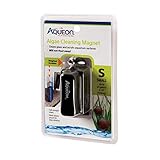
- Magnetic aquarium glass cleaner makes it easy to clean the inside of the aquariums from the outside
- Magnetic fish tank cleaner scrubber falls straight down if separated from magnet for easy retrieval
- Fish tank cleaner magnet with a curved pad that cleans flat and curved surfaces
- Weighted fish tank glass cleaner magnet will not float away
- This magnetic fish tank glass cleaner can be used on glass or acrylic aquariums
They are nocturnal and appreciate dimmer light and caves or other hides. Their diet needs more than whatever algae happens to grow: Aquarium Co-Op lists sinking foods and vegetables as part of a balanced mix. The same source warns that common plecos can approach two feet and produce substantial waste, so do not buy one as a quick algae solution for a small tank.
Independent reader supportYour contribution helps us test, update, and keep practical guides available for everyone.Match the fish to the algae problem
Adding an algae grazer is not a reliable fix for every algae bloom. Aqueon distinguishes between algae growing on surfaces and green water, which is suspended algae. Some short algae forms may be grazed by Otocinclus or certain plecos, while longer filamentous growth may need to be removed by hand. For green water, Aqueon discusses diatom filters and UV sterilizers rather than presenting a fish as the solution.
Rank #4
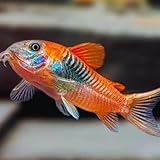
- You can choose from our Corydoras selections: Orange Veneuzela Cory, Panda Cory, Peppered Cory, Sterbai Cory, Julii Cory.
- Corydoras Catfish are peaceful, social bottom-dwellers that make an excellent addition to any freshwater aquarium. Known for their playful behavior and helpful cleaning habits, these small armored catfish thrive in groups and bring life to the lower levels of your tank.
- Corydoras are school fish - Best kept in groups of 5 or more for natural, lively movement
- Community Compatibility: Help keeping your tank clean by scavenging leftover food and enjoy living in groups where they display lively, social behavior.
Address the conditions that allow persistent growth, too. Aqueon recommends keeping nutrients low and avoiding overfeeding and overstocking; live plants can compete for nutrients. For more on matching a response to the growth, see Aqueon’s algae prevention and control guide. Corydoras are bottom-cleanup foragers, not algae-control specialists. In planted tanks, also consider Aqueon’s warning that some plecos may eat broad-leaf plants.
Quick Recap
Best Value
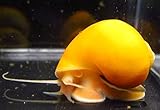
- Mystery Snails are an amazing addition to any freshwater aquarium. They will help to maintain your aquarium algae free.
- EASY TO CARE FOR AND WILL THRIVE IN ALMOST ANY FRESHWATER AQUARIUM CONDITIONS.
- They are not picky eaters and will eat most offered foods such as Algae wafers, Decaying plant matter, Pellets, or Zucchini.
- We offer the best live arrival guarantee. If you encounter any issues with your order, please message us and we will replace any order right away.
Choose responsibly and keep up with maintenance
- Confirm the adult size, social needs, temperature and water conditions of the exact species before buying.
- Check whether existing fish could outcompete or prey on a small newcomer.
- Plan to feed the new fish suitable food. Sinking wafers are one food option mentioned for Corydoras and plecos, but they are not a complete diet for every species.
- Continue water changes, substrate cleaning, and filter care. A cleanup fish cannot correct overfeeding, excess nutrients, unsuitable lighting, or overstocking.
Product prices and availability are accurate as of the date/time indicated and are subject to change. Any price and availability information displayed on Amazon at the time of purchase will apply.




