What’s actually slowing this PC down?
Pick the symptom - the matching free tool is one click away.
Scales that stick out from a betta’s body—especially in a pinecone pattern with widespread swelling—can indicate dropsy, an abnormal buildup of fluid. Dropsy is a visible syndrome, not a single disease, so the appearance alone cannot identify the cause. Kidney, gill, heart, liver, infectious, inflammatory, reproductive, tumor-related and environmental problems can all produce similar swelling.
Photograph your fish from above and from the side, check its water, keep the aquarium stable and well oxygenated, and contact an aquatic veterinarian promptly if the swelling is progressing or the fish has breathing difficulty, poor balance or stops eating.
What “pineconing” can mean
Healthy betta scales normally lie flat against the body. Fluid accumulation in tissues or the body cavity can push them outward, creating the raised, pinecone-like appearance commonly called pineconing. Fish regulate water and dissolved ions through organs such as the kidneys and gills; disease or injury affecting that system can disturb fluid balance.
Possible underlying problems include bacterial, viral or parasitic disease, inflammation, kidney, liver or heart disease, a mass, a reproductive disorder, a lesion, or environmental damage that interferes with osmoregulation. Poor water quality may be a cause, a stressor or a complication, but one abnormal test result does not prove why the scales are raised. Do not assume every case is an Aeromonas infection.
Do these 3 things before closing this tab:
1Scan for outdated or missing drivers - takes under a minute2Repair Windows errors before they cause bigger problems3Fix the driver behind crashes, sound loss and screen glitches#1 Best Overall
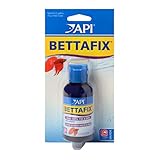
- Contains one (1) API BETTAFIX Antibacterial & Antifungal Betta Fish Infection and Fungus Remedy 1.7-Ounce Bottle
- Heals bacterial infections, repairing damaged fins, ulcers, and open wounds and promotes regrowth of fins
- Treats newly introduced fish to reduce risk of disease outbreak and heal wounds and tissue damage
- Contains healing melaleuca, a variety of tea tree
- Use daily for a week when treating infections and for three days as a preventive when adding new fish
A swollen abdomen is not automatically dropsy. Eggs or retained eggs, a mass, enlarged organs and digestive contents can enlarge the belly without generalized fluid accumulation. Diffuse, often symmetrical swelling and scales that lift when viewed from above are more suggestive of generalized edema than a single-sided lump, but neither pattern is diagnostic.
How urgent is it?
Raised scales become more concerning when they are widespread, worsening or accompanied by other changes. Seek prompt fish-veterinary assessment for:
Rank #2

- For use in freshwater or marine aquaria.
- Easily absorbed through both skin and gills; ingestion not required.
- Does not adversely affect the filter bed and is easily removed with carbon.
- Safely and effectively treats several fungal, and bacterial fish diseases (dropsy, popeye, fin/tail rot, septicemia).
- When used in a medicated food mix, it is excellent for treating bacterial infections in tanks that contain invertebrates.
- Progressive swelling or pronounced pineconing
- Rapid or labored breathing
- Loss of balance, inability to remain upright or difficulty swimming
- Refusal to eat or marked lethargy
- Isolation, bulging eyes or new lesions
These signs indicate urgency; they do not identify a particular pathogen or confirm dropsy by themselves. Severe or untreated disease can cause permanent organ damage or death, while some causes are treatable when found early.
What to do while arranging help
- Record the change. Take clear photographs from the side and directly above. Write down when the swelling began, how quickly it is changing, whether the fish is eating, and any changes in breathing, swimming, balance, feces or skin.
- Measure the aquarium. Test temperature, dissolved oxygen, pH, total ammonia nitrogen and nitrite. Measure salinity or conductivity when relevant to your setup. Record the readings before correcting them when doing so does not endanger the fish.
- Keep the environment steady. Maintain species-appropriate, conditioned water and good oxygenation. Avoid unnecessary handling or abrupt transfers into an unstable container. A separate hospital aquarium can aid observation only when it has compatible water, safe filtration and dedicated equipment.
- Arrange veterinary evaluation. A veterinarian experienced with fish can combine the history, photographs and water results with an examination and targeted tests to investigate the cause.
How to interpret what you see
| Observation | What it may suggest | What it cannot establish |
|---|---|---|
| Scales raised across much of the body, especially visible from above | Generalized swelling compatible with dropsy | The underlying disease or whether infection is present |
| Smooth, localized or one-sided enlargement | A mass, enlarged organ, eggs or another localized problem | That fluid accumulation is absent |
| Swelling that is changing quickly | A need for urgent assessment | A specific diagnosis |
| Swelling plus breathing, appetite or balance changes | Greater clinical urgency | The cause without examination and testing |
Why you should not medicate blindly
Do not automatically add aquarium salt, antibiotics or antiparasitic products. Salt tolerance varies with species, life stage and the suspected problem. Some medications can damage beneficial biological filtration, and an incorrect treatment may delay effective care or worsen water conditions. PetMD and Vetofish both emphasize investigating the cause and using veterinary guidance rather than relying on an over-the-counter recipe.
Rank #3

- BOOST FISH HEALTH: Artemiss is an expellant; it provides a beneficial treatment against ailments including: dropsy, fungus, milky skin, mouth rot, fin/tail rot
- HOW IT WORKS: supports the immune system and stimulates and accelerates regeneration of damaged tissue until no trace of the wound remains; will not cause buildup of future resistance
- ACCEPTABLE TO USE: acceptable to care for all aquatic life; It is a great aid to use as a stress reducer when acclimating fish to a new environment
- HOW TO USE: Shake thoroughly prior to use and switch off UV sterilizer, protein skimmer or ozone generators; Keep filters operational; Add dosage to water; Best results will be achieved if product is used soon after problem is detected
- NOTE: This product is intended for use with all ornamental and aquarium fish only, and may not be used for fish intended for human consumption
Treatment may involve medication, carefully managed water changes, supportive care or veterinarian-directed salinity for a freshwater fish. The appropriate plan depends on the diagnosis; there is no universally safe salt concentration or drug choice for every pineconed betta.
Preventing future water and health problems
- Test aquarium water routinely and correct out-of-range readings thoughtfully rather than making abrupt changes.
- Use a heated, filtered, fully cycled aquarium with stable conditions and adequate oxygenation.
- Feed a balanced, species-appropriate diet in moderate portions.
- Avoid overcrowding, chronic aggression and other persistent stressors.
- Quarantine new fish before introducing them to an established aquarium.
These practices reduce preventable stress but do not prove that a keeper caused an illness. Inherited, infectious, environmental and other conditions can occur even with careful husbandry.
Rank #4
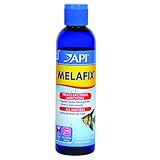
- Contains one (1) API MELAFIX Freshwater Fish Bacterial Infection Remedy 4-Ounce Bottle
- Heals bacterial infections and repairs damaged fins, ulcers and open wounds
- Contains natural, botanical tea tree extract to quickly and rapidly help fish
- Helps treat newly-introduced fish to reduce risk of disease outbreak in freshwater aquariums
- Use daily for a week when treating infections and for 3 days as a preventive when adding new fish
A water-test kit is useful—but limited
A freshwater aquarium water-test kit helps you measure conditions during an investigation and monitor routine husbandry. It cannot diagnose dropsy, treat organ disease or replace a fish-practice veterinarian. Choose equipment that measures the parameters relevant to your aquarium and keep a dated record of results so a clinician can see trends.
What a veterinarian will need to know
Bring the fish’s symptom timeline, overhead and side photographs, aquarium volume and equipment details, recent water readings, feeding history, tank mates, recent additions or moves, and any treatments already used. This information helps distinguish generalized edema from abdominal enlargement with another cause and supports targeted testing.
Quick wins for a faster PC:
Fix the driver behind crashes, sound loss and screen glitchesFind Drivers →Clear out junk files and repair common Windows errorsFree Scan →Quick Recap
Best Value
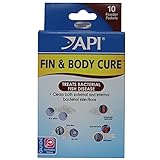
- Contains one (1) API FIN and BODY CURE Freshwater Fish Powder Medication 10-Count Box
- Treats body slime, eye cloud, fin and tail rot, open red sores, gill disease, and hemorrhagic septicemia
- Causes slight discoloration of water that can be fixed by adding activated charcoal
- Use only in freshwater aquariums
- Use daily for four days when symptoms of bacterial diseases appear
Product prices and availability are accurate as of the date/time indicated and are subject to change. Any price and availability information displayed on Amazon at the time of purchase will apply.