What’s actually slowing this PC down?
Pick the symptom - the matching free tool is one click away.
Pangti village in Nagaland stopped the mass hunting of migrating Amur falcons through a combination of village-council bans, Forest Department patrols, church and school outreach, conservation-group support and community monitoring. The change began after the killing was exposed in 2012 and was formalized when Pangti, Ashaa and Sungro councils outlawed Amur-falcon hunting in 2013.
Why Pangti matters to Amur falcons
Amur falcons (Falco amurensis) breed in eastern Eurasia, pass through Nagaland during their autumn migration and spend the non-breeding season in southern Africa. Most birds move through the state from about mid-October to mid-November.



The Doyang Reservoir and its surrounding catchment beside Pangti provide a major roosting area. BirdLife International identifies the landscape as an Important Bird and Biodiversity Area. The species’ full journey is approximately 22,000 kilometres, making a safe stopover in Nagaland important to the birds’ survival.
What hunting looked like before the turnaround
Before 2013, hunters placed fishing nets in low roosting trees, then sold or ate the trapped birds. The scale became internationally visible after Conservation India documented the killing in 2012.
Free tools Windows power users keep installed
One-click scans. No signup required.
#1 Best Overall
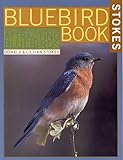
- Convenient paperback with thorough information on bluebirds
- Written by foremost birding experts, Donald and Lillian Stokes
- Provides tips on housing, feeding, and monitoring bluebirds
- Full color photos add engaging content
- Easy-to-read writing style for both beginning and avid birders
Different contemporary accounts produced different estimates. Scroll.in reported that Bano Haralu and fellow conservationists estimated 12,000–14,000 falcons killed per day at the peak of migration. A 2017 Wildlife Trust of India (WTI) account said that more than 100,000 birds had been trapped and killed in Wokha district during 2012. These figures describe period estimates made by different sources; they are not a single standardized count.
How Pangti stopped the hunting
The 2012 exposure created urgency
The public documentation turned a largely local practice into a national and international conservation issue. Forest officials, conservation organizations and village leaders could no longer treat the slaughter as an isolated seasonal activity.
Village councils made the ban local law
In 2013, the councils of Pangti, Ashaa and Sungro declared Amur-falcon hunting illegal and punishable. Local rules gave residents a clear standard to enforce and made protection a community decision rather than an order imposed only from outside.
Rank #2

- Orders are despatched from our UK warehouse next working day.
Patrols and seizures made the rule credible
The Forest Department increased patrols and seized hunting nets. WTI reported that the rapid-action project brought Doyang to zero mortality from hunting by the end of that roosting period. That institutional account refers specifically to deaths from hunting after the intervention, not to a claim that every other risk to the birds disappeared.
Do these 3 things before closing this tab:
1Repair Windows errors before they cause bigger problems2Scan for outdated or missing drivers - takes under a minute3Clear out junk files and repair common Windows errorsChurches, schools and conservation groups changed the norm
Awareness work through churches and schools helped explain why the falcons mattered and connected the ban with local values. Non-governmental organizations supported education, coordination and monitoring, while residents helped watch the roosts. Protection therefore operated through social pressure and shared responsibility as well as patrols.
The legal protection behind the local ban
The Nagaland government identifies the Amur falcon as protected under Schedule IV of India’s Wildlife (Protection) Act, 1972. India also has obligations under the Convention on Migratory Species. Local council rules added a practical community enforcement layer to those national and international commitments.
Protection remains seasonal and active. In a 2025 order, Wokha district declared a temporary three-kilometre silence zone around the Pangti roost during migration to reduce disturbance. The order shows that conservation now includes managing noise and visitor behavior, not only stopping nets.
Is Pangti really the “Falcon Capital of the World”?
“Falcon Capital of the World” is a public recognition used by Indian officials and the media, not a universally defined scientific designation.
In a 2015 Press Information Bureau release, Environment Minister Prakash Javadekar said: “Today, the world has recognized Pangti village in Nagaland as the world’s Amur Falcon capital, as more than one million birds can be seen in just 30 minutes.” He also called it “a great success story for India, as it has happened with peoples’ participation.”
The one-million figure should be read as an attributed public observation, not as a standardized annual population census. It communicates the extraordinary spectacle at the roost without establishing a precise yearly total for the species.
Why the social change was as important as enforcement
The Pangti story is often reduced to a hunting ban, but the durable shift came from several institutions reinforcing one another:
- Village councils: established a locally recognized prohibition and penalties.
- Forest officials: patrolled the area and removed equipment used for trapping.
- Churches and schools: made the falcons part of community education and moral discussion.
- Conservation organizations: supplied technical assistance, public attention and project support.
- Residents: monitored roosts and helped make non-hunting behavior socially normal.
That combination changed the incentive structure. A practice that had provided food or cash became illegal, publicly condemned and incompatible with growing local pride in the migration.
Best Value
The livelihood problem that could threaten long-term success
Stopping hunting did not solve every economic pressure in the area. A Nagaland government field study noted that villagers lost income after the Doyang dam and subsequent land-use changes. It warned that agencies must continue financial and handholding support if conservation is to last.
WTI reported in 2017 that an eco-tourism guest house was handed over to Pangti. The current operation and booking availability of that facility are not established here, so it should not be treated as proof of a functioning tourism income stream today. The broader lesson is clear: pride in the falcons needs to be matched by reliable livelihood options and sustained local support.
What the Pangti model gets right—and what it still requires
| Conservation approach | How it appeared in Pangti | Primary strength | Continuing requirement |
|---|---|---|---|
| Enforcement | Forest patrols and net seizures | Can reduce mortality quickly during a migration season | Regular presence and fair, consistent penalties |
| Community ownership | Village-council rules in Pangti, Ashaa and Sungro | Gives protection local legitimacy | Trust in councils and continued participation |
| Awareness and norm change | Church, school and conservation-group outreach | Makes non-hunting behavior socially expected | Education must continue after the original crisis fades |
| Material incentives | Eco-tourism support and calls for financial assistance | Can replace income lost through restrictions | Transparent, dependable livelihood benefits |
| Local monitoring | Residents and officials watching the roost | Finds problems quickly across a large seasonal gathering | Training, coordination and resources each migration |
What readers should take from Pangti
Pangti was a documented mass-hunting site in 2012 and became a protected roost through a locally enforced ban backed by government action. Institutional reports recorded zero hunting mortality at Doyang after the rapid intervention, while later authorities continued to limit disturbance around the roost.
The achievement is therefore not simply that hunters were punished. Hunters, families, churches, councils, officials and conservation groups helped redefine the falcons as a source of responsibility and collective pride. Keeping the safe haven secure will depend on maintaining that ownership while addressing the income pressures that helped make hunting attractive in the first place.
Quick Recap
Product prices and availability are accurate as of the date/time indicated and are subject to change. Any price and availability information displayed on Amazon at the time of purchase will apply.




