The central lesson for dairy farmers is that H5N1 control depends on ordinary farm routines: movement, milking, equipment sharing and early reporting. USDA APHIS says the virus can travel with cattle, vehicles, equipment, milk and people. A workable plan therefore combines production monitoring, rapid isolation, dedicated staff and tools, rigorous cleaning, visitor controls, movement testing and worker protection.
What the outbreak teaches about H5N1 spread
H5N1 is not only a wildlife or sick-animal problem. It can be carried from an affected location by animals, tires, boots, clothing, milking equipment, milk-handling materials and people. A written movement and visitor plan turns those routine contacts into controlled steps rather than untracked pathways.
| # | Preview | Product | Price | |
|---|---|---|---|---|
| 1 |
|
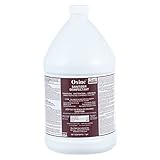
Oxine Gallon | $55.57 | Buy on Amazon |
| 2 |

|
Data Driven Smart Livestock Farming in Australia: From Design to Implementation (Earthscan Food and... | $64.99 | Buy on Amazon |
Make farm movement visible
- Record visitors, contractors, animal movements and service vehicles.
- Use farm-only boots and coveralls, and keep them from traveling between livestock areas or farms.
- Clean and disinfect tires, boots, clothing and equipment before they enter or leave animal areas.
- Keep wildlife and other livestock species away from cattle housing, feed and milking areas as far as practical.
- Avoid borrowing or sharing equipment unless it has been cleaned and disinfected first.
First signs to watch for in a dairy herd
Do not wait for a large number of visibly ill cows. Changes in the bulk tank and individual records may be the earliest warning.
Production and milk changes
- A noticeable drop in milk production.
- Thickened or discolored milk.
- Unexpected changes in a group’s normal production pattern.
Health and behavior changes
- Reduced appetite or lethargy.
- Fever or dehydration.
- Abnormal feces.
When a cow or group appears suspicious, separate the animals and contact the herd veterinarian or the relevant animal-health authority. If dedicated people and equipment are not available, handle sick animals after healthy cattle, not before them.
Crashes, No Sound, or Screen Glitches?
Random freezes, missing sound and display glitches usually trace back to one bad driver. Find and replace yours safely.Free scan · under a minuteWindows Errors? Fix Them Before They Spread
Repair common Windows errors and clear accumulated junk for a smoother, more stable PC - no reinstall needed.Free scan · no reinstall#1 Best Overall
- Powerful and Proven Pathogen Control with Chlorine Dioxide Chemistry: Oxine Animal Health (AH) is a high-performance disinfectant formulated with chlorine dioxide to eliminate odors and control a wide spectrum of harmful microorganisms, including over 60 viruses, bacteria such as Salmonella, Staphylococcus, and E. coli, as well as fungi and Parvovirus, making it a trusted solution in livestock operations, poultry farms, animal boarding facilities, veterinary hospitals, and more.
- Versatile Use for Comprehensive Biosecurity in Animal Environments: This Gallon-size formulation is ideal for fogging, spraying, surface cleaning, and drinking water line disinfection, providing flexible and effective sanitation options across various animal care areas including stables, kennels, tack rooms, barns, and hatcheries; it helps reduce cross-contamination, manage infectious disease outbreaks, and maintain healthy housing conditions for animals of all kinds.
- Ultra-High Activity Level with Long-Lasting Bacteriostatic Properties: Engineered for superior performance, Oxine delivers a concentration of 2.0–2.10% available chlorine dioxide, ensuring high activity at low dilution rates; it maintains effectiveness in the presence of organic material and continues to provide residual protection with extended bacteriostatic effect, outperforming many traditional disinfectants like bleach, iodophors, or quaternary ammonium compounds.
- EPA Registered, OMRI Listed, and Certified for Organic Use in Animal Care Settings: Backed by EPA registration for animal facility use and OMRI listing for organic production, Oxine meets stringent regulatory standards, providing assurance for use in agricultural operations, organic poultry production, and commercial animal environments that demand high safety, environmental responsibility, and consistent disinfection results.
- ECONOMICAL AND SAFE WHEN USED PROPERLY: Cost-effective gallon-size solution ideal for high-volume sanitation needs. Non-flammable, low toxicity (EPA Cat III), and must be activated with citric acid before use. Always remove animals before applying; made in the USA for reliable quality.
Build a response that works during milking
Milking is a particularly important control point because the process can move contaminated milk and materials through equipment and worker contact.
Separate suspect cows immediately
- Move clinically ill or suspect cows to an isolation area that prevents contact with unaffected cattle.
- Assign dedicated caretakers and equipment whenever possible.
- Milk affected cows last and separately.
- Keep milk from affected cows out of normal milk streams according to veterinary and regulatory direction.
Clean equipment after affected cows
After milking affected cows, thoroughly clean the milking system and equipment and apply treatment intended to inactivate influenza viruses. Separate equipment for unaffected cattle is recommended where feasible. The exact cleaning and disinfection procedure should be established with the herd veterinarian and comply with current animal-health guidance.
Control cattle introductions and movements
Movement controls protect the herd even when no cow is visibly sick. APHIS recommends minimizing movements and isolating newly introduced lactating cows for at least 30 days with dedicated equipment and caretakers.
Before interstate movement
Premovement H5N1 testing is required for lactating cattle under applicable federal and state guidance. Confirm the current requirement, test timing and documentation with your veterinarian or animal-health authority before arranging transport; rules can change by state, animal class and movement route.
For every incoming group
- Prepare a separate isolation area before arrival.
- Use separate equipment and caretakers for the 30-day isolation period.
- Track arrival dates, identification, health observations and test records.
- Do not combine new lactating cows with the resident herd until the isolation plan is complete and the veterinarian agrees.
Protect workers as part of herd biosecurity
People who work with infected animals or contaminated materials can be exposed. CDC reported that approximately 350 exposed farm workers had been monitored by May 22, 2024, and two dairy workers had confirmed H5 infections with eye symptoms. CDC also assessed the risk to the general U.S. public as low while noting higher risk for people exposed to infected animals or contaminated materials, including raw cow’s milk.
Worker controls
- Provide the recommended personal protective equipment for the task and make sure workers know how to put it on, remove it and dispose of or clean it safely.
- Limit the number of people entering isolation and milking areas.
- Keep a roster of exposed workers so monitoring and follow-up are possible.
- Have workers self-monitor for symptoms and seek prompt medical evaluation and testing if symptoms occur.
Eye symptoms deserve particular attention because they were reported in the confirmed dairy-worker infections cited by CDC. A worker who becomes ill after exposure should avoid further animal contact until receiving medical advice.
Independent reader supportYour contribution helps us test, update, and keep practical guides available for everyone.Use surveillance and records to make decisions
USDA APHIS’s National Milk Testing Strategy combines processing-plant silo monitoring, state surveillance, case investigation and mandatory interstate-movement testing. Its purpose is to identify affected herds, support enhanced biosecurity and inform worker-protection measures.
Records worth keeping together
- Daily milk-production and milk-quality observations by pen or group.
- Individual cow illness reports, isolation dates and outcomes.
- Milk-sampling and laboratory records, including collection dates and animal or herd identifiers.
- Visitor, vehicle and equipment movement logs.
- Incoming-cattle test results and the start and end dates of 30-day isolation.
- Worker exposure, PPE and symptom-monitoring records, handled with appropriate privacy protections.
Good records allow a veterinarian and animal-health officials to connect a production change with a cow, pen, milking shift, visitor or movement event instead of relying on memory.
Do these 3 things before closing this tab:
1Scan for outdated or missing drivers - takes under a minute2Repair Windows errors before they cause bigger problems3Fix the driver behind crashes, sound loss and screen glitchesCompare a farm’s readiness before an outbreak
A plan is only useful if it can be carried out during a busy milking shift. Use the following comparison to identify weak points.
| Readiness area | Stronger practice | Warning sign |
|---|---|---|
| Speed of detection | Daily production review and a defined trigger for veterinary notification | Illness is noticed only after several cows are affected |
| Isolation capacity | Ready pen or area, with dedicated caretakers and tools | Suspect cows remain in the production group |
| Sick-cow milking | Affected cows are milked last and separately | The same sequence and equipment are used for every cow |
| Equipment and vehicle disinfection | Cleaning and disinfection steps are written and supervised | Shared items enter the farm without a documented clean-down |
| Visitor and worker controls | Visitor log, farm-only clothing and boots, restricted access | People move between farms or animal areas without changing or cleaning gear |
| Animal movement | Premovement testing where required and 30-day isolation for incoming lactating cows | New arrivals join the herd immediately |
| Milk-sampling records | Samples are traceable to date, group and animal identifiers | Samples or results cannot be tied to a specific group |
| Worker health | Task-specific PPE, exposure list, symptom monitoring and access to testing | Workers lack PPE, reporting instructions or a route to medical care |
A practical first-day action list
- Review the last several days of milk production and milk appearance by group.
- Identify and isolate cows with reduced production, abnormal milk or systemic signs.
- Call the herd veterinarian or animal-health authority and ask what testing and reporting apply.
- Assign people and equipment to the isolated group; if that is impossible, work the group last.
- Milk suspect cows separately and clean and treat equipment afterward as directed.
- Pause nonessential animal movements and verify any required premovement testing.
- Start or update visitor, vehicle, equipment, milk-sampling and worker-exposure logs.
- Brief workers on PPE, symptom monitoring and who to contact if anyone becomes ill.
How to interpret the published herd and illness figures
USDA APHIS reported that most herds see less than 10–20% of cows become sick and that death rates are usually under 2%. These are general observations, not a forecast for every farm; a lower observed rate does not remove the need to isolate and report suspect cattle.
CDC reported 52 dairy cattle herds in nine states by May 22, 2024. That is a dated historical snapshot, not a current October 2026 count. APHIS’s updates page was last modified September 25, 2026 and indicates that USDA, FDA, CDC and state officials continue response, surveillance and research, with movement guidance subject to updates. No stable state-by-state count for October 1, 2026 is established here.
What farmers should take forward
The most transferable lesson is to treat H5N1 as a biosecurity problem embedded in normal work. Early production signals, a usable isolation area, separate sick-cow milking, disciplined cleaning, controlled movement, traceable testing and worker protection together reduce opportunities for the virus to move. Plans should be reviewed with the herd veterinarian and updated whenever federal or state movement guidance changes.
Quick wins for a faster PC:
Fix the driver behind crashes, sound loss and screen glitchesFind Drivers →Clear out junk files and repair common Windows errorsFree Scan →Scan for outdated or missing drivers - takes under a minuteDriver Scan →Quick Recap
Product prices and availability are accurate as of the date/time indicated and are subject to change. Any price and availability information displayed on Amazon at the time of purchase will apply.




