Recommended Free Tools
Use a soft pet toothbrush and dog-specific toothpaste, introduce mouth handling gradually, and begin with just a few outside tooth surfaces. Aim for a short, calm session each day; never force your dog’s mouth open. Brushing helps control plaque, but it cannot remove hardened tartar or treat painful dental disease.
How do I brush my dog’s teeth?
Start with supplies your dog can safely use: a soft-bristled toothbrush made for pets (or a suitably soft child-sized brush) and toothpaste formulated for dogs. Do not use human toothpaste or other human dental products. Some contain ingredients that can upset a pet’s stomach or may be toxic to pets. UC Davis’s dental home-care instructions and the American Animal Hospital Association (AAHA) both recommend pet-specific products.
- Make mouth handling familiar. Briefly touch your dog’s cheek and muzzle, then reward calm cooperation. When your dog is comfortable, gently slide a gauze-wrapped finger under the cheek and run it along the teeth and gums. UC Davis suggests practising this daily for about a week, but let your dog’s comfort set the pace; repeat an easy step or pause if your dog resists.
- Introduce the brush and paste. Let your dog sniff the toothbrush and taste a small amount of dog toothpaste. You can press the paste into the bristles to make it less likely your dog will simply lick it off.
- Brush a few outside surfaces. Begin with a few teeth on the outside of the mouth, where the brush is easiest to position. Hold it at roughly a 45-degree angle, with the bristles pointing toward the gumline, and use gentle circular motions if your dog accepts them. Keep your touch light and the session brief.
- Build up gradually. Add more teeth or brushing time only as your dog remains relaxed. Praise cooperation and follow with something your dog enjoys, such as a favorite toy or a walk. Stop if your dog becomes distressed.
UC Davis’s March 2026 brushing-training guide recommends reward-based progress: if your dog seems stressed, stop and return to an earlier step later. Do not pry the mouth open or turn the session into a struggle.
How often should I brush my dog’s teeth?
Brush daily if your dog will tolerate it. AAHA identifies daily brushing as the best way to help reduce plaque accumulation. Brushing at a consistent time can make the task more predictable; UC Davis recommends making it part of the daily routine. If daily brushing is not manageable, ask your veterinarian what other home-care measures are suitable for your dog rather than forcing a session.
What’s actually slowing this PC down?
Pick the symptom - the matching free tool is one click away.
#1 Best Overall
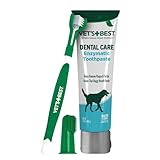
- DOG TOOTH BRUSHING KIT: Keep your dog's teeth and gums healthy with our dog toothbrush and toothpaste kit; our toothpaste is made with aloe, neem oil, grapefruit seed extract, baking soda, and enzymes to keep you dog's mouth fresh
- DOG DENTAL CARE MADE EASY: Our dog tooth paste gently cleans away plaque and tartar, serving as an effective dog breath freshener; rid your dog of bad breath and gift them a healthier mouth with our dog tooth brushing kit.
- TRIPLE HEAD TOOTHBRUSH: Our dog dental cleaning kit features a triple-sided dog tooth brush that cleans all sides of your dog's teeth at once, making tooth brushing faster and more efficient; no more struggling to clean those hard to reach back teeth
- NATURAL FLAVORS: Our toothpaste for dogs has natural flavors that your furry friend will love, making dog tooth brushing a more enjoyable experience even for the pickiest of pups, so you can keep their dog breath fresh without any fuss
- DENTAL KIT FOR DOGS OF ALL SIZES: Regular teeth cleaning supports your pet’s health. Use our dog toothbrush and toothpaste between vet visits to maintain oral hygiene, reduce plaque and tartar buildup, and keep your dog’s mouth fresh and healthy.
How do I get my dog used to a toothbrush?
Use small, reward-based steps rather than expecting your dog to accept a full brushing straight away. Keep practice short, and move on only when your dog is comfortable with the current step. Calmly touching the muzzle, lifting the lip briefly, and letting your dog investigate the brush can all be part of the introduction. If your dog pulls away, stiffens, or seems stressed, stop and make the next attempt easier. UC Davis’s training guide advises returning to an earlier step when a dog shows stress.
What if my dog won’t let me brush its teeth?
Do not force brushing. Try returning to gentle mouth handling, or ask your veterinarian whether gauze, a finger toothbrush, or a dental wipe might be a workable starting point. UC Davis notes that a cloth or wipe may help when a dog refuses a brush, although a toothbrush reaches beneath the gumline more effectively.
Rank #2

- COMPLETE DOG DENTAL KIT EVERYTHING INCLUDED: Arm & Hammer dog dental kit includes enzymatic chicken-flavored toothpaste, a dual-sided toothbrush, and a rubber finger brush for a complete at-home oral care system.
- BAKING SODA ENHANCED FORMULA DEEP CLEAN: Dog toothpaste formulated with Arm & Hammer baking soda to neutralize bad breath at the source, eliminate odor-causing bacteria, and lift plaque and debris from teeth and gumline.
- CHICKEN FLAVOR ENZYMATIC TOOTHPASTE DOGS LOVE: Dogs respond positively to the chicken-flavored enzymatic formula, making brushing more cooperative and easier to establish as a consistent part of daily pet hygiene routines.
- TARTAR CONTROL GUM DISEASE PREVENTION DAILY USE: The enzymatic formula actively breaks down tartar and controls buildup along the gumline when used consistently, helping reduce the risk of gum disease and tooth decay over time.
- DUAL TOOTHBRUSH AND FINGER BRUSH VERSATILE USE: The kit includes a double-sided toothbrush for standard brushing and a rubber finger brush for targeted spot cleaning, giving you 2 tools to customize cleaning for your dog's comfort.
Other options may support plaque control but are not guaranteed substitutes for brushing or treatment of existing disease. AAHA lists dental chews, water additives, and dental diets as possible additional measures. Check the current Veterinary Oral Health Council (VOHC) accepted-products list when choosing a product, and ask your veterinarian what fits your dog.
For chews, choose items that are not so hard they risk fracturing teeth. UC Davis suggests testing whether a chew can be indented with a fingernail; its March 2026 guide uses the thumbnail test and advises against items that cannot be dented. Supervise chewing and avoid hard plastic bones, sterilized bones, antlers, and very hard chews.
Rank #3
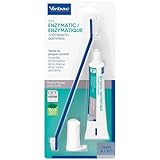
- #1 BRAND CHOSEN BY VETERINARIANS: Proven effective and trusted for over 30 years, C.E.T. is the top recommended dental brand by veterinary professionals to reduce plaque & tartar buildup
- Dual-sided toothbrush designed specifically for canine mouths with soft bristles for comfortable brushing
- Long handle with reverse angle allows for easy use and soft bristles for comfortable brushing while the finger-brush slips over finger for ease of use and better control
- Great tasting poultry-flavored toothpaste is ideal for dogs and cats that quickly build up plaque and tartar
- Complete kit with everything pet owners need to start a program of regular oral hygiene for their dog or cat. Ideal to help acquaint dogs/cats and their owners with the tooth brushing experience
What can brushing do—and what can’t it do?
Brushing helps remove plaque, the soft buildup on teeth. It does not remove calculus, also called hardened tartar. Scrubbing tartar at home is not a substitute for veterinary care. Brushing already inflamed gums can hurt and make your dog less willing to accept future care, according to AAHA’s home oral-hygiene guidance.
Veterinary examination and professional cleaning address needs that home brushing cannot. AAHA explains that an anesthetized dental evaluation allows the veterinarian to assess and clean below the gumline and take dental radiographs. The American Veterinary Dental College recommends daily home dental care alongside periodic veterinary examination and professional scaling under anesthesia when indicated. Your veterinarian can advise how often your dog needs an examination or cleaning based on its oral health and risk factors.
Rank #4

- ENZYMATIC PLAQUE AND TARTAR ACTION: Enzymatic gel formula targets plaque and tartar during brushing using enzyme activity and baking soda, supporting cleaner teeth and fresher breath for dogs and puppies with each use.
- FLUORIDE-FREE AND SAFE FOR ALL DOGS: Formulated without fluoride, dyes, or toxic ingredients, making this toothpaste appropriate for daily use on adult dogs and puppies, including breeds with known ingredient sensitivities.
- DOUBLE-SIDED TOOTHBRUSH FOR FULL COVERAGE: The included dual-ended toothbrush features a large head for molars and a small head for front teeth, helping reach all tooth surfaces without switching tools mid-session.
- BAKING SODA ODOR NEUTRALIZER: Baking soda in the formula dissolves into microscopic grooves on tooth surfaces during brushing to help neutralize odor compounds at their source rather than masking breath with flavoring.
- FINGER BRUSH FOR FIRST-TIME OR RELUCTANT DOGS: The included finger brush slides onto one finger for gentler introduction to brushing, helping dogs new to dental care or resistant to a full toothbrush accept the routine.
When should I take my dog to the vet for dental problems?
Contact a veterinarian if you notice signs that could indicate dental pain or disease, including:
- Bad breath, red or swollen gums, or bleeding from the mouth.
- Drooling, visible tooth damage, a broken or loose tooth, or heavy tartar.
- Facial swelling, apparent mouth pain, or difficulty eating.
Arrange a veterinary assessment before brushing affected areas if your dog has painful or inflamed gums, visible damage, or other signs of oral disease. A veterinarian can determine whether your dog needs treatment and when home brushing is appropriate.
Windows Errors? Fix Them Before They Spread
Repair common Windows errors and clear accumulated junk for a smoother, more stable PC - no reinstall needed.Free scan · no reinstallCrashes, No Sound, or Screen Glitches?
Random freezes, missing sound and display glitches usually trace back to one bad driver. Find and replace yours safely.Free scan · under a minuteQuick Recap
Product prices and availability are accurate as of the date/time indicated and are subject to change. Any price and availability information displayed on Amazon at the time of purchase will apply.




