
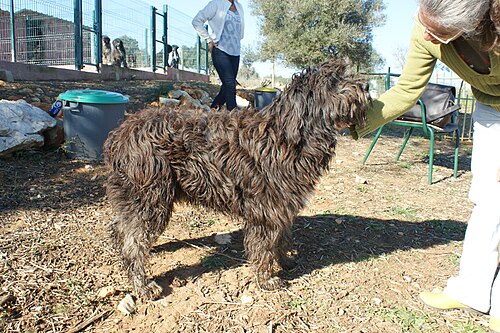
 Photo: Andre Heuzer · CC BY-SA 3.0
dog breed · 927 on Animalso
Barbado da Terceira
- Animal
- Dog
- Origin
- Portugal
The Barbado da Terceira is a Portuguese dog breed from Terceira, an Atlantic island in the Azores. It was developed for herding and guarding. Portuguese canine and veterinary authorities recognized it in 2004. The Fédération Cynologique Internationale does not recognize the breed.
What it is
The Barbado da Terceira is a dog from Portugal, named for Terceira in the Azores. Its traditional work combined herding with guarding.
Its origin places it among dog breeds from Portugal.
Where it began
The breed comes from Terceira, an Atlantic island in the Azores. Portuguese organizations recognized it in 2004, including the Clube Português de Canicultura and Portugal’s Direcção-Geral de Veterinária.
Working background
Its documented purpose covers two jobs: moving or managing livestock and guarding. Those roles define the breed’s working history.
Readers comparing it with other dog breeds can use that herding-and-guarding background as a starting point.
Points to check
The Fédération Cynologique Internationale does not recognize the Barbado da Terceira. Recognition therefore differs between Portuguese authorities and the international federation.
The available facts do not provide height, weight, or life-expectancy figures, so those details cannot be stated here.
Recognition status
There is no purchase price or other cost information in the available facts. The documented date concerns recognition in Portugal, not a price or lifespan.
Who may want another breed
Someone who requires Fédération Cynologique Internationale recognition should look at another breed instead. A reader seeking documented height, weight, or lifespan figures should also compare breeds with those records available.
Bottom line
This is a Portuguese island breed with a clear herding-and-guarding purpose and a documented national recognition history.
Its international recognition is limited, and key size and longevity figures are not available in the supplied facts.
What stands out
- Portuguese breed tied to Terceira in the Azores
- Bred for herding work
- Bred for guarding work
- Recognized by Portuguese authorities in 2004
Worth knowing
- Not recognized by the Fédération Cynologique Internationale
- Recognition details listed are from Portuguese bodies
- No height, weight, or life-expectancy figures are provided
Suits
- Readers interested in Portuguese island dog breeds
- People seeking a herding and guarding breed background
- Research into Terceira and Azorean canine heritage
Think twice if
- You require Fédération Cynologique Internationale recognition
- You need published height, weight, and lifespan figures
In short
Pick the Barbado da Terceira if its Portuguese island origin and combined livestock and guarding role match what you are looking for. The breed has formal recognition from Portuguese canine and veterinary bodies, which gives its status a clear national basis. It is less suitable for readers who need Fédération Cynologique Internationale recognition or who want published height, weight, and life-expectancy figures before comparing breeds. For broader research, start with other Portuguese dogs and then check each breed’s recorded measurements separately.
Questions
Where does the Barbado da Terceira come from?
It comes from Terceira, an Atlantic island in the Azores, Portugal.
What was the Barbado da Terceira bred to do?
The breed was developed as a herding and guard dog.
When was the breed recognized in Portugal?
The Clube Português de Canicultura and Portugal’s Direcção-Geral de Veterinária recognized it in 2004.
Is the Barbado da Terceira recognized by the FCI?
No. The Fédération Cynologique Internationale does not recognize the breed.
More dog breeds from Portugal
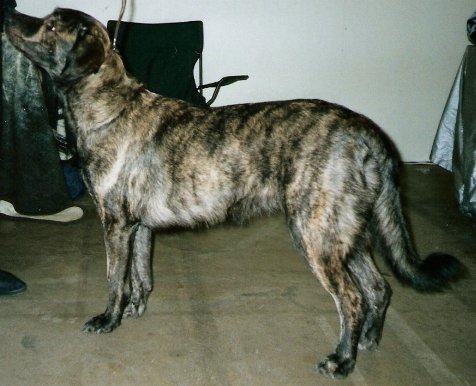
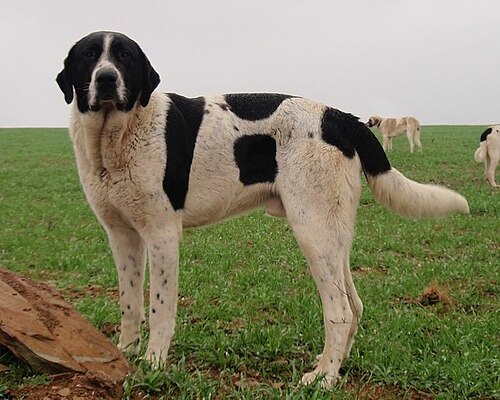
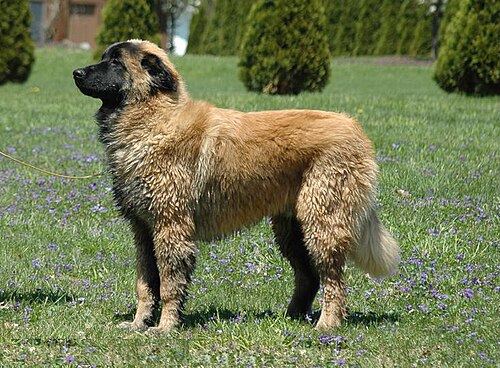
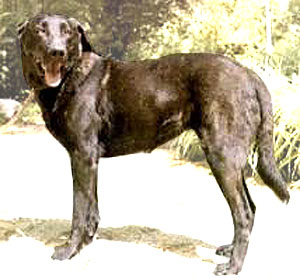
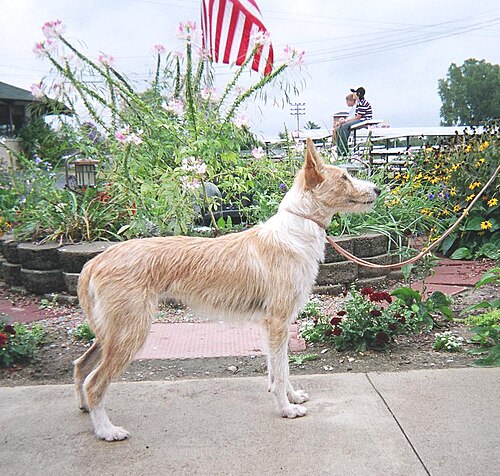
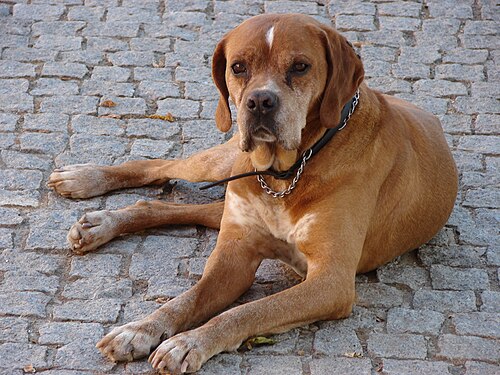
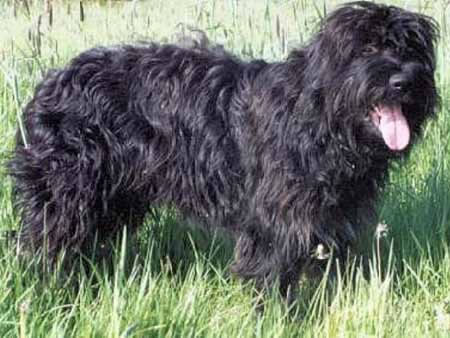
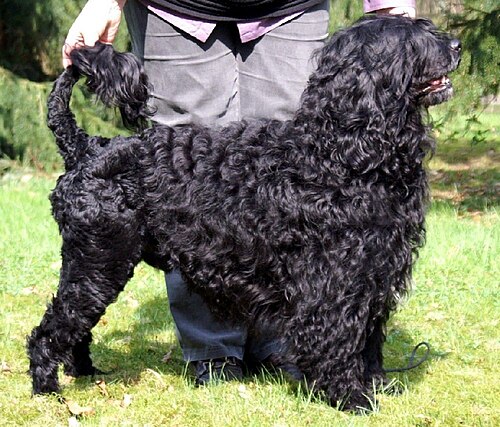
Photo credits9 photographs on this page
- Barbado da Terceira — Andre Heuzer · CC BY-SA 3.0 · file page
- Azores Cattle Dog — Summer05 · CC BY-SA 3.0 · file page
- Cão de gado transmontano — CARLOS · CC BY-SA 4.0 · file page
- Estrela Mountain Dog — Traceywashere · CC BY-SA 3.0 · file page
- Portuguese Cattle Dog — Deke · Public domain · file page
- Portuguese Podengo — Wikimedia Commons contributor · CC BY-SA 3.0 · file page
- Portuguese Pointer — Afonso Silva · CC BY-SA 3.0 · file page
- Portuguese Sheepdog — Wikimedia Commons contributor · CC BY-SA 3.0 · file page
- Portuguese water dog — Silke Hollje-Schumacher · CC BY-SA 3.0 · file page
Photographs come from Wikimedia Commons under the licence each one names. How Animalso credits photographs.