
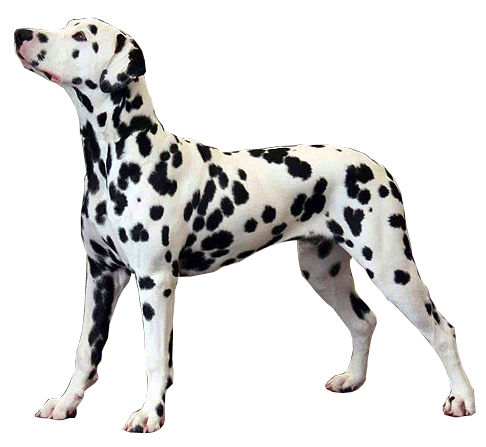
 Photo: Desaix83 · CC BY-SA 3.0
dog breed · 927 on Animalso
Dalmatian: Croatian Spotted Dog Breed
- Animal
- Dog
- Origin
- Croatia
- Height
- 54 cm
The Dalmatian is a dog breed from Croatia's historic Dalmatia region. It has a white coat marked with dark-colored spots. Its early work included hunting, and it later served as a carriage dog for firefighters using horse-drawn firehouse carriages. The record lists a height of 54.
What the Dalmatian is
The Dalmatian is a dog breed from Croatia, with roots in the historical region of Dalmatia. Its white coat is marked with dark-colored spots.
It was originally bred as a hunting dog and was later used as a carriage dog by firefighters with horse-drawn firehouse carriages.
Origin and appearance
Its origins are traced to Croatia and the historical region of Dalmatia. The defining description is a white coat with dark-colored spots.
Early ancestors are thought to have included certain pointer breeds and a spotted Great Dane.
Working history
The Dalmatian has two recorded working roles: hunting and accompanying firefighters' horse-drawn carriages.
What this record leaves open
The listed height is 54. No weight or life-expectancy figure is included in this entry.
The historical account describes more than one original role, so readers should decide whether those documented purposes match what they want from a dog.
Breed cost
No purchase price or other price information is provided for the Dalmatian in these facts.
Who may want another breed
Someone looking for a breed defined here by a single working purpose may prefer to compare other entries in the dog-breed list.
Readers who need a recorded weight or lifespan should check whether those details are available for another breed before deciding.
Verdict
Choose the Dalmatian if its Croatian origin, spotted white coat and documented history in hunting and fire-service carriage work fit your interests.
Look elsewhere if you need a breed profile with more recorded measurements or a narrower description of purpose.
What stands out
- White coat with distinctive dark-colored spots
- Bred originally for hunting
- Used as a carriage dog by firefighters
- Origin traced to Croatia and historical Dalmatia
Worth knowing
- The record gives no weight figure
- The record gives no life-expectancy figure
- Its documented history covers multiple working roles
Suits
- Readers interested in a Croatian dog with a spotted coat
- People drawn to hunting and carriage-dog history
- Breed researchers comparing working backgrounds
Think twice if
- You need a recorded weight or lifespan before choosing
- You want a breed profile centered on one stated working role
In short
The Dalmatian stands out for its white, dark-spotted coat and its Croatian roots. Its story covers both hunting and service beside horse-drawn fire engines, giving the breed a clear working past. The available size record is limited to a height of 54, with no weight or lifespan figure supplied here. This makes the breed a sensible choice for readers drawn to its appearance and historical roles, while people comparing dogs by a fuller set of measurements may need to review other breeds as well.
Questions
Where does the Dalmatian come from?
The Dalmatian comes from Croatia, with origins traced to the historical region of Dalmatia.
What does a Dalmatian look like?
It is described as having a white coat marked with dark-colored spots.
What was the Dalmatian bred to do?
It was originally bred as a hunting dog and was also used as a carriage dog by firefighters with horse-drawn firehouse carriages.
How tall is a Dalmatian?
The listed height for the Dalmatian is 54.
What breeds may be among its early ancestors?
The account says early ancestors are thought to have included certain pointer breeds and a spotted Great Dane.
Is the Dalmatian a dog or another type of animal?
The Dalmatian is a dog breed.
More dog breeds from Croatia
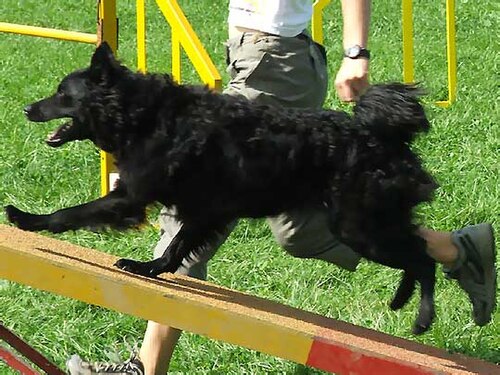 Croatian Sheepdog Croatia Height 43 cm Photo: Michala Mračková · Public domain
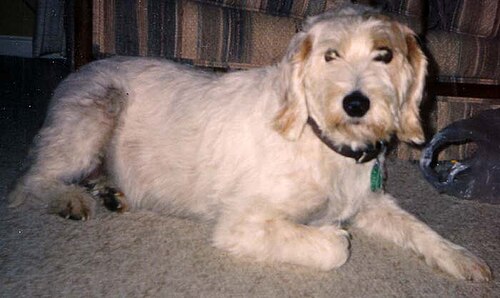 Istrian Coarse-haired Hound Croatia Height 48 cm Photo: Wikimedia Commons contributor · CC BY-SA 3.0
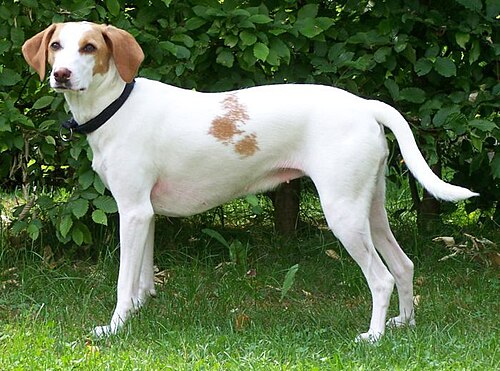 Istrian Shorthaired Hound Croatia Height 47 cm Photo: Cazadero · Public domain
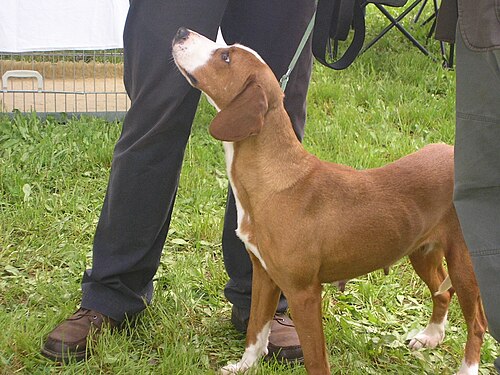
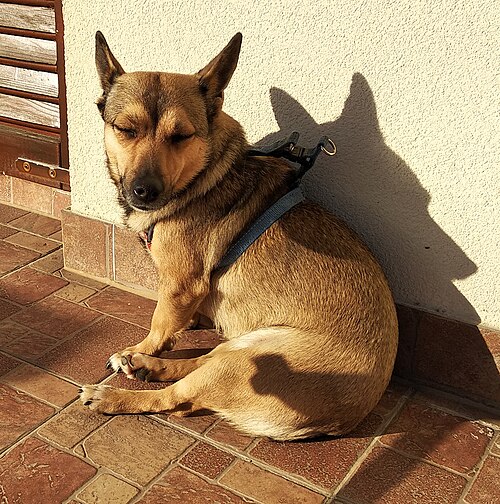
Photo credits6 photographs on this page
- Dalmatian — Desaix83 · CC BY-SA 3.0 · file page
- Croatian Sheepdog — Michala Mračková · Public domain · file page
- Istrian Coarse-haired Hound — Wikimedia Commons contributor · CC BY-SA 3.0 · file page
- Istrian Shorthaired Hound — Cazadero · Public domain · file page
- Posavac Hound — Mirta12 · CC BY-SA 3.0 · file page
- Small Međimurje Dog — MarkoK1984 · CC BY 4.0 · file page
Photographs come from Wikimedia Commons under the licence each one names. How Animalso credits photographs.