
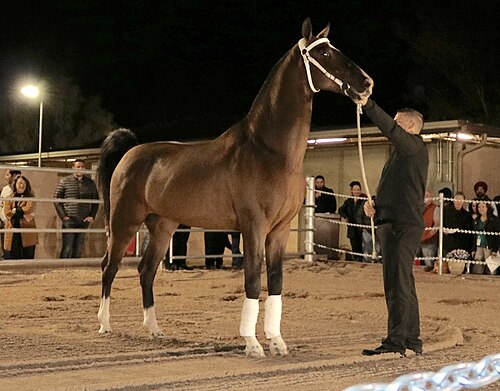
 Photo: Montanabw · CC BY-SA 4.0
horse breed · 671 on Animalso
Dutch Harness Horse
- Animal
- Horse
- Origin
- Netherlands
The Dutch Harness Horse, also called Tuigpaard, is a warmblood driving breed developed in the Netherlands after World War II. Its foundation includes the Groningen and Gelderland horses, once used in farming and transport. The KWPN keeps its studbook. The breed is refined, high-stepping and uncommon, with a small number reaching North America for sport and saddle seat work.
What it is
The Dutch Harness Horse, or Tuigpaard, is a warmblood breed from the Netherlands. It was developed as a fine driving horse after World War II.
Origins and registry
The breed grew from the native Groningen and Gelderland horses, which had served in agriculture and transportation. Its studbook is maintained by the Koninklijk Warmbloed Paardenstamboek Nederland (KWPN). See horse breeds from the Netherlands for related breeds.
What stands out
Strict selection produced a refined, high-stepping horse within a few decades. Dutch Harness Horses are also highly recognizable and are used for driving, sport and saddle seat riding.
Points to consider
The population is not large, with about 40 sires and fewer than 2,000 broodmares. Only a handful have reached North America, so availability there may be limited.
Pricing
No specific pricing information is provided here.
Who may want another breed
This breed may not suit someone seeking a widely available horse or a breed developed for a different main purpose. Compare other horse breeds if driving, sport or saddle seat work is not your goal.
Verdict
Choose the Dutch Harness Horse if you want a distinctive Dutch warmblood with a clear driving heritage and a high-stepping style. Its history links modern breeding to Groningen and Gelderland stock, while its registry remains tied to the KWPN. The small population matters when searching, especially in North America, where only a few have arrived.
What stands out
- Developed as a fine driving horse in the Netherlands.
- Refined, high-stepping type shaped by strict selection.
- Used for sport and saddle seat riding as well as driving.
- Highly recognizable breed with a dedicated KWPN studbook.
Worth knowing
- The population is small, with fewer than 2,000 broodmares.
- Only a handful have reached North America.
Suits
- Owners seeking a Dutch warmblood for driving or related sport.
- People interested in a distinctive, high-stepping horse.
Think twice if
- You need a widely available breed, especially in North America.
- Your plans do not include driving, sport or saddle seat riding.
In short
The Dutch Harness Horse suits an owner drawn to a refined warmblood shaped for driving and recognized for its elevated movement. Its Dutch roots, postwar development and KWPN studbook give the breed a defined identity. The limited population can make finding one harder than finding a more common horse, particularly in North America. Consider this breed when its driving, sport or saddle seat roles match your plans; otherwise, another horse breed may be a closer fit.
Questions
What is a Dutch Harness Horse?
It is a warmblood horse breed, also called Tuigpaard, developed in the Netherlands after World War II.
Where did the Dutch Harness Horse originate?
The breed originated in the Netherlands and was based on native Groningen and Gelderland horses.
What was the Dutch Harness Horse bred to do?
It was developed as a fine driving horse. Some are also used as sport horses and saddle seat horses.
Who keeps the Dutch Harness Horse studbook?
The Koninklijk Warmbloed Paardenstamboek Nederland, known as KWPN, maintains the studbook.
Is the Dutch Harness Horse common?
No. The population includes about 40 sires and fewer than 2,000 broodmares, and only a handful have reached North America.
More horse breeds from Netherlands
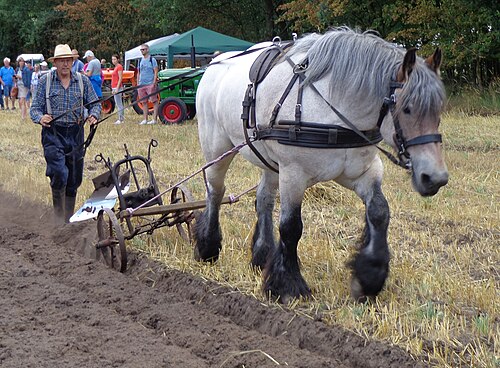
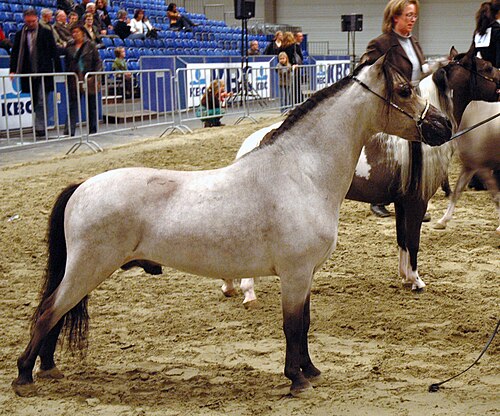
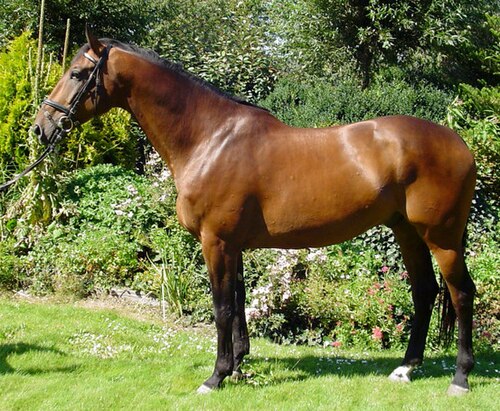
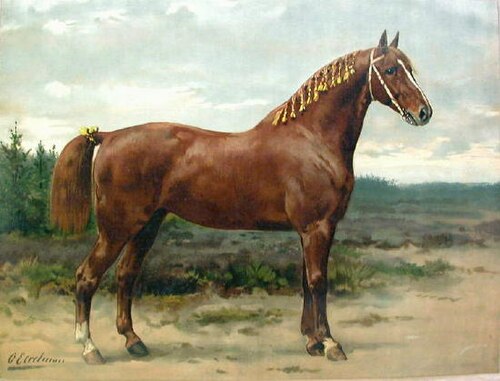 Gelderland horse Netherlands Photo: Otto Erelman · Public domain
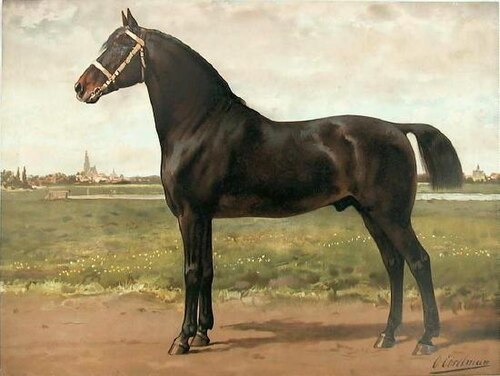 Groningen horse Netherlands Photo: Otto Erelman · Public domain
Photo credits7 photographs on this page
- Dutch harness horse — Montanabw · CC BY-SA 4.0 · file page
- Dutch Draft — HenkvD · CC BY-SA 4.0 · file page
- Dutch Miniature — agriflanders · CC BY 2.0 · file page
- Dutch Warmblood — Remy Overkempe · CC BY-SA 2.0 · file page
- Friesian horse — Drwho1972 · CC BY-SA 4.0 · file page
- Gelderland horse — Otto Erelman · Public domain · file page
- Groningen horse — Otto Erelman · Public domain · file page
Photographs come from Wikimedia Commons under the licence each one names. How Animalso credits photographs.