
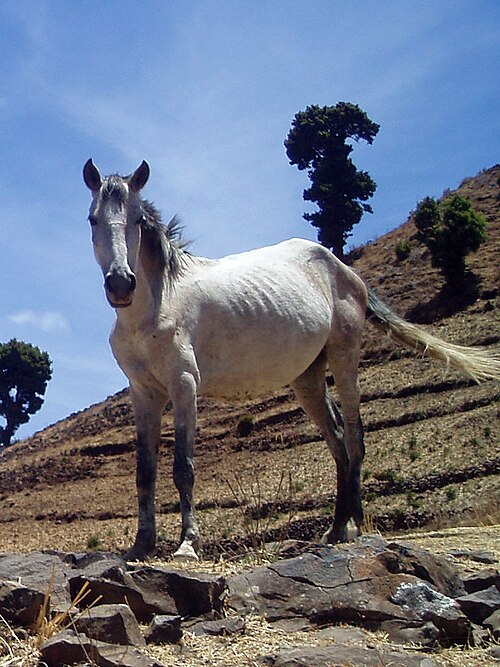
 Photo: Marcoetio · CC BY-SA 3.0
horse breed · 671 on Animalso
Kundudo Horse
- Animal
- Horse
- Type
- Feral horse
- Origin
- Ethiopia
The Kundudo horse is a feral horse population native to Mount Kundudo in eastern Ethiopia. Local people have known of these horses for about two centuries. Their numbers are very small. One account suggests they may descend from Abyssinian horses lost during 16th-century military conflicts, but that origin remains uncertain.
What it is
The Kundudo horse is a feral horse population from Mount Kundudo in eastern Ethiopia.
Getting to know it
Start with its place and status: this population lives on Mount Kundudo and is described as feral. Local people have known about it for roughly two centuries.
What stands out
Its identity is closely tied to eastern Ethiopia and Mount Kundudo.
The population has remained known to local communities for about two hundred years.
It may preserve ancestry from Abyssinian horses, although that explanation is not certain.
Points to keep in mind
Very few Kundudo horses are known, so this is a small population.
The suggested link to Abyssinian horses lost during 16th-century conflicts is only a possibility, not a confirmed origin.
Pricing
The supplied facts give no purchase price or sale terms for Kundudo horses.
Who should look elsewhere
Look elsewhere if you need established ownership details.
Verdict
Kundudo suits readers interested in a rare Ethiopian horse population and its uncertain historical trail. It is less useful for anyone choosing a horse by standard buying details, since the supplied record focuses on origin, feral status and history.
What stands out
- Native to Mount Kundudo in eastern Ethiopia.
- Known to local people for about two centuries.
- May retain Abyssinian horse ancestry.
- Distinctly identified as a feral horse population.
Worth knowing
- Very few individuals are known.
- Its historical ancestry is uncertain.
- The supplied record gives no buying price or sale terms.
Suits
- Readers tracing an Ethiopian horse population
- People interested in feral horse history
Think twice if
- You need a readily available domestic horse
- You are choosing by documented size, lifespan or price
In short
Choose the Kundudo horse entry if your interest is geographical history: it connects a small feral population with Mount Kundudo and eastern Ethiopia. The possible Abyssinian connection adds context, but it should be treated as unresolved. This page is not a buying guide, because no size, lifespan, use or price details are established in the supplied record.
Questions
Where does the Kundudo horse come from?
It is native to Mount Kundudo in eastern Ethiopia.
What kind of horse is the Kundudo?
The Kundudo is described as a feral horse population.
How long have local people known about it?
Local people have known of these horses for about two centuries.
How many Kundudo horses are there?
Very few are known, according to the supplied description.
Could the Kundudo descend from Abyssinian horses?
Possibly. One explanation is that a small group was lost during military conflicts in the 16th century, but this is not confirmed.
More horse breeds from Ethiopia
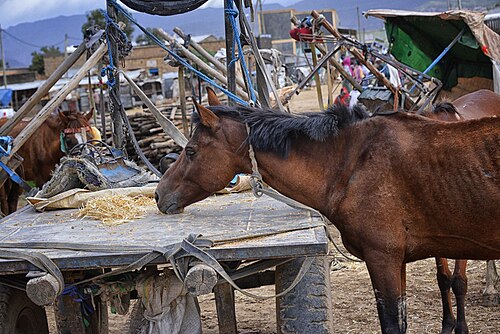
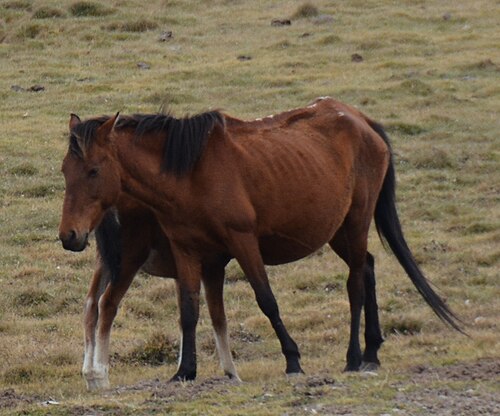
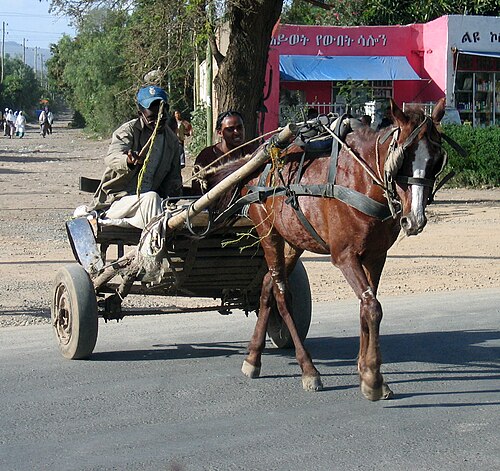
Other feral horse breeds
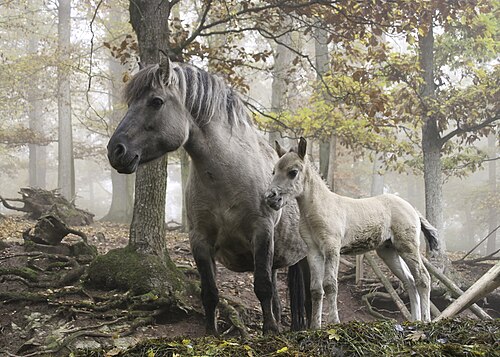
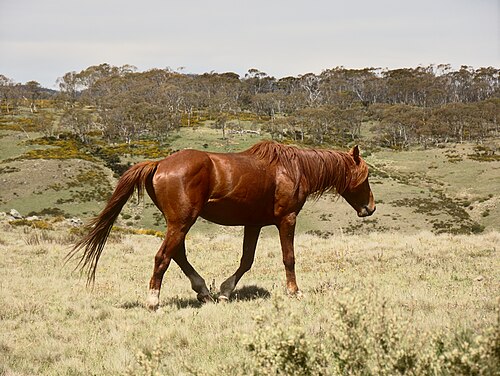 Brumby Australia Photo: Thennicke · CC BY-SA 4.0
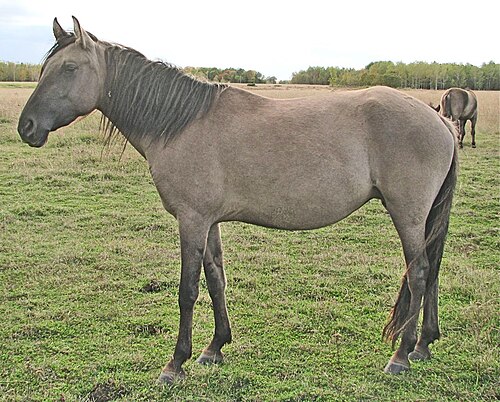 Kiger Mustang United States Height 1.42 cm Photo: Selona · Public domain
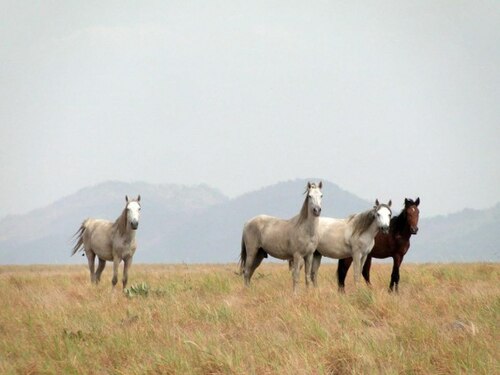 Lavradeiro Brazil Photo: Carlos Marques · CC BY-SA 2.0
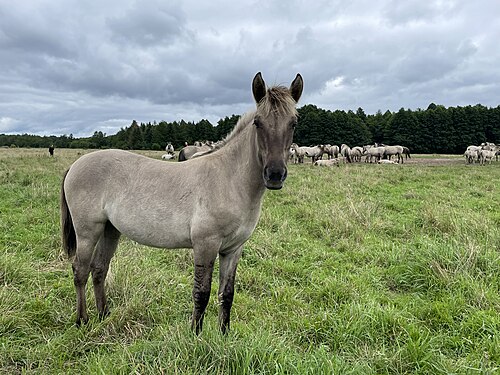
Photo credits12 photographs on this page
- Kundido horse — Marcoetio · CC BY-SA 3.0 · file page
- Abyssinian horse — Rod Waddington · CC BY-SA 2.0 · file page
- Bale horse — Laika ac · CC BY-SA 2.0 · file page
- Selale — Wikimedia Commons contributor · CC BY-SA 2.5 · file page
- Brumby — Thennicke · CC BY-SA 4.0 · file page
- Cumberland Island horse — Bonnie Gruenberg · CC BY-SA 3.0 · file page
- Danube Delta horse — Diego Delso · CC BY-SA 4.0 · file page
- Dülmener — Dietmar Rabich · CC BY-SA 4.0 · file page
- Heck horse — Robin Müller · CC BY-SA 2.0 de · file page
- Kiger Mustang — Selona · Public domain · file page
- Lavradeiro — Carlos Marques · CC BY-SA 2.0 · file page
- Liebenthaler — Sebastian Wallroth · CC BY 3.0 · file page
Photographs come from Wikimedia Commons under the licence each one names. How Animalso credits photographs.