
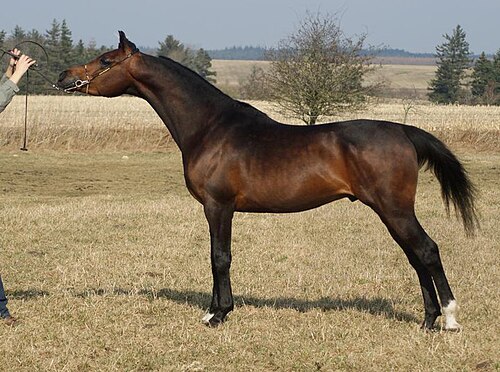
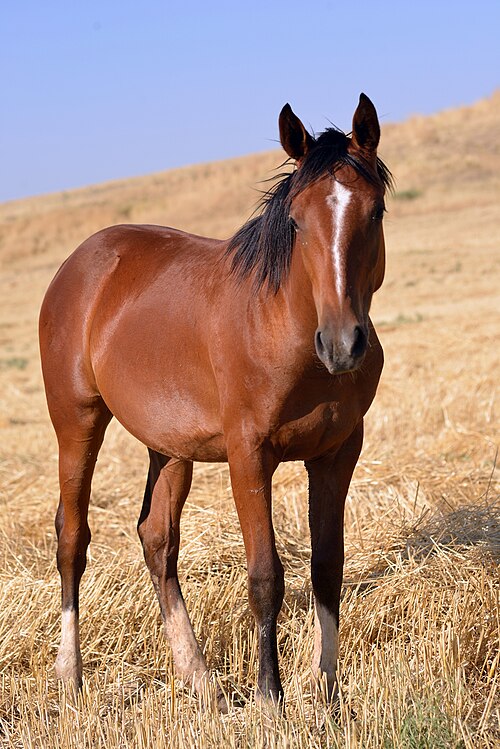
 Photo: Alina-Arabians · CC BY-SA 3.0
horse breed · 671 on Animalso
Polish Arabian Horse
- Animal
- Horse
- Type
- Oriental horse
- Origin
- Poland
- Height
- 1.5 cm
- Weight
- 435 kg
The Polish Arabian is an Arabian horse associated with Poland and the Oriental horse type. Arabian horses have historic roots in West Asia and are among the oldest modern breeds. This horse stands 1.5 meters tall and weighs 435 kilograms in the listed figures. Arabian bloodlines have influenced riding horses around the world.
What it is
The Polish Arabian is a horse from Poland in the Oriental horse type. It belongs to the Arabian breed, whose historic roots are in West Asia.
Arabian horses have been spread through war and trade and used to add speed, refinement, endurance, and strong bone to other breeds.
Getting started
Begin with the breed’s place in the horse breeds from Poland and its wider Arabian background. The listed size is 1.5 meters tall and 435 kilograms.
Notable traits
The Arabian has a distinctive head shape and a high tail carriage, making it readily recognizable.
Its bloodlines appear in almost every modern riding horse breed, reflecting a long influence on riding horses.
Points to keep in mind
The background describes the Arabian breed broadly rather than setting out a separate Polish breeding purpose. It also notes that modern DNA cannot trace purity in today’s population beyond 200 years.
Size and lifespan
The recorded height is 1.5 meters, and the recorded weight is 435 kilograms.
Who may want another breed
Readers seeking a horse with a documented lifespan or a Poland-specific breeding history will find those details are not supplied here. Compare it with other horse breeds instead.
Verdict
Choose the Polish Arabian if you want a Poland-associated Arabian and value the breed’s long record of influence on riding horses. Look elsewhere if you need a fuller Polish-specific profile, including a stated lifespan or a clearly defined local working role.
What stands out
- Distinctive head shape and high tail carriage.
- Arabian bloodlines have influenced modern riding horse breeds.
- Poland is listed as its origin.
- Historic roots in West Asia.
Worth knowing
- No lifespan figure is listed.
- Modern DNA cannot trace breed purity beyond 200 years.
- The background is broad Arabian history, not a detailed Polish account.
Suits
- Readers tracing an Arabian horse associated with Poland
- People interested in Arabian influence on riding breeds
Think twice if
- You need a stated lifespan or detailed Polish-specific breeding purpose.
- You want a breed profile with more ownership figures.
In short
The Polish Arabian offers a Poland origin within the broader Arabian story, whose roots reach back to West Asia. Its 1.5-meter height and 435-kilogram weight give a clear basic profile. The breed is especially notable for its recognizable head, high tail carriage, and influence on modern riding horses. The available description remains general: it does not provide a lifespan or a distinct Polish breeding purpose. That makes it a useful starting point for identification and history, but not a complete ownership profile.
Questions
What is the Polish Arabian horse?
It is a horse from Poland in the Oriental horse type, associated with the Arabian breed.
Where does the Arabian horse come from?
The Arabian has historic roots in West Asia, while the Polish Arabian is listed as originating in Poland.
How tall is the Polish Arabian?
The listed height is 1.5 meters.
How much does it weigh?
The listed weight is 435 kilograms.
What was the Arabian horse used for?
Arabian horses spread through war and trade and were used to improve other breeds with speed, refinement, endurance, and strong bone.
What does an Arabian horse look like?
The breed is described as having a distinctive head shape and high tail carriage.
More horse breeds from Poland
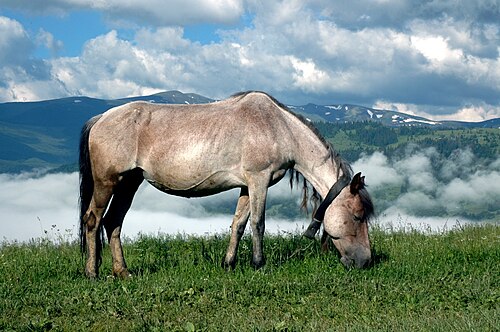
 Kuc felinski Poland Photo: JKolstrung · CC BY-SA 4.0
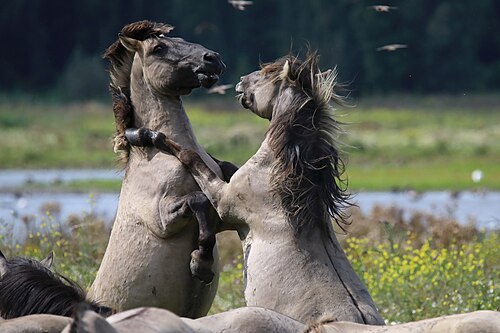
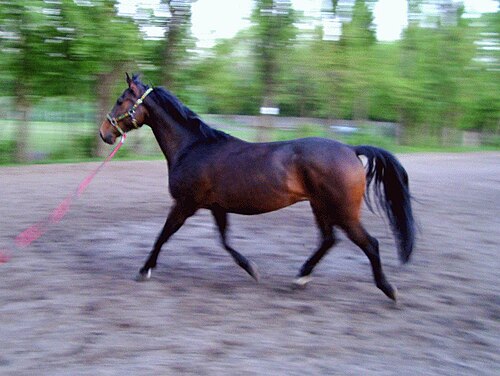 Malopolski Poland Photo: Slss · CC BY-SA 4.0
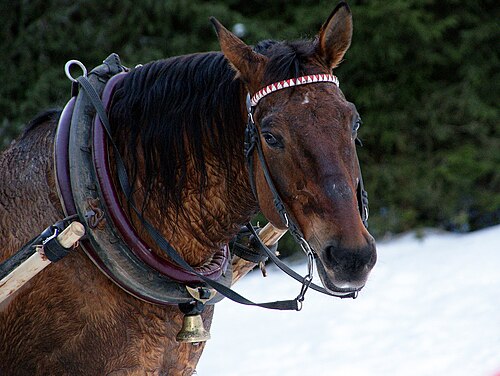
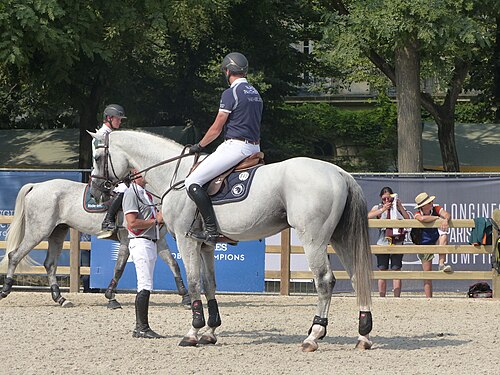
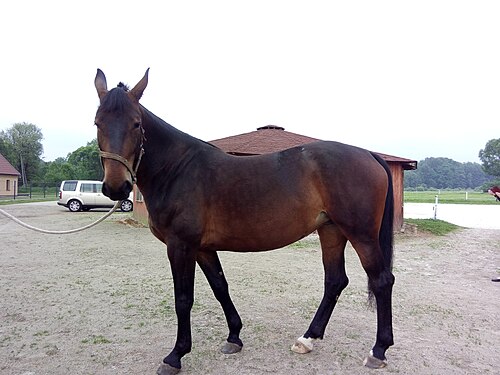
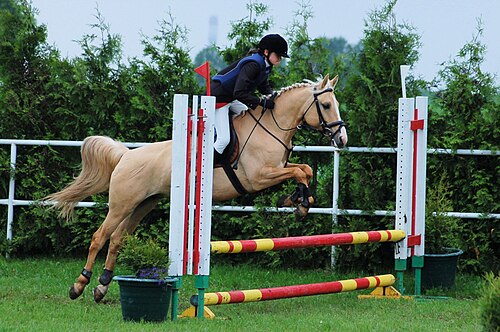
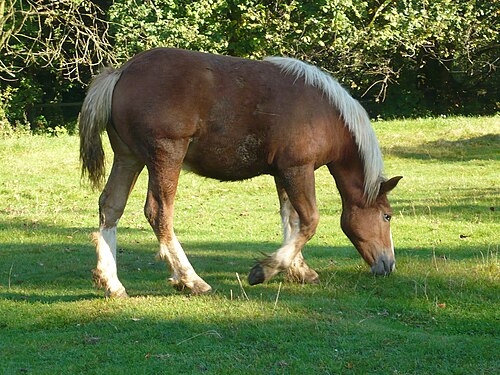 Sokolsky horse Poland Photo: Ofen95 · CC BY-SA 4.0
Other Oriental horse breeds
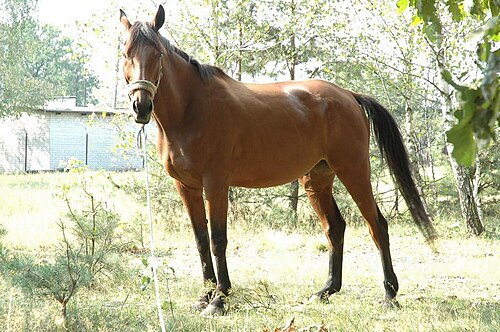 Wielkopolski Poland Photo: Siedlar · Public domain
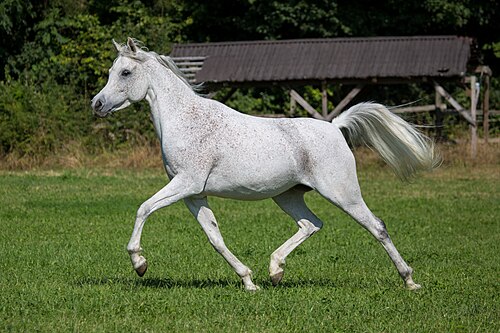 Arabian horse Bahrain Photo: OliverSeitz · Public domain
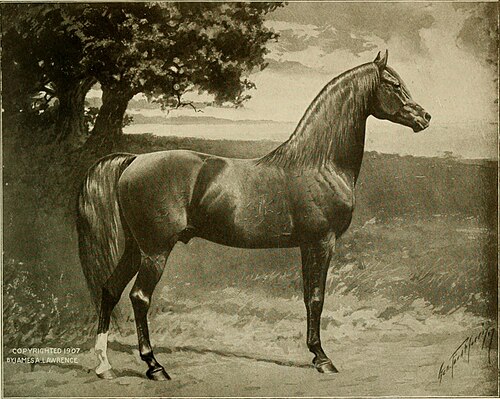
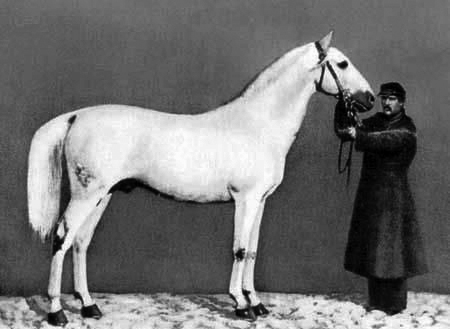 Strelets Ukraine Photo: Wikimedia Commons contributor · Public domain
Photo credits15 photographs on this page
- Polish Arabian horse — Alina-Arabians · CC BY-SA 3.0 · file page
- Hucul pony — VargaA · CC BY-SA 4.0 · file page
- Konik — Jac. Janssen · CC BY 2.0 · file page
- Kuc felinski — JKolstrung · CC BY-SA 4.0 · file page
- Malopolski — Slss · CC BY-SA 4.0 · file page
- Polish Coldblood — Anna Zapotocka · CC BY-SA 3.0 · file page
- Polish Halfbred Horse — Tsaag Valren · CC BY-SA 4.0 · file page
- Silesian horse — Soldier of Wasteland · CC BY-SA 4.0 · file page
- Sokolsky horse — Ofen95 · CC BY-SA 4.0 · file page
- Wielkopolski — Siedlar · Public domain · file page
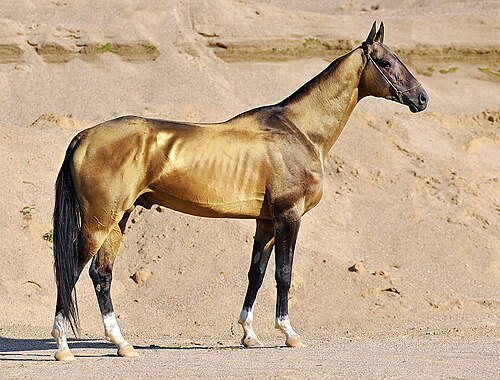
- Akhal-Teke — Artur Baboev · CC BY-SA 3.0 · file page
- Arabian horse — OliverSeitz · Public domain · file page
- Kurdish horse — Dûrzan cîrano · CC BY-SA 3.0 · file page
- Muniqi — Internet Archive Book Images · No restrictions · file page
- Strelets — Wikimedia Commons contributor · Public domain · file page
Photographs come from Wikimedia Commons under the licence each one names. How Animalso credits photographs.