
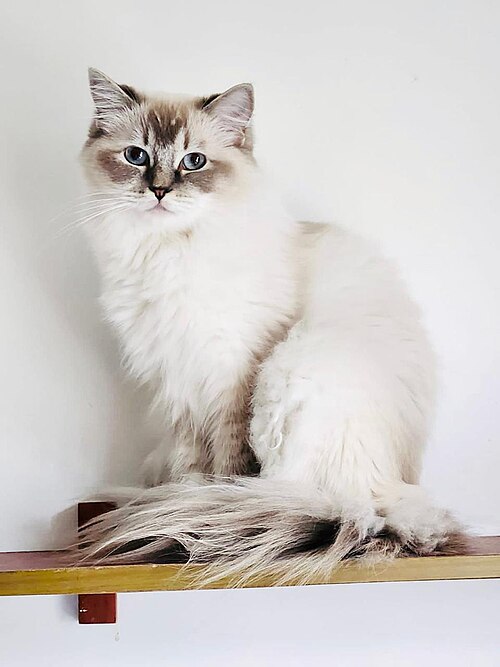
 Photo: Cgomez766 · CC0
cat breed · 135 on Animalso
Ragdoll Cat: United States Breed Profile
- Animal
- Cat
- Origin
- United States
The Ragdoll is a cat breed developed in the United States by breeder Ann Baker during the 1960s. It has a distinct colorpoint coat, blue eyes, a large and weighty build, and a semi-long, silky coat. The breed is described as docile, placid and affectionate, and its name refers to relaxing when picked up.
What the Ragdoll is
The Ragdoll is a cat breed from the United States. Ann Baker developed it in the 1960s.
It is recognized for a distinct colorpoint coat and blue eyes, with a large, weighty body and semi-long, silky fur.
Getting to know the breed
A new owner can expect a breed whose name comes from its tendency to go limp and relaxed when picked up. Its described temperament is docile and placid, with an affectionate nature.
Defining traits
The Ragdoll has a clear visual identity: colorpoint markings, blue eyes and a soft, semi-long coat.
Its background describes a relaxed, affectionate temperament. The breed is popular in the United Kingdom and the United States.
Points to consider
This is a large and weighty cat with semi-long fur. The breed description does not provide recorded height, weight or life-expectancy figures here.
Breed information
No purchase price or other cost is provided for the Ragdoll in these facts.
Who may want another breed
Someone looking for a different coat pattern, body type or country of origin may want to compare other cat breeds.
Verdict
The Ragdoll suits readers drawn to a United States breed with blue eyes, colorpoint coloring and a calm, affectionate description. Its large build and semi-long coat are central parts of its profile.
What stands out
- Distinct colorpoint coat
- Blue eyes
- Described as docile and placid
- Affectionate nature
- Semi-long, silky coat
Worth knowing
- Large, weighty body
- Semi-long coat
- Relaxes when picked up, which may not suit every preference
Suits
- Readers seeking a United States cat breed
- People drawn to blue eyes and colorpoint coloring
- Homes interested in a placid, affectionate description
Think twice if
- You want a smaller-bodied cat
- You prefer short fur or a different coat pattern
- You are looking for a breed from another country
In short
Ragdoll is a United States cat breed created in the 1960s by Ann Baker. Its colorpoint coat, blue eyes, large body and silky semi-long fur make it easy to recognize. The available description emphasizes a docile, placid and affectionate nature, along with the tendency to relax when picked up. Choose this breed if those features match what you want in a cat. If you prefer another appearance or origin, compare the wider range of cat breeds before deciding.
Questions
Where did the Ragdoll originate?
The Ragdoll originated in the United States.
Who developed the Ragdoll?
American breeder Ann Baker developed the Ragdoll in the 1960s.
What does a Ragdoll look like?
It has a distinct colorpoint coat, blue eyes, a large and weighty build, and semi-long, silky-soft fur.
Why is it called Ragdoll?
The name refers to the breed's tendency to go limp and relaxed when picked up.
What temperament is associated with the Ragdoll?
The breed is described as docile, placid and affectionate.
Is the Ragdoll popular?
The Ragdoll is particularly popular in the United Kingdom and the United States.
More cat breeds from United States
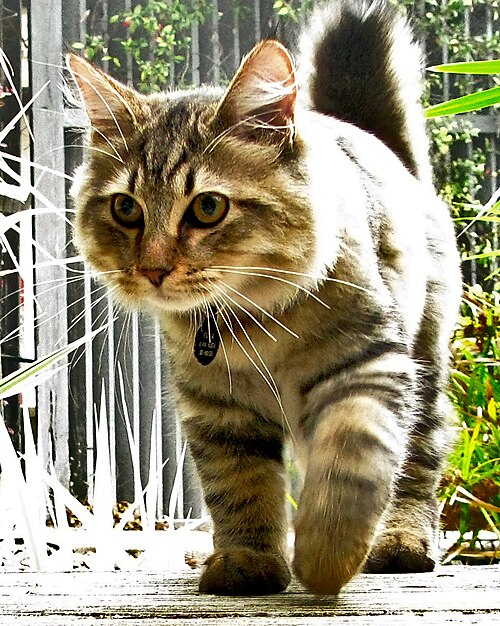
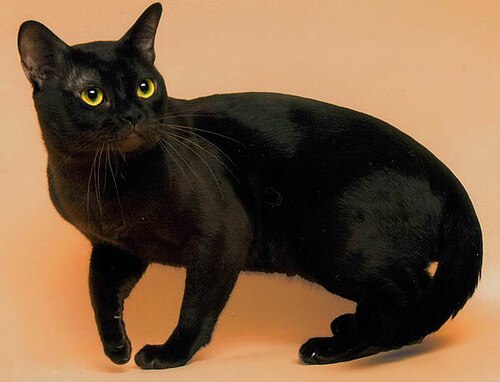
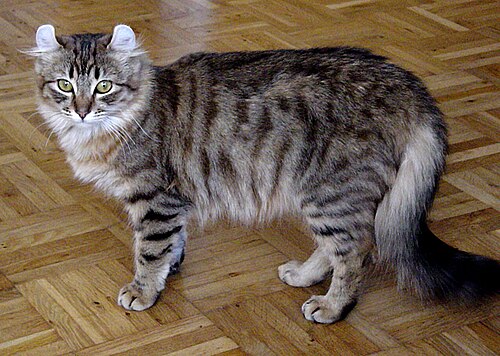
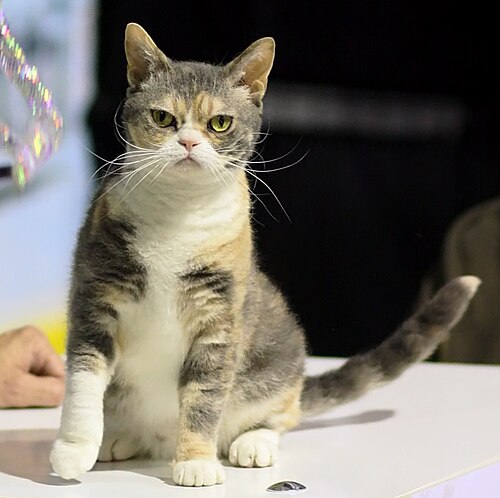
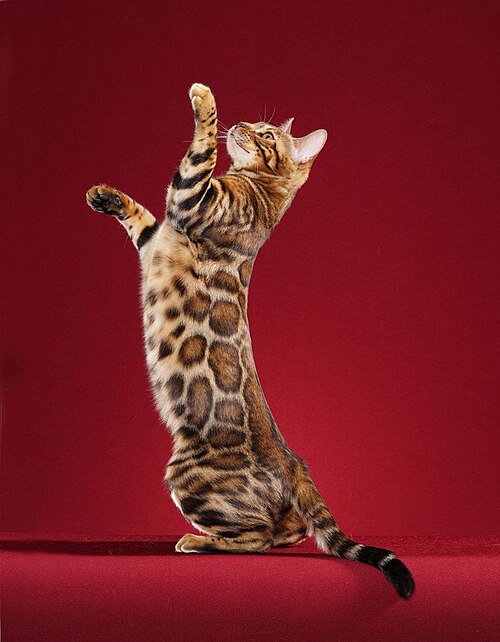
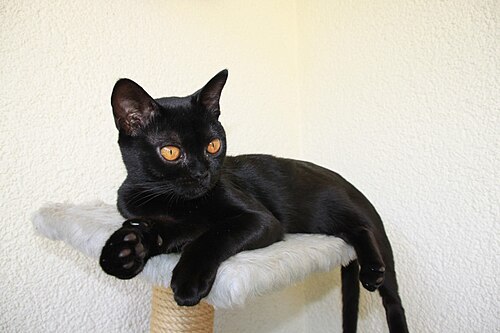 Bombay United States Photo: Bombaykatze · CC BY-SA 3.0
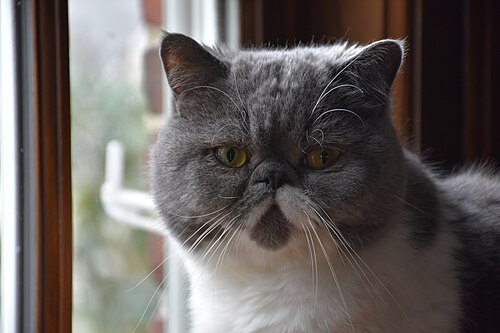
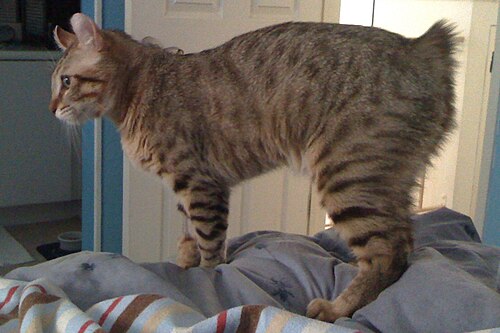
Photo credits9 photographs on this page
- Ragdoll — Cgomez766 · CC0 · file page
- American Bobtail — torbakhopper · CC BY 2.0 · file page
- American burmese — Валерий Синицын · CC BY-SA 3.0 · file page
- American Curl — Wikimedia Commons contributor · CC BY-SA 3.0 · file page
- American Wirehair — Heikki Siltala · CC BY 3.0 · file page
- Bengal cat — Lightburst · CC BY-SA 4.0 · file page
- Bombay — Bombaykatze · CC BY-SA 3.0 · file page
- Exotic Shorthair — Dmitry Brant · CC BY-SA 4.0 · file page
- Highlander cat — TAnthony · CC BY-SA 4.0 · file page
Photographs come from Wikimedia Commons under the licence each one names. How Animalso credits photographs.