Yes. Some algae treatments—particularly copper-based algaecides—can harm or kill fish directly. A treatment can also cause a fish kill indirectly: when a large amount of algae dies and decomposes, it can use up dissolved oxygen. The risk depends on the product and its label, water conditions, fish and bloom, and how much water is treated at once.
How can algae treatment harm fish?
Direct toxicity from the product
Algaecides are not interchangeable. Copper-based products carry warnings about toxicity to fish and other aquatic organisms. The U.S. EPA-approved label for one copper product states, “This copper product is toxic to fish and aquatic organisms.” That warning applies to that product; check the current label for the exact treatment you are considering.
Water chemistry can affect risk. The 2023 label for that product identifies higher acute-toxicity concerns when pH is at or below 6.5, dissolved organic carbon is at or below 3.0 mg/L, or alkalinity is below 50 mg/L. It warns that low-pH, low-organic-carbon, low-alkalinity conditions can put trout and other sensitive fish at risk. These are product-specific label thresholds, not universal safety cutoffs for every algaecide. Read the EPA-approved label.
Oxygen loss after algae dies
A fish kill after treatment does not necessarily mean the chemical poisoned the fish directly. Decomposition of dead algae consumes dissolved oxygen, which fish and invertebrates need to survive. The same EPA label warns that aquatic weed and algae treatment can cause oxygen loss as dead biomass decomposes. Oklahoma State University Extension also notes that many fish kills associated with copper sulfate follow massive algae death and oxygen depletion. See Oklahoma State University Extension’s guidance.
The Tool Desk
Outbyte Driver Updater FREEFix the driver behind crashes, sound loss and screen glitchesFind Drivers →Outbyte PC Repair FREERepair Windows errors before they cause bigger problemsFix Now →#1 Best Overall
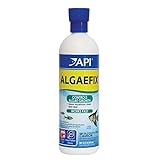
- Contains one (1) API ALGAEFIX Algae Control 16-Ounce Bottle
- Controls algae growth and keeps aquarium glass, ornaments and plants clean
- Fast-acting and effective on "green water" algae blooms, string or hair algae
- Will not harm fish and plants when used as directed
- Dose every three days until algae is under control then dose weekly
Cell contents released by cyanobacteria
Cyanobacteria, often called blue-green algae, can release intracellular contents when cells are damaged. In a dense toxin-producing bloom, treatment may release toxins into the water. The EPA advises considering bloom conditions and the control method, and the cited copper-product label cautions against applying it to high-density toxin-producing cyanobacterial blooms. EPA overview of cyanobacterial bloom control measures.
What conditions make a fish kill more likely?
- Product and active ingredient: Ingredients and formulations differ. Use only a product whose current label permits the intended use in that specific type of water body.
- Water chemistry: pH, alkalinity or hardness, and—where specified by the label—dissolved organic carbon can affect toxicity. The cited copper label also flags low pH and low alkalinity as risks to sensitive fish.
- How much algae dies at once: A large die-off creates more decaying biomass and can cause substantial oxygen loss.
- Bloom type and density: Dense, toxin-producing cyanobacteria raise concerns about releasing cell contents when the bloom is disrupted.
- Other stressors: EPA notes that elevated temperature can increase chemical toxicity. In some herbicide cases, formulation ingredients such as surfactants may be more toxic to animals than the active ingredient. EPA’s overview of herbicide effects.
How to assess risk before treating a pond or other water body
- Identify the active ingredient and read the current label. Confirm that the product is authorized for the site and intended use. Do not transfer a dose or precaution from another product. EPA provides label information for SeClear Algaecide (67690-55); the label for the specific product remains controlling.
- Check the water conditions the label identifies. For copper products, this may include pH and alkalinity or hardness; some labels also identify dissolved organic carbon. If conditions fall within a label’s higher-risk range, do not assume a customary dose is safe.
- Consider bloom size and the amount of biomass likely to die. Follow the product’s directions for staging treatment; killing a large mass at once can increase oxygen depletion.
- Assess whether cyanobacteria are present. A dense toxin-producing bloom may call for avoiding treatment or using a different management approach. Public waters may also require permits or consultation.
- Get qualified advice when fish or water uses are especially sensitive. If fish are valuable, sensitive, or already stressed, contact the relevant state or local aquatic-resource authority or a qualified aquatic-management professional. The cited EPA label recommends consulting the responsible agency before applications to public waters.
Why treatment directions cannot be generalized
For the particular copper-product label revised July 13, 2023, treatment is limited to no more than half the water body at a time, with at least 14 days between treatments. Those are directions for that labeled product, not general rules for every algaecide. Use the current label for the actual product and site.
Rank #2

- POWERFUL ALGAE REMOVER FOR FISH TANK: MICROBE-LIFT Algaway 5.4 delivers fast-acting aquarium algae control; It eliminates green water, hair algae, and string algae to improve water clarity and reduce odor; EPA Registered for safety and reliability
- SAFE FOR FISH & PLANTS: This fish tank algae cleaner is safe for all freshwater and saltwater aquarium fish and ornamental plants; It enhances oxygen levels for improved fish behavior and reduced stress and helps maintain a balanced aquatic ecosystem
- FOR FRESHWATER AQUARIUMS & PONDS: This aquarium water treatment is an effective algae remover for aquariums, glass tanks, ornamental ponds, and fountains without outflow; Not safe for snails, shrimp, clams, or crustaceans in freshwater
- FOR SALTWATER AQUARIUMS: The algae eliminator for fish tank is safe to use in marine and reef aquariums; It will not harm corals, coralline algae, snails, shrimp, anemones, clams, or other invertebrates; Will not affect the function of protein skimmers
- EASY, REPEATABLE APPLICATION: For aquariums and small ponds with heavy algae growth, clean excess algae off sides and fish tank decor before use; Use near filter outflow; Repeat every 3 days until algae is controlled and then repeat weekly for maintenance
There is no universally safest or best method established for every pond or cyanobacterial bloom. The EPA notes that control effectiveness can depend on water-body geometry and cyanobacteria species, while some algaecides can harm fish and other organisms. Compare possible methods by their target organism, water chemistry requirements, effects on fish and other non-target species, bloom density and toxin concerns, label limits, intended water use, and any required authorization.
Independent reader supportYour contribution helps us test, update, and keep practical guides available for everyone.Is algaecide safe for fish?
It cannot be answered safely without the product label and site conditions. A label may permit use in a particular setting while also imposing restrictions or warning of risks to aquatic life. The available information does not establish that an unnamed product is safe for an unmeasured pond, unknown fish species, or dense bloom. Identify the product, check its current directions and warnings, and account for the water and bloom before deciding whether to treat.
Quick Recap
Best Value

- cleans many types of stains from cyanobacteria
- works in fresh and salt water
- safe for all fish, corals, invertebrates, nitrifying bacteria and macro algae's.
- Age range description: all stages
Rank #4

- Contains one (1) API ALGAEFIX Algae Control 4-Ounce Bottle
- Controls algae growth and keeps aquarium glass, ornaments and plants clean
- Fast-acting and effective on "green water" algae blooms, string or hair algae
- Will not harm fish and plants when used as directed
- Dose every three days until algae is under control then dose weekly
Rank #3
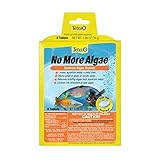
- CONTROLS ALGAE GROWTH: Removes existing algae from aquarium water and controls the formation of new algae in your tank.
- CLEAR WATER: Leaves aquarium water clean and crystal clear.
- USE IN FRESHWATER TANKS: Designed for both glass and acrylic aquariums.
- FIZZ TAB SYSTEM: Fish care made easy.
- USAGE: For regular maintenance, use once a month or as algae growth starts to appear.
Product prices and availability are accurate as of the date/time indicated and are subject to change. Any price and availability information displayed on Amazon at the time of purchase will apply.




