Yes, you can be allergic to tuna fish because tuna is a finned fish whose proteins can trigger an immune reaction. Tuna allergy may cause hives, vomiting, breathing trouble, or anaphylaxis, but scombroid fish poisoning can look similar. Severe symptoms require prescribed epinephrine, emergency services, and urgent medical care—not a home test.
The distinction matters because treatment and long-term food restrictions differ. A reaction after tuna may reflect a true IgE-mediated fish allergy, histamine poisoning from improperly handled fish, food intolerance, or another illness. An allergist can interpret the timing, symptoms, food details, and test results together.
Key takeaways
- Tuna can cause a true finned-fish allergy, and fish-allergy reactions can include hives, vomiting, breathing problems, or anaphylaxis.
- Scombroid, or histamine, fish poisoning can imitate an allergy and often begins within minutes to two hours after improperly handled tuna.
- Breathing difficulty, throat or tongue swelling, repetitive coughing, fainting, weak pulse, or symptoms affecting multiple body systems require prescribed epinephrine, emergency services, and urgent medical care.
- Skin-prick or blood testing alone cannot prove that tuna causes a clinically important allergy; an allergist interprets testing alongside the reaction history.
- A tuna allergy does not automatically mean a person is allergic to shellfish, iodine, or every other fish, but many people allergic to one fish also react to others.
Can you be allergic to tuna fish?
Yes, tuna can cause a true fish allergy because tuna is a finned fish containing proteins that can trigger an immune response. A tuna reaction may cause itching, hives, swelling, vomiting, wheezing, or anaphylaxis, but scombroid fish poisoning and other illnesses can produce similar symptoms. Do not deliberately test tuna at home after a serious reaction; ask an allergist for evaluation.
In an IgE-mediated food allergy, the immune system makes antibodies that recognize fish proteins and release inflammatory chemicals. Tuna is among the fish commonly reported to cause allergic reactions. According to Food Allergy Research & Education’s fish-allergy information, finned-fish allergy affects approximately 1% of the U.S. population, and about 40% of people with fish allergy experience their first reaction as adults. Those figures apply to finned-fish allergy overall, not tuna specifically; an authoritative tuna-only prevalence figure was not identified.
What’s actually slowing this PC down?
Pick the symptom - the matching free tool is one click away.
#1 Best Overall

- UNCOVER FOOD INTOLERANCES & ENVIRONMENTAL SENSITIVITIES CAUSING GUT & SKIN ISSUES. Symptoms like fatigue, acne breakouts, gas, diarrhea, and headaches are most likely not random or allergy-related - they’re often caused by hidden food intolerances and environmental sensitivities. Food intolerances occur when the gut microbiome can’t digest an ingredient correctly, and environmental sensitivities develop when your body has a negative response when exposed to specific items in your indoor and outdoor environment. Testing is the only way to pinpoint specific dietary and lifestyle triggers so you’re not left guessing.
- TESTS 658 FOODS & 282 ENVIRONMENTAL ITEMS. Your hair sample is tested against key food categories including dairy, veggies, fruits, grains, meats, seafood, nuts, sweeteners, spices, fats, oils, mushrooms, superfoods, drinks, and preservatives. It’s also tested against indoor and outdoor items including animals, grasses, trees, flowers, mold, pollen, chemicals, fabrics, insects, and lotions.
- HOW IT WORKS: 3 EASY STEPS. 1) Register your hair analysis test on the 5Strands website or mobile app. 2) Collect 10-15 strands of hair from anywhere on your body. 3) Send it to our lab using the included prepaid shipping materials. 3) Results will be emailed or sent to the mobile app dashboard within 4 days of receiving your sample.
- MAKE TARGETED DIET & LIFESTYLE CHANGES WITH YOUR RESULTS. Each item is placed into one of four severity levels, helping you understand which items are safe , and what to reduce, remove, and use in moderation. This establishes a defined list of items to begin a proactive elimination plan.
- TRUSTED BY HOLISTIC HEALTH EXPERTS WORLDWIDE. Independent 3rd-party research has verified the benefits of our intolerance and sensitivity testing for adults and children. Every sample is processed in our certified U.S. laboratory and analyzed twice to ensure consistent results. Our at-home tests have helped more than 345,000 people and pets identify their food triggers and environmental stressors.
What are the symptoms of a tuna allergy?
A tuna allergy can cause symptoms in one body system or several systems at once. Possible symptoms include:
- itching, hives, flushing, or a rash;
- swelling of the lips, face, tongue, or throat;
- itchy or watery eyes, throat tightness, wheezing, trouble breathing, or repetitive coughing;
- nausea, vomiting, diarrhea, or abdominal pain;
- dizziness, fainting, weak pulse, or low blood pressure.
An itchy mouth or a few hives may be an early allergic symptom, not proof that the reaction will remain mild. A previous mild reaction does not guarantee that a later tuna reaction will be mild.
When is a tuna reaction an emergency?
A tuna reaction is an emergency when it causes breathing difficulty, throat or tongue swelling, repetitive coughing, fainting, a weak pulse, or a combination of symptoms such as hives plus vomiting. If prescribed epinephrine is available, use it according to the person’s emergency plan, call 911 or the local emergency number, and go to an emergency department even if symptoms improve.
Food Allergy Research & Education states, Epinephrine is the only medication that can reverse the symptoms of anaphylaxis.
Antihistamines may have a role for selected mild symptoms when that use is part of a clinician-provided plan, but antihistamines do not replace epinephrine for anaphylaxis. Do not wait to see whether an airway-threatening reaction resolves, and do not rely on an over-the-counter medicine alone.
Recommended Free Tools
Rank #2

- IDENTIFY FOOD SENSITIVITIES: Measures IgG antibody reactivity to 96 foods to help uncover potential dietary triggers, support a personalized elimination diet and provide insights into how your body may respond to different foods.
- SUPPORTS SYMPTOM RELIEF: Designed to help you explore potential food-related causes of symptoms like bloating, headaches, digestive discomfort and low energy including gluten, shellfish, dairy or lactose.
- ELIGIBILITY & RESTRICTIONS: This HSA/FSA eligible test is intended for adults 18 plus and is NOT AVAILABLE IN NEW YORK.
- FAST, ACTIONABLE RESULTS: Receive digital results in an easy-to-read dashboard usually within 3-5 business days after your sample is received by the lab, so you can make confident choices, share with your doctor and prioritize your health.
- EASY, AT-HOME SAMPLE COLLECTION: Everything you need is included in one at-home collection kit. Just collect a small blood sample and return by mail with the provided included shipping label. No clinic visits or appointments required.
Is it a tuna allergy or scombroid fish poisoning?
A reaction after tuna is not automatically a tuna allergy. Scombroid, or histamine, fish poisoning occurs when susceptible fish accumulate histamine after inadequate temperature control or decomposition, and the illness can look like an allergic reaction.
| Feature | IgE-mediated tuna allergy | Scombroid or histamine fish poisoning |
|---|---|---|
| Cause | Immune response to tuna or another fish protein | Histamine formed in susceptible fish after inadequate temperature control or decomposition |
| Onset | Often rapid, although timing varies | Commonly within minutes to two hours, according to the U.S. Food and Drug Administration |
| Possible clues | Reproducible reactions after exposure, hives, swelling, wheezing, vomiting, or anaphylaxis | Flushing, sweating, headache, dizziness, a burning or peppery taste around the mouth or throat, rash, nausea, diarrhea, or abdominal cramps |
| Pattern among diners | Usually relates to the allergic person’s exposure | Several people who ate the same fish may become ill |
| How it is confirmed | Reaction history plus appropriate allergy testing; sometimes a medically supervised oral food challenge | Medical, public-health, or laboratory investigation; histamine analysis of suspect fish can help confirm it |
These differences are clues, not a home diagnostic test. Several people becoming ill after the same tuna makes scombroid poisoning important to consider, but another person’s illness does not prove that an individual is not allergic. Severe symptoms require emergency treatment regardless of the suspected cause. Report suspected food poisoning through appropriate medical or public-health channels.
How does an allergist diagnose tuna allergy?
An allergist diagnoses suspected tuna allergy by combining a detailed reaction history with appropriately interpreted testing. The history should include the tuna product, amount eaten, preparation, time from eating to symptoms, exact symptoms, treatment received, whether anyone else became ill, and reactions to other fish.
Skin-prick testing or blood testing for food-specific IgE may provide useful evidence. A positive result means sensitization, not necessarily that eating tuna causes a clinical reaction. The American College of Allergy, Asthma & Immunology’s food-allergy diagnosis guidance explains why test results must be interpreted in the context of the person’s history.
Outdated Drivers Are Slowing You Down
One free scan finds every outdated or missing driver and matches the right update for your exact hardware.Free scan · exact hardware matchWindows Errors? Fix Them Before They Spread
Repair common Windows errors and clear accumulated junk for a smoother, more stable PC - no reinstall needed.Free scan · no reinstallRank #3
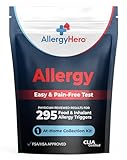
- COMPREHENSIVE ALLERGY TESTING: This food allergy test checks for reactions to 295 potential triggers, including foods, food beverages, pet dander, pollen, and other common inhalants. Designed for both adults and children, it provides a broad overview of possible allergens.
- EASY AT-HOME SAMPLE COLLECTION: Skip the hassle of lab visits with this easy at-home kit. The simple collection process includes step-by-step instructions, making it convenient for both adults and kid food allergy testing.
- DETAILED RESULTS: Gain a clearer understanding of how your body reacts to everyday foods and environmental factors. Use the findings to make more informed decisions about dietary and lifestyle adjustments.
- SUITABLE FOR THE WHOLE FAMILY: This test kit is designed for all ages, making it an excellent choice for individuals and families. Whether testing for yourself or a child, it helps identify potential triggers related to kids food and environmental allergens.
- EXTENSIVE TEST PANEL: The kit evaluates 295 foods, food beverages, and environmental elements, offering a detailed look at common triggers. With a wide range of tested items, it helps you better understand possible reactions.
If uncertainty remains, an allergist may consider a medically supervised oral food challenge. A person should never perform a home challenge after a suspected serious reaction. A supervised challenge is conducted by medical professionals who can respond if a reaction occurs.
Do you need to avoid every fish if tuna causes a reaction?
No—not automatically forever—but choosing which fish to eat is not a safe do-it-yourself decision after a suspected tuna allergy. More than half of people allergic to one type of fish are also allergic to other fish, according to Food Allergy Research & Education, so an allergist will often recommend avoiding all fish initially while evaluating the individual pattern.
| Food or category | What a tuna reaction means | Practical decision |
|---|---|---|
| Tuna | Could be the trigger in a true fish allergy, but poisoning and other explanations remain possible | Avoid until a clinician evaluates the reaction, especially after significant symptoms |
| Other finned fish, such as salmon | May or may not trigger a reaction; cross-reactions are common | Do not assume another fish is safe or unsafe; ask an allergist about targeted testing or supervised challenge |
| Shrimp, crab, lobster, and other shellfish | Shellfish are a different allergen group from finned fish | A tuna allergy does not automatically establish a shellfish allergy |
| Iodine or iodinated contrast material | Iodine is not the trigger in fish allergy | A tuna allergy does not by itself establish an iodine or contrast-material allergy |
Do not assume that canned tuna, fresh tuna, restaurant tuna, or cooked tuna is safe merely because the form or preparation differs. Heating is not a reason to experiment with a food that caused a suspected severe reaction.
Can canned tuna cause an allergy?
Yes, canned tuna can cause a reaction in someone allergic to tuna, and the fact that tuna is canned does not reliably distinguish allergy from poisoning or make tuna safe. A person may also react to a dish containing tuna or to cross-contact in a restaurant or food-production setting.
Rank #4

- IDENTIFY WHAT FOODS & DRINKS MAY BE CAUSING INTOLERANCE SYMPTOMS. Gluten and lactose intolerances occur when the digestive system struggles to process foods within those categories like milk and bread, but these intolerances can happen with any food or drink too. If your food intolerances aren’t handled properly, symptoms like acid reflux, constipation, diarrhea, headaches, and weight gain can occur.
- TESTS 1030 FOOD & BEVERAGE ITEMS. Your hair sample is compared against 30 food and drink categories, including acidity regulators, anti-caking agents, beverages, dairy, emulsifiers, fats, flavor enhancers, food dyes, fruits, grains, herbs, legumes, modified starches, mushrooms, nuts, preservatives, processing aids, proteins, seafood, seasonings, spices, stabilizers, superfoods, sweeteners, thickeners, and vegetables.
- NON-INVASIVE HAIR SAMPLE COLLECTION WITH FAST RESULTS. 1) Register your test kit on our 5Strands website or mobile app. 2) Collect 10-15 strands of hair from anywhere on your body. 3) Mail the sample to our certified U.S. lab with the included shipping materials. 4) We’ll send the results to your email and mobile app within 4 days of receiving your hair sample.
- CLEAR ANSWERS TO START AN ELIMINATION DIET. Each food item is categorized by 4 response levels so you have a concrete starting point to eliminate trigger foods, consume mid-level food triggers in moderation, and keep safe-listed foods in your current diet. Consistent implementation of your results gives your gut microbiome the space to rebalance, promoting proper digestion while alleviating symptoms.
- INDEPENDENTLY VALIDATED & PHYSICIAN RECOMMENDED. 5Strands is the only food intolerance test of its kind supported by independent third-party research. Every sample goes through a double-pass process in our U.S. lab to ensure accuracy, and our testing has helped over 345,000 people and pets uncover their food intolerances.
Keep the package, label, and details about preparation if a reaction occurs. Those details can help an allergist and, when several diners are sick, public-health officials investigate whether scombroid poisoning is involved.
Independent reader supportYour contribution helps us test, update, and keep practical guides available for everyone.How should someone with tuna allergy read labels and avoid cross-contact?
In the United States, fish is one of the major food allergens. For applicable packaged foods, the fish species must be identified in the ingredient list or in a “Contains” statement. The FDA’s food-allergy guidance explains that the label may identify tuna or the relevant tuna species rather than only using the broad word “fish.”
Do not treat the absence of a “may contain” statement as proof that cross-contact cannot occur. The FDA says, At this time, the FDA has not established a threshold level for any allergens.
Advisory “may contain” statements are not required by law.
FALCPA packaged-food labeling rules do not cover every food context equally, including many foods prepared and served directly by restaurants. Tell restaurant staff clearly about the fish allergy and ask about ingredients and preparation surfaces. Potentially overlooked sources include fish sauce, Worcestershire sauce, Caesar dressing, bouillabaisse, surimi or imitation seafood, and dishes from cuisines where fish sauce is common.
The Tool Desk
Outbyte PC Repair FREEClear out junk files and repair common Windows errorsFree Scan →Outbyte Driver Updater FREEScan for outdated or missing drivers - takes under a minuteDriver Scan →Best Value
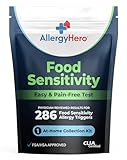
- COMPREHENSIVE FOOD SENSITIVITY TESTING: This advanced food sensitivity test kit for adults and children analyzes 286 foods and food beverages to help identify potential dietary triggers. Use the results to make informed food choices for improved well-being.
- EASY AT-HOME SAMPLE COLLECTION: No lab visits or appointments are needed with this easy at-home food intolerance test kit. The simple collection process includes clear instructions, making it convenient for both adults and kids to use.
- PERSONALIZED DIETARY INSIGHTS: Gain valuable insights into your body's response to different foods. This food sensitivity test helps you make precise dietary adjustments, avoid unwanted reactions, and better understand your nutrition.
- SUITABLE FOR ADULTS & KIDS: Whether testing for yourself or checking kids' food sensitivities, this kit is designed for all ages. It helps you recognize potential food triggers, supporting better dietary decisions for the whole family.
- EXTENSIVE FOOD TESTING PANEL: This kit reviews 286 foods across multiple categories, including everyday ingredients and common food beverages, offering a broad overview of potential dietary triggers.
What is not the same as a tuna allergy?
- Scombroid poisoning: histamine poisoning from susceptible fish can imitate an allergy.
- Shellfish allergy: allergy to crustaceans or mollusks is different from allergy to finned fish such as tuna.
- Iodine or contrast reactions: iodine is not the allergen that causes fish allergy.
- Food intolerance or gastrointestinal illness: digestive symptoms alone do not prove an IgE-mediated allergy.
- Mercury exposure: mercury is a toxicology concern, not an allergic reaction to tuna protein. Mercury does not explain acute hives, throat swelling, or anaphylaxis based on the reviewed evidence.
What should you do after a suspected tuna reaction?
- For severe or multisystem symptoms, use prescribed epinephrine immediately according to the person’s emergency plan.
- Call 911 or the local emergency number and seek emergency medical care, even if symptoms improve.
- Do not eat tuna again to test the theory. Record the food, amount, timing, symptoms, preparation, and treatment.
- Arrange an allergist evaluation. Testing should be interpreted with the reaction history, not used as a standalone answer.
- Until evaluated, follow the clinician’s avoidance advice. Do not assume every other fish is safe, and do not assume every fish must be avoided permanently.
For a person with a diagnosed fish allergy, a fish-allergy medical alert bracelet or necklace can communicate the allergy when the wearer cannot speak. A medical-alert accessory does not diagnose, prevent, or treat an allergic reaction and never replaces prescribed epinephrine, an emergency plan, or medical care.
This article provides general health information, not an individual diagnosis. A clinician should assess any suspected tuna allergy, particularly after breathing symptoms, swelling, fainting, or a reaction requiring treatment.
Frequently Asked Questions
Can you suddenly develop a tuna or fish allergy as an adult?
Yes. A tuna allergy can first appear in adulthood, and Food Allergy Research & Education reports that about 40% of people with finned-fish allergy experience their first reaction as adults. A reaction still needs clinical evaluation because scombroid poisoning can look similar.
Is a tuna allergy the same as a shellfish allergy?
No. Tuna is a finned fish, while shrimp, crab, lobster, and other shellfish belong to a different allergen group. A tuna allergy does not automatically mean a person is allergic to shellfish, although an allergist should evaluate the person’s complete history.
Can a blood test or skin test confirm tuna allergy?
No. A positive skin-prick or blood test shows sensitization but does not by itself prove that eating tuna causes a clinical allergy. An allergist interprets testing alongside the reaction history and may use a medically supervised oral food challenge when appropriate.
Does canned tuna cause fewer allergic reactions than fresh tuna?
No. Canned tuna can still trigger a tuna allergy, and canning or heating does not make it safe to test after a suspected serious reaction. Canned tuna can also be involved in scombroid poisoning if the fish was improperly handled.
The Bottom Line
Yes, tuna allergy is possible, but a tuna reaction can also be scombroid poisoning or another illness. Treat breathing trouble, swelling, fainting, or multisystem symptoms as a possible anaphylactic emergency: use prescribed epinephrine, call emergency services, and obtain medical care. An allergist—not a home test—should determine whether tuna and other fish need to be avoided.
Quick Recap
Product prices and availability are accurate as of the date/time indicated and are subject to change. Any price and availability information displayed on Amazon at the time of purchase will apply.




