What’s actually slowing this PC down?
Pick the symptom - the matching free tool is one click away.
Keep essential oils out of your betta’s aquarium and prevent oil from reaching the fish. A veterinarian answering a betta-specific question advises against tea tree oil contact and warns that oil on the water’s surface may damage a betta’s breathing organs. That is precautionary veterinary guidance—not a controlled study or a measured toxicity threshold. No safe dose for bettas is established in the sources reviewed.
Are essential oils safe for betta fish?
There is no established safe amount of essential oil to add to a betta tank, and you should not add oil or an oil-containing home remedy to aquarium water. Andrea M. Brodie, DVM, advised against any contact between fish and tea tree oil in a Petco veterinary Q&A. She also cautioned that oil on the water surface could damage bettas’ breathing organs. Bettas use gills and can also breathe air at the surface, so keeping the surface free of oil is especially important.
Brodie’s answer, published March 27, 2018, says there is no scientific study or evidence establishing tea tree oil as safe for fish. It is a veterinarian’s caution, not a controlled toxicity study: it does not provide a betta-specific dose, threshold, or estimate of risk. It also does not establish that every scent or brief exposure will poison a betta.
Can a diffuser affect a betta in the same room?
Diffusers do not all release oil in the same way. Merck Veterinary Manual distinguishes passive diffusers, such as reeds or candles, which do not emit oil droplets, from active ultrasonic or nebulizing diffusers, which emit microdroplets or particles. This is general veterinary information about animal exposure, not a study of bettas or a measure of what reaches aquarium water.
PC Slower Than It Used to Be?
A free scan shows the junk files, broken settings and background clutter dragging Windows down - then fixes them in one click.Free scan · Windows 10 & 11Crashes, No Sound, or Screen Glitches?
Random freezes, missing sound and display glitches usually trace back to one bad driver. Find and replace yours safely.Free scan · under a minute#1 Best Overall
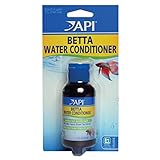
- Contains one (1) API BETTA WATER CONDITIONER Betta Fish Freshwater Aquarium Water Conditioner 1.7-Ounce Bottle
- Neutralizes chlorine, chloramines, ammonia and other chemicals to make tap water safe for betta fish
- Prevents tap water chemicals from causing gill destruction, tissue irritation and fish death
- Formulated with aloe vera to and green tea extract to reduce inflammation and help heal fish
- Use when starting a new Betta bowl or aquarium and when changing water
- Direct contact: Oil entering the tank or contacting the fish is the clearest reason to act; keep bottles, reservoirs, and spills away from aquarium water and equipment.
- Active diffusers: Because they emit airborne droplets or particles, the cautious choice is not to operate one in the same room as an open aquarium. This is a precaution based on diffuser mechanics and advice to prevent oil contact, not a proven exposure limit.
- Passive diffusers: They do not emit oil droplets according to Merck, but that distinction does not establish that a particular placement, room, or exposure is safe for bettas.
Merck describes possible effects of essential-oil exposure in animals by routes such as inhalation, ingestion, and skin contact. Those general animal findings do not establish what symptoms a betta will develop or what airborne level is harmful to one. The available sources do not show that a tank lid or ventilation makes nearby diffuser use safe.
What should you do if oil gets into the tank?
- Stop the source. Turn off the diffuser or remove the item causing the exposure, and prevent further oil from reaching the aquarium.
- Contact a veterinarian experienced with aquatic animals. Ask for case-specific instructions, especially if the fish is behaving abnormally. The sources reviewed do not provide a universal home decontamination protocol for bettas exposed to essential oils.
- Record the exposure details. Note the oil or product name, approximate amount, when it happened, likely route of exposure, aquarium volume and filtration, and any changes in the fish’s behavior. Aquarium-system details and prior medications can help a veterinarian assess a fish case.
- Do not improvise treatment. Do not add more oil, medication, or household chemicals unless an aquatic veterinarian directs you to do so.
If a betta appears ill, do not assume essential oil is the cause. Water quality, disease, and other husbandry problems may also be involved; an aquatic veterinarian can help assess the possibilities.
Rank #2

- WATER CONDITIONER: Makes tap water safe for bettas and other ornamental fish.
- REDUCES STRESS: Neutralizes harmful chlorine, chloramines, ammonia and heavy metals in aquarium water.
- FAST-ACTING: Works in seconds.
- COMPLETE FORMULA: Use when setting up a new aquarium, with monthly partial water changes and evaporation replacement.
- USAGE: Use monthly for maintenance.
How do routine betta-care recommendations fit in?
Basic husbandry supports a betta’s general care, but it does not neutralize oil exposure or provide a safe oil dose. The University of Illinois College of Veterinary Medicine recommends an ideally five-gallon glass or plastic tank or larger and cautions against sharp decorations that may tear fins. Aquatic veterinarian Jessie Sanders, DVM, DABVP (Fish Practice), also describes a tank with a filter and heater as core betta care. These are care recommendations, not treatment for contamination.
For more detail, see the University of Illinois College of Veterinary Medicine’s betta-care guidance and the Merck Veterinary Manual’s overview of aquarium fish management.
Quick Recap
Best Value

- Contains one (1) API TAP WATER CONDITIONER Aquarium Water Conditioner 4-Ounce Bottle
- Neutralizes chlorine, chloramines and other chemicals to make tap water safe for fish
- Prevents tap water chemicals from causing gill destruction, tissue irritation and fish death
- Super strength, high concentration formula
- Use when adding or changing water and when adding new fish to freshwater and saltwater aquariums
Rank #4

- INSTANTLY DETOXIFIES TAP WATER: Rapidly eliminates toxic chlorine, chloramines, and heavy metals from your tap water. Creates a stress-free, perfectly safe environment for your Betta fish while simplifying your periodic water changes.
- EXTREMELY CONCENTRATED FORMULA: A little goes a long way! Just 4 drops are enough to fully treat an entire gallon of tap water. This compact 4.2 oz (125 ml) bottle treats up to 660 gallons, making it highly economical for your setup.
- NEUTRALIZES HARMFUL AMMONIA: Safely binds and neutralizes dangerous ammonia spikes before they can stress your delicate pets. Protects your fish from gill damage and breathing difficulties without disrupting the aquarium's biological cycle.
- ENHANCED MINERAL SUPPORT: Enriched with essential electrolytes and minerals that promote healthy respiration and overall vitality. Provides the crucial natural elements your Betta needs to thrive in a closed aquatic ecosystem.
- PRECISION DOSING CAP: Say goodbye to messy spills and guesswork! Designed with a convenient drop cap for perfectly accurate measurement (approx. 15 drops = 1 ml). Prevents product waste and ensures you add the exact right amount every single time.
Rank #3
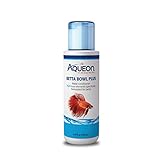
- Use when filling aquarium with tap water or performing water changes
- Instantly makes tap water safe for fish
- Supplement for fish that have been stressed, transported or netted
- Detoxifies heavy metals, ammonia and other elements that are released from fish waste
- Convenient dosage cap is included - Add 5mL (1 tsp) for every 1 gallon of temperature adjusted tap or purified water
Sources and what they establish
- Petco’s veterinary Q&A with Andrea M. Brodie, DVM directly addresses tea tree oil and bettas. The answer was published March 27, 2018; the page was updated September 23, 2025. It provides veterinary caution, not experimental proof or a dose threshold.
- Merck Veterinary Manual’s review of essential-oil toxicoses in animals, last updated March 2025, explains exposure routes and passive versus active diffusers. Its toxicity information is general to animals, not betta-specific.
- Fish Vet’s betta-care article by Jessie Sanders, DVM, DABVP (Fish Practice), dated November 25, 2019, describes the labyrinth organ and core care context.
- Pet Poison Helpline’s essential-oil guidance is general animal guidance, not fish-specific.
Product prices and availability are accurate as of the date/time indicated and are subject to change. Any price and availability information displayed on Amazon at the time of purchase will apply.




