Most healthy adult dogs should eat two measured meals a day, about 8–12 hours apart. Puppies need more frequent meals as they grow: four meals at 8–12 weeks, three at 3–6 months, and usually two at 6–12 months. Large or giant breeds, seniors, fast eaters, and dogs with conditions such as diabetes or reflux may need a different schedule set with a veterinarian.
Frequency is only half the plan. Measure the complete daily ration, divide it between meals, count treats, and adjust portions using body weight, body-condition score, activity, and health.
How many times a day should a dog eat?
For a healthy adult, feed two meals daily—morning and evening is a practical pattern. Space them roughly 8–12 hours apart and divide the measured daily amount between them, unless your veterinarian recommends another plan. Some dogs do better with three smaller meals, especially when they eat little at a time, become hungry between meals, or have reflux.
| Dog’s stage or situation | Typical frequency | Important qualification |
|---|---|---|
| 8–12-week-old puppy | 4 meals daily | Small portions of a complete growth diet |
| 3–6-month-old puppy | 3 meals daily | Some small or very active puppies may need three or four |
| 6–12-month-old puppy | 2 meals daily | Large and giant breeds may remain on growth nutrition until skeletal maturity |
| Healthy adult | 2 meals daily | Three smaller meals can suit some dogs |
| Mature or senior dog | 2–4 small meals | Choose the pattern that supports appetite, comfort, medication, and weight control |
How often should I feed a puppy?
8–12 weeks: four meals
The ASPCA recommends four meals a day for puppies eight to 12 weeks old. Their stomachs are small, so divide the day’s food into four modest servings rather than offering one large meal. Use a complete, balanced diet formulated for growth and follow your veterinarian’s advice for the puppy’s expected adult size.
Free tools Windows power users keep installed
One-click scans. No signup required.
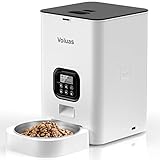
#1 Best Overall

- 8L Large Capacity: The automatic dog feeder is designed with a generous 8L capacity, allowing your pets to feel the warmth of home and your love, even when you're away for up to a month. It’s as if you’ve never left! No more worrying about finding a pet sitter just to refill the food bowl. A heavier, wider base with non-slip pads greatly reduces the chance of tipping. The durable, thick transparent food container lets you easily track the food balance at all times without opening the lid
- Customize Feeding Plan: The automatic cat feeder allows for precise portion control, enabling you to tailor feeding amounts, perfect for pets on special diets or those who struggle with weight management. Whether you have a small cat or a large dog, you can adjust the portion size from 1 to 50 portions (each portion approx. 1/16 cup) per meal. You can also schedule up to 6 meals per day, supporting a "little and often" feeding routine for optimal health and well-being
- Lock in Freshness: The automatic cat food dispenser preserves your pet’s food freshness with a desiccant bag and secure locking lid, preventing the food from becoming stale. The lid and hopper securely lock in place to prevent sneaky paws from raiding the feeder. The anti-jamming mechanisms ensure a seamless food dispensing experience. Note: Not suitable for kibble over 18mm or wet food
- Bowl Diameter 6.7 Inches: This 6.7 inch food bowl not only helps reduce whisker anxiety for cats but also allows dogs to take bigger bites, making mealtime enjoyable and stress-free. Crafted from durable stainless steel, it prevents chin acne and eliminates the risk of plastic allergies, while also being easy to remove and clean for added convenience. Pairs perfectly with our cat automatic feeders to make mealtime smooth
- Dual Power Supply: The cat feed automatic operates on both a Type-C power adapter and 4 AA batteries (not included), providing a backup power source in case of a power outage, your pet’s feeding schedule won’t be disrupted. The backup power source provides peace of mind, especially for pet owners in areas prone to outages or those who are often away from home
3–6 months: three meals
At three to six months, three meals daily is the usual transition. A very small, highly active, or slow-growing puppy may still need three or four meals; appetite, growth, stool quality, and body condition are better guides than age alone.
6–12 months: usually two meals
Many puppies move to two meals between six and 12 months. Do not assume that reaching two meals means a large-breed puppy is finished growing: some large and giant dogs need growth nutrition until skeletal maturity, which can be 15–16 months in some dogs.
Rank #2
- Easy Programmable Feeding Times: Reliably feed your beloved pet at your convenience any time during the day or night; Set between 1-4 meals with 0-40 portion choices to automatically dispense food to give a personal customized diet for your pet. Each portion dispenses approximately 6-7g (1 portion≈ 1tbsp≈ 1/16 cup), making it easy to customize your pet's daily food intake
- Wired or Battery Power: Choose between a fixed wired connection with the 5V adapter USB power cable or a portable 3 D-cell battery-powered(not included) feeding station; Flexible options prevent your pet from going hungry during power outages
- Voice Record Meal Call: Let your cat hear your voice when it’s mealtime to create a strong bond and set good eating habits; Record up to 10 seconds of audio for your furry friend
- User Friendly Operation: Intuitive LCD screen makes setup and programming a breeze; Removable cleanable parts foster a healthy environment for your pet’s food
- High-Capacity Food Storage: The 4L/16.9 Cup (1 Cup = 48 Tsp) food storage will keep most pets comfortably fed for several days; Easily keep your cat or dog fed during long weekends and short business trips; Get the peace of mind of a full and happy pet
How to divide food and set the right portion
- Find a starting amount. Use the food label or a calorie recommendation from your veterinarian. The label is a starting estimate, not a diagnosis or guarantee.
- Measure the entire day’s ration. Use a level measuring cup or, for greater accuracy, a kitchen scale. Set aside the full daily amount before feeding.
- Divide it among meals. Split it equally unless your veterinarian has prescribed a different distribution for medication, exercise, reflux, or another condition.
- Include treats and extras. Treat calories, chews, table food, and food used for training come from the daily calorie budget.
- Reassess regularly. Adjust based on weight trend, body condition, activity, skin and coat, performance, and attitude. A dog gaining fat needs less energy; a thin or unusually hungry dog may need an examination before simply adding food.
Free-choice feeding—leaving food available all day—can work for a dog that reliably self-regulates, but it makes intake difficult to measure and commonly contributes to overeating. Portion-controlled meals are usually easier for weight management.
Do large dogs need smaller meals to prevent bloat?
Large and giant dogs, and dogs considered susceptible to gastric dilatation-volvulus (bloat), should not be given one enormous meal. Two or more measured meals are generally preferable to a single large feeding. Keep the schedule and portion size consistent, and ask your veterinarian about your individual dog’s risk and preventive plan.
Rank #3
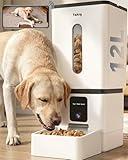
- 12L/50-Cup Capacity Built for Large Dogs: Designed for large breeds, dogs over 50 lb, and multi-pet homes, this dog feeder for large dogs holds up to 50 cups of dry food to reduce frequent refills. It can support about 1–2 weeks for many large dogs, depending on portion settings—ideal for busy pet parents, workdays, and short trips
- Anti-Jam Feeding for Kibble up to 20mm/0.8 in: This timed dog food dispenser is built to dispense larger dry kibble up to 20 mm, about 0.8 in, helping reduce clogging during scheduled meals. Set 1–15 meals per day and 1–20 portions per meal, so your dog gets consistent feeding even when you are away
- 5GHz/2.4GHz Wi-Fi App Control from Anywhere: Use the Smart Life app to schedule meals, adjust portions, and feed instantly from your phone. This WiFi dog feeder supports dual-band connection for flexible setup, while app-controlled feeding gives busy pet owners reliable remote control during work, travel, or unexpected schedule changes
- 1080P HD Camera with Night Vision & Two-Way Audio: Check your dog’s bowl in real time with the built-in 1080P HD camera, night vision, and two-way audio. This automatic dog feeder with camera helps you see whether food was dispensed, check if your pet is eating, and call or comfort your dog from anywhere.
- Fresh Food Storage, Easy Cleaning & Backup Power: This auto dog feeder helps keep dry food fresh with an airtight lid and included desiccant bag, while the removable bowl makes cleaning easier. Use USB power for daily feeding and add 3*D batteries as backup power during outages, so scheduled meals can continue when electricity is interrupted.(Batteries not included)
- Use more than one meal rather than one large daily serving.
- Measure portions instead of allowing unrestricted access.
- Discuss very rapid eating with your veterinarian; a slow-feeder or interactive bowl may help some dogs eat more slowly.
- Emergency signs: a suddenly swollen or painful abdomen, repeated unproductive retching, restlessness, weakness, collapse, or pale gums require immediate emergency veterinary care.
How often should I feed a senior dog?
There is no automatic meal frequency or mandatory “senior” diet solely because a dog has reached a particular birthday. Continue measured feeding and consider two, three, or four smaller meals when that improves appetite, comfort, medication timing, or digestion. Monitor body weight and body condition because calorie needs often change with activity and muscle loss.
VCA notes that reducing calories by 20% to 25% in adult dogs has been shown to slow age-related changes and increase lifespan; any reduction should be individualized with a veterinarian so muscle is preserved and illness is not overlooked.
Rank #4
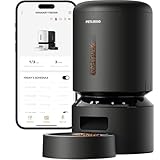
- Smart APP Control: Wi-Fi fully automatic dog feeder is 5GHz and 2.4GHz WiFi-enabled allowing you to program your pet's meals anywhere anytime through the PETLIBRO App on your iOS or Android smartphone.
- Never Miss A Meal: Easily schedule up to 10 meals per day and 1-48 portions per meal (1/12 cup each portion) with the Wi-Fi automatic cat feeder, you can easily customize your furry friend's feeding plan and check the feeding records to ensure your cat has been fed on a set schedule by the APP.
- Personalized Meal Call: Record a voice message for up to 10 seconds that plays for each feeding, and freely set the times the meal call play, so your pet can feel your care even when you're not at home. Not only that, but the thoughtful automatic cat food dispenser provides you with the ability to record up to 10 customized meal calls and adjust the volume to your needs!
- Freshness in Every Bite: Patent rotor in the tank base and twist-lock lid of the automatic pet feeder prevent pets sneaking into the food dispenser for extra food. Built-in desiccant bag and sealing strip keep food fresh and crunchy. Food-grade stainless steel bowl provides healthy and hygienic feeding, saving your pets from chin acne.
- Smart Notifications and Indicators: Your phone receives notifications and the machine’s indicators also lights up red when the food tank of the cat feeder automatic is empty, food gets jammed, the battery is low, or has other problems. The infrared sensor keeps checking and stops food dispensing if the food outlet is blocked.
When a different schedule may be medically necessary
Reflux, poor appetite, or a dog that eats only small amounts
A third meal or a small bedtime snack can help some dogs, but persistent food refusal, repeated vomiting, diarrhea, lethargy, or weight loss warrants a veterinary appointment rather than a schedule change alone. Uneaten food can be an early sign of illness.
Diabetes and timed medication
Dogs receiving insulin or other time-sensitive treatment may need meals at precise times and in precise amounts. Follow the written plan from the treating veterinarian; do not move meals or skip food without asking what to do about the medication.
Best Value

- Built for Large Breeds: As a dedicated pet feeder manufacturer, we listened closely to pet parents insight and created a brand-new automatic dog feeder engineered specifically for large dogs like Golden Retrievers, Labradors, German Shepherds, Huskies, Rottweilers, Hounds, and more. This new design features a super-sized 15L capacity, smooth dispensing for larger kibble sizes, and an optional elevated stand that supports a more comfortable eating posture for big dogs. Every detail was developed to address real pain points and deliver a more dependable, large-breed-friendly feeding experience, while still making it a great fit for pets of any size
- 15L Extra-Large Capacity: The automatic dog feeder is designed with a generous 15L capacity, perfect for large dogs or multi-pet homes. It can fit an entire large bag of dog food, making refills less frequent and buying in bulk more cost-effective. Your big eaters can enjoy the warmth of home and your love even when you’re away for up to 15 days, it’s as if you’ve never left! The thick, durable food bucket features a transparent viewing window, allowing you to monitor food levels at a glance without opening the lid
- Anti-Clog Feeding for Large Kibble: Designed specially for large dogs and big kibble, this dog food dispenser automatic handles 2–23mm kibble with ease. The upgraded motor delivers powerful, consistent torque to prevent jamming, even with oversized pieces. Our widened food channel and reinforced dispensing system ensure every meal drops smoothly without blockages, giving your big eater reliable, frustration-free feeding every single day
- Adjustable Raised Stand for Healthier Feeding: The dog automatic feeders comes with two stand options—low and high, giving you two feeding heights to match pets of different sizes and growth stages. Raising the bowl helps large dogs and senior pets eat in a more natural posture, reducing neck strain, improving swallowing comfort, and supporting better digestion. Choose the low stand for small and medium dogs, or switch to the high stand for large breeds to keep mealtime comfortable, ergonomic, and stress-free. The weighted, heavy-duty stand securely attaches to the feeder with tool-free twist-lock fasteners, creating a stable structure that resists wobbling, tipping, or coming apart
- Customize Feeding Plan: Our dog feeders for large dogs stands out with the ability to dispense up to 6.25 cups (50 portions, 1 portion=1/8 cup) per meal, more than double the capacity other large dog food dispenser, perfect for large breeds or multi-pet households, it also allows you to schedule up to 6 meals per day, supporting a “little and often” feeding routine for better digestion, steady energy, and overall well-being. With precise portion control, you don’t have to worry about skipped meals, overfeeding, or underfeeding, every meal is delivered reliably. End the daily uncertainty of “Did I feed them?”, this feeder takes care of every meal reliably, giving you complete peace of mind
Weight gain or loss
Unexpected changes in weight, thirst, urination, appetite, or energy should prompt a veterinary assessment. The correct response may involve calories, meal frequency, exercise, or treatment of an underlying condition.
Can I use an automatic feeder?
Yes—an automatic feeder can make consistent timing and measured portions easier for owners who work shifts or need a reliable routine. It does not replace daily supervision. Check that the dog ate, has fresh water, and is acting normally; clean the equipment as directed and keep an alternative feeding plan for power or mechanical failures.
For example, PetSafe’s Healthy Pet Simply Feed documentation says the unit can schedule up to 12 meals, dispense 1/8 to 4 cups per meal, hold 24 cups, and offer a 15-minute slow-feed setting. Those specifications describe that product, not every feeder, and dry or semi-moist food is generally more compatible with dispensers than food requiring refrigeration or hand service.
Quick Recap
A simple daily routine
- Measure the complete daily food allowance in the morning.
- Reserve the day’s training treats and chews from that allowance.
- Feed the first portion at a consistent time.
- Offer fresh water and observe appetite, stool, and behavior.
- Feed the remaining portion 8–12 hours later for an adult, or follow the puppy’s four-, three-, or two-meal schedule.
- Record unusual leftovers, vomiting, diarrhea, abdominal swelling, or weight changes and contact your veterinarian when they occur.
Questions to ask your veterinarian
- What daily calories and body-condition score are appropriate for my dog’s age, size, activity, and health?
- Should I use two meals or smaller, more frequent feedings?
- When should my puppy transition to two meals and from growth food?
- How should meals be timed around insulin or other medication?
- Is my dog’s eating speed or breed history relevant to bloat prevention?
Product prices and availability are accurate as of the date/time indicated and are subject to change. Any price and availability information displayed on Amazon at the time of purchase will apply.
Do these 3 things before closing this tab:
1Clear out junk files and repair common Windows errors2Scan for outdated or missing drivers - takes under a minute3Repair Windows errors before they cause bigger problems



