Recommended Free Tools
Most spiders in a house are harmless, and they can help control flies, moths, and other insects. If you share your home with dogs, cats, birds, or other pets, the safest natural strategy is not to fill the room with strong-smelling oils. It is to remove spiders physically, reduce the insects they hunt, and close the gaps they use to get inside.
That approach will not guarantee a spider-free home—especially in a house near gardens, garages, basements, or wooded areas—but it can substantially reduce encounters without exposing your pets to unnecessary sprays.
1. Remove the spider without touching it
For a visible spider, the simplest pet-friendly option is catch-and-release:
- Place a glass, jar, or plastic container over the spider.
- Slide a stiff piece of paper or thin card underneath the container.
- Keep the paper pressed against the opening, turn the container upright, and carry it outside.
- Release the spider away from doors, windows, kennels, and outdoor pet areas.
Do not pick up an unidentified spider with your bare hands. Use extra caution in dark closets, garages, attics, crawl spaces, woodpiles, and boxes that have been left undisturbed. Wear gloves when moving outdoor materials.
#1 Best Overall
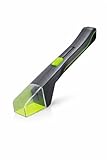
- 🐛 Safe & Humane Insect Catcher – Easily capture and release bugs without harming them. Perfect for humane insect control in your home, classroom, or garden.
- 🐝 Fun & Educational for Kids – Great for young explorers! Children can safely catch and closely observe insects before releasing them back into nature.
- 🐛 Simple One-Hand Operation – Just place the clear hood over the insect, gently slide the handle until the bug crawls onto the green pad, then close it completely – no crushed legs, no mess!
- 🐝 Perfect for Spiders, Beetles, and More – Ideal for catching all kinds of small bugs like spiders, crickets, and beetles – without getting too close!
- 📏 Compact Size for Easy Use – Dimensions: 11 inches (28 cm) long, 1.85 inches (4.7 cm) wide, 2 inches (5 cm) high. Lightweight and easy to store or carry on outdoor adventures.
If the spider is too fast to catch, use a vacuum cleaner. Vacuum the spider, its web, and any egg sac you find around:
- Window and door corners
- Baseboards and ceiling corners
- Behind furniture and appliances
- Basements, attics, garages, and storage rooms
- Areas where your pet’s food, toys, or bedding are kept
Spiders generally do not survive passage through a vacuum hose. If your vacuum uses a disposable bag, remove and discard the bag outdoors. Empty a canister vacuum outside, away from pets, and wash your hands afterward.
2. Deal with egg sacs
An egg sac can release many spiderlings, so removing the adult spider alone may not solve the problem. Vacuum egg sacs when possible, or remove them using a long-handled tool and dispose of them outdoors. Do not let curious pets investigate them, particularly in storage areas where other spiders may be hiding.
3. Use sticky traps only where pets cannot reach them
Glue boards can show where spiders are active and may catch wandering spiders. Put them along baseboards, beneath furniture, or behind appliances—but only in places completely inaccessible to children and pets. A dog or cat can get fur, paws, or whiskers stuck to the adhesive.
The Tool Desk
Outbyte PC Repair FREEClear out junk files and repair common Windows errorsFree Scan →Outbyte Driver Updater FREEFix the driver behind crashes, sound loss and screen glitchesFind Drivers →These traps are best used for monitoring rather than as the main solution. Check them regularly and remove them promptly.
4. Remove the insects attracting spiders
Spiders usually stay where they can find prey. One spider does not automatically mean your home has an infestation; repeated sightings often point to plentiful insects, accessible shelter, or both.
Rank #2
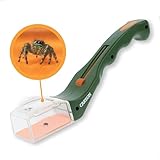
- One-Handed Operation: Thumb operated trapping slider for humanely catching the fastest specimens.
- Educational STEM Toy: Kids can catch a bug, view it, then release it back into nature.
- Powerful Magnification: Clear 5x power acrylic lens brings the finest details into focus for inquisitive minds.
- Backed by Carson: Enjoy peace of mind with a Limited Lifetime Warranty with your purchase.
Reduce that food supply by:
- Repairing torn window screens and fitting screens to doors where possible.
- Keeping doors—including the garage door—closed when practical.
- Vacuuming floors, corners, windowsills, and areas beneath furniture regularly.
- Cleaning food crumbs and spills promptly, especially around pet-feeding areas.
- Keeping pet food in sealed containers rather than open bags or bowls left out overnight.
- Removing cardboard, paper bags, unused boxes, and piles of clutter.
- Inspecting plants, firewood, packages, and storage items before bringing them indoors.
Do not use insecticide sprays around a pet’s food, water, bedding, toys, or enclosure simply because you have seen a spider. Controlling the underlying insects and sealing their entry routes is usually more useful than treating every surface.
5. Seal the routes spiders use
Inspect the lower parts of your home, especially around:
What’s actually slowing this PC down?
Pick the symptom - the matching free tool is one click away.
- Foundation cracks
- Window frames and screens
- Exterior doors and thresholds
- Garage doors
- Pipe, cable, and utility penetrations
- Vents and other openings at ground level
Seal suitable cracks and gaps with a durable sealant. Replace damaged weatherstripping and door sweeps, and repair screens. These repairs also block many of the insects spiders feed on.
6. Make the outside of your home less inviting
Outdoor spiders are often beneficial, particularly in gardens, where they prey on insects. You do not need to eliminate every web in the yard. Focus on areas immediately beside the house, doors, windows, and places your pets use.
- Move firewood, bricks, lumber, rocks, leaf piles, and brush away from the building.
- Keep grass and weeds short near the foundation.
- Trim shrubs, vines, and branches so they do not touch the walls or roof.
- Remove webs from exterior walls with a broom or strong stream of water.
- Keep firewood outdoors until you are ready to use it, and wear gloves when handling it.
- Reduce bright lighting beside doors and windows, which can attract flying insects. Yellow outdoor lights often attract fewer insects than many conventional lights. Placing security lights farther from the building and aiming them toward entrances can also reduce insect activity directly beside the house.
Check outdoor pet houses, sheds, kennels, and sheltered feeding areas as part of this cleanup. Move pets elsewhere while sweeping or clearing webs, and let dust settle before allowing them back into the area.
7. Be skeptical of “natural” spider sprays
Peppermint, lavender, eucalyptus, cinnamon, cedarwood, vinegar, and similar mixtures are frequently recommended online. At most, some essential-oil products may temporarily repel some spiders. They are not a dependable whole-home control, and they need repeated application.
Rank #3

- [Long Capture Range]: with an upgraded handle and a range of up to 21.65 inch, the extended spider catcher can be applied to capture flies from hard to reach places; This makes capturing flies hidden in cracks and crevices much easier; In addition, the sealed catch box allows the user to reach flies from a greater distance, eliminating the risk of accidentally crushing them and reducing the chance of being bitten or stung
- [Humane Flies Catcher]: humanely treats flying flies that stray into your home, moving flies from your home to gardens and patios away from your home; The flies vacuum minimizes harm to the flies, which won't know it was caught and then released; After catching the spider, place the flies trap outside the window, turn the handle to open the flapper door, and let the flies fly away
- Extended Reach & Rotating Head - Long, extendable stainless steel stick to reach high ceilings and tight corners without getting too close to the pests, allows you to catch spiders and various flies easily and accurately; 180° rotating head improves control in tight spots
- [Foolproof Operation]: when finding spiders in your home, hold this handheld flies catcher and carefully approach the spider, then place the tail cone over the spider, manually slide the panel door over or rotate the whole thing to get the panel door to close, then walk outside and turn the stick upwards again and shake it to release the spider; Note: nothing to lock the flap door into place so you have to rely on gravity
- [Thoughtful Gift]: the spider flies catcher is the thoughtful gift for your neighboring friends and family who are afraid of flying spiders; Our bug critter catcher kit is designed to be compact and portable, making it perfect for use as a bug catcher and release tool, ensuring you can explore the wonders of nature wherever you roam
There is also a pet-safety issue. A natural ingredient is not automatically safe for animals. Do not spray essential oils or homemade mixtures on your pet, its bedding, food, water, toys, or skin. Keep sprays away from eyes, mouths, food-contact surfaces, and poorly ventilated rooms.
Osage oranges—also called hedge apples or hedgeballs—are not an effective spider treatment. Ultrasonic pest-repeller devices should not be relied upon either; research summarized by extension specialists has found commercially marketed sonic devices ineffective for advertised household pest control, including spiders.
8. If spiders keep appearing
After removing webs and egg sacs, reducing clutter and insects, and sealing openings, occasional spiders are still normal. If you continue finding large numbers, try to identify the spider rather than fogging or broadly spraying the house. The right response depends on the species and the area where it is living.
For a suspected black widow or brown recluse, do not attempt close-range removal. Keep pets and people away from the area and contact a licensed pest-control professional or your local extension office. A professional can identify the spider and recommend targeted treatment with appropriate precautions for animals.
What to do if your pet—or a person—is bitten
Many supposed spider bites are actually caused by another insect, a skin condition, or an infection. If you saw no spider, avoid assuming the cause.
For a person, wash the area with soap and water and use a cold compress. Seek medical care for severe pain or cramping, worsening redness or swelling, whole-body symptoms, breathing difficulty, or a suspected black widow or brown recluse bite. In the United States, Poison Help is available at 1-800-222-1222.
Rank #4

- Using a 83cm long-handled catcher allows you to maintain a certain distance and isolation, making you safer when catch spider.Long-handled catcher can effectively reduce the problems.
- The Spider catcher features a compact head design that allows you to catch spiders with ease and precision. The soft, high-strength head of the trap provides a gentle, steady grip on the critters, ensuring that they remain unharmed while making it easy for you to quickly capture your target.
- Available for all ages.Spider catcher generally have the right size and ergonomic design to make them feel comfortable and stable when held in the hand. The handle part is designed with a grip to increase the stability of operation.
- Spider catcher are usually suitable for both indoor and outdoor environments. Whether you're at home,office,garden ,the beach or on a wilderness adventure, the Long Handle Catcher can be your reliable companion.
- The spider catcher can be folded, making it more suitable for storage and saving space.
If your pet develops pain, swelling, weakness, vomiting, breathing problems, unusual agitation, or other concerning symptoms after a suspected bite, contact your veterinarian or an animal poison service promptly. Do not apply essential oils, vinegar, or human medicines unless a veterinary professional specifically tells you to.
FAQ
Are peppermint-oil sprays safe for dogs and cats?
Do not assume they are safe. Essential oils and homemade sprays can irritate animals and should not be applied to pets, bedding, food, water, toys, or areas with poor ventilation. Physical removal and sealing entry points are safer ways to reduce spiders.
Do these 3 things before closing this tab:
1Repair Windows errors before they cause bigger problems2Scan for outdated or missing drivers - takes under a minute3Clear out junk files and repair common Windows errorsWhat is the best natural way to remove a spider from a room?
Catch it under a jar or cup, slide stiff paper underneath, and release it outside away from the house and pet areas. If that is not practical, vacuum the spider and its web, then empty a canister or discard a vacuum bag outdoors.
Do hedge apples get rid of spiders?
No. Osage oranges, commonly called hedge apples or hedgeballs, are not considered an effective spider-control method. Ultrasonic pest-repeller devices should not be relied on either.
Should I get rid of spiders in my garden?
Usually not. Garden spiders are generally beneficial predators. Remove webs near doors, windows, kennels, and other high-traffic areas, but concentrate on reducing clutter and sealing the house rather than eliminating spiders throughout the yard.
The Bottom Line
For a pet-friendly, natural spider-control plan, catch or vacuum visible spiders, remove egg sacs, reduce insects and clutter, repair screens, seal gaps, and clear shelter from around the house. Skip unproven hedge-ball and ultrasonic remedies, and treat essential-oil sprays with caution: “natural” does not mean harmless to pets.
Free tools Windows power users keep installed
One-click scans. No signup required.
Quick Recap
Product prices and availability are accurate as of the date/time indicated and are subject to change. Any price and availability information displayed on Amazon at the time of purchase will apply.