Quick wins for a faster PC:
Scan for outdated or missing drivers - takes under a minuteDriver Scan →Repair Windows errors before they cause bigger problemsFix Now →“Parrot fish” can mean two entirely different animals. In aquarium stores, it usually refers to the blood parrot cichlid, a freshwater hybrid. A marine parrotfish is a coral-reef fish that needs saltwater. Confirm which animal you are buying before choosing an aquarium, equipment, food, or tankmates.
Blood parrot cichlid and marine parrotfish are not the same fish
| Feature | Blood parrot cichlid | Marine parrotfish |
|---|---|---|
| Water type | Freshwater | Saltwater |
| Natural habitat | No natural wild biotope; it is a man-made hybrid developed in Taiwan from mostly Central American cichlids. | Coral reefs worldwide |
| Adult size | Not stated in the cited care references. | Less than 1 foot to about 4 feet (0.3–1.2 m), depending on species |
| Diet | Small pellets, flakes, and frozen bloodworms, brine shrimp, or mysis | Algae and coral surfaces |
| Aquarium suitability | Can live in a properly sized freshwater community aquarium with suitable tankmates. | Not a substitute for a blood parrot in a freshwater aquarium; its reef habitat and marine-care requirements are fundamentally different. |
| Lifespan evidence | About 10–15 years is a conditional hobby estimate, not a controlled demographic finding. | Not stated in the cited reference. |
What “blood parrot” means
Blood parrots have no wild habitat to replicate. Their probable Central American parentage makes hard, alkaline water acceptable, but the fish itself is a hybrid rather than a naturally occurring species. That is why a practical, stable aquarium is more appropriate than trying to recreate a nonexistent biotope.
What “parrotfish” means
Marine parrotfish are a separate group of reef fishes. Monterey Bay Aquarium lists roughly 80 species. They graze algae and coral surfaces; that feeding can help prevent algae from smothering coral. Some species grind coral material and produce as much as one ton of sand per acre of reef.
Freshwater blood parrot cichlid care
Tank volume and layout
Aquarium Co-Op gives these practical stocking examples:
#1 Best Overall

- Superior color enhancing effect derived from scientifically developed formula
- Formula includes Chili Pepper, Phaffia Yeast, Krill, Astaxanthin, and Marigold Flower Meal
- Offering supercharged nutrient mix plus beneficial living microorganisms that promotes rapid growth
- Contains vitamin C which supports immune system health for a long term healthy aquatic pet
- Excellent nutrition to promote a long, healthy life
| Number of blood parrots | Example aquarium volume |
|---|---|
| 1 | 30 gallons |
| 3 | 55 gallons |
| 5–6 | 75 gallons |
These figures are examples rather than a promise that every tank will support the same number of fish. When you have a choice, use the larger end of the range: adult cichlids generate substantial waste and need room to swim. Leave open mid-water space, then add caves, plants, or other shelters that break lines of sight. Cover and visual barriers can reduce territorial pressure.
Water conditions
- Temperature: 72–82°F (22–28°C)
- pH: 6.5–8.0
- Priority: stable, warm freshwater rather than rapid swings in temperature or chemistry
The broad pH range reflects the fish’s adaptable Central American cichlid background. Test the aquarium regularly and make changes gradually instead of chasing a single number.
Rank #2

- This product is easy to use
- This product adds a great Value
- This product is Manufactured in japan
Behavior and tankmates
Blood parrots can display territorial cichlid behavior. Choose similarly sized peaceful or semi-aggressive fish, with larger, robust community species generally safer than delicate or tiny companions. Practical Fishkeeping warns that parrots may swallow smaller tankmates, so do not judge compatibility only by temperament.
Food that fits the unusual mouth
The blood parrot’s distinctive small mouth makes particle size and presentation important. Offer:
Do these 3 things before closing this tab:
1Clear out junk files and repair common Windows errors2Scan for outdated or missing drivers - takes under a minute3Repair Windows errors before they cause bigger problemsRank #3

- This cichlid food contains premium ingredients such as shrimp and squid meal that all types of cichlids should enjoy
- Cichlid fish food with quality, nutritious ingredients naturally attract fish, support a healthy immune system, bring out their true colors and provide the essentials for proper growth and vitality
- Formulated so that live fish utilize more of what they eat and create less waste
- This aquarium fish food will not cloud water when fed as directed
- Ideal for South American, West African and Carnivorous Rift Lake Cichlids
- Juveniles: baby-sized pellets
- Larger adults: mini pellets
- Useful format: floating food, which lets the fish scoop it from below
- Variety: flakes plus frozen bloodworms, brine shrimp, or mysis
Look for blood parrot cichlid pellets or small floating cichlid food. Aquarium Co-Op specifically names Hikari Blood Red Parrot+ as a food formulated for blood parrots. Select pieces the fish can take without prolonged struggling; uneaten food should not be allowed to accumulate.
Ethical purchasing
Ask the seller whether the fish has been dyed or cosmetically modified. Practical Fishkeeping documents welfare concerns about dyed fish, and Aquarium Source warns that dyeing or similar cosmetic treatment can shorten lifespan. Avoid altered fish and favor a seller who can identify the fish clearly and describe how it was produced and kept.
Rank #4

- Add astaxnthin to promote vibrant colors of the fish within a short time
- easy to digest and reduce water pollution effectively
- Premium krill meal and fish meal for better taste
- No artificial hormones are added to protect the health of your fish
- Designed especially for aquarium fish that belong to the Cichlid family
How long do blood parrot cichlids live?
A current Aquarium Source care guide gives 10–15 years as a typical lifespan for a healthy blood parrot. Treat that figure as a conditional aquarium estimate, not a guaranteed life expectancy or a controlled population average.
Actual longevity depends on water stability, nutrition, genetics, and the quality of the fish when purchased. A peer-reviewed, population-level lifespan study has not established a more precise range. Cosmetic treatments such as dyeing are an additional welfare concern and may reduce longevity, which is another reason to avoid them.
Recommended Free Tools
Best Value
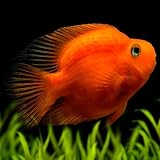
- Vibrant and Unique Coloration: With their bright orange-red hues and rounded bodies, Blood Parrot Cichlids are a stunning centerpiece for any freshwater tank.
- Peaceful and Sociable: Unlike many cichlids, Blood Parrots are known for their calm nature and do well in peaceful community aquariums.
- Adaptable and Hardy: These fish thrive in a wide range of freshwater conditions and are easy to care for, making them suitable for intermediate aquarists.
- Perfect Tank Companions: Compatible with similarly sized, non-aggressive fish such as tetras, gouramis, and plecos.
- Carefully Packed and Shipped: Each fish is selected for health and color, then shipped in insulated, oxygen-rich packaging for safe delivery.
Why a marine parrotfish needs a completely different plan
Marine parrotfish are reef grazers, not freshwater cichlids. Their natural environment is saltwater coral reef, their adult size varies from under 1 foot to about 4 feet, and their feeding behavior is built around scraping algae and coral surfaces. Some species process coral material into reef sand.
Those requirements make a marine parrotfish unsuitable for the freshwater community setup described above. It is not an alternative “saltwater version” of a blood parrot; it is a different animal with different scale, habitat, diet, and aquarium demands.
Quick Recap
Before you buy: a species-identification checklist
- Read the scientific or full common name on the store label. “Blood parrot cichlid” indicates the freshwater hybrid; “parrotfish” generally indicates the marine reef fish.
- Confirm whether the seller is describing a freshwater or saltwater system.
- For a blood parrot, prepare an appropriately sized freshwater aquarium, shelters, stable warm water, and food small enough for its mouth.
- Choose tankmates that are similarly sized and able to cope with a cichlid’s territorial behavior.
- Reject dyed or cosmetically modified specimens.
Product prices and availability are accurate as of the date/time indicated and are subject to change. Any price and availability information displayed on Amazon at the time of purchase will apply.




