Quick wins for a faster PC:
Fix the driver behind crashes, sound loss and screen glitchesFind Drivers →Clear out junk files and repair common Windows errorsFree Scan →The Parson Russell Terrier—often called a Jack Russell Terrier in everyday conversation and online searches—is a small, athletic working terrier with a very large appetite for activity. It can be an affectionate, entertaining companion for an active household, but it is not usually an easygoing, low-maintenance small dog.
This breed was developed to run with foxhounds and pursue foxes above and below ground. That history still matters: a Parson may be fast, tenacious, curious, vocal, eager to chase, determined to dig, and remarkably inventive when it wants to investigate something. The right home provides daily exercise, training, enrichment, secure containment, and close supervision.
The Parson Russell Terrier—often called a Jack Russell Terrier in everyday conversation and online searches—is a small, athletic working terrier with a very large appetite for activity. It can be an affectionate, entertaining companion for an active household, but it is not usually an easygoing, low-maintenance small dog.
This breed was developed to run with foxhounds and pursue foxes above and below ground. That history still matters: a Parson may be fast, tenacious, curious, vocal, eager to chase, determined to dig, and remarkably inventive when it wants to investigate something. The right home provides daily exercise, training, enrichment, secure containment, and close supervision.
What’s actually slowing this PC down?
Pick the symptom - the matching free tool is one click away.
#1 Best Overall
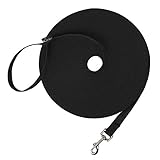
- DIMENSIONS - This dog leash measures 3/4in wide by 30 feet long. Great for hiking, camping, training, hunting, backyard, beach, recall training, outdoor play with tennis balls, and swimming!
- LONG LEASH: This training leash is great for teaching your dog recalls. It has the length needed to allow them to wander and ensure your command to come! is obeyed.
- NYLON TRAINING LEAD - This durable, long, nylon dog training leash will outlast cotton leashes. All stitching is reinforced and the nickel plated clip swivels to resist twisting. Our long dog leash is great for medium and large dogs. You'll love using it as a backyard dog leash, for off leash dog training, and more.
- Allows you to teach your dog recalls and other obedience skills.
- Swivel-style bolt snap resists twisting
Parson Russell Terrier at a glance
| Characteristic | Details |
|---|---|
| Formal breed name | Parson Russell Terrier |
| Common search name | Jack Russell Terrier |
| Origin | Great Britain, particularly southern England |
| Original purpose | Working terrier used with foxhounds to locate and flush foxes |
| AKC group | Terrier Group |
| FCI classification | Group 3, Terriers, Section 1: large and medium-sized Terriers |
| Ideal AKC height | 14 inches for males; 13 inches for females |
| Typical working weight | About 13–17 pounds |
| Life expectancy | The AKC lists 13–15 years |
| Coat | Weatherproof double coat; smooth or broken |
| Permitted colors | Predominantly white, with black, tan, or tri-color markings |
| General temperament | Bold, clever, energetic, confident, friendly, affectionate, and highly active |
Parson Russell Terrier versus Jack Russell Terrier
Parson Russell Terrier is the formal breed name recognized by the American Kennel Club and the Fédération Cynologique Internationale (FCI). The FCI lists the breed as number 339; its definitive recognition is recorded as June 4, 2001, with the official valid standard published August 22, 2017.
Jack Russell Terrier remains the name many people use for this type of dog. Historically, however, the term was applied inconsistently to several Russell-type working terriers. The Parson Russell Terrier Association of America explains that the recognized name was used to distinguish the established breed type from the broader collection of dogs marketed or described as Jack Russells. The AKC-approved name change took place in 2003, according to the parent-club history.
In practical terms, the names overlap in ordinary conversation, but they are not automatically interchangeable in every advertisement or pedigree. A dog sold as a “Jack Russell Terrier” may be a Parson Russell Terrier, another Russell-type terrier, or a mixed-breed dog. Prospective owners should evaluate the individual dog, its breeder or rescue records, and its temperament rather than relying on the label alone.
History and original purpose
The breed developed in southern England during the 1800s among followers of the Reverend John Russell. His terriers worked alongside foxhounds. They needed enough leg length and stamina to keep up with the hunt, but also the courage and construction to enter a fox’s den and flush the fox without killing it.
Free tools Windows power users keep installed
One-click scans. No signup required.
That was demanding work for a small dog. The terrier had to move quickly, work independently, fit into confined spaces, stay focused despite distractions, and persist when the task became difficult. The FCI standard continues to describe the breed in terms of activity, agility, stamina, endurance, and the ability to go to ground.
These traits explain much of the modern Parson’s behavior. Chasing, digging, scenting, exploring holes, investigating movement, and attempting to solve barriers are not random flaws added to an otherwise quiet companion dog. They are modern expressions of abilities that were deliberately selected for generations. Training and management can direct those instincts, but they do not remove them.
Size, appearance, and structure
The Parson Russell Terrier is a balanced, athletic terrier—not a delicate toy dog and not a heavy-bodied small breed. The AKC standard calls for medium bone, compact construction, sufficient leg length to follow hounds, and a narrow, flexible chest. The FCI standard likewise emphasizes balance, flexibility, stamina, and endurance without exaggeration.
Height and weight
The AKC ideal height is 14 inches at the highest point of the shoulder blade for males and 13 inches for females. Dogs in hard working condition commonly weigh approximately 13–17 pounds, although weight should be interpreted alongside frame, muscle, body condition, and overall balance.
Rank #2

- 【EASY AND CONVENIENT】- No collar or harness needed. With the adjustable loop, extremely simple and easy to put on or off
- 【STRONG & LIGHTWEIGHT】- These Premium Slip Leads for dogs are made of high strength nylon rope, super durable metal ring, and the knots bound with leather cover. 1/2” thick rope provide maximum durability and comfortable grip
- 【Reflective for Night Safety】- The reflective straps on the entire rope leash ensures great visibility and security during night walk or jogging
- 【Great for Training】– The slip leash tightens when your dog pulls and loosens when the behavior is corrected. Great dog training leash to correct the behavior under control. Anti-choke ring is included to prevent choking hazard
- 【Perfect Size】– 1/2” x 6 ft perfect length for Outside walking, jogging, hiking or training. Suit for Large and Medium Dogs
Under the AKC standard, heights below 12 inches or above 15 inches are disqualified. Those are conformation-standard measurements, not a promise that every healthy individual will look identical. A responsible assessment should consider the whole dog rather than using weight alone to decide whether a Parson is healthy.
Coat and color
The coat is a weatherproof double coat and may be smooth or broken. The dog is predominantly white, with black, tan, or tri-color markings permitted under the AKC standard. The coat should have a natural, practical appearance; excessive sculpting is not the goal of this working breed.
Temperament and personality
Official breed descriptions characterize the Parson Russell Terrier as confident, energetic, bold, friendly, clever, and happy. At home, these qualities may appear as affection, playfulness, humor, enthusiasm, and a strong desire to participate in whatever the household is doing.
The breed’s intelligence is closely tied to independence. A Parson can understand what a person is asking and still decide that following a scent, chasing a squirrel, opening a gate, or investigating a hole is more rewarding. The dog is not necessarily being stubborn in the human sense; it is applying initiative that was useful in its original work.
This is generally a poor choice for someone who wants a dog that is content to lie alone for most of the day. The parent club warns that Parsons need substantial attention and exercise throughout life and can become difficult when left to their own devices. When their needs are not met, plausible problems include barking, digging, escape attempts, chasing, chewing, and other self-directed activities. These are risks, not guaranteed outcomes: individual temperament, training, age, breeding, and daily management all matter.
Exercise and daily enrichment
A Parson Russell Terrier needs more than a quick bathroom break. Build the daily routine around both physical exercise and mental work:
- Brisk walks that allow safe sniffing and exploration
- Recall, leash, and impulse-control practice
- Interactive play such as fetch or tug, with rules that keep arousal manageable
- Short training sessions that teach useful behaviors
- Food puzzles, scent games, and supervised problem-solving activities
- Suitable canine sports, such as agility, for dogs that enjoy structured athletic work
The AKC notes that backyard play can contribute to the breed’s exercise routine, but a yard is not a substitute for engagement. A Parson is unlikely to be satisfied simply being placed outside alone. It may spend that unsupervised time digging under a fence, searching for an exit, barking at movement, or inventing another project.
Prey drive, recall, and containment
Chasing is one of the most important management issues for this breed. The AKC recommends keeping Parsons on leash during outings because the urge to pursue movement can override recall. The parent club similarly advises that the dog should not be allowed to run at large.
Rank #3

- Dimensions - This dog leash measures 3/4in wide by 15 feet long. Great for hiking, camping, training, hunting, backyard, beach, recall training, outdoor play with tennis balls, and swimming!
- Long Leash: This training leash is great for teaching your dog recalls. It has the length needed to allow them to wander and ensure your command to come! is obeyed.
- Nylon Training Lead - This durable, long, nylon dog training leash will outlast cotton leashes. All stitching is reinforced and the nickel plated clip swivels to resist twisting. Our long dog leash is great for medium and large dogs. You'll love using it as a backyard dog leash, for off leash dog training, and more.
- Allows you to teach your dog recalls and other obedience skills.
- Swivel-style bolt snap resists twisting
Do not assume that a Parson will return reliably simply because it performs a recall in the living room or a fenced training area. Wildlife, cats, bicycles, running children, open fields, and unfamiliar scents can be much more rewarding than the handler. Even a well-trained dog can make a dangerous decision in a split second.
Practical safety measures
- Use a securely fenced area with gates that latch reliably and gaps the dog cannot exploit.
- Use a properly fitted harness or collar and a leash on walks, following local regulations.
- Practice recall first in controlled environments, then gradually add distance and distractions.
- Use a long training line only in suitable open areas and with active supervision; it is not an off-leash guarantee.
- Teach household members to check doors, gates, and garage access before releasing the dog.
- Supervise the dog around wildlife, unfamiliar dogs, traffic, and small pets.
Equipment can reduce risk, but no harness, leash, fence, or training tool makes unsupervised access to hazards safe. Management remains part of responsible ownership.
Training and socialization
Training works best when it is consistent, upbeat, reward-based, and varied. The AKC recommends praise, rewards, an encouraging voice, and engaging sessions. Because the breed is intelligent and easily bored, several short sessions are often more productive than repetitive drilling.
Useful early skills include:
- Responding to a name and choosing to look at the handler
- Loose-leash walking and calm transitions through doors
- Recall games in low-distraction settings
- “Leave it,” “drop,” and impulse-control exercises
- Settling on a mat or bed
- Comfort with handling, nail care, brushing, and veterinary procedures
- Calm behavior around moving objects, visitors, and household activity
Training should eventually be practiced around realistic distractions, not just in a quiet room. Wildlife, unfamiliar dogs, open gates, roads, and fast-moving objects require careful distance and management. Do not test recall in a dangerous location to find out whether it is reliable.
Early, thoughtful socialization helps a puppy learn that people, environments, sounds, surfaces, and handling can be safe. It does not erase hunting instincts or guarantee that the adult dog will enjoy every dog or animal it meets. Children should be taught respectful handling, and interactions with children—especially younger children—should be supervised. The parent club also emphasizes supervision around other dogs.
For readers wanting an additional breed-focused reference, The Complete Jack Russell Terrier Bible is listed in the research material as a 2026 Amazon Digital Services LLC KDP publication covering training, behavior, puppy raising, health, nutrition, grooming, and ownership. Its title uses the common “Jack Russell” term rather than the formal breed name. Check the current marketplace listing, format, availability, and suitability before buying; it should supplement—not replace—veterinary advice or guidance from a qualified trainer.
Grooming and coat care
Parson Russell Terriers are relatively practical to groom, but the routine differs by coat type.
Smooth coat
A smooth-coated Parson usually benefits from routine brushing with a thick brush or hound glove. Brushing removes loose hair and helps distribute natural oils. Smooth coats can still shed noticeably, especially during seasonal changes.
Recommended Free Tools
Rank #4
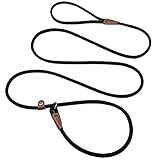
- Control for Behavior: No pull slip lead dog leash, 2 in 1 leash and collar design. Simple and easy use to correct behavior and stop dogs from pulling
- Classic colors: 13+ stylish colors for you choose to make your pets stand out. Bright colors make it easier to accurately see where it is on the pup’s neck and whether it needs to be adjusted. The slip leash make your dog safer and more fashionable
- Fit All: 7 feet long, 1/4 inch slip rope dog leash is a perfect balance between freedom and control, adjustable to fit any dog neck size, suitable for small medium dogs pets outdoor walking, hiking and training
- Sturdy Nylon Slip Lead: Slip knot rope leash is made of high density nylon rope, a sturdy leather connection and strong hardware o-ring. Flexible, lightweight yet durability
- Versatile for Training: This leash is perfect for dog training. Its length allows you to teach your dog commands like "heel" and "stay" effectively. The smooth texture of the nylon won't irritate your dog's neck during training, making the learning process more pleasant for both of you
Broken coat
A broken coat has longer furnishings and may need brushing with a pin brush or slicker brush to prevent tangles and mats. Some broken-coated dogs also require plucking or hand-stripping to maintain the natural working coat. Because technique matters, owners may prefer an experienced terrier groomer rather than attempting hand-stripping from a general online tutorial.
Routine care
- Trim nails regularly so they do not interfere with movement or become uncomfortable.
- Check ears for debris, irritation, and excess wax.
- Brush often enough to manage shedding and prevent coat problems.
- Bathe when dirty; the AKC states that monthly bathing is generally sufficient for many dogs unless they get especially dirty.
The breed club describes Parsons as clean and not usually in need of frequent bathing. Overbathing or using harsh products can irritate skin, so ask a veterinarian about persistent itching, odor, redness, or recurrent ear problems.
Food, treats, and weight
A Parson Russell Terrier should generally do well on a complete, high-quality commercial diet or a home-prepared diet formulated with veterinary supervision and approval. Choose food appropriate for the dog’s life stage and account for treats when considering total calorie intake.
Do not use a generic calorie target as a substitute for an individual feeding plan. Age, activity, body condition, reproductive status, health, and the food’s calorie density all affect how much a particular dog needs. Some Parsons can become overweight, so monitor body condition and discuss feeding adjustments with a veterinarian. Fresh, clean water should always be available.
Do these 3 things before closing this tab:
1Clear out junk files and repair common Windows errors2Scan for outdated or missing drivers - takes under a minute3Repair Windows errors before they cause bigger problemsHealth and breeder screening
The AKC describes the breed as generally healthy but identifies several areas that responsible breeders screen for, including patellar luxation, congenital deafness, late-onset ataxia, spinocerebellar ataxia, and certain eye disorders. The breed-club recommendations listed by the AKC include a patella evaluation, an ophthalmologist evaluation, and BAER testing.
BAER—brainstem auditory evoked response—testing is used to evaluate hearing. Eye examinations and patella evaluations address other recognized screening priorities. The Parson Russell Terrier Association of America also recommends hereditary eye and hearing screening before breeding. The Orthopedic Foundation for Animals maintains a canine disease and health-information directory that includes the breed, and The Kennel Club offers a breed-specific DNA-testing package for Parson Russell Terriers. Availability and testing requirements can vary by country and registry.
Questions for a breeder
- Which recommended tests were completed for the sire and dam?
- Can you provide dated documentation, including the testing organization and the dog tested?
- Were eye, patella, and hearing evaluations performed where appropriate?
- Which DNA tests were used, and how were the results interpreted?
- What health issues have occurred in parents, littermates, and earlier generations?
- What support and return policy do you provide if the placement does not work out?
A statement such as “health tested” is not the same as documented screening. Testing can reduce breeding risk and provide useful information, but it cannot guarantee that an individual puppy or adult dog will never develop disease. A prospective owner should review records with a veterinarian and arrange an appropriate examination after bringing the dog home.
Independent reader supportYour contribution helps us test, update, and keep practical guides available for everyone.Is a Parson Russell Terrier a good family dog?
It can be an excellent family companion when the household enjoys an active, intelligent, involved dog and is prepared to provide training, exercise, enrichment, secure containment, and supervision. Parsons can be affectionate and playful, and their enthusiasm makes them engaging partners for people who enjoy walks, training, games, and canine activities.
The Tool Desk
Outbyte Driver Updater FREEScan for outdated or missing drivers - takes under a minuteDriver Scan →Outbyte PC Repair FREEClear out junk files and repair common Windows errorsFree Scan →Best Value
- Dimensions - This dog leash measures 3/4in wide by 20 feet long. Great for hiking, camping, training, hunting, backyard, beach, recall training, outdoor play with tennis balls, and swimming!
- Long Leash: This training leash is great for teaching your dog recalls. It has the length needed to allow them to wander and ensure your command to come! is obeyed.
- Nylon Training Lead - This durable, long, nylon dog training leash will outlast cotton leashes. All stitching is reinforced and the nickel plated clip swivels to resist twisting. Our long dog leash is great for medium and large dogs. You'll love using it as a backyard dog leash, for off leash dog training, and more.
- Allows you to teach your dog recalls and other obedience skills.
- Swivel-style bolt snap resists twisting
It is a poor match for a home seeking a low-energy dog, a dog that can routinely be left alone for long periods, or a dog that is reliably safe off leash in unfenced areas. Digging, chasing, barking, escape attempts, and destructive behavior are reasonable risks when a working terrier’s physical and mental needs are neglected.
A good match if you can:
- Provide daily activity and problem-solving opportunities throughout the dog’s life
- Train with patience, structure, rewards, and variety
- Maintain reliable leash, gate, and fence routines
- Supervise interactions with children, dogs, cats, wildlife, and small animals
- Accept that an intelligent terrier may have strong opinions and initiative
Think carefully if you want:
- A quiet dog that rarely needs structured activity
- A pet that can be trusted to roam freely
- A dog with little interest in chasing, digging, scenting, or exploring
- A companion that is comfortable being left without engagement for much of the day
What to buy before bringing one home
The most useful supplies support management and enrichment rather than trying to suppress the breed’s nature:
- Secure small-dog harness and training leash: useful for controlled walks and recall practice, but still requires supervision.
- Long training line: helpful for staged recall work in an appropriate area; it is not a replacement for a secure fence or a guarantee of control.
- Slicker brush, hound glove, or comb: select the tool according to whether the dog has a smooth or broken coat.
- Training treats: useful for reward-based learning, with treat calories included in the daily food plan.
- Interactive puzzle or enrichment toy: a practical outlet for intelligence and energy, provided it is suitable for the individual dog and inspected for damage.
Product suitability depends on the dog’s size, chewing habits, coat, and environment. No product eliminates the need for training or active supervision.
Frequently Asked Questions
Are Parson Russell Terriers and Jack Russell Terriers the same dog?
Parson Russell Terrier is the formal breed name recognized by the AKC and FCI. Jack Russell Terrier is a common search and colloquial name that has historically been used inconsistently for several Russell-type working terriers. A dog marketed as a Jack Russell is not automatically a Parson Russell Terrier.
Windows Errors? Fix Them Before They Spread
Repair common Windows errors and clear accumulated junk for a smoother, more stable PC - no reinstall needed.Free scan · no reinstallCrashes, No Sound, or Screen Glitches?
Random freezes, missing sound and display glitches usually trace back to one bad driver. Find and replace yours safely.Free scan · under a minuteIs a Parson Russell Terrier a good family dog?
Yes, it can be, if the household is active and prepared for daily exercise, training, enrichment, secure fencing, leash management, and supervision around children and other animals. It is usually a poor fit for a low-energy home or a family wanting a dog that can safely roam off leash.
How big does a Parson Russell Terrier get?
The AKC ideal is 14 inches at the shoulder for males and 13 inches for females. Typical working weight is about 13–17 pounds, although healthy weight depends on the individual dog’s frame, muscle, and body condition.
Can Parson Russell Terriers be trusted off leash?
A Parson Russell Terrier should not routinely be allowed to run loose. Its hunting instinct can override recall when it sees wildlife, small animals, moving objects, or an interesting scent. Use a leash, suitable harness, secure fencing, and carefully supervised recall training.
How much grooming does a Parson Russell Terrier need?
The coat may be smooth or broken. Smooth coats usually need routine brushing with a thick brush or hound glove. Broken coats need brushing with a pin or slicker brush and may also need plucking or hand-stripping, sometimes by an experienced terrier groomer.
What health tests should Parson Russell Terrier breeders provide?
Recommended breeder screening includes a patella evaluation, ophthalmologist evaluation, and BAER hearing test, along with relevant breed DNA testing. Ask for dated records for both parents. Screening lowers breeding risk but cannot guarantee that an individual dog will never develop health problems.
The Bottom Line
Bottom line: The Parson Russell Terrier is a small but intensely capable working terrier. Its ideal home is active, organized, and prepared to manage prey drive—not one looking for a decorative or effortlessly obedient small dog. Meet its need for exercise, training, exploration, and secure containment, and it can be a lively, affectionate, highly rewarding companion.
Quick Recap
Product prices and availability are accurate as of the date/time indicated and are subject to change. Any price and availability information displayed on Amazon at the time of purchase will apply.