Quick wins for a faster PC:
Scan for outdated or missing drivers - takes under a minuteDriver Scan →Repair Windows errors before they cause bigger problemsFix Now →Freshwater puffer fish are carnivores, but there is no single menu for every species. Pea puffers usually eat small live prey and frozen foods such as pest snails, blackworms, bloodworms and brine shrimp. Larger true freshwater puffers generally need suitably sized shell-bearing foods to help wear down their continuously growing teeth. Identify the species first: some puffers sold as “freshwater” actually require brackish water.
Identify the puffer before choosing food
Fewer than 30 of roughly 150 known pufferfish species are strictly freshwater, according to Aqueon. Figure 8 puffers and green-spotted puffers are commonly sold as freshwater fish even though they are brackish species. Their water chemistry and feeding requirements should be confirmed before purchase or feeding.
Adult size also varies dramatically. Aqueon lists the dwarf pea puffer at about 1 inch and the Mbu puffer at up to 24 inches. A prey item suitable for a pea puffer can be dangerously small—or nutritionally inadequate—for a large species. Use a species-specific care guide and match every food to the fish’s mouth size.
Best foods for freshwater puffers
| Food | Best use | Important considerations |
|---|---|---|
| Small pest snails | Pea puffers and other species confirmed to accept them | Choose prey small enough to swallow safely; source responsibly and avoid introducing contaminated or illegally collected animals. |
| Blackworms | Live food for pea puffers | Use as one part of a varied diet, not the sole food. |
| Frozen bloodworms | A convenient food for pea puffers | Thaw before feeding and remove leftovers promptly. |
| Frozen brine shrimp | Another suitable pea-puffer food | Rotate with other appropriate foods for dietary variety. |
| Shellfish in the shell | Many larger puffers with substantial, continuously growing teeth | Offer an appropriately sized shell-bearing item; the species guide determines what is safe. |
Live prey
Aquarium Co-Op recommends little pest snails and blackworms for pea puffers. Snails provide movement and hunting enrichment, but their size must suit the individual fish. Other live aquatic invertebrates should be offered only when a reliable care guide confirms that they are appropriate for the species.
#1 Best Overall

- Patented Ratcheting Dispenser Top
- Will not cloud the water
- Multi-vitamin rich to reduce stress and stress related diseases
- Free of parasites and harmful bacteria
- Nitrogen charging reduces oxidation prior to opening
Frozen foods
Frozen bloodworms and frozen brine shrimp are established options for pea puffers. Thaw the portion before placing it in the aquarium. Feed only what the fish can consume promptly, then remove uneaten pieces; meaty food decomposes quickly and can damage water quality.
Most pea puffers do not usually accept dry foods, although Aquarium Co-Op notes that some individuals will take Hikari Vibra Bites. Treat dry food as an individual preference rather than a dependable staple.
Rank #2

- AQUARIUM DIET SUPPLEMENT: Natural shrimp treat designed to supplement any Tetra staple diet foods, such as TetraMin Flakes and any TetraPro foods.
- FOR FRESHWATER & SALTWATER FISH: Premium-quality, nutritious supplement provides variety to your fish’s diet.
- AIDS DIGESTION: Sun-dried freshwater shrimp with shells are an excellent source of roughage to support digestion.
- COLOR ENHANCING: Carotene, a natural color enhancer sourced from shrimp, helps bring out the natural pink, orange and red colors of fish.
- USAGE: Feed 2 to 3 times a week in addition to staple diet, only as much as your fish can consume within a few minutes.
Foods with shells
OATA explains that puffer teeth grow continuously and that shellfish in their shells help grind them down. This is particularly important for many larger puffers. Do not automatically apply that requirement to every puffer: Aquarium Co-Op specifically notes that pea puffers do not have the same overgrown-teeth problem as most larger puffers.
Do pea puffers need snails?
Snails are a practical food for pea puffers, but they are not the only suitable food. A varied rotation can include appropriately sized pest snails, blackworms, frozen bloodworms and frozen brine shrimp. Aquarium Co-Op reports that pea puffers generally do not suffer the same tooth-overgrowth issue associated with many larger puffers, so buying snails solely as a universal “tooth-trimming” treatment is not justified.
Rank #3

- Convenient Alternative to Live Food: Protein-rich sinking sticks provide the excitement and feeding response of live foods in a clean, convenient format that's always ready to feed
- Wriggling Action Attracts Fish: Unique 1mm sinking sticks twist and move as they travel through the water column, mimicking the movement of foods like mosquito larvae and daphnia to encourage active feeding
- Protein-Rich, Highly Palatable Formula: Quality animal and marine proteins provide a nutrient-dense supplementary food that supports healthy growth, body condition, energy, and overall vitality
- Supports Vibrant Natural Color: Krill, shrimp, and other nutrient-rich ingredients provide natural color-enhancing compounds that help bring out and maintain brilliant fish coloration
- Great for Picky Eaters: The combination of movement, aroma, and palatability makes Wrigglers an excellent choice for encouraging feeding among selective species such as Puffers, Knife Fish, and Gobies
For a larger species whose care guide calls for shell-bearing prey, snails or other suitable shellfish may be an important part of routine feeding. The prey must be small enough for the fish to handle without choking and substantial enough to provide the intended shell-grinding benefit.
How to feed without fouling the aquarium
- Confirm the species and adult size. Check whether it is genuinely freshwater or a brackish species, then follow the appropriate care guide.
- Select a species-appropriate prey size. Never use a generic “puffer food” chart for every species; freshwater puffers range from about 1 inch to 24 inches as adults.
- Offer a varied carnivorous diet. Rotate suitable live and frozen foods rather than relying on one item, unless a specialist guide gives different instructions.
- For larger puffers, include shell-bearing foods when required. Use the species’ care guidance to choose the shellfish type and size.
- Watch the feeding response. Stop adding food when the fish has eaten an appropriate portion instead of allowing scraps to accumulate.
- Remove leftovers promptly. OATA warns that uneaten carnivore food breaks down and releases toxic waste into the water.
Common feeding mistakes
- Assuming the label is accurate: Figure 8 and green-spotted puffers are often sold as freshwater despite being brackish fish.
- Using one food exclusively: A varied live-and-frozen menu is more appropriate for pea puffers than a single staple.
- Ignoring shell needs in larger species: Many larger puffers require shellfish in the shell to help wear down their teeth.
- Choosing prey by fish name alone: Individual species differ enormously in adult size and mouth size.
- Leaving excess food in the tank: Decaying meaty food can release toxic waste and undermine water quality.
What about feeding frequency?
There is no safe, universal schedule for every fish sold as a freshwater puffer. Frequency and portion size depend on species, age, adult size, water temperature, activity and the food’s size. Follow the schedule for the identified species, feed portions the fish can consume promptly, and adjust rather than allowing uneaten food to remain in the aquarium.
Rank #4

- Rich in Astaxanthin: Our freeze dried krill fish food is naturally rich in astaxanthin, enhancing the vibrant colors of tropical fish. This turtle food shrimp is perfect for adding a splash of color to your aquatic pets.
- Sustainably Harvested: Freeze dried shrimp for turtles that is sustainably harvested and all-natural. This freeze dried fish food is ideal for large fish and aquatic turtles, ensuring a healthy and eco-friendly diet.
- High in Omega-3: Our freeze dried krill fish food is high in Omega-3 fatty acids, supporting energy, health, and wellness. This dried shrimp for turtles ensures your pets receive essential nutrients for optimal growth.
- Versatile Feeding: Suitable for large freshwater and saltwater carnivores like cichlids, piranhas, catfish, koi, turtles, and more. Our freeze dried shrimp for turtles is a versatile option for various aquatic species.
- High Protein Content: With a high protein content of 58%, our freeze dried krill fish food provides essential nutrients for your pets. This turtle shrimp is perfect for supporting the growth and vitality of your aquatic friends.
Frequently Asked Questions
Can freshwater puffers eat bloodworms?
Yes. Frozen bloodworms are a recommended food for pea puffers, but they should be part of a varied diet and uneaten portions should be removed promptly.
Do all freshwater puffers need snails to trim their teeth?
No. Many larger puffers need shell-bearing foods because their teeth grow continuously. Aquarium Co-Op notes that pea puffers do not have the same tooth-overgrowth problem as most larger puffers.
Best Value
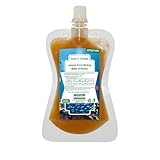
- High Nutrition: 50 ml Baby brine shrimp egg is all-natural nutrient-rich food for fish. Rich in protein, vitamins and minerals. Improve fish immunity, with no additives, no chemicals and no preservatives
- Well-Sealed: This Baby brine shrimp egg food is frozen and well-sealed in bag.
- Ready to Use: 50 ml Ready-to-use nonliving baby brine shrimp eggs can be feed to fish directly and store easily
- Super Fish food: It is tasty and healthy, which is ideal food for freshwater and marine fish, fry/larvae, small fish, reef aquariums, coral, jellyfish, seahorses.
- Direction: Please shake before use, feed 2 to 3 time daily as much as your fish will eat in 5 minutes. Must be refrigerated after opened
Can I feed a Figure 8 or green-spotted puffer like a freshwater fish?
Do not assume so. Aqueon identifies both as puffers commonly sold as freshwater even though they are brackish species; verify the fish’s identity and water requirements first.
Quick Recap
Product prices and availability are accurate as of the date/time indicated and are subject to change. Any price and availability information displayed on Amazon at the time of purchase will apply.




