The Tool Desk
Outbyte Driver Updater FREEFix the driver behind crashes, sound loss and screen glitchesFind Drivers →Outbyte PC Repair FREERepair Windows errors before they cause bigger problemsFix Now →Puppy training is less about correcting mistakes and more about arranging the day so the right behavior is easy to choose. Reward good decisions immediately, prevent repeated access to trouble, and increase difficulty gradually. That approach works for toilet training, recall, leash manners, handling, biting, and settling at home.
These 13 tips are based on current veterinary and animal-behavior guidance. They focus on reward-based training, careful socialization, realistic expectations, and the management young puppies need while their self-control is still developing.
1. Use rewards, not intimidation
Reward-based training means giving the puppy something they value—such as a tiny treat, a toy, play, praise, or access to sniffing—immediately after the behavior you want. The reward tells the puppy, “That choice worked.”
The American Veterinary Society of Animal Behavior recommends reward-based methods for training and behavior problems. Avoid shock collars, prong collars, choke chains, leash corrections, physical punishment, and intimidation. These methods can create fear and may suppress warning signs without addressing the reason for the behavior.
Do these 3 things before closing this tab:
1Clear out junk files and repair common Windows errors2Fix the driver behind crashes, sound loss and screen glitches3Repair Windows errors before they cause bigger problems#1 Best Overall

- REAL CHICKEN FIRST: Baby BLUE Training Treats are made with delicious real chicken as the first ingredient, plus DHA for cognitive development, making them the ideal reward for your puppy’s best behavior
- MEATY TRAINING TREATS: For puppies that love a meaty treat, Baby BLUE training dog treats are tender, bite-sized morsels that make them perfect for training
- WHOLESOME INGREDIENTS: These dog treats contain NO chicken (or poultry) by-product meals and are free of corn, wheat and soy; Plus, they’re free of artificial preservatives and colors
- HEALTHY DOG TREATS: Blue Buffalo natural dog treats feature the healthy, wholesome ingredients you’ll love feeding as much as they’ll love eating
- Contains One (1) 4-oz bag of Blue Buffalo Baby BLUE Training Treats Natural Puppy Soft Dog Treats, Savory Chicken
Most puppy problems are not dominance attempts. Chewing, jumping, biting, and ignoring a cue are more often normal puppy behavior, excitement, fear, frustration, poor supervision, or unmet needs.
2. Manage the environment before correcting behavior
A puppy cannot repeatedly practice a behavior you have prevented. During the first weeks, keep the puppy supervised, within sight, or safely confined in a puppy-proofed area.
- Use baby gates to block stairs and rooms with tempting furniture.
- Put electrical wires, shoes, children’s toys, and unsafe plants out of reach.
- Use an exercise pen, crate, or puppy-safe room when you cannot actively supervise.
- Keep suitable chew toys available in the places where the puppy is most likely to get bored.
If you find a chewed shoe after the event, scolding will not teach the puppy what happened. Prevent access, redirect the puppy when you catch the behavior, and reward the better choice. VCA’s puppy-training guidance similarly emphasizes supervision and prevention.
3. Begin potty training on day one
Take the puppy to the designated toilet area through the same exit whenever possible. Go out:
- Immediately after waking
- After eating or drinking
- After naps and crate time
- After indoor play, chewing, or energetic activity
- Before bedtime
Stay boring and patient until the puppy finishes, then reward immediately outdoors—not once you are back inside. Very young puppies may need a dozen or more toilet trips a day. The familiar “age in months plus one hour” formula is only a rough guide; some puppies need substantially more frequent breaks.
If you catch an accident in progress, calmly interrupt and take the puppy outside. If you discover it later, say nothing. Clean the area with an enzymatic cleaner so lingering odor does not attract the puppy back to the same spot. Never rub the puppy’s nose in the mess or punish them afterward; delayed punishment cannot be connected to the accident. See the AKC potty-training guide for additional scheduling guidance.
4. Make the crate a safe place
Introduce the crate with the door open. Toss treats inside, serve meals near or inside it, and offer a safe food-stuffed toy. Once the puppy enters willingly, briefly close the door while they remain relaxed, then open it again. Build duration in small steps.
The crate should allow the puppy to stand, turn around, and lie down comfortably. If the puppy will grow considerably, a divider can prevent the crate from becoming large enough to use one end as a toilet.
Recommended Free Tools
Rank #2
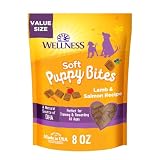
- GRAIN-FREE PUPPY TREATS: These bite-sized, soft puppy training treats are the perfect reward during training sessions or any time you want to thank your dog for good behavior. Puppy bites contain 6 calories per individual treat!
- SUPPORTS BRAIN DEVELOPMENT: Soft dog treats are crafted with salmon, a healthy source of DHA to promote healthy brain development.
- HEALTHY INGREDIENTS: These treats for dogs are made with minimal ingredients focused on quality proteins: made with lamb and salmon, with added vitamins specifically for puppies.
- NO CORN, WHEAT, OR SOY: Treats for dogs do not contain wheat, wheat gluten, corn, soy, or artificial colors.
- MADE IN USA: Our dog treats are quality-assured, made in USA, and crafted from the finest globally-sourced ingredients. Treats are tender, healthy, and bite-sized for small, medium, and large dogs of all lifestages, and activity levels.
A crate is not a punishment area and should not be used to confine a puppy all day. Persistent panic, repeated elimination, frantic escape attempts, or self-injury means the plan is progressing too quickly. Reduce the duration and seek help if the puppy cannot settle. The VCA crate-training overview provides a useful gradual approach.
5. Socialize early, carefully, and positively
Socialization is not forcing a puppy to greet every person or dog. It is teaching the puppy that new people, sounds, surfaces, handling, places, animals, and experiences can be safe.
Keep new exposures brief. Pair them with small treats or play, and let the puppy observe from a comfortable distance. If the puppy freezes, hides, trembles, growls, or tries to escape, increase distance and stop forcing the interaction.
You do not necessarily have to wait until every vaccination is complete. Veterinary behavior guidance supports carefully managed early socialization and puppy classes when hygiene is good, sick animals are excluded, and the plan reflects local disease risk. Ask your veterinarian when public areas, classes, and dog-to-dog contact are appropriate. The AAHA behavior guidelines explain why this early learning period matters.
6. Keep training sessions short and achievable
Train in a quiet area and teach one behavior at a time. Use a reward the puppy genuinely wants, deliver it as soon as the desired action happens, and stop while the puppy is still engaged. Several one- to three-minute sessions are usually more productive than one long session.
For example, to teach “sit,” hold a treat near the puppy’s nose and slowly move it upward. When the puppy’s bottom touches the floor, mark the moment with praise or a click and deliver the treat. Add the spoken cue once the puppy is beginning to perform the behavior.
A cue signals that a behavior can earn a reward; it is not a demand that should be repeated until the puppy gives in. Say the cue once. If the puppy does not respond, make the exercise easier rather than saying “sit, sit, sit” several times.
7. Add distractions one at a time
A puppy that sits reliably in the kitchen may appear to have forgotten the behavior in the yard. They have not necessarily become stubborn—the behavior simply has not been generalized to a different room, surface, distance, person, sound, or smell.
What’s actually slowing this PC down?
Pick the symptom - the matching free tool is one click away.
Rank #3

- Highly Palatable with natural pork liver base
- 500 treats per bag!
- Only 1.5 calories per treat
- Clean ingredients with no corn, soy or artificial flavors
- Made with natural bacon
Build difficulty gradually:
- Practice in a quiet room.
- Repeat in another room.
- Try the yard or a quiet outdoor location.
- Add one mild distraction, such as a family member moving nearby.
- Increase distance, noise, or activity separately.
If the puppy fails, reduce one variable and reward easier successes. In unfamiliar places, use a properly fitted harness or collar and a leash rather than testing an unreliable response near hazards.
8. Teach name recognition and recall early
Choose one distinctive recall cue, such as “come” or “here.” Indoors, say the puppy’s name, pause for them to look toward you, and reward that check-in. Then say the recall cue once in a cheerful voice, move away if needed, and reward generously when the puppy reaches you.
Begin in the house, then practice in a secure fenced area or on a six-foot leash. Keep repetitions easy and fun. Do not call the puppy to scold them, punish them, or end every enjoyable activity. If the puppy returns after doing something wrong, reward the return; prevent the original behavior more effectively next time.
No recall is perfect. Use a leash or secure fence near roads, wildlife, unfamiliar dogs, and other hazards. VCA’s recall guidance recommends starting as soon as the puppy comes home.
9. Introduce the leash indoors
Leash walking is not automatic. Let the puppy wear a leash for brief, supervised periods indoors while receiving treats or playing. Reward walking beside you, looking back at you, and stopping when you stop.
Move from the house to the yard, then to locations with more distractions. Pulling, freezing, and lying down are common early reactions. Avoid dragging the puppy forward; make the experience easier and reward small movements in the desired direction.
Use a properly fitted collar or harness and follow local leash laws. Avoid retractable leashes during early training: they provide less consistent control and can create safety problems. See VCA’s leash-training advice for progression ideas.
10. Redirect biting instead of punishing it
Puppy mouthing is normal, but teeth should not stay on human skin or clothing. When biting starts, freeze your hands and feet rather than pulling them away quickly. Offer an appropriate toy and reward the puppy for switching to it.
Quick wins for a faster PC:
Repair Windows errors before they cause bigger problemsFix Now →Fix the driver behind crashes, sound loss and screen glitchesFind Drivers →Clear out junk files and repair common Windows errorsFree Scan →Rank #4

- Lots of flavor, not fillers: Just three simple, all-natural ingredients mean low calories and high nutritional value, making a tasty but healthy treat that your pup will actually love
- Ready for training, wherever you are: The best training is consistent training. Our small treats are lightweight and perfectly sized for quick rewards so they are ready to go whenever there is a training opportunity
- Mess free treats: No oily, greasy, crumbly messes here, Pupford treats keep your hands and pouches clean. You can even keep some in your pocket for walks, classes, or mini adventures without worrying about them getting grimy or stale
- Motivate even the pickiest of pups: A wide range of flavors makes it easy to find the perfect fit for your pup’s tastes
- Pupford Promise: We strive to always provide simple, high-quality, healthy pup essentials. If you or your pup aren't happy with a purchase, let us know so we can help find the right fit!
If the puppy continues, quietly end the interaction by turning away or leaving for roughly 10–20 seconds. Then return and offer a calmer activity. A sharp yelp helps some puppies but excites or frustrates others; if it makes the biting worse, stop using it.
Never hit, slap, scruff-shake, hold the muzzle shut, or physically intimidate a puppy. Such methods can increase fear and defensive biting. The ASPCA mouthing guide recommends disengagement and redirection instead.
11. Provide safe chewing outlets
Keep several suitable chew toys available and redirect the puppy immediately when they target furniture, clothing, hands, or wires. Rotate toys so they remain interesting. Inspect them regularly and remove anything breaking apart or missing pieces.
Every chew can present a choking or intestinal-blockage risk if pieces are swallowed. Supervise chewing and ask your veterinarian which products suit your puppy’s size, age, and chewing style. Treats should be small and included in the puppy’s total daily food intake so training does not cause excessive calories or an unbalanced diet.
Crashes, No Sound, or Screen Glitches?
Random freezes, missing sound and display glitches usually trace back to one bad driver. Find and replace yours safely.Free scan · under a minutePC Slower Than It Used to Be?
A free scan shows the junk files, broken settings and background clutter dragging Windows down - then fixes them in one click.Free scan · Windows 10 & 1112. Make handling and grooming cooperative skills
Touch one body part briefly, give a treat, and stop before the puppy becomes uncomfortable. Over repeated sessions, gradually build toward:
- Holding each paw
- Looking inside the ears and mouth
- Touching the tail and collar
- Brushing
- Toothbrushing
- Nail care, bathing, and veterinary-style handling
If the puppy pulls away, stiffens, or struggles, make the exercise easier. Forcing a frightened puppy to endure handling can make future grooming and veterinary visits harder. Intense fear, defensive aggression, or escalating distress warrants help from a veterinarian and a qualified behavior professional rather than forceful restraint at home.
Independent reader supportYour contribution helps us test, update, and keep practical guides available for everyone.13. Protect sleep and teach alone time gradually
Puppies commonly sleep around 16–20 hours per day, depending on age and the individual. An overtired puppy may become frantic, mouthy, jumpy, and unable to learn. Schedule naps after play, training, or walks, and protect the sleeping area from children and other pets.
Teach alone time in tiny increments. Place the puppy behind a gate or in a crate with a safe food toy for a few seconds or about a minute while you remain nearby. Increase the duration only while the puppy stays relaxed. Later, briefly step away and return before distress begins.
Free tools Windows power users keep installed
One-click scans. No signup required.
Best Value

- High Value, Irresistible Flavor: Pups love the taste and aroma, making training sessions more effective and enjoyable
- High-Quality Ingredients: Made in the USA with clean, simple ingredients, starting with chicken - nothing artificial and no fillers
- Low-Calorie: Less than 2 kcal per treat and high in protein, perfect for frequent rewarding without worry
- Perfectly Sized: Small enough for one-bite rewards, which helps prevent overfeeding while keeping training sessions flowing smoothly
- Soft & Chewy: Perfect texture for quick rewarding during training, and great for pups with sensitive teeth like senior dogs
Persistent vocalizing, frantic escape attempts, panic, or an inability to settle can indicate a separation-related problem rather than ordinary protest. Speak with a veterinarian or qualified behavior professional if these signs appear. The AKC guide to leaving a puppy alone also recommends gradual increases rather than sudden long absences.
Common puppy-training claims to ignore
| Claim | What to do instead |
|---|---|
| “Wait until all vaccines are finished to socialize.” | Ask your veterinarian about safe, controlled exposure and well-managed puppy classes before the vaccination series is complete. |
| “Punishment teaches respect.” | Reward the behavior you want and manage the environment to prevent rehearsal of unwanted behavior. |
| “The crate is where a bad dog gets sent.” | Keep the crate associated with rest, food toys, and calm—not punishment. |
| “All crying must be ignored.” | Distinguish brief protest from panic. Check toilet and comfort needs, reduce the difficulty, and get help for persistent distress. |
| “One successful session is enough.” | Practice the behavior across rooms, surfaces, people, and distractions. |
A practical daily training rhythm
You do not need a formal obedience class at every moment. Build training into ordinary care:
- Take the puppy out after waking and reward elimination.
- Reward name-checks and calm behavior during breakfast.
- Practice one simple cue for one to three minutes.
- Offer supervised play and an appropriate chew.
- Practice brief handling or leash wearing.
- Provide a protected nap.
- Repeat short recall, settling, and potty opportunities throughout the day.
The goal is steady repetition without overwhelming the puppy. Progress is measured by more good choices, shorter recovery from distractions, and an increasing ability to relax—not by expecting adult-dog reliability from a very young animal.
FAQ
What should I teach a puppy first?
Start with name recognition, potty routines, calm handling, safe chewing, and a positive relationship with the crate. Add simple cues such as sit and come in short, reward-based sessions.
How long should puppy training sessions last?
Begin with about one to three minutes, several times a day. Stop while the puppy is still interested and make the exercise easier if they lose focus or become frustrated.
Is it okay to punish a puppy for accidents or biting?
No. Punishment after an accident cannot be connected to the earlier event, and physical punishment for biting can increase fear or defensive behavior. Calmly interrupt, redirect, manage access, and reward the behavior you want.
When can a puppy start socialization?
Socialization should begin early, but it must be controlled and appropriate to the puppy’s health and local disease risk. Ask your veterinarian about safe puppy classes, public areas, and contact with other dogs before vaccinations are complete.
The Bottom Line
Train the puppy in front of you: reward useful behavior immediately, prevent access to dangerous or tempting items, keep lessons brief, and raise distractions slowly. Potty breaks, sleep, chewing outlets, positive socialization, cooperative handling, and gradual alone time are part of training—not separate from it. If a puppy panics, shows intense fear, or becomes defensive, involve a veterinarian or qualified behavior professional rather than adding more force.
Quick Recap
Product prices and availability are accurate as of the date/time indicated and are subject to change. Any price and availability information displayed on Amazon at the time of purchase will apply.




