Recommended Free Tools
Most holiday pet emergencies come from access, not carelessness: a pet reaches a plate, a tree skirt, a bouquet, or a guest’s handbag. The practical defense is to take hazards out of reach, secure the setup, give your pet a quiet place to go, and know whom to call the moment an exposure is suspected. The advice below draws on guidance from the ASPCA, the U.S. Food and Drug Administration’s Center for Veterinary Medicine, the American Veterinary Medical Association (AVMA), and Pet Poison Helpline. Most of it is written for dogs and cats; notes on birds appear where the sources address them.
Keep holiday food and trash out of reach
Keep your pet on its normal diet. Holiday tables are where most dietary problems start, so the simplest rule is to avoid giving pets anything rich, fatty, sweet, spicy, or seasoned, and anything whose ingredients you cannot identify. The ASPCA specifically flags fatty, sweet, and spicy foods and turkey or chicken bones as dangerous. It notes that a small piece of plain boneless turkey can be a treat, but its general advice is to skip foods with unknown seasonings altogether.
Foods and ingredients with specific hazards
- Xylitol: The FDA says xylitol can cause rapid and dangerous symptoms in dogs. It appears in some sugar-free gum, candy, baked goods, and other products, so check labels on anything a guest brings.
- Chocolate: Baking and unsweetened chocolate are especially dangerous, according to the FDA. Holiday sweets, cocoa, and chocolate ornaments all count.
- Alcohol: The FDA warns that alcohol can cause severe neurologic and respiratory effects. Keep drinks, and foods soaked in alcohol, out of reach.
- Fatty scraps: The FDA says high-fat scraps can contribute to pancreatitis, an inflammation of the pancreas that can make a pet seriously ill.
- Cooked bones: The FDA warns that cooked bones can lodge in the digestive tract or cause injury. The ASPCA also lists turkey and chicken bones as dangerous.
- Grapes, raisins, and currants: Pet Poison Helpline lists these as kidney hazards for dogs, which makes them a common holiday-platter problem.
- Unbaked yeast dough and alcohol-containing desserts: Pet Poison Helpline includes both in its winter holiday guidance.
Trash, wrapping, and packaging
Secure food scraps, bones, and snack bags in a pet-proof bin or behind a closed cabinet door. The FDA points out that packaging is a suffocation risk as well as a food-raiding temptation. Clear away wrapping paper and gift bags as soon as they are emptied.
Guests who feed pets
Tell guests not to feed your pet from the table, and ask them to keep their own plates and bags out of reach. Pet Poison Helpline advises keeping guests from feeding unsupervised treats, which is the most common way a “just one bite” becomes an emergency.
#1 Best Overall

- ENSURE PET SAFETY ON THE GO with our dog travel accessories, dog must haves in pet travel. Our comprehensive pet first aid kit for dogs is your companion for worry-free journeys.
- VET ENDORSED: Our Dog & Cat first aid kit, vet-reviewed for precision, is expertly crafted in a medical facility, providing superior quality emergency dog essentials for peace of mind.
- PET EMERGENCY ESSENTIALS: In addition to comprehensive pet first aid supplies, we include dog muzzle, tick kit, emergency flashlight, and a handy mini first aid kit pouch.
- Pet Care Guide: A comprehensive first aid manual with essential instructions for treating everything from snake bites to minor injuries, making it dog must haves for your pet’s hiking and camping gear
- GEAR UP FOR OUTDOOR FUN! This first aid kit is your first line of defense during activities like hiking, jogging, or camping, designed for dog camping gear and hunting dog adventures.
Plants: not all holiday greenery carries the same risk
Holiday plants differ widely in how dangerous they are, and the difference matters when you decide where to place a bouquet. The table below summarizes what each source says. The sources use different severity wording, and this table keeps their language rather than ranking the plants on a single scale.
| Plant | Animals most concerned | What the sources describe |
|---|---|---|
| Lilies (in holiday bouquets) | Cats | ASPCA calls some lilies highly toxic to cats and says they can cause kidney failure. Pet Poison Helpline identifies lily ingestion as a serious kidney risk in cats. |
| Poinsettia | Dogs and cats | ASPCA describes mild to moderate gastrointestinal irritation. The FDA describes mouth and stomach irritation. No source describes poinsettia as equivalent in danger to lilies. |
| Holly | Dogs and cats | FDA lists drooling, vomiting, diarrhea, loss of appetite, and reduced activity. ASPCA describes gastrointestinal upset and possible cardiovascular problems. |
| Mistletoe | Dogs and cats | ASPCA describes gastrointestinal upset and possible cardiovascular problems. The FDA says severe toxicity is uncommon but possible after a large ingestion. |
Place lily arrangements where cats cannot reach them, and treat any cat that has chewed a lily as a same-day veterinary concern. For poinsettia, holly, and mistletoe, keep the plants out of reach and watch for signs of stomach upset. The point is prevention: a plant on a high shelf is safe, and a plant on a coffee table is not.
Rank #2

- 1. BE PREPARED FOR ANY PET EMERGENCY – Vet-approved dog & cat first aid kit with pet-safe medical supplies, perfect for home, car, and outdoor adventures. Designed for fast, effective emergency care.
- 2. MORE THAN JUST BANDAGES – Includes vet-wrap, tick remover, first aid pads, saline wash, styptic pencil, slip leash & thermal blanket—real pet essentials, not just human first aid items.
- 3. BUILT FOR TRAVEL & ADVENTURE – Water resistant, hard-sided case protects supplies in your car, backpack, or RV. Ideal for hiking, road trips, camping, and disaster preparedness.
- 4. STEP-BY-STEP PET FIRST AID GUIDE – Easy-to-follow vet-reviewed manual for treating wounds, bites, bleeding, and emergencies—so you’ll always know what to do.
- 5. PET-SAFE & NON-TOXIC MATERIALS – Every item is vet-reviewed and made with pet-safe, non-toxic materials. Trusted by pet sitters, trainers, groomers, and adventurers—your pet deserves the best care!
Trees, decorations, and fire
A Christmas tree is one of the most common sources of holiday trouble because it combines several hazards in one object.
- Anchor the tree. Secure it so it cannot tip onto a pet, and check the anchor after the tree is watered and decorated.
- Block access to tree water. Tree water may contain preservatives or fertilizer, and it can grow bacteria. A cover or barrier is the simplest fix.
- Avoid tinsel. The ASPCA and FDA both warn against it. Ribbons, strings, and confetti can cause serious intestinal injury if swallowed, so collect them after gifts are opened.
- Keep cords, batteries, and small ornaments out of reach. Chewed electrical cords create burn and electrical injury risks. Glass and plastic ornaments can break and cut, and small decorations can be swallowed.
- Never leave candles unattended. A pet that knocks over a candle can start a fire, so extinguish candles before you leave the room.
Guests, noise, and medication
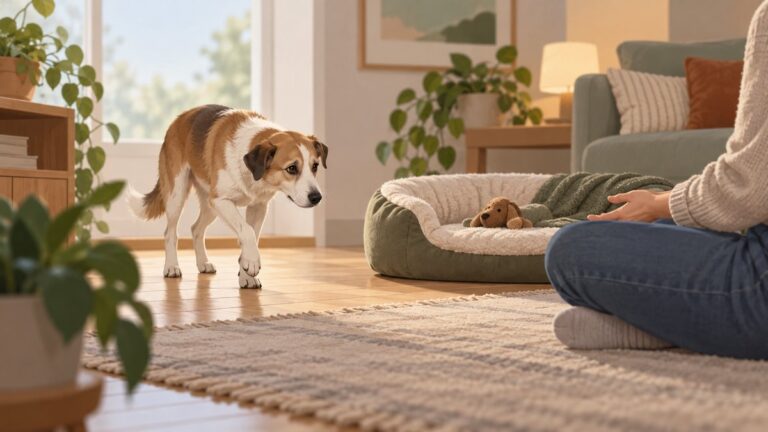
Parties, loud music, fireworks, poppers, and noisemakers can frighten pets. Give your pet an accessible quiet room, such as an interior bedroom with its bed, water, and litter box if needed, where it can retreat during the busiest hours. Put a closed sign or a gate on the room so guests do not wander in.
Free tools Windows power users keep installed
One-click scans. No signup required.
Rank #3

- 1. BE READY ANYWHERE, ANYTIME – Lightweight, compact cat & dog first aid kit for hiking, camping, or travel. Designed for fast, effective emergency care when space and weight matter most.
- 2. PACKED WITH REAL PET ESSENTIALS – Includes vet-wrap, tick remover, cleansing wipes, saline wash, thermal blanket & more—no fluff, just field-tested dog emergency tools.
- 3. BUILT FOR BACKPACKING & ADVENTURE – Soft case fits in backpacks, glove compartments, or car consoles. Ideal for travel, hunting, road trips, camping, and everyday dog hiking gear.
- 4. STEP-BY-STEP PET FIRST AID GUIDE INCLUDED – Easy-to-follow, vet-reviewed manual covers injuries, bleeding, ticks, and emergencies—giving you the confidence to act quickly when it counts.
- 5. VET-APPROVED & PET-SAFE MATERIALS – All supplies are reviewed by veterinary professionals and made with non-toxic, pet-safe materials. Trusted by hikers, adventurers, and pet lovers.
Ask guests to keep their medications in a closed cabinet or bag rather than an open purse, bag, or suitcase on the floor. Pet owners commonly store medication in these open spaces, and a dropped pill is easy for a dog or cat to find. Keep broken decorations and wrapped food with the trash controls described above.
Other seasonal hazards
Salt dough and homemade play dough
Salt-dough ornaments and homemade play dough contain enough salt to be dangerous if eaten. The FDA gives a specific dose example for a 10-pound pet: it can become sick after eating just ½ teaspoon of table salt, and 1½ teaspoons can be fatal. The FDA presents this as a dose illustration from its holiday consumer guidance; the page does not state a publication date. Keep pets away from salt dough while it is being made, drying, and displayed.
Rank #4

- Comprehensive Emergency Protection: RHINO RESCUE pet first aid kit provides comprehensive emergency preparation for your pet, containing gauze, self adhesive bandage, pet emergency tourniquet, ice pack, emergency blanket and other key first aid supplies to ensure effective initial treatment for your pet in emergency situations
- Supports Daily Care Needs: Equipped with a thermometer, toothbrush, feeding kit, poop bags with dispenser, muzzle, pill bag, water bowl, and disposable foot booties, this emergency bag can assist with daily pet care and feeding medications, helping you meet your pet's health needs
- First Aid Guide: The first aid manual is included to offer guidance for handling common pet emergencies, including heat stroke, trauma and bites. This manual provides helpful tips and steps to support you in staying calm and effectively responding to urgent situations
- Durable Materials Kit: The pet medical kit is made of abrasion-resistant fabric and two-way zippers design, which ensures that the gears remain dry and tidy in outdoor conditions. The interior features transparent dividers, making it easy to quickly access items in emergencies
- Compact & Portable: The entire pet kit measures 8.5 inches x 6.5 inches x 4.3 inches and weighs only 1.7 pounds. This hiking medical kit is designed to be portable, easy to go out, travel or camp, and convenient to provide your pet with basic first aid support wherever you go
Ice melt and winter walks
The ASPCA warns that ice melt can cause severe electrolyte imbalances in pets and recommends pet-friendly ice-melting agents. “Pet-friendly” describes a product category, not a guarantee. Labeling for a product does not establish that it is safe to ingest, so do not treat any ice melt as safe to eat. Store it away from pets, follow the product label, and wipe paws after walks on treated surfaces.
Snow globes
The ASPCA warns that snow globes may contain ethylene glycol, a toxic substance. Keep them on high shelves or out of reach, and clean up any broken globe fluid immediately.
Do these 3 things before closing this tab:
1Clear out junk files and repair common Windows errors2Fix the driver behind crashes, sound loss and screen glitches3Repair Windows errors before they cause bigger problemsBest Value

- Includes one 0.5 oz tub of Miracle Care Kwik Stop Styptic Powder; the Original styptic powder with Benzocaine for Pain Relief
- Your Pet Grooming Essential: Our styptic powder stops bleeding fast for dogs, cats, and birds; Specifically designed to act rapidly during grooming procedures to ensure a safe and enjoyable experience for your pets
- How to Use: Apply powder to a moistened cotton applicator to apply to the cut, nail, or other superficial bleeding area, applying moderate pressure for 5-10 seconds; Avoid use on deep wounds or body cavities
- From Nose to Toes We've Got Your Pet Covered: Our goal is to improve the human-animal bond by offering a complete line of innovative, solutions-driven products and accessories for animals, both small and large
- Trusted by Professionals: Miracle Care health and grooming products have been trusted and recommended by veterinarians and professional groomers for more than 40 years; Proudly Made in the USA in our Dayton, OH facility
Medications
The ASPCA lists medications among holiday hazards. Store your own medications in closed containers and keep any pet medication separate from human medication to avoid mix-ups.
Independent reader supportYour contribution helps us test, update, and keep practical guides available for everyone.Birds need extra attention
The AVMA’s household hazards brochure, dated 2020, notes that many of the risks above also apply to pet birds. Birds are also especially sensitive to inhaled particles and fumes, including aerosol sprays, overheated nonstick cookware, essential oils, tobacco smoke, glues, paints, and air fresheners. Keep these away from a bird’s room, and ventilate the area when you use them.
If you think your pet has been exposed
If you suspect poisoning or dangerous ingestion, act immediately rather than waiting for symptoms.
- Move your pet away from the source, and remove any remaining food, plant, or product.
- Call your veterinarian or an animal poison-control service right away. The FDA says to call a veterinarian immediately after suspected xylitol or chocolate ingestion.
- Have the information ready: your pet’s breed, age, and weight; the signs you have seen; and the product container or a sample of the plant if you can safely collect it. The AVMA recommends keeping packaging or a plant sample to help identify the exposure.
- Follow the guidance you receive. Home treatment is not a substitute for veterinary advice.
Holiday safety checklist
- Keep food on its normal diet, and keep scraps, bones, and alcohol out of reach.
- Place lilies where cats cannot reach them, and keep poinsettia, holly, and mistletoe out of reach.
- Anchor the tree, block access to tree water, and skip tinsel.
- Collect ribbons, strings, and confetti after gifts are opened.
- Keep cords, batteries, small ornaments, and candles out of reach or supervised.
- Set up a quiet room with water, bedding, and a closed door.
- Store guests’ medications in closed cabinets.
- Keep salt dough, play dough, ice melt, and snow globes away from pets.
- Save the veterinarian’s or poison-control number where everyone in the household can find it.
Sources cited: ASPCA holiday safety guidance; U.S. Food and Drug Administration, Center for Veterinary Medicine, “Keep Your Dogs and Cats Safe From Holiday Hazards”; AVMA household hazards brochure (© 2020); Pet Poison Helpline winter holiday toxicology guidance.