You cannot tell at home whether a cat has cancer from symptoms alone: signs vary by tumor and can also be caused by common noncancerous illnesses. Watch for persistent or progressive changes—such as weight loss, appetite changes, a new lump, or hiding—and arrange a veterinary examination. Seek emergency care for breathing trouble, collapse, uncontrolled bleeding, or inability to urinate.
Cats often hide illness and pain, so subtle changes in sleeping, grooming, or eating may be the first clues that something is wrong, according to VCA Animal Hospitals. A veterinarian may need blood and urine tests, imaging, a fine-needle sample, or a biopsy to identify the cause.
Possible signs of cancer in cats
Cancer signs depend on the tumor’s location, type, and how far it has progressed. The Cornell Feline Health Center lists the following as possible warning signs. None proves cancer on its own.
1. Unexplained weight loss
Weight loss can occur even when a cat seems to have a normal appetite. Cancer is one possible cause, but hyperthyroidism, diabetes, kidney or intestinal disease, and dental pain can also lead to weight loss. Cornell recommends weighing cats monthly because gradual loss can be difficult to notice under the coat.
Free tools Windows power users keep installed
One-click scans. No signup required.
#1 Best Overall

- Fresh scented
- Kills and repels fleas and ticks, plus prevents flea eggs from hatching for 7 months. Can be worn simultaneously with your cat's regular collar
- Water-resistant design won't cause loss of effectiveness if your favorite feline takes a stroll in the rain
- Features a breakaway, safety release snap
- For use on adult cats and kittens 12 weeks of age and older
2. Reduced appetite or trouble eating
Watch for eating less, dropping food, chewing on one side, approaching food and walking away, or difficulty swallowing. These signs may occur with oral tumors, gastrointestinal disease, or illness affecting another organ, as well as dental disease, nausea, pain, or infection. A cat that has not eaten properly for 24 hours needs immediate veterinary attention because cats can develop hepatic lipidosis, or fatty liver disease, when food intake stops, according to VCA Animal Hospitals.
3. A new lump, swelling, or enlarged lymph node
Check for new or changing lumps during routine handling, including on the skin, under the jaw, around the shoulders, along the abdomen, and near the mammary glands. A growing or changing lump should be examined. A lump may be benign, infectious, inflammatory, or malignant; appearance and touch alone cannot reliably tell which. A veterinarian may recommend a fine-needle sample or biopsy, as explained by the VCA Pet Cancer Alliance.
4. Skin sores that do not heal
Persistent ulcers, scaly areas, bleeding wounds, or patches that repeatedly crust over should be examined. A veterinarian may recommend a biopsy to identify the cause. Take a photograph and note the lesion’s location; avoid applying human creams or trying to remove a scab before the examination.
5. Vomiting or diarrhea that keeps returning
Persistent or recurring vomiting and diarrhea—especially with weight loss or appetite changes—need veterinary assessment. Intestinal lymphoma is one possibility, but parasites, inflammatory bowel disease, food problems, infection, and pancreatic or liver disease can cause similar signs.
Rank #2

- Vet-recommended, premium flea & tick protection for cats & kittens without the price tag
- Long-lasting flea and tick collar kills & repels fleas for 8 continuous months
- Seresto is the #1 veterinarian recommended flea & tick collar*
- Starts working within 24 hours to kill & repel fleas and ticks by contact so pests don’t have to bite your cat to die
- Hassle-free, non-greasy, easy-to-use flea & tick protection
6. A swollen or enlarged abdomen
An abdomen that becomes noticeably larger may contain fluid, an enlarged organ, blood, or a mass. Cancer is only one possible cause. Enlargement can be urgent, particularly if it is painful, develops quickly, or occurs with weakness, pale gums, vomiting, or breathing difficulty.
7. Changes in urination or bowel movements
Pay attention to straining, repeated trips to the litter box, blood, constipation, difficulty passing stool, accidents outside the box, or a clear change in urine output. Tumors can obstruct the urinary or digestive tract, but urinary infections, bladder inflammation, stones, kidney disease, and constipation are other possibilities.
Repeated straining with little or no urine is an emergency. Urinary blockage can become fatal quickly, especially in male cats.
8. Breathing changes, coughing, or persistent nasal discharge
Rapid or labored breathing, coughing, noisy breathing, or ongoing nasal discharge may occur with disease affecting the lungs or airways. Heart disease, asthma, infection, and other conditions can cause similar signs. Open-mouth breathing, gasping, blue or gray gums, or obvious effort to breathe requires immediate emergency care.
What’s actually slowing this PC down?
Pick the symptom - the matching free tool is one click away.
Rank #3
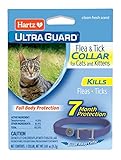
- Fresh scented
- Kills and repels fleas and ticks for 7 months. Can be worn simultaneously with your cat's regular collar
- Water-resistant design won't cause loss of effectiveness if your favorite feline takes a stroll in the rain
- Features a breakaway, safety release snap
- For use on adult cats and kittens 12 weeks of age and older
9. Hiding, lethargy, or less interest in normal activities
A cat that sleeps more, withdraws, stops playing, or hides in unusual places may be ill or in pain. This is nonspecific, but it can be an early clue when combined with weight loss, appetite changes, altered grooming, or reluctance to move. Cats may conceal pain even when they still purr or use the litter box normally.
10. Poor grooming or unusual grooming
A greasy, matted, or unkempt coat may indicate illness, pain, arthritis, or obesity. Excessive licking of one area can also point to pain or skin disease. A new change from your cat’s usual grooming habits is worth noting.
11. Mouth and facial changes
Arrange an examination for bad breath, drooling, blood in the saliva, facial swelling, red or swollen gums, difficulty opening the mouth, or loss of an apparently healthy tooth. Oral tumors are one possibility, but dental disease and infection can look similar. Only inspect the mouth if your cat allows it; do not force open a painful jaw.
12. Yellow gums, ears, or eyes
Yellow discoloration of the gums, inner ears, skin, or whites of the eyes is jaundice. It signals a problem involving the liver, blood, or bile system. Cancer is one possible cause, but jaundice warrants prompt veterinary care regardless of the cause.
Recommended Free Tools
Rank #4

- Kills and prevents up to 14 months: kills fleas, ticks, flea eggs, and flea larvae, and prevents flea eggs from hatching; includes two collars providing up to 14 months of continuous protection
- Full body protection: active ingredients are slowly released from the collar, moving over your cat’s skin to provide up to seven months of full body protection per collar
- Soft, flexible, comfortable: this specialized, non stiff collar is designed to deliver odorless, non greasy, water resistant flea and tick control while keeping your cat comfortable and protected with an easy-to-use design
- Breakaway collar: this collar features a pre determined breakaway point to allow your cat to escape if snagged
- One size fits all: the adjustable collar accommodates cats of all sizes
13. Lameness, stiffness, or reluctance to jump
A cat may limp, stop climbing, use stairs cautiously, or resent being handled when it has pain involving a bone, joint, muscle, or soft tissue. Persistent or worsening lameness should be investigated. Do not give human painkillers, which can be toxic to cats.
14. Fever, pale gums, neurologic changes, or recurrent illness
Enlarged lymph nodes, recurring infections, persistent fever, pale gums, weakness, seizures, abnormal balance, or sudden behavior changes can occur with cancer and serious noncancerous disorders. Feline leukemia virus (FeLV) is associated with some cancers as well as immune and blood problems. A veterinarian may recommend FeLV testing depending on the cat’s history and signs, as described by the Cornell Feline Health Center.
When cancer-like symptoms are an emergency
Seek emergency veterinary care immediately for:
- Labored or open-mouth breathing, gasping, or blue, gray, or very pale gums
- Collapse, unresponsiveness, sudden inability to stand, or severe weakness
- Uncontrolled bleeding
- A severely swollen or painful abdomen
- Inability to urinate or repeated straining with little or no urine
- Seizures, sudden paralysis, or rapidly worsening neurologic signs
- Repeated vomiting or diarrhea accompanied by collapse, severe pain, blood, or marked lethargy
These emergency signs are consistent with guidance from BluePearl Pet Hospital. Call an emergency veterinary hospital before traveling if possible. Keep your cat warm and quiet, use a carrier, and do not give human medication unless a veterinarian specifically instructs you to do so.
How a veterinarian checks for cancer
The examination begins with a medical history and physical examination. Tell the veterinarian when the change began, whether it is worsening, what your cat eats, and any changes in drinking, urination, stool, breathing, activity, or weight. The American Veterinary Medical Association describes common parts of a cancer workup:
Best Value

- Vet-recommended, premium flea and tick protection for cats and kittens without the price tag
- Long-lasting flea and tick collar kills and repels fleas for 8 continuous months
- Seresto is veterinarian recommended flea and tick collar
- Starts working within 24 hours to kill and repel fleas and ticks by contact so pests don’t have to bite your cat to die
- Hassle-free, non-greasy, easy-to-use flea and tick protection
| Test or step | What it can show |
|---|---|
| Physical examination | Changes in body condition, mouth, skin, lymph nodes, abdomen, breathing, and painful areas |
| Blood and urine tests | Overall health, organ function, anemia, infection, and fitness for anesthesia or treatment; these tests usually do not identify the exact tumor by themselves |
| X-rays, ultrasound, CT, or MRI | Mass location, affected structures, and possible spread |
| Fine-needle aspiration and cytology | Cells withdrawn with a needle and examined under a microscope; useful for some tumors but not sufficient for every tumor |
| Biopsy and histopathology | Tissue diagnosis, including whether disease is benign or malignant and tumor features relevant to treatment |
| Staging tests | Whether cancer has spread to lymph nodes or other tissues and organs |
Bloodwork can reveal that a cat is ill, but it usually cannot confirm or rule out cancer on its own. Imaging may show a suspicious mass without identifying exactly what it is. A tissue sample is often needed for diagnosis.
Independent reader supportYour contribution helps us test, update, and keep practical guides available for everyone.What to monitor at home
- Weigh your cat monthly. Record the result rather than relying on how the body looks through the fur.
- Track food and water intake. Note partial meals, changes in thirst, and how long appetite has been abnormal.
- Watch the litter box. Record urine output, straining, stool frequency, diarrhea, constipation, or blood.
- Record behavior and mobility. Note hiding, sleep, play, jumping, walking, and reactions to touch.
- Check the coat and skin. Photograph new lumps or lesions and measure them with a ruler if your cat can be handled safely.
- Write down the timeline. Dates and short videos can help a veterinarian identify progression.
Make an appointment for any unexplained change that persists, returns, or gets worse. Do not wait for several warning signs to appear.
Claims about cat cancer that can mislead owners
- “Every lump is cancer.” False. Lumps can be benign, inflammatory, infectious, or malignant; sampling may be needed to tell them apart.
- “A cat acting normally cannot have cancer.” False. Cats hide illness, and some tumors cause few early signs.
- “Purring proves the cat is comfortable.” Not always. Cats may purr when distressed or self-soothing, particularly if they are also hiding or moving less, according to VCA Animal Hospitals.
- “Normal bloodwork rules out cancer.” Usually false. Blood and urine tests are useful but often cannot identify a tumor.
- “Cancer treatment is never worthwhile.” False. Options can include surgery, chemotherapy, radiation, or palliative care. The outlook depends on the tumor type, location, stage, and the cat’s overall health.
FAQ
What is the first sign of cancer in cats?
There is no single first sign. Gradual weight loss, reduced appetite, hiding, lower activity, poor grooming, a new lump, or persistent vomiting and diarrhea may be early clues. These signs are not specific to cancer, so ask a veterinarian to investigate persistent or progressive changes.
Can a blood test tell whether my cat has cancer?
Blood tests can show anemia, organ problems, infection, or other abnormalities and help assess overall health, but they usually cannot confirm or exclude cancer. Imaging, fine-needle sampling, cytology, or biopsy may be needed.
Crashes, No Sound, or Screen Glitches?
Random freezes, missing sound and display glitches usually trace back to one bad driver. Find and replace yours safely.Free scan · under a minuteWindows Errors? Fix Them Before They Spread
Repair common Windows errors and clear accumulated junk for a smoother, more stable PC - no reinstall needed.Free scan · no reinstallHow long can a cat have cancer without showing symptoms?
The timing varies widely by tumor. Some cause obvious illness early, while others remain subtle until they are larger or have spread. Normal behavior does not reliably rule out cancer, because cats may hide pain and weakness.
Should I take my cat to an emergency vet for a lump?
A stable lump usually needs a veterinary appointment rather than an emergency visit. Seek emergency care for breathing difficulty, collapse, uncontrolled bleeding, a severely painful or swollen abdomen, inability to urinate, seizures, or severe weakness. Have a growing, changing, ulcerated, or bleeding lump examined promptly.
The Bottom Line
Cancer is one possible explanation for weight loss, appetite or litter-box changes, lumps, persistent digestive symptoms, breathing problems, jaundice, pain, and behavior changes—but symptoms alone cannot diagnose it. Arrange veterinary care for new or worsening changes, and seek emergency help for breathing trouble, collapse, uncontrolled bleeding, urinary blockage, seizures, or severe abdominal pain. If your cat has not eaten properly for 24 hours, contact a veterinarian immediately.
Quick Recap
Product prices and availability are accurate as of the date/time indicated and are subject to change. Any price and availability information displayed on Amazon at the time of purchase will apply.
The Tool Desk
Outbyte Driver Updater FREEFix the driver behind crashes, sound loss and screen glitchesFind Drivers →Outbyte PC Repair FREEClear out junk files and repair common Windows errorsFree Scan →



