Quick wins for a faster PC:
Scan for outdated or missing drivers - takes under a minuteDriver Scan →Repair Windows errors before they cause bigger problemsFix Now →The Scottish Fold is known for ears that tip forward and downward, a rounded face, and a generally gentle temperament. Those ears are not simply a cosmetic feature, however: the same inherited cartilage variant that creates the fold can affect bones and joints throughout the body.
That health issue should be central to any decision about buying, breeding, or adopting one. A Scottish Fold may be affectionate, adaptable, and easy to live with, but owners also need to watch closely for subtle signs of chronic pain and make practical changes if mobility becomes difficult.


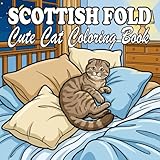

Scottish Fold at a glance
| Trait | Typical details |
|---|---|
| Origin | Scotland; the modern breed descends from Susie, a folded-ear farm cat noticed in 1961 |
| Adult size | Medium; approximately 6–13 pounds, with males usually larger |
| Coat | Shorthaired or longhaired, dense, and plush |
| Temperament | Usually quiet, affectionate, curious, and adaptable |
| Typical lifespan | Breed guides commonly give approximately 11–16 years, although individual lifespan varies |
| Main health concern | Scottish Fold osteochondrodysplasia, a progressive cartilage, bone, and joint disorder |
Breed details and lifespan range are summarized by the Cat Fanciers’ Association and Purina.
History and breed status
The first known Scottish Fold was a white farm cat named Susie, discovered in Scotland in 1961 by shepherd William Ross. Her unusual ears resulted from an inherited cartilage-development variant. Breeding programs later used domestic cats, British Shorthairs, and, in North America, American Shorthairs as outcrosses.
Free tools Windows power users keep installed
One-click scans. No signup required.
#1 Best Overall
“Scottish Fold” specifically refers to the folded-ear variety. Straight-eared offspring may be included in the wider Scottish breed group, depending on the registering organization. The Cat Fanciers’ Association accepted straight-eared cats into the breed in 2022, with folded- and straight-ear divisions in both shorthair and longhair forms.
Recognition is not universal. The UK’s Governing Council of the Cat Fancy does not recognize the Scottish Fold, citing the serious welfare concerns associated with osteochondrodysplasia. This difference between registries reflects a genuine ethical and veterinary debate, not merely a difference in naming conventions.
What does a Scottish Fold look like?
Scottish Folds are medium-sized, sturdy cats with a rounded head, large round eyes, short neck, rounded whisker pads, and a well-padded body. Their ears are the defining feature. Kittens are born with straight ears; in kittens carrying the folded-ear variant, the ears commonly begin to fold at about three to four weeks of age. The timing and degree of folding vary.
The coat may be short or long and can occur in many colors and patterns. Longhaired cats are sometimes described as Scottish Fold Longhairs or Highland Folds, depending on the registry.
The tail deserves particular attention. A healthy breed-standard tail should be medium to long, tapering, and flexible. A short, thick, or inflexible tail may indicate skeletal abnormalities, particularly when combined with stiffness or an unusual gait.
Folded ears do not normally make a cat deaf. The important concern is not the ear canal itself but the underlying cartilage-development variant, which can affect the skeleton and joints elsewhere in the body.
Rank #2
Scottish Fold temperament and behavior
Many Scottish Folds are affectionate without demanding constant lap time. They may follow people from room to room, sit nearby, use a quiet voice, play fetch, or sit upright while watching household activity. Their curiosity and adaptable nature can make them comfortable in apartments and family homes.
With gradual socialization, many can live successfully with children, other cats, and cat-friendly dogs. They generally do better with regular interaction than with being left alone for long periods every day. Interactive toys, predictable routines, and suitable companionship can help prevent boredom.
Recommended Free Tools
These are tendencies, not guarantees. Genetics, early handling, health, and the home environment all influence an individual cat’s personality. A quiet Scottish Fold should not automatically be described as calm and healthy: reduced play or movement can also be a sign of pain.
Care requirements
Grooming
- Shorthaired cats: Comb about once a week, increasing the frequency during heavy shedding.
- Longhaired cats: Brush several times a week; some need daily brushing around the belly, britches, and tail.
- Nails: Trim regularly, especially if joint disease makes scratching and normal activity less effective.
- Ears: Inspect them routinely, but do not put cotton swabs into the ear canal. Use an ear cleaner only when a veterinarian has recommended a specific product and method.
- Baths: Usually unnecessary unless the cat cannot groom itself or has a medical reason for bathing.
A sudden decline in grooming is more than a coat-care problem. A cat that develops mats, stops cleaning its hindquarters, or struggles to reach its back may have painful joints and should be examined by a veterinarian.
Exercise and enrichment
Offer daily interactive play, puzzle feeders, scratching surfaces, and comfortable resting places. Choose stable, low-access climbing furniture rather than making the cat repeatedly leap onto high shelves or counters.
Play should be gentle and adjusted to the cat’s ability. Stop if the cat becomes stiff, limps, refuses to continue, or appears uncomfortable. Weight control is particularly important because extra body weight increases stress on vulnerable joints. Measure meals rather than relying on a full bowl, and ask your veterinarian to set a target weight based on body condition.
Do these 3 things before closing this tab:
1Clear out junk files and repair common Windows errors2Scan for outdated or missing drivers - takes under a minute3Repair Windows errors before they cause bigger problemsFood and household setup
Scottish Folds do not need a breed-specific diet. Feed a complete and balanced food appropriate for the cat’s life stage, then adjust portions for age, activity, body condition, and veterinary advice. Homemade or raw diets should not be used without guidance from a qualified veterinary nutrition professional, since nutritional imbalance can create additional health problems.
If mobility is limited, place food, water, and litter boxes where the cat can reach them without stairs or jumping. A low-entry litter box, non-slip mats, and ramps or low platforms may make ordinary activities easier. Keep essential resources on the same floor and avoid forcing a painful cat to climb for access.
Scottish Fold osteochondrodysplasia
Scottish Fold osteochondrodysplasia, also called Scottish Fold disease or SFOCD, is an inherited disorder of cartilage and bone development. Research has associated the folded-ear phenotype with a dominant variant of the TRPV4 gene, specifically the c.1024G>T variant (genetic study).
The disorder can affect the tail, paws, toes, ankles, knees, and other joints. Possible changes include abnormal bone growth around joints, arthritis, joint fusion, shortened or misshapen limbs, lameness, and pain. In severe cases, mobility problems can interfere with grooming, urination, or defecation.
The Tool Desk
Outbyte Driver Updater FREEScan for outdated or missing drivers - takes under a minuteDriver Scan →Outbyte PC Repair FREERepair Windows errors before they cause bigger problemsFix Now →Severity varies. Cats with two copies of the variant have historically been associated with the most severe disease. However, cats with one copy—the genotype commonly produced when a Fold is bred to a straight-eared cat—can also develop radiographic abnormalities, degenerative joint disease, and clinical pain. A 2021 controlled radiographic study found milder average abnormalities in heterozygous cats than older reports, but it did not show that the condition is harmless (2021 study).
The condition is progressive and has no established cure. Veterinary care may include an orthopedic examination and radiographs, with CT or MRI used in selected cases. Management is individualized and may involve veterinary-prescribed pain control, weight reduction, environmental adaptations, and regular quality-of-life monitoring.
Signs of possible pain
Contact a veterinarian if your Scottish Fold develops any of the following:
- Reluctance to jump, climb, run, or play
- A stiff, stilted, or unusual gait
- Limping or swelling around the paws, ankles, or other joints
- A thick or increasingly rigid tail
- Difficulty standing, rising, or using stairs
- Less grooming or newly developing mats
- Sleeping much more than usual
- Irritability, aggression, or avoidance of handling
- Changes in litter-box posture, access, or use
Cats often hide pain. Not crying, limping, or resisting all touch does not prove that a cat is comfortable. Never give human painkillers: common medications can be toxic to cats. Pain relief should be selected and monitored by a veterinarian.
Other health considerations
Hypertrophic cardiomyopathy is a recognized feline heart disease and is listed in breed-care references as a condition that may affect Scottish Folds. Ask a breeder what cardiac screening has been performed and discuss an appropriate examination schedule with your veterinarian. No screening test guarantees that a kitten will remain disease-free.
Scottish Folds can also develop ordinary feline illnesses unrelated to the folded-ear trait. Breed, pedigree, diet, environment, and individual genetics all affect health, so not every problem in a Scottish Fold should be attributed to osteochondrodysplasia.
Breeding and welfare concerns
The folded ear is not an isolated cosmetic characteristic. It is the visible result of a cartilage-development mutation that can also affect bones and joints. Breeding for the appearance therefore carries an intrinsic welfare concern, even when the parents receive good care and the breeder uses a Fold-to-Straight pairing.
Pairing a folded-ear cat with a straight-eared cat reduces the chance of producing kittens with two copies of the variant, historically associated with the most severe disease. It does not guarantee that every folded-ear kitten will be healthy, because heterozygous cats can also develop skeletal abnormalities and pain.
Ear appearance is not a completely reliable guide to genotype either. A 2026 study reported “cryptic folds,” in which some heterozygous cats appeared straight-eared or became straighter as they matured while genetic testing still detected the TRPV4 variant (2026 study). A straight-eared cat from a Fold breeding program should not automatically be assumed to be genetically clear.
Several animal-welfare and veterinary organizations have called for stopping or reconsidering breeding for folded ears. If you want to help a cat, consider adopting an existing Scottish Fold or choosing a cat without the folded-ear mutation rather than increasing demand for the trait.
Independent reader supportYour contribution helps us test, update, and keep practical guides available for everyone.How to choose or adopt responsibly
If you are considering a kitten or adult cat, ask for evidence rather than relying on descriptions such as “healthy line” or “mild fold.” Useful questions include:
- Can I see the complete veterinary record, including vaccinations, parasite control, examinations, and microchip details?
- What is known about the parents’ health and breeding history?
- Have breeding cats—and any straight-eared cat used in the program—had documented TRPV4/Fold genetic testing?
- What screening has been performed for other relevant inherited conditions, including heart disease where recommended?
- Does the contract explain health guarantees, return arrangements, rehoming, and required veterinary care?
- Can I watch the kitten walk, play, jump, and use the litter box naturally?
- Can I inspect the tail and limbs without anyone forcing or bending them?
Avoid sellers who promise that a folded-ear kitten is guaranteed to be healthy, claim the condition has been “bred out,” or say that a straight-eared sibling cannot carry the variant. Those claims do not match current genetic and veterinary evidence.
Windows Errors? Fix Them Before They Spread
Repair common Windows errors and clear accumulated junk for a smoother, more stable PC - no reinstall needed.Free scan · no reinstallCrashes, No Sound, or Screen Glitches?
Random freezes, missing sound and display glitches usually trace back to one bad driver. Find and replace yours safely.Free scan · under a minuteCommon Scottish Fold misconceptions
| Claim | What the evidence indicates |
|---|---|
| “The fold is only an ear problem.” | The associated cartilage variant can affect bones and joints throughout the body. |
| “Fold-to-Straight breeding makes every kitten healthy.” | It reduces the risk associated with two copies but does not eliminate disease in one-copy cats. |
| “A straight-eared Scottish cat cannot carry the variant.” | Appearance is not definitive; genetic testing is more reliable. |
| “Folded ears cause deafness.” | The principal documented concern is skeletal and cartilage disease, not routine deafness. |
| “A quiet cat is a healthy cat.” | Reduced activity, poor grooming, or reluctance to jump may indicate chronic pain. |
| “A stiff tail is normal for the breed.” | Tail stiffness can be a warning sign of osteochondrodysplasia and deserves veterinary assessment. |
FAQ
Are Scottish Folds good family cats?
Many are affectionate, quiet, and adaptable with children, cats, and cat-friendly dogs when socialized carefully. However, temperament varies, and their potential joint disease means the household must be prepared to monitor mobility and provide easy access to food, water, litter, and resting areas.
Do all Scottish Folds develop painful bone disease?
Not every cat develops the same severity of clinical signs, but the folded-ear variant is associated with osteochondrodysplasia, and cats with one copy can also show skeletal abnormalities or pain. A folded-ear cat should not be treated as risk-free simply because it moves normally as a kitten.
How can I tell if my Scottish Fold is in pain?
Watch for reluctance to jump, stiffness, limping, a rigid tail, reduced grooming, sleeping more, irritability, avoiding touch, or changes in litter-box use. Cats may hide pain, so any persistent change should be discussed with a veterinarian.
What should a Scottish Fold eat?
There is no required breed-specific diet. Feed a complete and balanced food suited to the cat’s life stage, measure portions, and maintain a healthy body condition. A veterinarian can help choose feeding amounts, especially if joint disease or weight gain is present.
The Bottom Line
Scottish Folds can be gentle, engaging companions, but their folded ears come from a cartilage-affecting genetic variant linked to progressive skeletal and joint disease. If you already live with one, regular veterinary care, careful weight management, low-impact enrichment, and prompt attention to mobility changes can support quality of life. If you are choosing a cat, consider adoption and weigh the welfare implications of deliberately breeding for folded ears rather than treating the feature as harmless decoration.
Quick Recap
Product prices and availability are accurate as of the date/time indicated and are subject to change. Any price and availability information displayed on Amazon at the time of purchase will apply.




