PC Slower Than It Used to Be?
A free scan shows the junk files, broken settings and background clutter dragging Windows down - then fixes them in one click.Free scan · Windows 10 & 11Outdated Drivers Are Slowing You Down
One free scan finds every outdated or missing driver and matches the right update for your exact hardware.Free scan · exact hardware matchFreshwater is not one single habitat. A cold mountain stream, a sunlit pond, a deep lake, and a seasonal marsh all contain water with low salinity, but they differ in flow, oxygen, temperature, plants, and wildlife. Together, these habitats make up what is commonly called the freshwater biome.
Freshwater environments matter to pet owners because many familiar animals—including fish, frogs, turtles, birds, and mammals—depend on them. They also influence the health of watersheds, the quality of drinking water, and the ecosystems found around ponds, streams, and wetlands.
What is a freshwater biome?
A freshwater biome is the broad group of aquatic ecosystems containing relatively little dissolved salt. The U.S. Geological Survey defines freshwater as water with less than 1,000 milligrams per liter of dissolved solids, most commonly salts.
“Freshwater biome” is a useful general term, but freshwater ecosystem is often more precise. Conditions can vary dramatically between a shaded stream and a shallow marsh. Depth, current, water chemistry, oxygen, sunlight, nutrients, climate, and nearby vegetation all shape which organisms can survive.
Free tools Windows power users keep installed
One-click scans. No signup required.
#1 Best Overall
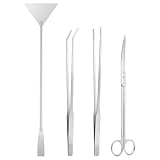
- 4 in 1 Long Aquarium Tools Kits: The aquascape tools kit contains 1 x 10" aquarium scissors, 1 x 10.6" straight long tweezer, 1 x 10.6" curved feeding tongs, and 1 x 12.56" Aquarium substrate spatula. One set of terrarium supplies to help you better manage your aquarium and terrariums. This aquascaping tools are long and slender enough to easily use in any gallon fish tank, good as fish tank accessories. It suits both beginner and experienced people.
- Rust-proof and Stainless Steel Material: The 4pcs of aquarium supplies are made of high-quality stainless steel material, rustproof and corrosion-proof, sturdy, and long-lasting. With the protection of the rustproof coating, every tool has excellent corrosion resistance.
- Multi Functions and Applications: Ohtomber aquascape tools is ideal for all types of grooming, maintaining, and sorting out aquatic plants in water as an aquarium accessories. Aquarium scissors could help you trim the plant, furnish the aquarium landscape with driftwood cornerstones, sand, and aquarium algae scraper could be applied to scrap the algae and smooth out plant stratum substrate. Do use it to maintain a comfortable environment for fish in an aquarium tank now!
- Minimizing interference: Long aquascaping tools can prevent accidental injuries to Aquarium plants and damage to the environment. Long aquarium tweezer can adjust driftwood, and feed little reptiles instead of putting your hands into water. It is very effective in precise operation and avoiding getting your hands wet. Similarly, Long aquarium scissors are suited for small or thin water plants and help trim excess parts. It won't hurt the plant's cross-section.
- Maintenance tips: In order to extend tool life and keep performing well, we recommend that you rinse off the saltwater attached to the tools surface and then wipe up to keep dry.
Freshwater habitats are usually divided into three broad categories:
- Lentic ecosystems: standing water such as lakes, ponds, and reservoirs.
- Lotic ecosystems: flowing water such as streams and rivers.
- Freshwater wetlands: places where soil is saturated or covered by shallow water, either permanently or seasonally.
These categories overlap. A river may pass through a floodplain wetland, while a pond may be connected to groundwater, a stream, or a larger lake. Water, nutrients, sediment, animals, and pollutants can move between them.
Types of freshwater ecosystems
1. Lakes, ponds, and reservoirs
Lakes and ponds are lentic, or standing-water, habitats. They can be natural or artificial. A reservoir is generally a human-made lake created when a dam holds back a river or stream.
There is no universal scientific size limit that always separates a pond from a lake. Depth, water circulation, light penetration, temperature, and local usage may matter more than the name on a map.
Quick wins for a faster PC:
Scan for outdated or missing drivers - takes under a minuteDriver Scan →Clear out junk files and repair common Windows errorsFree Scan →A lake commonly contains several distinct areas:
| Lake zone | Typical conditions | Animals and plants |
|---|---|---|
| Littoral zone | Shallow water near shore; sunlight often reaches the bottom | Rooted plants, snails, insects, amphibians, fish, and waterfowl |
| Limnetic zone | Open, sunlit water away from shore | Phytoplankton, zooplankton, schooling fish, and diving birds |
| Deep-water zones | Little light; often colder and sometimes low in oxygen | Species adapted to darker, colder conditions and bottom sediments |
The shallow littoral zone is especially important. Aquatic vegetation provides hiding places for young fish, breeding areas for amphibians, feeding sites for insects and birds, and shelter for animals attempting to avoid predators.
2. Rivers and streams
Rivers and streams are lotic, or flowing-water, ecosystems. Small headwater channels join tributaries and eventually form larger rivers. Conditions change as water moves downstream.
- Headwaters: Upper reaches are often narrow, cooler, faster-flowing, and relatively well oxygenated.
- Middle reaches: Channels usually become wider, with changing current speeds, sediment loads, and temperatures.
- Lower reaches: Water generally moves more slowly, carries deposited sediment, and connects strongly with floodplains and wetlands.
- Riparian zone: The vegetated land alongside a stream or river helps shade the water, stabilize banks, slow runoff, and provide habitat.
Rivers do not necessarily remain freshwater all the way to the ocean. Near the mouth, freshwater mixes with seawater to form an estuary, which is a transitional coastal ecosystem rather than a purely freshwater habitat.
3. Freshwater wetlands
Wetlands include marshes, swamps, bogs, fens, wet meadows, floodplain wetlands, and vernal pools. They are defined by waterlogged conditions rather than by permanent flooding. Some are wet year-round; others fill only during snowmelt, rainy seasons, or temporary floods.
The length and depth of flooding influence wetland life. Plants must tolerate saturated soil, while animals may use wetlands for breeding, shelter, feeding, or seasonal migration. A temporary pool, for example, can provide a breeding site for amphibians while lacking the fish that would eat their eggs and larvae.
Plants found in freshwater habitats
Freshwater plants are often grouped according to their position in the water:
- Floating plants: Rest on or near the surface and may not be attached to the bottom.
- Submerged plants: Grow below the surface, although some may send flowers or leaves upward.
- Floating-leaved plants: Root in the sediment but produce leaves that float on the water.
- Emergent plants: Grow in shallow water or saturated soil, with stems and leaves extending above the surface.
Common examples
- Cattails and bulrushes: Emergent plants that create cover for fish, insects, birds, and amphibians. Their roots can help hold wet soil and stream banks in place.
- Water lilies: Rooted, floating-leaved plants associated with shallow, slow-moving or still water. Their leaves provide resting and hiding places.
- Pondweeds: Submerged or floating-leaved plants that offer food and cover for aquatic animals.
- Rushes and sedges: Grass-like plants common along shorelines and wetland margins.
- Bladderworts: Aquatic carnivorous plants that use tiny bladder-like traps to capture small organisms.
- Algae and cyanobacteria: Photosynthetic organisms that form the base of many freshwater food webs.
Cyanobacteria are bacteria, not true algae, although they are often called “blue-green algae.” A bloom may be harmless, but some cyanobacteria produce toxins. Even a nontoxic bloom can reduce water clarity, block sunlight, create unpleasant odors, and contribute to oxygen loss when the accumulated biomass decomposes.
Rank #2

- COMPLETE GLASS AQUARIUM KIT*: The kit includes a 55-gallon glass tank with two hinged hoods for easy access, white LED lights, a Tetra Whisper PF60 Power Filter with two Tetra Large Bio-Bag Filter Cartridges, a 200-watt Tetra heater, a thermometer, a fish net, a Tetra AquaSafe water conditioner sample, a TetraCare brochure and an aquarium set-up brochure.
- ENERGY-EFFICIENT LEDS: The hinged hoods house energy-efficient white LEDs that create a natural underwater shimmer effect.
- FILTER SYSTEM INCLUDED: The quiet, powerful 3-in-1 Tetra Whisper PF60 Power Filter performs mechanical, chemical and biological filtration for cleaner water and healthier fish.
- WITH HEATER & THERMOMETER: The included 200-watt heater and thermometer are essential for tropical fishkeeping and help maintain water temperature.
- SIZE: The 55-gallon tank measures approximately 48.5 inches wide by 12.8 inches deep by 20.8 inches high.
Freshwater vegetation does more than decorate a pond. Plants produce food and oxygen, create nursery habitat, slow currents, trap sediment, stabilize shorelines, and take up or retain some nutrients and pollutants. However, dense plant or algae growth can also signal excess nutrients or altered conditions.
Freshwater wildlife
Fish
Fish are among the most familiar freshwater animals. Trout and salmon are associated with cool, oxygen-rich streams, while bass, sunfish, minnows, catfish, and many other species occupy ponds, lakes, rivers, and reservoirs. Different fish use different parts of a habitat: vegetation, open water, gravel beds, submerged logs, deep pools, or fast riffles.
Amphibians
Frogs, toads, salamanders, and newts often rely on freshwater for breeding. Eggs and larvae may develop in ponds, marshes, slow streams, or temporary pools. Many amphibians spend part of their adult lives on land, making nearby forests, meadows, and damp leaf litter just as important as the water itself.
Reptiles
Freshwater reptiles include turtles and aquatic or semiaquatic snakes. In suitable regions, alligators and other crocodilians also use freshwater wetlands and slow-moving waterways. These animals may bask on logs, hunt in shallow water, lay eggs on land, or move between wetland and upland habitats.
Invertebrates
Aquatic invertebrates include insect larvae, snails, freshwater mussels, crayfish, freshwater shrimp, leeches, and worms. They are essential parts of the food web. Mayfly, stonefly, and caddisfly larvae, for example, are eaten by fish and can help indicate stream conditions because many are sensitive to pollution and low oxygen.
Birds and mammals
Ducks, herons, rails, kingfishers, loons, and other water-associated birds feed or nest around freshwater. Beavers, otters, muskrats, bats, and moose are among the mammals connected with freshwater habitats. Many are not permanently aquatic: they use water for food or shelter but depend on surrounding land for dens, nesting, resting, or raising young.
How a freshwater food web works
Most freshwater food webs begin with primary producers—algae, cyanobacteria, and aquatic plants. These organisms use sunlight to create food. Zooplankton and other small consumers feed on them, and aquatic invertebrates and small fish feed on those consumers. Larger fish, birds, reptiles, and mammals occupy higher levels of the food web.
Decomposers break down dead plants and animals, returning nutrients to the water and sediment. This process is necessary, but too much dead organic matter can consume dissolved oxygen as it decomposes. In severe cases, oxygen depletion creates conditions in which fish and other aquatic animals cannot survive.
Freshwater food webs also extend onto land. Falling leaves feed stream organisms, insects emerge from the water and become food for birds and bats, and animals such as otters and beavers alter habitat while moving between water and shore.
Why freshwater ecosystems matter
Freshwater habitats provide benefits to wildlife and people:
- Habitat: They provide feeding, breeding, nursery, nesting, and shelter areas.
- Water supply: Freshwater supports drinking water, irrigation, livestock, industry, hydropower, and recreation.
- Water storage and movement: Lakes, rivers, wetlands, and groundwater help move water through watersheds.
- Flood and erosion control: Wetlands and floodplains can hold excess water and reduce the force of runoff.
- Water-quality support: Vegetation and wetland soils can trap sediment and absorb or retain some nutrients.
For pet owners, a healthy freshwater environment also matters when pets visit ponds, streams, or lakes. Clear-looking water is not automatically safe. Freshwater can contain pathogens, chemical pollutants, excessive nutrients, or toxins from harmful algal blooms. Dogs should not drink from unknown water or swim in water posted with a health warning, and aquarium owners should never assume that untreated outdoor water is safe for fish, reptiles, or amphibians.
Rank #3

- 𝗛𝗼𝗺𝗲 𝗔𝗾𝘂𝗮𝗿𝗶𝘂𝗺 𝗪𝗮𝘁𝗲𝗿 𝗧𝗲𝘀𝘁 𝗞𝗶𝘁 - Ensure the health of your fish with aquarium water testing kit & ammonia test strips for fish tank. This complete freshwater & saltwater tank test kit provides a reliable water tester for ammonia, pH, iron, chlorine, total hardness (GH), carbonate, nitrate, nitrite, total alkalinity, copper, and temperature, allowing you to have a complete understanding of your aquarium water quality. Trusted by fish enthusiasts, it adapts to your needs, making it an essential tool for aquarium care.
- 𝗔𝗰𝗰𝘂𝗿𝗮𝘁𝗲 & 𝗙𝗮𝘀𝘁 𝗧𝗲𝘀𝘁𝗶𝗻𝗴 𝗥𝗲𝘀𝘂𝗹𝘁𝘀 - Our aquarium water test strips deliver reliable results. Each fish tank water testing kit comes with easy-to-read color charts. This fish tank test strips are highly sensitive, detecting low levels of impurities and foreign substances in aquarium water. Our aquarium water quality tester helps prevent any invisible water problems.
- 𝗜𝗻𝘀𝘁𝗮𝗻𝘁 𝗛𝗼𝗺𝗲 𝗧𝗲𝘀𝘁𝗶𝗻𝗴—𝗡𝗼 𝗧𝗿𝗶𝗽𝘀 𝘁𝗼 𝘁𝗵𝗲 𝗦𝘁𝗼𝗿𝗲 - Testing 11 key parameters in your aquarium is easier than ever with just one kit. Just dip the strip in water and use the provided color chart for instant, reliable results. Say goodbye to frequent trips to pet stores because now you have our home water test kit with the ability to monitor your aquarium's water quality in the comfort of your own home.
- 𝗧𝗲𝘀𝘁 𝗦𝗺𝗮𝗿𝘁𝗲𝗿 𝘄𝗶𝘁𝗵 𝗘𝘅𝘁𝗲𝗻𝗱𝗲𝗱 𝗦𝗵𝗲𝗹𝗳 𝗟𝗶𝗳𝗲 𝗦𝘁𝗿𝗶𝗽𝘀 - Our aquarium test kit contains 150 test strips for aquarium fish tank: 50 strips in a bottle and 100 in a separate bags to maintain freshness. Once opened, it's recommended to use the strips within 3 months for maximum accuracy of the fish water testing kit. These water testing strips allow regular water quality checks without using all water test strips at once.
- 𝗩𝗲𝗿𝘀𝗮t𝗶𝗹𝗲 𝗪𝗮𝘁𝗲𝗿 𝗧𝗲𝘀𝘁𝗶𝗻𝗴 𝗞𝗶𝘁 𝗳𝗼𝗿 𝗔𝗹𝗹 𝗔𝗾𝘂𝗮𝘁𝗶𝗰 𝗡𝗲𝗲𝗱𝘀 - Our Aquarium water quality test kit is designed to cater to a wide range of aquariums including saltwater aquariums, freshwater fish tanks, betta fish tank, and fish ponds. Our hard water test kit can be used to test the water quality effectively, which ensures that you can maintain optimal water conditions in different aquarium setups.
Threats to freshwater biomes
Nutrient pollution and eutrophication
Nitrogen and phosphorus from farm runoff, wastewater, stormwater, lawn fertilizer, and other sources can cause excessive algae and cyanobacteria growth. When the bloom dies, decomposition uses oxygen. The resulting low-oxygen conditions can stress or kill fish and other aquatic organisms.
Harmful algal blooms
Not every bloom is toxic. The risk depends on the organism, environmental conditions, toxins produced, and the route of exposure. Because it is difficult to identify a bloom safely by appearance alone, pets should be kept away from suspicious scum, mats, or strongly discolored water. Contact a veterinarian promptly if a pet may have swallowed contaminated water or shows signs of illness after swimming.
Dams and water withdrawals
Dams can change flow speed, water temperature, sediment transport, and fish movement. Removing too much water for cities, farms, or industry can shrink habitat and leave downstream reaches warmer or shallower.
Wetland and shoreline loss
Drainage, filling, roads, construction, and shoreline development reduce or fragment wetlands and riparian zones. Losing vegetation can increase erosion, warm shallow water, and remove nesting and nursery habitat.
Invasive species
Non-native plants and animals may displace native species, change habitat structure, and alter food webs. The important invasive species differ by region, so a plant or animal that is native in one watershed may be invasive elsewhere. Releasing aquarium fish, turtles, plants, or other pets into a pond or stream can create serious ecological problems and is not a responsible alternative to rehoming.
Common misconceptions
| Claim | What is more accurate |
|---|---|
| “All freshwater is drinkable.” | Low salinity does not mean the water is free of pathogens, chemicals, nutrients, or toxins. |
| “All algae are plants.” | Algae are a diverse group of photosynthetic organisms, while cyanobacteria are photosynthetic bacteria. |
| “Every algal bloom is harmful.” | Some blooms are harmless, although blooms can still reduce oxygen, clarity, or water quality. |
| “A pond is always smaller than a lake.” | There is no single official cutoff that reliably separates every pond from every lake. |
| “Wetlands are permanently flooded.” | Seasonal soil saturation or shallow flooding can be enough to create wetland conditions. |
| “Freshwater habitats are isolated.” | Water, organisms, sediment, nutrients, and pollution move among streams, lakes, wetlands, groundwater, and downstream coastal systems. |
FAQ
What are the three main types of freshwater biomes?
The three broad types are lentic ecosystems, such as lakes and ponds; lotic ecosystems, such as rivers and streams; and freshwater wetlands, such as marshes, swamps, bogs, floodplains, and seasonal pools.
The Tool Desk
Outbyte PC Repair FREERepair Windows errors before they cause bigger problemsFix Now →Outbyte Driver Updater FREEScan for outdated or missing drivers - takes under a minuteDriver Scan →What plants live in freshwater habitats?
Freshwater plants include floating plants, submerged plants, floating-leaved plants, and emergent plants. Examples include cattails, bulrushes, water lilies, pondweeds, sedges, rushes, bladderworts, algae, and cyanobacteria.
Which animals live in freshwater biomes?
Freshwater wildlife includes fish, frogs, toads, salamanders, turtles, snakes, aquatic invertebrates, ducks, herons, kingfishers, beavers, otters, muskrats, and many terrestrial animals that use nearby water and wetlands.
Is freshwater safe for dogs and other pets to drink?
No. Freshwater describes salinity, not cleanliness. Ponds, lakes, and streams can contain pathogens, pollutants, or toxins from harmful algal blooms. Prevent pets from drinking unknown water and follow local health warnings.
The Bottom Line
The freshwater biome is a connected collection of lakes, ponds, rivers, streams, wetlands, and neighboring habitats—not a single uniform environment. Its plants provide food, oxygen, cover, and shoreline protection, while its wildlife ranges from microscopic plankton and insect larvae to fish, amphibians, birds, and mammals. Protecting water quality, wetlands, riparian vegetation, and natural flows benefits both wildlife and the pets and people who share these watersheds.
Recommended Free Tools
Quick Recap
Product prices and availability are accurate as of the date/time indicated and are subject to change. Any price and availability information displayed on Amazon at the time of purchase will apply.




