What’s actually slowing this PC down?
Pick the symptom - the matching free tool is one click away.
A cat that hides, sleeps more, stops playing, or eats less may look depressed. But those changes are not enough to diagnose depression—and in cats, they can be early signs of pain or illness.
Arrange a veterinary examination for any new, persistent, or worsening behavior change. If your cat stops eating, contact a veterinarian promptly rather than waiting to see whether it is simply sad.
Can cats become depressed?
Cats can show behavior that resembles depression: withdrawal, low activity, reduced interest in play, hiding, appetite changes, and reduced grooming. However, “depressed” describes what you are seeing; it does not explain why it is happening.
A veterinary examination should come first. Cats commonly hide pain and illness, and a quiet cat may be sick even when it is not vomiting, crying, or visibly limping. The Merck Veterinary Manual recommends ruling out medical causes before diagnosing a behavior problem.
#1 Best Overall

- 【The First Real Random Trajectory Automatic Cat Laser Toy】The built-in dual motor moves the laser point trajectory randomly, stimulating your pet's hunting instincts and keeping them engaged.For a better play experience, it is recommended to place the toy on a table at a height of 8-35 inches. Avoid positioning it near corners.
- 【Motion-Activated】When the smart sensor detects your pet moving, the YVE LIFE cat laser toy is automatically activated and works for 15 minutes before turning off. The sensor triggers once every 2 hours to conserve battery life (normal design).with a working distance of 0-13.1 ft. The pet must be within 0–4 meters of the device to activate the sensor.
- 【3 Speed Modes Available】The toy has 3 speed modes (fast/slow/mixed) to meet different exercise needs of cats. This interactive laser cat toy provides the best experience for indoor cats.
- 【Rechargeable Large Battery】The included USB rechargeable 1200 mAh battery is fully charged in 2.5 hours and provides up to 2 days of use.The product supports plug-in use, eliminating your worries. Use a 5V/1A standard USB charger only. Fast charging may damage the battery.Ensure the device is turned off before charging for normal functionality. If charging fails, try a different USB cable or charging adapter.
- 【Angle adjustable】By freely adjusting the angle of the laser head, you can make the toy shoot random laser dots on the ground or walls to satisfy your pet's preferences and make their playtime more exciting. The laser head can be manually adjusted within a 50° angle range vertically and automatically oscillates within a 60° angle range horizontally. For indoor use only. Avoid direct sunlight on the sensor area to prevent interference.Adjust the laser head direction before use to ensure proper angle alignment. If the laser dot doesn’t move, check the mode settings or battery level.
Stress, a major household change, or the loss of a person or animal companion can also affect a cat’s appetite, sleep, activity, and social behavior. These possibilities are real, but they should not be used to explain away physical symptoms.
Signs that something is wrong
The most useful comparison is with your cat’s normal behavior. Look for a new change that persists, returns, or becomes more pronounced.
- Hiding more often or avoiding people and other animals
- Less interest in play, climbing, exploring, scratching, or familiar routines
- Sleeping or resting substantially more than usual
- Becoming unusually clingy, irritable, fearful, or aggressive
- New, louder, or unusual vocalization
- Reduced grooming, a dirty or matted coat, or excessive grooming that creates bald or irritated skin
- Eating or drinking less—or noticeably more—than usual
- Weight loss
- Urinating or defecating outside the litter box
- Spending more time in the litter box, straining, or producing less urine
- Stiffness, reluctance to jump, difficulty using stairs, or trouble entering the litter box
- Disorientation, staring, wandering, nighttime vocalizing, or a changed sleep-wake pattern, particularly in an older cat
These signs overlap considerably. Hiding and inactivity may indicate pain. Excessive grooming may result from skin disease, discomfort, or stress. Litter-box accidents may be caused by urinary disease, anxiety, conflict with another cat, or an unpleasant box or litter.
Why a cat may seem depressed
1. Pain or medical illness
Possible medical causes include:
- Dental pain
- Arthritis and other musculoskeletal pain
- Kidney disease, diabetes, hyperthyroidism, or liver disease
- Gastrointestinal disease or pancreatitis
- Urinary-tract disease
- Infection or fever
- Cancer
- Neurologic disease
- Vision or hearing loss
- Adverse effects from medication
A cat may respond to pain by withdrawing, sleeping more, grooming less, or refusing food. Older cats may move less because of arthritis rather than a loss of interest in life. The Cornell Feline Health Center notes that reduced activity in older cats deserves assessment, not dismissal as normal aging.
Rank #2

- Rotating Trajectory Automatic Cat Toys: Red dot moves in a variable rotating trajectory, which stimulates pets' hunting instinct and keeps them exercise; Interactive cat toy features 5 adjustable different patterns, like smile, mouse, star, butterfly, red dot, attract cats' interest.
- Motion-Activated: Built-in motion sensor, cat toy firstly run 10 mins, then go to 2h sleep mode to let cat rest and stay strong; Within 2h sleep mode, cat toy will rest. After ending 2h sleep, cat toy will run again when it detects a moving pet/person; If in 2 hours sleep mode, our cat wants to continue to keep engaged and entertained, manually press the switch to activate toy again.
- 4 Speed Modes Adjustable: cat toys for indoor cats offer 4 speed modes, slow mode(red indicator), Medium speed mode(green light), quick mode(white light), mixed model(blue light), that can cater to a cats of a variety of energy levels or different moods.
- Adjustable Light Angle: By freely adjusting light angle, you can make the cat toy freely shoot red dots on the ground or walls to satisfy your pet's preferences; For a better play experience, it is recommended to place the toy on a table at a height of 8-35 inches.
- USB Rechargeable: The kitten toy free your mind from changing battery, simply charges it via the type-C cable (power adaptor not included), fully charged in 2.5 hours, and lasts for approximately 5 days of use. If battery is low, indicator light flashes three times to remind us.
2. Stress or an environmental change
Common triggers include:
- Moving, remodeling, or rearranging important areas
- A new baby, person, or pet
- A missing family member or animal companion
- Boarding, hospitalization, or a stressful veterinary visit
- Changes to feeding times or the household schedule
- Loud noises or a frightening event
- Competition for food, water, litter boxes, resting places, or access to rooms
- Too few safe hiding places, elevated perches, scratching areas, or play opportunities
Long-term stress can disrupt eating, sleeping, toileting, grooming, and play. A stressed cat may hide, avoid another pet, overgroom, become aggressive, or stop using a particular litter box.
3. Grief or loss
After the death or disappearance of a companion, some cats search, vocalize, sleep differently, withdraw, or eat less. These changes may be temporary, but they still warrant attention if severe or not improving. Cornell notes that some cats lose their appetite after a companion dies, so monitor food intake and do not assume a physical symptom is grief.
4. Cognitive dysfunction in older cats
In cats approximately 10 years and older, cognitive dysfunction may cause:
- Disorientation or staring
- Wandering
- Reduced interest in play
- Excessive sleeping
- Nighttime vocalization
- House-soiling
- Changes in appetite, drinking, or the sleep-wake cycle
Similar signs can result from pain, sensory loss, kidney or endocrine disease, or neurologic disease. A veterinarian must distinguish these causes before cognitive dysfunction is assumed.
Free tools Windows power users keep installed
One-click scans. No signup required.
Rank #3

- 【The First Real Random Trajectory Automatic Cat Laser Toy】The built-in dual motor moves the laser point trajectory randomly, stimulating your pet's hunting instincts and keeping them engaged.For a better play experience, it is recommended to place the toy on a table at a height of 8-35 inches
- 【Motion-Activated】When the smart sensor detects your pet moving, the YVE LIFE cat laser toy is automatically activated and works for 15 minutes before turning off. The sensor can only be activated once every 2 hours, with a working distance of 0-13.1 ft
- 【3 Speed Modes Available】The toy has 3 speed modes (fast/slow/mixed) to meet different exercise needs of cats. This interactive laser cat toy provides the best experience for indoor cats
- 【Rechargeable Large Battery】The included USB rechargeable 1200 mAh battery is fully charged in 2.5 hours and provides up to 2 days of use.The product supports plug-in use, eliminating your worries
- 【Angle adjustable】By freely adjusting the angle of the laser head, you can make the toy shoot random laser dots on the ground or walls to satisfy your pet's preferences and make their playtime more exciting. The laser head can be manually adjusted within a 50° angle range vertically and automatically oscillates within a 60° angle range horizontally
When to call the veterinarian
Book an appointment for any unexplained behavior change, especially when it occurs with weight loss, appetite changes, vomiting, diarrhea, pain, altered urination, excessive grooming, stiffness, or abnormal vocalization.
Do not wait several days if your cat is not eating. Cornell reports that sustained anorexia can seriously affect an adult cat’s health in as little as 24 hours. VCA advises immediate veterinary attention if a cat has not eaten properly for 24 hours, and its urgent-care guidance recommends prompt evaluation after more than 12 hours without eating. A diabetic cat that refuses even one meal needs prompt veterinary advice.
Seek emergency care for:
- Open-mouth, labored, or difficult breathing
- Collapse, severe weakness, unresponsiveness, or seizures
- Pale, blue, or purple gums
- Repeated vomiting combined with weakness
- Suspected poisoning or foreign-body ingestion
- Straining to urinate with little or no urine, especially in a male cat
- Sudden inability to walk, paralysis, severe pain, or major trauma
- Rapid deterioration
A urinary blockage is life-threatening and can cause acute kidney failure and death without treatment.
How a veterinarian finds the cause
Expect the appointment to cover both health and behavior. Your veterinarian may:
Windows Errors? Fix Them Before They Spread
Repair common Windows errors and clear accumulated junk for a smoother, more stable PC - no reinstall needed.Free scan · no reinstallCrashes, No Sound, or Screen Glitches?
Random freezes, missing sound and display glitches usually trace back to one bad driver. Find and replace yours safely.Free scan · under a minuteRank #4
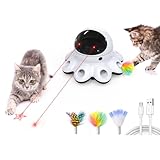
- 【2-in-1 Cat Laser Toys】Unique dot and star double laser patterns, combined with automatic 360°random laser trajectory of Fast, Medium and Slow lasers, unpredictable movement stimulates cats to chase and play. Feathers shoot out randomly from 8 holes, encouraging your cat to pounce and flap. Perfectly match various scenarios, no need to worry about indoor cat hit anything that might fall or break.
- 【Safe & Healthy】Pet safety is ORSDA top priority. The laser pointer cat toy use Safety Class I Laser Certified, which is the top level of certification for laser. You don't have to worry about this toy hurting your pets or your eyes. The main body of the cat toy is made of safe and healthy ABS material, giving it a smooth surface and no sharp edges. It ensures toy's safety and durability.
- 【Smart Indoor Cat Toy】 ORSDA intelligent Interactive kitten toy features voice and touch control which can automatically run for 10 minutes every 3 hours, during which time the cat laser toy will also automatically activate when the toy detects your kitten or pet's touch or voice, allowing indoor cat to play alone. Not only that, the whack a mole cat toy also has a night mode, the toy will automatically turn off at night to make sure you families have a good sleeping.
- 【Long Standby Power Supplies】 2-In-1 cat laser toy has a large-capacity power. Usually, it can be on standby for 3-4 days. The hide and seek cat laser toy is also equipped with Type-C fast charging, which can fully charge the power in only 2 hours. Rechargeable power protect environment. In order for the cat to better focus on the game, the whack-a-mole and laser toys can be run alternately, but not at the same time.
- 🐱【Friendly Reminder】: Be sure to check the included manual first. If you encounter any quality issues, simply email our support team for prompt, hassle-free assistance. Your satisfaction is our priority, and we're here to make things right.
- Take a detailed history. Note when the change began and whether food intake, drinking, urination, stool, grooming, activity, sleep, and medication have changed.
- Perform a physical examination. This may include checking weight, hydration, temperature, teeth and gums, painful areas, mobility, and neurologic function.
- Recommend targeted tests. Depending on the findings, these may include bloodwork, urinalysis, imaging, or a dental evaluation.
- Review the environment. If illness is not found, the veterinarian will ask about other animals, resources, routines, recent changes, and situations that trigger the behavior.
Before the visit, record short videos of unusual behavior if safe to do so. Keep a daily log of food and water intake, litter-box output, activity, sleep, vomiting or diarrhea, and medication. These details can reveal patterns that are easy to miss during a brief appointment.
Independent reader supportYour contribution helps us test, update, and keep practical guides available for everyone.How cat depression-like behavior is treated
Treat an identified illness first
If the examination finds dental disease, pain, nausea, dehydration, infection, urinary disease, or another condition, treatment focuses on that cause. Appetite loss is a clinical sign, not a diagnosis. Appetite stimulants alone cannot replace finding out why the cat stopped eating.
Make the environment safer and more predictable
If stress contributes to the problem, useful changes may include:
- Keep feeding, play, and quiet periods as predictable as possible.
- Provide more than one safe hiding place and add elevated resting areas where appropriate.
- Separate food, water, litter boxes, sleeping areas, and scratching areas so the cat does not have to pass a rival to reach them.
- Keep litter boxes clean and easy to reach. In multi-cat homes, provide enough boxes in separate, low-conflict locations.
- Offer daily play that resembles hunting, such as chasing a wand toy, and provide scratching, climbing, and exploration opportunities.
- Reduce exposure to the trigger when possible.
- Introduce new people, pets, rooms, and schedule changes gradually.
- Allow the cat to hide. Do not drag it out, punish it, yell, or force handling.
Small changes are often more useful than overwhelming a withdrawn cat with constant attention. Sit quietly nearby, offer familiar food or a toy if the veterinarian agrees, and let the cat choose whether to approach.
Do these 3 things before closing this tab:
1Repair Windows errors before they cause bigger problems2Fix the driver behind crashes, sound loss and screen glitches3Clear out junk files and repair common Windows errorsBest Value

- 4-in-1 Interactive Automatic Cat Toy :All-in-one indoor cat toy featuring fluttering butterfly, moving feather, track balls, and electronic whack-a-mole with built-in laser. Designed to keep indoor cats active, engaged.
- Self Play Toy for Indoor Cats:Automatic and unpredictable movement encourage chasing, pouncing, and batting. Ideal for kittens and adult cats home alone, helping reduce boredom .Feathers emerge randomly from six holes, sparking their hunting instincts.
- Easy to store :MOHAYA cat toys have four ways to play, which is equivalent to four different toys for cats. don't worry about which toys pick out for cat, and it's easier to store , so that your home is clean and tidy, and not a mess.
- Electronic Cat Toy with Built-in Laser Fun: Integrated low-power laser adds extra excitement and interactive play. Multiple movement patterns keep cats entertained longer and prevent loss of interest.butterflies about twice the size of market and have bells.
- USB Rechargeable :This electronic cat toy features a large-capacity rechargeable battery that charges in just 2 hours and provides long-lasting playtime for your cat. No need to keep buying batteries, and no exposed power cords during play—safer and more convenient for everyday use.
Medication and behavior support
A veterinarian may prescribe behavior medication for selected cases of anxiety, fear, urine marking, compulsive behavior, aggression, or cognitive dysfunction. These drugs are not a universal treatment for “cat depression.” They may take time to work, can cause adverse effects, and are most useful alongside environmental and behavior changes. Some medications are extra-label, meaning they were developed or approved for another use or species.
Never give a human antidepressant, painkiller, sedative, or supplement unless your veterinarian specifically directs you to do so. Pheromone products and supplements may be considered as part of an individualized plan, but no diffuser or supplement is a guaranteed cure and none replaces an examination.
What not to do
| Claim or response | Why it is a problem |
|---|---|
| “My cat is sad, so it does not need a vet.” | Pain and illness can look exactly like withdrawal or low mood. |
| “The cat is being spiteful.” | House-soiling, aggression, hiding, and appetite changes may reflect fear, stress, resource conflict, pain, or disease. |
| “A cat can safely go several days without food.” | Prolonged food refusal can cause serious complications, including hepatic lipidosis, particularly in overweight cats. |
| Force-feeding without veterinary guidance | It can increase food aversion and may cause aspiration. Ask the veterinarian about safe nutritional support. |
| Giving human medication | Many human drugs are toxic to cats, even in small amounts. |
| Relying on a diffuser or supplement alone | These products do not diagnose or treat pain, infection, urinary disease, or other underlying problems. |
A practical first-day checklist
- Check whether your cat has eaten, drunk, urinated, and defecated normally.
- Look for breathing difficulty, collapse, severe weakness, repeated vomiting, or urinary straining.
- Call a veterinarian about a new behavior change. If your cat has not eaten for more than 12 hours, seek prompt evaluation; do not wait 24 hours if it is diabetic or appears unwell.
- Keep the cat in a quiet area with easy access to water, food, a clean litter box, and a hiding place.
- Do not punish, force interaction, force-feed, or give unapproved medication.
- Write down the timeline and take videos or photos that may help the veterinarian.
FAQ
How can I tell whether my cat is depressed or sick?
You cannot reliably distinguish the two from behavior alone. Hiding, sleeping more, reduced grooming, appetite changes, and withdrawal can all result from pain or illness. A veterinarian should rule out medical causes before stress or grief is blamed.
How long can a cat go without eating?
Do not intentionally wait. Cornell reports that sustained anorexia can seriously affect an adult cat in as little as 24 hours, and VCA advises veterinary attention if a cat has not eaten properly for 24 hours, with urgent-care guidance recommending prompt evaluation after more than 12 hours. Contact a veterinarian sooner if your cat is diabetic, overweight, vomiting, weak, or eating very little.
The Tool Desk
Outbyte Driver Updater FREEScan for outdated or missing drivers - takes under a minuteDriver Scan →Outbyte PC Repair FREERepair Windows errors before they cause bigger problemsFix Now →What can I do at home to help a stressed cat?
Keep routines predictable, provide quiet hiding places and elevated resting areas, separate resources from other pets, keep litter boxes clean, and offer gentle daily play. Let the cat approach you and avoid punishment or forced handling. These steps should accompany veterinary advice when behavior has changed.
Should I give my cat an antidepressant?
Only if a veterinarian prescribes it for a specific, assessed problem. Human medication can be toxic, and behavior drugs may have side effects and take time to work. Medication is generally part of a broader plan that addresses illness, stressors, and the home environment.
The Bottom Line
A cat may look depressed after a loss or stressful change, but the same behavior can signal pain, illness, urinary trouble, or cognitive decline. Treat appetite loss and sudden behavior changes seriously: check for emergency signs, contact your veterinarian promptly if your cat stops eating, and make the home quiet, predictable, and easy to navigate while the cause is investigated.
Quick Recap
Product prices and availability are accurate as of the date/time indicated and are subject to change. Any price and availability information displayed on Amazon at the time of purchase will apply.




