Recommended Free Tools
The first six weeks take a kitten from complete dependence to confident exploration. Eyes open, ears unfold, teeth appear, walking becomes play, and milk gradually gives way to kitten food. The timetable is useful for estimating what to expect, but it is not a set of deadlines: litter size, nutrition, health, and whether the mother is present can all affect development.
Weight gain, nursing or eating, alertness, hydration, and general condition are more important than one isolated milestone. A kitten that is not gaining weight, is weak, persistently crying, vomiting, having diarrhea, or struggling to breathe needs prompt veterinary attention.
Kitten development at a glance
| Age | Typical changes | Care priorities |
|---|---|---|
| Week 1 | Eyes closed, ears folded, very limited movement | Warmth, frequent feeding, and elimination support |
| Week 2 | Eyes begin opening; ears start to unfold; crawling improves | Continue milk and careful daily monitoring |
| Week 3 | Walking becomes steadier; baby teeth begin emerging | Introduce a shallow litter box and begin teaching lapping |
| Week 4 | Exploration and play increase; social learning accelerates | Offer kitten-food gruel while continuing milk |
| Week 5 | Running, pouncing, wrestling, and stalking become vigorous | Build food intake and teach appropriate play |
| Week 6 | Confident walking, grooming, hiding, and coordinated play | Provide food, water, litter, positive handling, and safe socialization |
These age ranges describe common patterns, not guarantees. A kitten born early, one from a large litter, or one recovering from illness may develop more slowly. See the Merck Veterinary Manual guidance on neonatal kittens.
Week 1: A completely dependent newborn
Newborn kittens arrive with closed eyes, folded ears, poor mobility, and no reliable ability to regulate body temperature. They depend on their mother for warmth, milk, and stimulation to urinate and defecate. Most of their time is spent nursing and sleeping.
Quick wins for a faster PC:
Repair Windows errors before they cause bigger problemsFix Now →Fix the driver behind crashes, sound loss and screen glitchesFind Drivers →#1 Best Overall
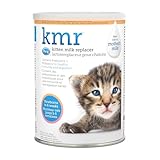
- KITTEN MILK REPLACEMENT - When mom can’t nourish them, KMR can. Scientifically the next best to mother’s milk, KMR provides all the nutritional elements necessary for kittens, newborn to six weeks old.
- COMPLETE, BALANCED NUTRITION - Our formula is closest to mother's milk in protein, fat, and carbohydrates. We’ve also added vitamins, minerals, and trace nutrients; plus prebiotics and probiotics for healthy immunity and digestion.
- EASY TO DIGEST - KMR is highly palatable and formulated with a special fiber blend for easy digestion and improved gut health.
- EASY-TO-MIX FORMULA - Whisk or shake 1 part powdered KMR into 2 parts warm water. Do not mix more KMR than can be consumed in 24 hours. Do not use a blender.
- ABOUT US - PetAg is a trusted leader in pet wellness, with science-backed formulas in our milk replacers, health supplements, and grooming products helping pet owners to proactively enhance the lives of their pets, for more healthy years together.
The ears usually begin unfolding during the first week. Eyes commonly start opening at approximately 7–10 days, although some kittens take longer. Newly opened eyes do not mean normal vision has arrived; sight remains limited at first.
Very young kittens are vulnerable to chilling, dehydration, low blood sugar, and infection. Kittens younger than about 4 weeks cannot reliably maintain their body temperature. For an orphan, the environment must be warm enough to maintain a body temperature of at least 97°F (36°C), but a heating pad can burn a kitten that cannot move away from it. Ask a veterinarian or experienced neonatal rescue for a safe setup.
Feeding a week-old orphan
An orphan needs commercial kitten milk replacer, not cow’s milk. Feed according to veterinary or rescue instructions and the product label. Never feed a chilled kitten until it has been warmed, and do not force milk or feed too quickly. Those mistakes can lead to regurgitation, bloating, diarrhea, or aspiration. See VCA’s guidance on feeding orphaned kittens.
A mother-raised kitten should nurse frequently and gain weight each day. Keep a written record of weight, feeding, urination, and defecation for an orphan or any kitten that seems unwell.
Free tools Windows power users keep installed
One-click scans. No signup required.
Week 2: Eyes open and movement starts
By roughly 10–14 days, most kittens have eyes that are open or opening more regularly. Their ears are becoming erect, and they begin crawling and attempting very unsteady steps. They still sleep for much of the day and remain dependent on milk.
The eyes are normally blue at this stage. That does not necessarily indicate the adult eye color; permanent color develops later. Avoid treating normal blue kitten eyes as a problem unless there are other signs of illness, such as discharge, swelling, cloudiness, or obvious pain.
Orphaned kittens still need help eliminating. A mother normally stimulates urination and defecation by licking the genital and anal areas. A caregiver must follow a veterinarian’s or shelter’s instructions for providing this stimulation. Do not assume that an orphan can use a litter box yet.
Rank #2

- KITTEN MILK REPLACEMENT - When mom can’t nourish them, KMR can. Scientifically the next best to mother’s milk, KMR provides all the nutritional elements necessary for kittens; newborn to six weeks old.
- COMPLETE, BALANCED NUTRITION - Our formula is closest to mother's milk in protein, fat and carbohydrates. We’ve also added vitamins, minerals and trace nutrients; plus prebiotics and probiotics for healthy immunity and digestion.
- EASY TO DIGEST - KMR is highly palatable and formulated with a special fiber blend for easy digestion and Improved gut health.
- EASY-TO-MIX FORMULA - Whisk or Shake 1 part powdered KMR into 2 parts warm water. Do not mix more KMR than can be consumed in 24 hours. Do not use a blender.
- ABOUT US - PetAg is a trusted leader in pet wellness, with science-backed formulas in our milk replacers, health supplements, and grooming products helping pet owners to proactively enhance the lives of their pets, for more healthy years together.
Week 3: Walking, teeth, and early independence
During the third week, kittens become noticeably more mobile. Their steps grow steadier, they interact more with littermates, and short bursts of play may begin. The first teeth also start to emerge.
What’s actually slowing this PC down?
Pick the symptom - the matching free tool is one click away.
Many kittens begin eliminating without stimulation at about 3 weeks. Once they start leaving the nest, usually around 3–4 weeks, offer a shallow litter box that they can enter and exit easily. Use a safe, simple setup and expect accidents while they learn.
Teeth are a sign that learning to eat can begin, not a signal to stop milk immediately. An orphan may learn to lap milk replacer from a shallow dish at around 3 weeks, but it still needs milk replacer during the transition. Weaning should be gradual.
Week 4: Play and social learning accelerate
At approximately 4 weeks, kittens are generally sturdier on their feet. They venture beyond the nest, investigate toys and people, and play with their littermates. Coordination and vision continue improving, so the area they can explore should be secure and free from hazards.
Starting kitten food
Offer a shallow dish of complete kitten food mixed with kitten milk replacer to make a soft gruel. Continue nursing or bottle-feeding as the kitten learns. Weaning is a process, not an abrupt switch from milk to solids.
Do these 3 things before closing this tab:
1Fix the driver behind crashes, sound loss and screen glitches2Repair Windows errors before they cause bigger problems3Scan for outdated or missing drivers - takes under a minuteThe sensitive socialization period is already underway. It lasts approximately from 2–7 weeks, making this an important time for calm, positive experiences. Briefly expose kittens to gentle handling, different safe surfaces, ordinary household sounds, grooming, and people. Keep each session easy enough that the kitten remains relaxed. International Cat Care’s kitten booklet offers further guidance.
If a kitten is frightened, reduce the intensity. Do not hold it in place or force a stranger, loud sound, or unfamiliar object on it. Pair new experiences with food, play, warmth, or another positive reward.
Rank #3
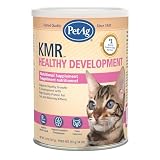
- NUTRITIONAL SUPPLEMENT - KMR Healthy Development supports healthy growth and development with high-quality protein for cats weaning to 6 years.
- SUPPORTS COGNITIVE DEVELOPMENT – With DHA (Omega 3 fatty acids) and Vitamin E, our formula supports visual & cognitive development.
- CONTAINS OMEGA 6 FATTY ACIDS - Our powder contains Omega 6 fatty acids to support a healthy skin and coat.
- GREAT TASTE - KMR Healthy Development is formulated with a great taste cats love. Supports transition to solid foods for weaning kittens.
- ABOUT US - PetAg is a trusted leader in pet wellness, with science-backed formulas in our milk replacers, health supplements, and grooming products helping pet owners to proactively enhance the lives of their pets, for more healthy years together.
Week 5: Vigorous play and active weaning
Five-week-old kittens are often energetic and curious. Running, pouncing, stalking, climbing, and wrestling with littermates become regular activities. This play develops balance and coordination, while interactions with littermates help kittens learn bite and claw control.
Weaning normally begins around 4 weeks and is often completed between 8 and 10 weeks. By 5–6 weeks, a kitten should generally be eating kitten food increasingly consistently, but continued nursing is still normal. Provide complete kitten food and fresh water while allowing the transition to continue at the kitten’s pace.
Never push a kitten’s face into food or liquid. Inhaling food can cause aspiration pneumonia. Let the kitten investigate the dish and learn to lap on its own.
Teach gentle play now
Use wand toys, soft toys, and other objects for chasing and biting. Avoid encouraging hand-wrestling or allowing a kitten to treat fingers as prey. A tiny kitten’s bite may seem harmless, but rewarding that behavior can create a larger problem as the cat grows.
Continue brief, positive handling. Gently touch the paws, ears, mouth, and coat so that nail care, grooming, oral checks, and veterinary examination become familiar rather than alarming.
Week 6: Coordinated exploration and grooming
By 6 weeks, kittens generally walk confidently and explore actively. They hide, stalk, pounce, wrestle, and play with much better balance and eye–paw coordination. They are also learning to groom themselves and may groom their littermates.
The Tool Desk
Outbyte Driver Updater FREEFix the driver behind crashes, sound loss and screen glitchesFind Drivers →Outbyte PC Repair FREEClear out junk files and repair common Windows errorsFree Scan →Provide constant access to kitten food, fresh water, and a shallow litter box. Some kittens still nurse at this age, and some may need supplemental milk during weaning. A 6-week-old kitten is not automatically fully weaned.
Rank #4

- KITTEN MILK REPLACEMENT - When mom can’t nourish them, KMR Goat’s Milk can. Scientifically the next best to mother’s milk, KMR Goat’s Milk provides all the nutritional elements necessary for newborn kittens to 1 year old.
- COMPLETE, BALANCED NUTRITION - Our formula is closest to mother's milk in protein, fat, and carbohydrates. We’ve also added vitamins, minerals, and trace nutrients.
- EASY TO DIGEST - KMR Goat’s Milk is highly palatable and formulated with whole goat’s milk and a special fiber blend for easy digestion and improved gut health. This formula is complete and balanced closest to mother’s milk in protein, fat, and carbohydrates.
- EASY-TO-MIX FORMULA - Shake gently before use. Warm KMR to room or body temperature before serving. Portable, Tetra Pak container is resealable. Once opened, container must be refrigerated and discarded after 72 hours.
- ABOUT US - PetAg offers solutions to enrich the lives of animals & their caregivers. From nutritional supplements to grooming products, all our products are science-backed, formulated with high-quality ingredients, and supported by quality control.
Continue teaching that hands are for gentle contact, not biting. Redirect pouncing to a toy and stop play briefly if claws or teeth become too rough.
Socialization at 6 weeks
Six weeks remains within the sensitive socialization period. Keep introducing new people, safe household experiences, carriers, grooming, and veterinary-style handling through short, positive sessions. A carrier can be left open with bedding and treats so it becomes an ordinary place rather than something that only appears before a stressful trip.
Keep kittens away from sick animals and use sensible hygiene, especially when caring for multiple litters or animals with unknown health histories.
Feeding and weaning through the first six weeks
- Mother’s milk normally supplies complete nutrition for approximately the first 4 weeks.
- If the mother is absent, ill, or unable to feed, use commercial kitten milk replacer under veterinary or rescue guidance.
- Weaning commonly starts around 4 weeks and is usually complete between 8 and 10 weeks, although individuals vary.
- At 5–6 weeks, kittens should generally be eating kitten food consistently, even if they still nurse.
- Track weight regularly. Failure to gain, weight loss, repeated vomiting, persistent diarrhea, weakness, poor nursing, or unusual lethargy are warning signs.
Do not substitute cow’s milk for kitten milk replacer. It is not a complete diet for an orphan and may cause gastrointestinal upset. The ASPCA’s cat nutrition guidance explains appropriate feeding during weaning.
Independent reader supportYour contribution helps us test, update, and keep practical guides available for everyone.Veterinary care during the first six weeks
Arrange a veterinary examination promptly for an orphan, a kitten that is not gaining weight, or any kitten with breathing difficulty, dehydration, diarrhea, vomiting, injury, persistent crying, or marked lethargy. Neonatal kittens can deteriorate quickly.
Vaccination schedules depend on the vaccine product, the kitten’s health, maternal antibodies, and exposure risk. Current AAHA/AAFP guidance allows some FVRCP combination vaccines to begin no earlier than 6 weeks, with repeat doses every 3–4 weeks through approximately 16–20 weeks. Other products begin at 8 weeks. The veterinarian should select the product and schedule rather than relying on a single universal age. See the AAHA/AAFP feline vaccination guidelines.
Parasite treatment must also be matched to the kitten’s age and weight. Never apply a dog flea product or an unapproved pesticide to a kitten. Ask the veterinarian which treatment is safe.
Best Value

- KITTEN MILK REPLACEMENT - When mom can’t nourish them, KMR can. Scientifically the next best to mother’s milk, KMR provides all the nutritional elements necessary for newborn kittens to 1 year old.
- COMPLETE, BALANCED NUTRITION - Our formula is closest to mother's milk in protein, fat, and carbohydrates. We’ve also added vitamins, minerals, and trace nutrients for healthy immunity and digestion.
- EASY TO DIGEST - KMR is highly palatable and formulated with a special fiber blend for easy digestion and improved gut health.
- EASY-TO-USE FORMULA - Shake gently before use. Warm KMR to room or body temperature before serving. Portable, Tetra Pak container is resealable. Once opened, container must be refrigerated and discarded after 72 hours.
- ABOUT US - PetAg offers solutions to enrich the lives of animals & their caregivers. From nutritional supplements to grooming products, all our products are science-backed, formulated with high-quality ingredients, and supported by quality control.
When should a kitten leave its mother?
Being able to eat solid food does not mean a kitten has finished developing socially. Kittens continue learning from their mother and littermates after they begin weaning, including how to moderate play and respond to social cues. The sensitive period continues through roughly 7 weeks, and reputable guidance commonly places transition to a new home around 8–14 weeks, depending on the kitten and circumstances.
Common misconceptions about six-week kitten development
| Claim | What is more accurate |
|---|---|
| “Every kitten is fully weaned at 6 weeks.” | Weaning commonly finishes between 8 and 10 weeks, and nursing at 6 weeks can be normal. |
| “Eyes always open exactly at 7 days.” | Eye opening commonly occurs around 7–10 days, with normal variation. |
| “Blue eyes will stay blue.” | Young kittens commonly have blue eyes; adult color develops later. |
| “Solid food means the kitten should leave its mother.” | Social learning continues after solid food begins. |
| “Every kitten needs its first vaccine at exactly 6 weeks.” | Starting ages vary by product and veterinary assessment, and repeat doses are needed. |
| “Cow’s milk is a suitable replacement.” | Orphaned kittens need commercial kitten milk replacer, not cow’s milk. |
FAQ
When do kittens open their eyes?
Eyes commonly begin opening at approximately 7–10 days and are generally open or opening more often by 10–14 days. Timing varies, and vision is still poor immediately after the eyes open.
Can a 6-week-old kitten be fully weaned?
It can happen, but it is not a requirement or a reliable expectation. Weaning commonly begins around 4 weeks and is usually complete between 8 and 10 weeks. Many healthy 6-week-old kittens still nurse while eating kitten food.
When should I introduce a litter box?
Introduce a shallow, easy-to-enter litter box when kittens begin leaving the nest, usually around 3–4 weeks. They may need time and supervision before using it consistently.
What signs mean a young kitten needs veterinary care?
Seek prompt veterinary advice for failure to gain weight, weight loss, poor nursing or eating, weakness, unusual lethargy, persistent crying, repeated vomiting, diarrhea, dehydration, breathing difficulty, or injury. Very young kittens can become seriously ill quickly.
The Bottom Line
The first six weeks are a gradual progression from warmth, milk, and total dependence to walking, play, grooming, food, and social exploration. Use the milestones as a guide rather than a deadline. Weigh young kittens regularly, make weaning gradual, provide positive social experiences, and involve a veterinarian promptly when a kitten’s weight, appetite, breathing, stool, or energy level is abnormal.
Quick Recap
Product prices and availability are accurate as of the date/time indicated and are subject to change. Any price and availability information displayed on Amazon at the time of purchase will apply.




