Antibiotics treat certain bacterial infections in dogs; they do not treat viruses or every cause of coughing, diarrhea, itching, or wounds. A veterinarian chooses the drug and regimen based on the suspected infection, the dog’s health, and—when needed—culture and susceptibility results. Give antibiotics only as directed for that dog, and contact the veterinarian about missed or vomited doses, side effects, or worsening symptoms.
An incorrect antibiotic can delay proper treatment, cause side effects, and promote resistance. Never give your dog leftover medication, a prescription intended for another pet, or an unapproved “fish” antibiotic.
When do dogs need antibiotics?
A veterinarian may prescribe an antibiotic when a bacterial infection is documented or strongly suspected. Common examples include infections affecting the:
- Skin and soft tissues
- Urinary tract
- Mouth or teeth
- Respiratory tract
- Infected wounds, abscesses, or postoperative sites
- Bloodstream or other deep tissues
Antibiotics do not treat viruses. They also will not fix allergies, parasites, foreign bodies, inflammation, or other nonbacterial causes that can produce similar symptoms. Bacteria found on a swab or in a sample may reflect normal microbiota, colonization, or contamination rather than disease.
#1 Best Overall
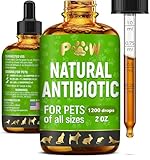
- NATURAL COMPOSITION: No artificial additives! The newest formula! Our Antibiotics for dogs & cats include Cranberry, Echinacea, and Oregano. Completely organic dietary supplement.
- GENTLE SUPPORT: Formulated with ingredients that support the digestive system, our natural Antibiotics for dogs and cats aid nutrient absorption and maintain gut function. Results may vary by pet.
- COMPLEX HELP: It helps support pets' organs during kennel coughs, ear infections, allergies, UTIs & digestive moments. Use for 2–3 weeks, then pause for 1–2 weeks before repeating.
- FOR EVERY PET: Whether you have a small breed dog/cat or a large one, it does not matter; our dog & cat Antibiotic is excellent for different breeds and sizes. Please consult a specialist before use.
- DROPS FORM: Perfect option for the pet’s comfort! We provide our Antibiotic for dogs and cats in drops, so drop a bit into the pet’s mouth or add to the pet’s food or water.
For a straightforward infection, a veterinarian may make a diagnosis from the history and examination. Recurrent, deep, nonhealing, resistant, or treatment-failure cases often call for culture and antimicrobial-susceptibility testing. This helps identify the organism and determine which drugs are likely to work.
Common antibiotics used in dogs
The following are examples of antibiotics veterinarians may use, not recommendations or a dosing guide. A drug that is appropriate for one infection may be ineffective or unsafe for another.
| Drug or class | Examples of veterinary use | Important considerations |
|---|---|---|
| Amoxicillin–clavulanate | Some susceptible skin, wound, dental, and urinary infections | Use only for an appropriate bacterial indication; product labels and formulations differ. |
| Cephalexin or other cephalosporins | Frequently used for susceptible skin infections | Culture is especially useful for recurrent, deep, nonhealing, or resistant infections. |
| Doxycycline | Some respiratory, tick-borne, atypical, and other susceptible infections | Can cause stomach upset. A tablet or capsule that lodges can injure the esophagus. |
| Clindamycin | Some dental, bone, skin, and anaerobic bacterial infections | May cause gastrointestinal effects; a tablet or capsule that lodges can injure the esophagus. |
| Metronidazole | Selected anaerobic bacterial or protozoal conditions | High doses or prolonged treatment can cause neurologic toxicity. |
| Fluoroquinolones, such as enrofloxacin | Selected infections, often when culture or susceptibility supports their use | Not routine first-choice drugs. Excessive use in growing dogs can damage developing cartilage; high doses can cause neurologic effects. |
Veterinarians select the drug, dose, route, and duration based on the infection site, likely organism, laboratory results, previous antibiotic exposure, organ function, age, and other medications. Some prescriptions are extra-label, meaning the veterinarian uses an approved drug in a manner not specifically stated on its label.
Common side effects
The most frequent antibiotic problems involve the digestive system:
Do these 3 things before closing this tab:
1Fix the driver behind crashes, sound loss and screen glitches2Clear out junk files and repair common Windows errors3Scan for outdated or missing drivers - takes under a minuteRank #2
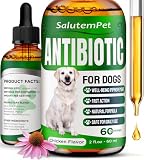
- DOG COUGH MEDICINE: We provide this dog allergy medicine supplement to support dogs’ well-being, help them breathe easily, support digestion, and help with allergies and UTIs.
- NATURAL INGREDIENTS: We provide our natural supplement with entirely natural ingredients: balanced composition and easy-to-use form; all the best for pets.
- DESIGNED FOR YOUR DOGS: The natural Antibiotic for allergy and itch relief for dogs is suitable for all breeds, ages, and sizes. The liquid is quickly absorbed and has a supportive effect.
- DOG ANTIBIOTICS: Dogs love activity. For them, it is essential to run and jump. With our herbal supplements, you can have a relaxing, hassle-free time.
- CONVENIENT LIQUID FORM: We’ve designed this supplement to simplify its application. With these handy drops, administering the supplement is no longer a struggle with pills!
- Vomiting
- Diarrhea or soft stool
- Reduced appetite
- Abdominal discomfort
- Lethargy
Risk varies with the medicine, dose, formulation, route, treatment length, and your dog’s liver or kidney function. Tell the prescribing veterinarian about suspected side effects rather than changing the dose on your own.
Side effects that need particular attention
- Doxycycline and clindamycin: Solid tablets and capsules can cause esophagitis if they remain lodged after swallowing. Esophageal strictures can develop in some cases. Follow the veterinarian’s instructions about food or water after giving a dose.
- Metronidazole: High doses or prolonged treatment can cause neurologic problems, including severe wobbliness, incoordination, abnormal eye movements, marked weakness, or seizures.
- Fluoroquinolones: Vomiting or diarrhea can occur. Excessive use in growing dogs can damage developing cartilage and cause lasting lameness; high doses can also cause neurologic effects.
- Sulfonamides: Some dogs develop hypersensitivity reactions, which may include hives, facial swelling, fever, anemia, or joint inflammation.
When an antibiotic reaction is an emergency
Contact a veterinarian immediately for any of the following:
- Swelling of the face, lips, muzzle, or throat
- Hives or a widespread rash
- Difficulty breathing
- Collapse, shock, or severe weakness
- Repeated vomiting or diarrhea, particularly with dehydration or weakness
- Seizures, severe incoordination, abnormal eye movements, or inability to stand
- Regurgitation, painful swallowing, excessive drooling, or refusal to eat after a tablet or capsule
Do not wait for a reaction to resolve if breathing difficulty, collapse, facial swelling, or neurologic signs are present.
How to give antibiotics safely
- Use the prescribed amount and interval. Measure liquid medicine with the supplied syringe or another device recommended by the clinic, not a kitchen spoon.
- Follow food and water instructions. Some medicines should be given with food, while others have specific administration requirements. Ask how to give a tablet or capsule safely.
- Do not double a missed dose. Contact the clinic or follow the missed-dose instructions on the label. Giving doses too close together can increase side effects.
- Do not stop, extend, or restart treatment on your own. Call the veterinarian before changing the plan. The right duration depends on the infection; longer treatment is not automatically safer.
- Report vomiting, missed doses, worsening symptoms, or a new reaction. The veterinarian may need to adjust the plan or investigate a different diagnosis.
- List every other product your dog receives. Include prescriptions, supplements, and over-the-counter medicines, along with relevant health conditions.
- Do not crush or split tablets unless approved. Some products should not be altered, and splitting can make a dose inaccurate.
- Store liquids as directed. Some require refrigeration and have a limited usable period after mixing.
The FDA warns that skipped doses and failure to follow the prescribed treatment can reduce drug exposure, contribute to treatment failure, and encourage resistance.
PC Slower Than It Used to Be?
A free scan shows the junk files, broken settings and background clutter dragging Windows down - then fixes them in one click.Free scan · Windows 10 & 11Outdated Drivers Are Slowing You Down
One free scan finds every outdated or missing driver and matches the right update for your exact hardware.Free scan · exact hardware matchRank #3
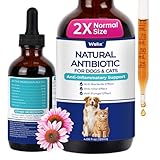
- Supports Wound Care - This natural antibiotics for cats promote natural wound healing. Formulated with natural ingredients that support antioxidant properties, it helps soothe and maintain healthy skin and coat
- Promotes Respiratory Health - Provides cat respiratory infection treatment and cat cold relief, easing sneezing, congestion and runny nose for cats and dogs. It also helps with feline upper respiratory infection in pets
- Natural Ingredients - Wellix Pet Antibiotic Drops are rich in Pau D'Arco, Echinacea, Goldenseal, and other natural ingredients. This cat herbal supplement provides a gentle yet effective solution, delivering essential nutritional support
- Easy to Use & 4 oz Large Volume - This natural antibiotic for cats can be easily mixed into pet food or treats, or administered directly by mouth. As a liquid antibiotic specifically designed for oral use, the large volume can last up to 4 months
- For Cats, Dogs, Kittens & Puppies - Wellix Pet Antibiotics for Cats and Dogs are specially formulated for pets of all breeds and sizes. The recommended dosage of this cat uti treatment and cat sneezing treatment drops can be found on the packaging
Can you give a dog human antibiotics?
Not without a veterinarian’s instructions. Human and veterinary products may differ in concentration, inactive ingredients, approved uses, and dosing information. A human prescription that sounds suitable for the same infection can be the wrong drug or strength for a dog.
In the United States, as of June 2023, FDA’s Guidance for Industry #263 placed medically important animal antimicrobials under licensed-veterinarian authorization. State requirements, including those for a valid veterinarian-client-patient relationship, can differ. Online products marketed as “fish antibiotics” or other unapproved animal antimicrobials are not reliable substitutes: they may not have been reviewed for safety, effectiveness, manufacturing quality, or whether the contents match the label.
Independent reader supportYour contribution helps us test, update, and keep practical guides available for everyone.Antibiotics and resistance
Resistance develops in bacteria, not in your dog. Unnecessary, inappropriate, or excessive antibiotic use favors bacteria that can survive treatment. Those resistant organisms may make a future infection harder to treat and can matter for both animal and human health.
Responsible use means treating a bacterial infection when antibiotics are actually needed, choosing the narrowest effective medicine when possible, following the correct regimen, and reassessing treatment failure instead of repeatedly using the same drug without further investigation. A positive culture is not automatically proof that treatment is necessary; interpret the result alongside the dog’s signs, examination, and sample quality.
Rank #4

- ✅THOROUGH SUPPORT – Our Antibiotics for dogs are fully organic products that will help your beloved pet to be wealthy and feel great nature balance. We care for your fur baby!
- 📣NEW PRODUCT – The newest formula! Our Antibiotic for dogs is without artificial additives, colorants, or fillers. The formula includes Cranberry and Oregano.
- ⚡EVERYDAY HELP – The composition of this natural Antibiotic for dogs provides help to the dog’s body during allergies, UTIs, and others. Plus, it supports a pet’s cheerful mood.
- 🐾FOR EVERY DOG – The supplement was developed by scientists and provided for different dog breeds and sizes. Moreover, it’s excellent for various ages.
- 🐕NUTRITIONAL SUPPORT – Our Golden Paw natural Antibiotics for dogs blend essential nutrients to promote your furry friend's overall energy and longevity.
Common misconceptions
| Claim | What is more accurate |
|---|---|
| “Antibiotics help any sick dog.” | They target susceptible bacteria, not viruses, allergies, parasites, or every source of inflammation. |
| “A positive bacterial test always means antibiotics are needed.” | Bacteria may represent colonization or contamination rather than disease. |
| “The same antibiotic and dose work for every dog.” | Choice and dosing depend on the dog, infection, formulation, organ function, and sometimes susceptibility results. |
| “I can stop as soon as my dog improves.” | Ask the prescribing veterinarian before changing the course. |
| “Longer treatment is always better.” | Unnecessarily long treatment raises adverse-effect and resistance risks, while some deep infections genuinely need longer therapy. |
FAQ
How long do antibiotics take to work in dogs?
Some dogs begin to improve within a few days, but timing depends on the infection and medicine. If your dog is worsening, has no expected improvement, or develops new symptoms, contact the prescribing veterinarian rather than extending or changing treatment yourself.
What should I do if my dog vomits after an antibiotic dose?
Do not automatically repeat the dose. Whether any medicine was absorbed depends on the drug and how soon vomiting occurred. Call the prescribing clinic for instructions, and seek urgent care if vomiting is repeated or accompanied by weakness, dehydration, swelling, or breathing problems.
Can dogs take antibiotics without food?
It depends on the medication. Some are better tolerated with food, while others have specific food instructions. Follow the label or veterinarian’s directions, and ask before changing how the medicine is given.
Can antibiotics cause diarrhea in dogs?
Yes. Diarrhea or soft stool is a possible side effect, but severe, repeated, bloody, or dehydration-causing diarrhea needs prompt veterinary advice. Do not give human anti-diarrheal medication unless a veterinarian tells you to.
The Bottom Line
Antibiotics can treat the right bacterial infection, but the wrong drug, dose, duration, or source can harm your dog and contribute to resistance. Give only the prescription provided for that dog, follow the administration instructions, and call the veterinarian about missed doses, vomiting, side effects, or lack of improvement. Facial swelling, breathing trouble, collapse, seizures, severe weakness, or painful swallowing warrant immediate veterinary attention.
Quick Recap
Product prices and availability are accurate as of the date/time indicated and are subject to change. Any price and availability information displayed on Amazon at the time of purchase will apply.




