Quick wins for a faster PC:
Fix the driver behind crashes, sound loss and screen glitchesFind Drivers →Clear out junk files and repair common Windows errorsFree Scan →Scan for outdated or missing drivers - takes under a minuteDriver Scan →Bird flu in cats is usually highly pathogenic avian influenza A(H5N1), which is different from ordinary cat flu caused by feline herpesvirus or calicivirus. Cats may become seriously ill after eating infected birds, raw meat or raw pet food, or drinking unpasteurized milk; sudden breathing or neurologic problems after possible exposure need urgent veterinary advice. Call the veterinary clinic before arriving.
What is bird flu in cats?
Bird flu refers to infection with avian influenza A viruses. The current U.S. concern in cats is primarily highly pathogenic avian influenza A(H5N1).
Domestic cats, wild cats, and other felids are susceptible. Infection can cause severe systemic disease, including pneumonia and neurologic illness, and may be fatal.
Bird flu is not ordinary feline “cat flu.” Feline herpesvirus and feline calicivirus are unrelated to influenza viruses and require different testing and disease-control measures.
#1 Best Overall

- Advantage II Large Cat is a leading brand in cat flea treatment and prevention for large cats over 9 lbs., at least 8 weeks of age
- Vet-recommended, easy-to-apply monthly topical treatment – no hard-to-swallow pills, no prescription needed
- Delivers total flea protection – kills adult fleas, flea larvae and flea eggs through contact
- Same-day effectiveness – kills fleas within 12 hours of application and keeps working for 30 days
- Fragrance-free formula, waterproof after 24 hours of application
How do cats catch H5N1?
Known or suspected exposure routes include:
- Eating an infected wild bird, poultry, or another infected animal
- Eating uncooked meat, especially raw poultry or meat from infected animals
- Eating contaminated raw pet food
- Drinking unpasteurized milk or consuming other raw dairy products from infected cattle
- Contact with infected poultry, dairy cattle, livestock environments, or contaminated materials
- Contact with a sick or dead wild bird
- Close contact with another infected animal
Indoor cats have also been infected after consuming contaminated raw milk or raw pet food. Keeping a cat indoors lowers the chance of contact with wild birds and livestock, but does not eliminate every exposure risk.
Freezing raw food is not a reliable way to make it safe. FDA recommends processing steps capable of inactivating the virus, such as cooking, pasteurization, or canning.
Bird flu symptoms in cats
Signs vary. A cat may have respiratory disease, neurologic disease, or both, and illness can progress rapidly.
| Possible early signs | Severe or neurologic signs |
|---|---|
| Fever | Difficulty breathing or pneumonia |
| Low energy | Incoordination or trouble walking |
| Loss of appetite | Tremors or seizures |
| Red or inflamed eyes | Weakness or paralysis |
| Nasal or eye discharge | Blindness or abnormal vision |
| Sneezing or coughing | Collapse or death |
Some infected cats may show few obvious signs or none. Neurologic signs can be prominent even without substantial coughing or nasal discharge.
What’s actually slowing this PC down?
Pick the symptom - the matching free tool is one click away.
When is it an emergency?
Seek urgent veterinary care for breathing difficulty, seizures, collapse, sudden blindness, marked weakness, or rapidly worsening illness. Do not wait to see whether these signs improve at home.
Rank #2

- EFFECTIVE, WATERPROOF FLEA TREATMENT FOR CATS: PetArmor Plus is a waterproof, flea & tick topical prevention for cats that kills fleas, flea eggs, flea larvae, ticks, and chewing lice for up to 30 days after application.
- TRUSTED, VET QUALITY FORMULA: Containing fipronil and (S)-methoprene, the same active ingredients as FRONTLINE Plus for Cats. PetArmor Plus for Cats has a powerful formula that starts to kill fleas within 24 hours.
- BREAK THE FLEA CYCLE: Unlike other flea and tick treatments that may temporarily suppress flea activity, PETARMOR Plus Cat Flea Treatment works by effectively breaking the flea life cycle Kill flea eggs and larvae to prevent re-infestation.
- FLEA AND TICK PROTECTION: PetArmor Plus for Cats flea drops protects your furry family members from brown dog ticks, American dog ticks, Lone Star ticks, and deer ticks (which may transmit Lyme disease).
- EASY-TO-USE, LONG-LASTING: PetArmor Plus flea and tick treatment comes with three (3) waterproof topical applications that provides your pet flea protection and control for three (3) months.
When should a veterinarian suspect bird flu?
H5N1 should be considered when a cat has sudden respiratory or neurologic illness and a relevant exposure, such as:
- Eating raw milk, raw meat, raw poultry, or raw pet food
- Hunting or eating a wild bird, or contacting a sick or dead bird
- Exposure to poultry, dairy cattle, livestock, or an affected farm environment
- Contact with a suspected or confirmed infected animal
- Rapidly worsening illness, especially with neurologic signs
Symptoms alone cannot confirm H5N1. Other infections, toxins, injuries, and neurologic conditions can look similar.
How is bird flu diagnosed in cats?
A veterinarian may begin with an examination, bloodwork, chest imaging, and tests for other likely diseases. Specific diagnosis may involve influenza A PCR, H5-specific PCR, virus isolation, or sequencing through an authorized veterinary laboratory. A routine feline respiratory panel that detects influenza A does not necessarily identify H5N1; subtype-specific confirmation may be needed.
The Tool Desk
Outbyte Driver Updater FREEFix the driver behind crashes, sound loss and screen glitchesFind Drivers →Outbyte PC Repair FREERepair Windows errors before they cause bigger problemsFix Now →Cornell’s Animal Health Diagnostic Center advises veterinarians to consider multiple specimens from a live suspect cat because the best single sample has not been established. Its listed samples include:
- Oropharyngeal swab, preferred, or nasal swabs from both nostrils
- EDTA whole blood
- Urine
- Fecal swab
Testing procedures can vary by laboratory and current guidance.
Rank #3
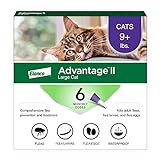
- Advantage II Large Cat is a leading brand in cat flea treatment and prevention for large cats over 9 lbs., at least 8 weeks of age
- Vet-recommended, easy-to-apply monthly topical treatment – no hard-to-swallow pills, no prescription needed
- Delivers total flea protection – kills adult fleas, flea larvae and flea eggs through contact
- Same-day effectiveness – kills fleas within 12 hours of application and keeps working for 30 days
- Fragrance-free formula, waterproof after 24 hours of application
Call before visiting the clinic
Tell the clinic about possible exposure before arriving. Do not bring a potentially infected cat into a crowded waiting room without warning staff. The clinic can arrange isolation, protective measures, and appropriate sample collection.
How is bird flu treated in cats?
There is no established home treatment for suspected H5N1. Veterinary treatment may include:
Recommended Free Tools
- Hospitalization, isolation, and monitoring
- Fluids and nutritional support
- Oxygen or other respiratory support
- Treatment for seizures and other neurologic complications
- Management of pneumonia and secondary complications
- An antiviral drug when the veterinarian and relevant public-health authorities decide it is appropriate
A 2025 CDC Emerging Infectious Diseases report described a confirmed infected cat that received supportive care, including oseltamivir, and recovered. This documented outcome does not establish a standard feline treatment protocol or guarantee that the drug will work for every cat. Never give human flu medicine or calculate an oseltamivir dose without veterinary direction.
What to do if your cat may have bird flu
- Separate the cat. Keep it away from other pets and limit unnecessary contact with people.
- Call the veterinarian first. Explain the symptoms, timing, and all possible exposures.
- Wash your hands. Do this before and after handling the cat, food bowls, litter, vomit, respiratory secretions, or other potentially contaminated materials.
- Avoid close face contact. Do not allow the cat to lick faces.
- Preserve useful information. Tell the veterinarian exactly what the cat ate and whether it encountered birds, livestock, raw milk, raw meat, raw food, or another sick animal.
- Do not handle dead birds bare-handed. Keep pets away and follow local wildlife or animal-control instructions for removal.
Follow the veterinarian’s instructions for cleaning the cat’s environment. Avoid creating aerosols from contaminated material, and keep other pets and household members away from the isolation area.
Can cats spread bird flu to people?
CDC describes the risk of people acquiring influenza from an infected cat as low, but not zero; it depends on the virus and the intensity and duration of exposure. Cats are generally considered dead-end hosts, meaning they are not thought to drive sustained onward transmission, although rare transmission among closely housed animals or family groups has been reported.
Rank #4

- SHIPMENT CONTAINS: One 6-dose pack of Amazon Basics Flea Topical for Large Cats (over 9 pounds)
- FAST ACTING: Eliminates fleas in just 12 hours, providing your cat with swift relief from discomfort with our effective flea medication
- DUAL INGREDIENT FORMULA: Formulated with Imidacloprid and Pyriproxyfen to kill adult fleas and prevent flea infestations
- LONG-LASTING PROTECTION: Protect your cat from infestations for up to 4 weeks with each application, killing reinfesting fleas within 2 hours and efficiently halting the flea lifecycle
- EASY APPLICATION: Designed for monthly use, apply directly to dry skin between the shoulder blades for best results
A CDC investigation published in May 2026 found serologic evidence of H5N1 infection in an asymptomatic veterinary professional after occupational exposure to a confirmed infected domestic cat, even though a follow-up respiratory PCR test was negative. This reinforces the need for precautions around close or prolonged exposure.
Windows Errors? Fix Them Before They Spread
Repair common Windows errors and clear accumulated junk for a smoother, more stable PC - no reinstall needed.Free scan · no reinstallCrashes, No Sound, or Screen Glitches?
Random freezes, missing sound and display glitches usually trace back to one bad driver. Find and replace yours safely.Free scan · under a minutePeople who develop flu-like symptoms, eye inflammation, or respiratory symptoms after close contact with a suspected or confirmed infected cat should promptly tell a healthcare professional and local or state public-health department about the H5N1 exposure.
How to prevent bird flu in cats
- Keep cats indoors and prevent them from hunting or eating wild birds.
- Do not feed raw milk or uncooked meat, poultry, eggs, or raw pet-food products.
- Use food processed with a step capable of inactivating H5N1, or cook animal-derived ingredients thoroughly according to veterinary and food-safety guidance.
- Check FDA animal-food recalls before feeding a raw product.
- Keep cats away from poultry farms, dairy cattle, livestock areas, and sick or dead animals.
- Wash hands after handling raw animal products and before preparing your cat’s food.
Commercial packaging does not automatically mean a product is pasteurized or free from risk. Raw milk and raw pet food remain raw regardless of where they are sold.
Independent reader supportYour contribution helps us test, update, and keep practical guides available for everyone.Common misunderstandings
| Claim | What is more accurate |
|---|---|
| Bird flu is ordinary cat flu. | H5N1 is an avian influenza virus; ordinary cat flu usually involves feline herpesvirus or calicivirus. |
| Only outdoor cats can catch it. | Indoor cats can be exposed through contaminated raw milk or raw food. |
| Commercially sold raw milk is safe for cats. | Commercial sale does not make raw milk pasteurized or safe from contamination. |
| Freezing raw food kills the virus. | Freezing is not a reliable substitute for cooking, pasteurization, canning, or another validated inactivation step. |
| Every infected cat will cough. | Neurologic signs may dominate, and some cats may show few or no signs. |
| A positive influenza A result proves H5N1. | Subtype-specific testing or sequencing may be necessary. |
Sources and current guidance
Guidance can change as surveillance develops. Useful sources include the CDC information on influenza in cats, FDA advice for reducing H5N1 risk in cats, USDA APHIS mammal detections, and Cornell’s testing guidance. For further guidance, see FDA’s H5N1 pet-food safety information and the CDC May 2026 investigation.
FAQ
Can an indoor cat get bird flu?
Yes. Indoor cats can be infected if they eat contaminated raw pet food, raw meat, or unpasteurized milk, or if contaminated materials enter the home. Keeping a cat indoors still reduces exposure to infected birds and livestock.
Free tools Windows power users keep installed
One-click scans. No signup required.
Best Value
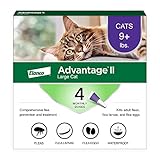
- Advantage II Large Cat is a leading brand in cat flea treatment and prevention for large cats over 9 lbs., at least 8 weeks of age
- Vet-recommended, easy-to-apply monthly topical treatment – no hard-to-swallow pills, no prescription needed
- Delivers total flea protection – kills adult fleas, flea larvae and flea eggs through contact
- Same-day effectiveness – kills fleas within 12 hours of application and keeps working for 30 days
- Fragrance-free formula, waterproof after 24 hours of application
What is the first sign of bird flu in a cat?
Early signs may include fever, lethargy, poor appetite, red eyes, nasal or eye discharge, sneezing, or coughing. Neurologic signs can also appear, so sudden incoordination, tremors, seizures, or blindness need urgent veterinary attention.
Should I give my cat Tamiflu for suspected bird flu?
No. A veterinarian may consider oseltamivir in some cases, but suitability and treatment decisions depend on the cat’s condition and relevant guidance. Do not give human medication without veterinary instructions.
Can I catch bird flu from my cat?
The risk is considered low but is not zero, particularly after close or prolonged contact with a suspected or confirmed infected cat. Isolate the cat, use careful hygiene, and contact a healthcare professional if you develop flu-like, eye, or respiratory symptoms after exposure.
The Bottom Line
H5N1 bird flu is uncommon but potentially life-threatening in cats. Preventable risks include hunting infected birds and eating raw milk, raw meat, or raw pet food. A cat with sudden respiratory or neurologic illness plus a possible exposure needs prompt veterinary advice: call before arriving, isolate the cat, and do not attempt home treatment or give human flu medicine.
Do these 3 things before closing this tab:
1Scan for outdated or missing drivers - takes under a minute2Clear out junk files and repair common Windows errors3Fix the driver behind crashes, sound loss and screen glitchesQuick Recap
Product prices and availability are accurate as of the date/time indicated and are subject to change. Any price and availability information displayed on Amazon at the time of purchase will apply.




